
Powder Metallurgy Tool Steel Grade Selection Principles
Powder metallurgy tool steel selection balances carbide volume fraction against fracture toughness to extend die life in battery foil slitting and cell drawing.
Powder metallurgy tool steel selection balances carbide volume fraction against fracture toughness to extend die life in battery foil slitting and cell drawing.

High-frequency ultrasonic attenuation and eddy current phase shifts isolate carbide microsegregation in PM tool steel stock before precision die machining.
Uniform submicron carbide distribution in PM steels and tungsten carbide tooling prevents edge pull-out, holding electrode foil burrs under seven micrometers.

Automated SEM stereology verifies sub-two-micrometer carbide dispersion in PM tool steels, preventing edge chipping and premature fatigue failure in tooling dies.

Statistical verification of carbide volume fraction requires balancing field counts against specimen variance under ASTM E562 to hold relative error within ten percent.

Automated optical inspection replaces subjective metallographic rating with objective pixel thresholding for tool steel carbide and inclusion verification.
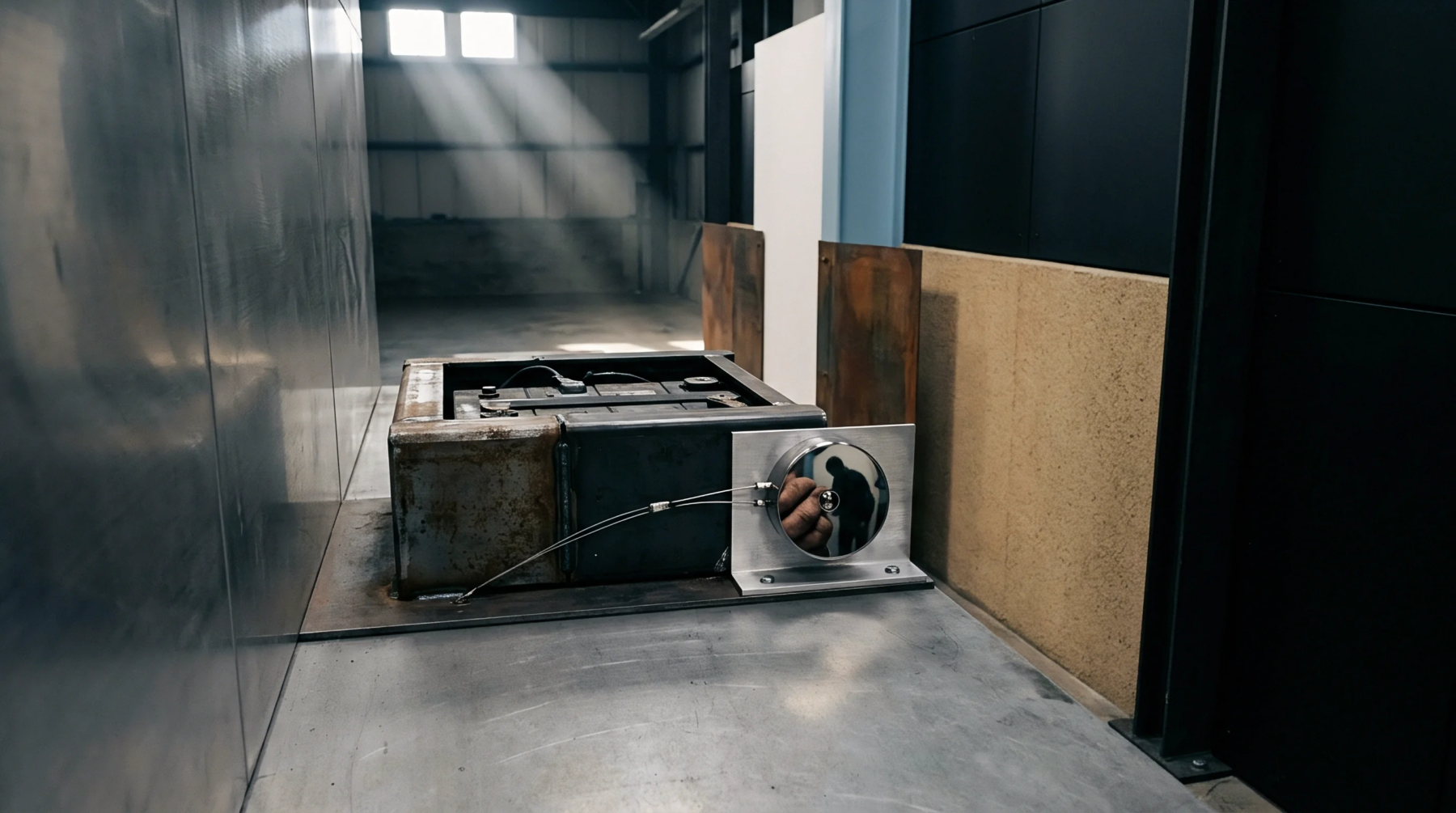
Carbide clustering in vanadium tool steels accelerates cyclic shear spalling, dictating blade replacement intervals to prevent electrode edge burr shorts.

Eliminate foil slitter micro-chipping by specifying gas-atomized PM tool steels with sub-2-micron carbides, cryogenic stabilizing, and a 2-micron edge hone.
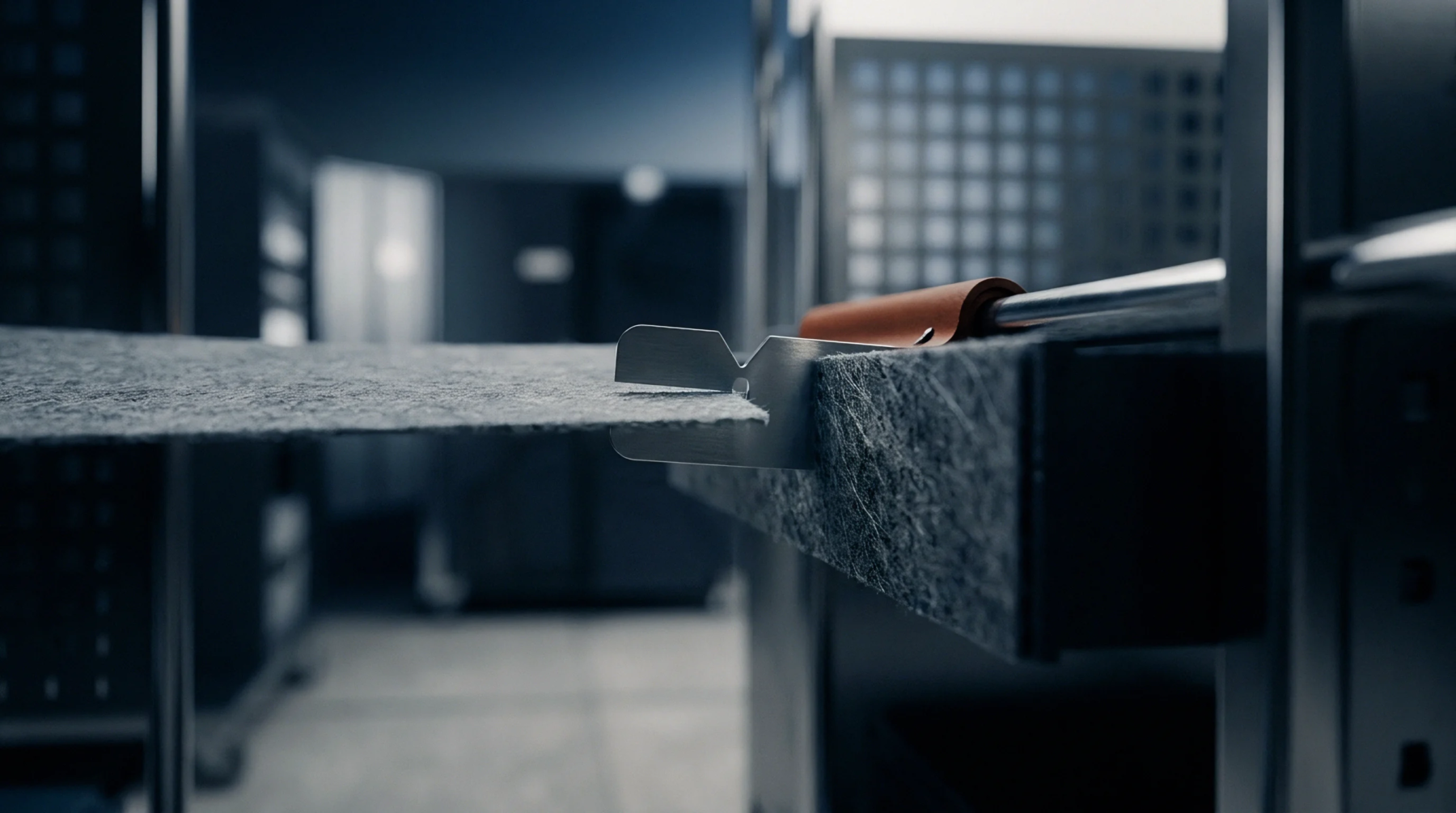
Select high-vanadium powder metallurgy tool steels ground to Ra 0.05 um to keep electrode slitting burrs below 7 um and stop separator puncture.

Sub-micron carbide wire EDM in water leaches cobalt via galvanic micro-cells, requiring bipolar generators, oil dielectrics, or multi-trim passes to halt edge chipping.
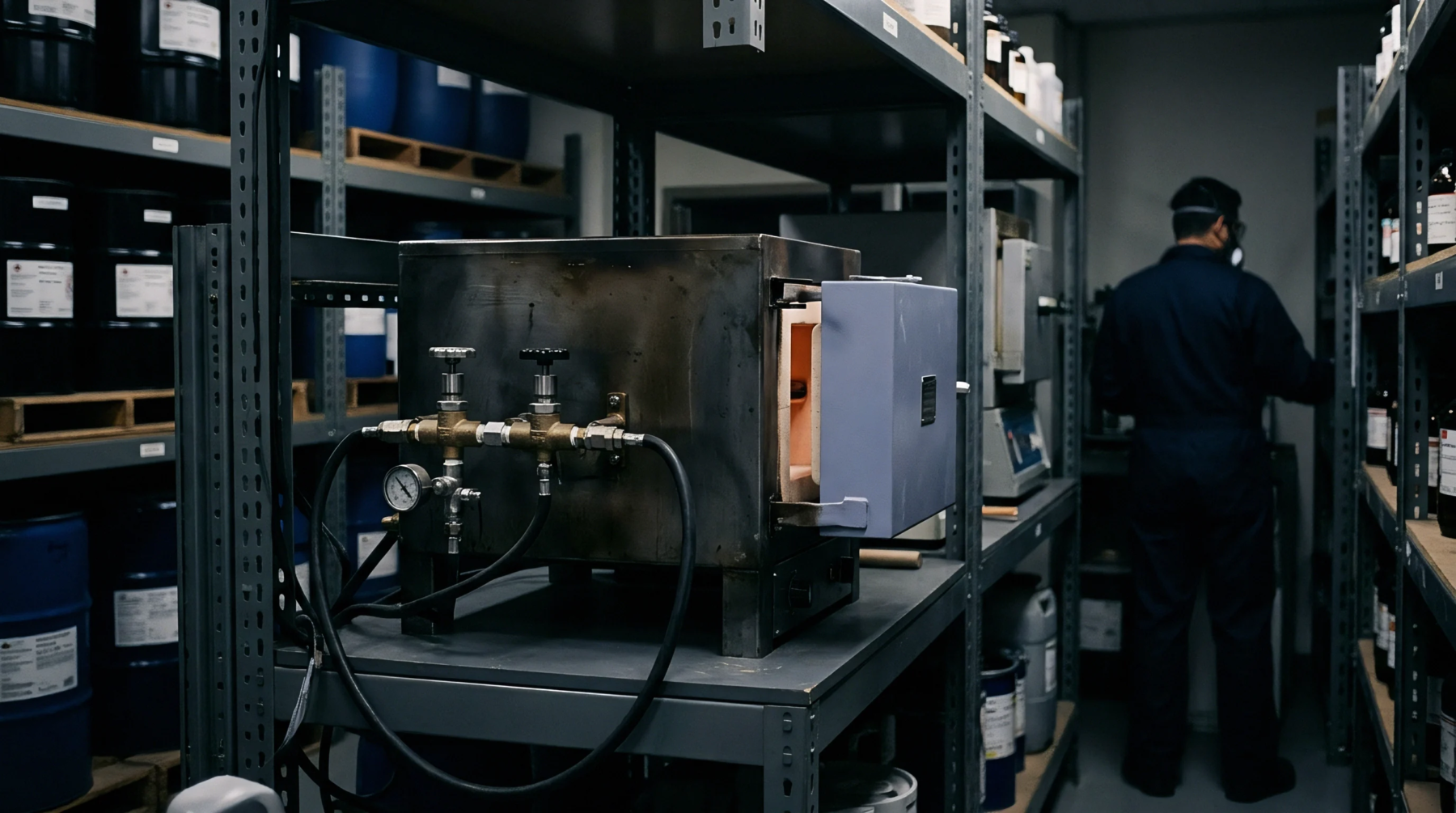
Melt superheat fixes metal viscosity while gas pressure sets atomization shear energy, directly controlling powder size, cooling rate, and carbide morphology.

Spatial point process modeling quantifies microstructural carbide clustering in powder metallurgy tool steels to prevent premature fatigue failure in tooling.

Carbothermic oxide dissolution during heat treatment clears interparticle films in high vanadium powder metallurgy steels to maximize transverse rupture strength
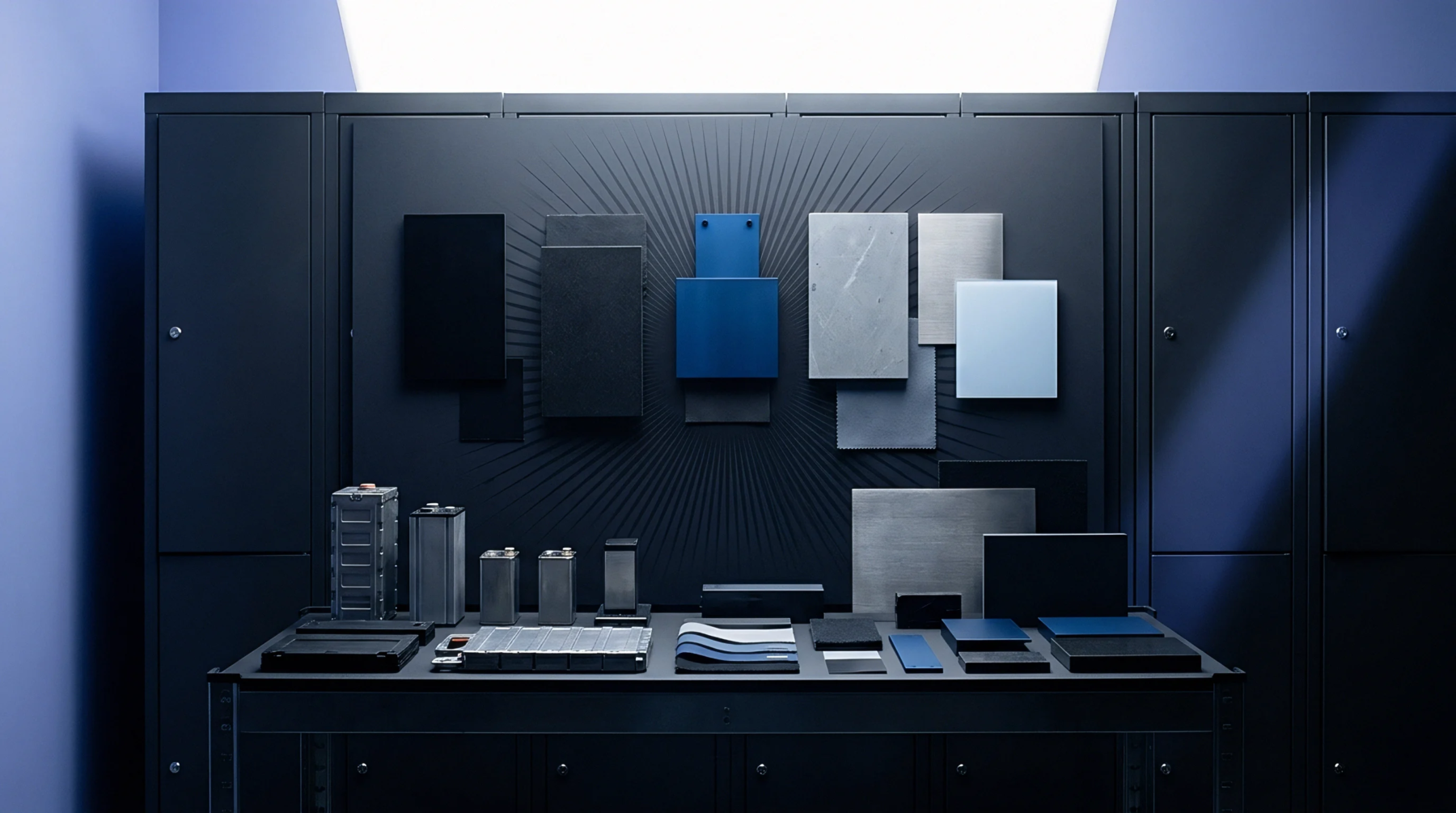
Dynamic fatigue micro-cracking in high-vanadium tool steels initiates at carbide clusters where inter-particle spacing drops below 0.3 µm under cyclic shear.

Precision electrode slitting requires powder metallurgy tool steels with high vanadium carbide volume to eliminate micro-chipping and maintain burr limits below 10 µm.

Powder metallurgy tool steels with cryogenic phase stabilization eliminate edge chipping and cut amortized tooling costs by over eighty percent in battery dies.

Vanadium carbide distribution in PM tool steels is governed by atomization droplet cooling rates and sets the structural limit for wear resistance and edge toughness.
Expertise is a utility, not a secret. sentiention™ publishes its working knowledge as open reference: intelligence layer covering the materials it sources, the markets it enters, and the reference that serves both.