Meaning
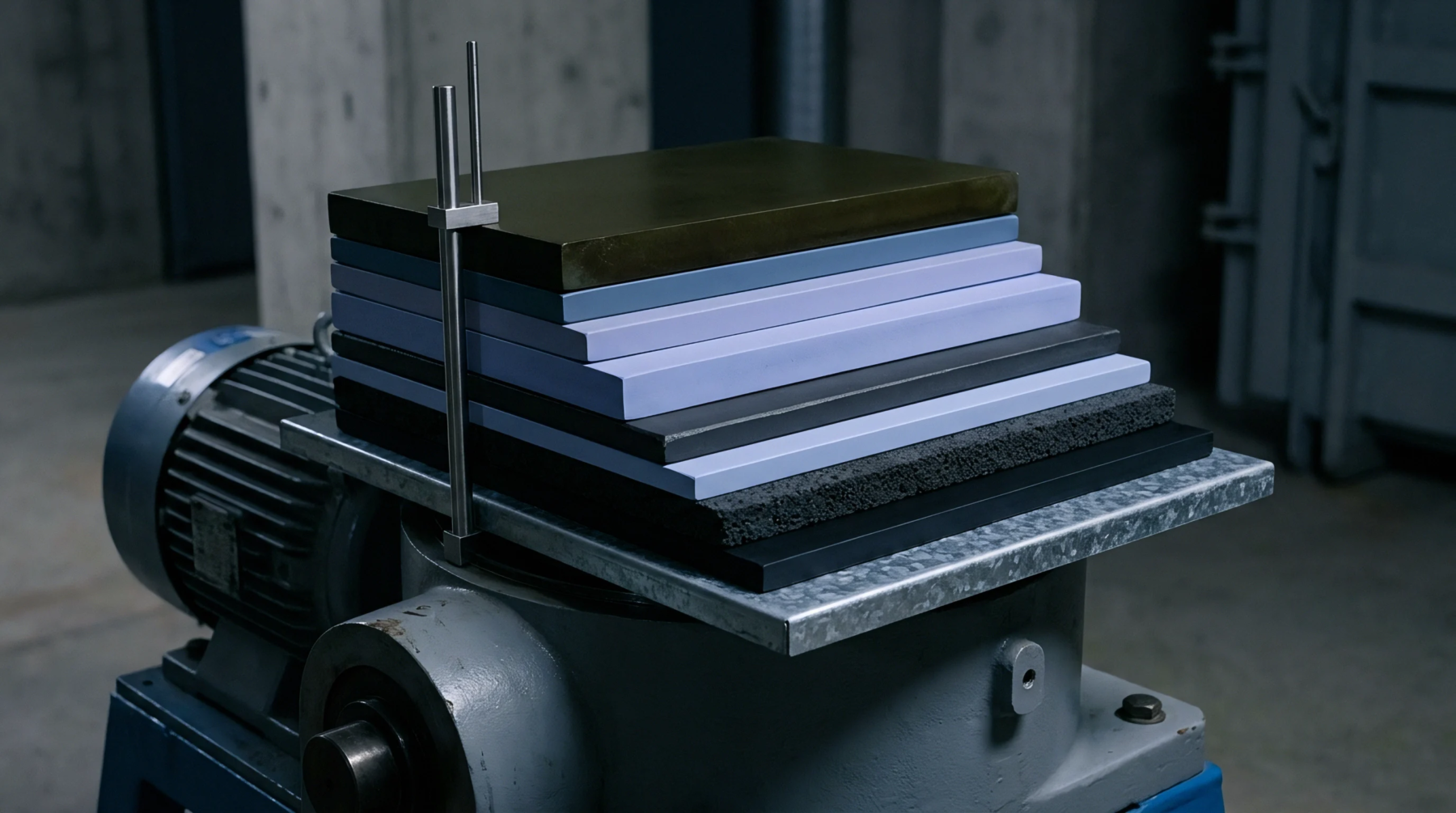
Cumulative variation of individual component dimensions within an assembled system determines the final fit and performance of the battery pack. This additive dimensional variation is known as tolerance stack up, and it represents the sum of the manufacturing tolerances of the cells, housings, and thermal plates. In dense battery modules, even tiny variations in cell thickness can accumulate into significant deviations over a series of twenty or thirty cells.
Managing this accumulation is essential for ensuring that the module fits into the vehicle chassis and that the cooling plates make consistent contact.
Dimensional Analysis
Analytical methods are utilized to predict the total variation of the assembly based on the tolerances of the individual parts. These methods include worst case analysis and statistical analysis, which use probability distributions to estimate the likelihood of assembly failure. Worst case analysis assumes all parts are at their extreme limits, which can lead to overdesigned components and higher costs.
Statistical analysis provides a more realistic estimate by assuming that most parts will fall near their nominal dimensions.
Cooling Contact
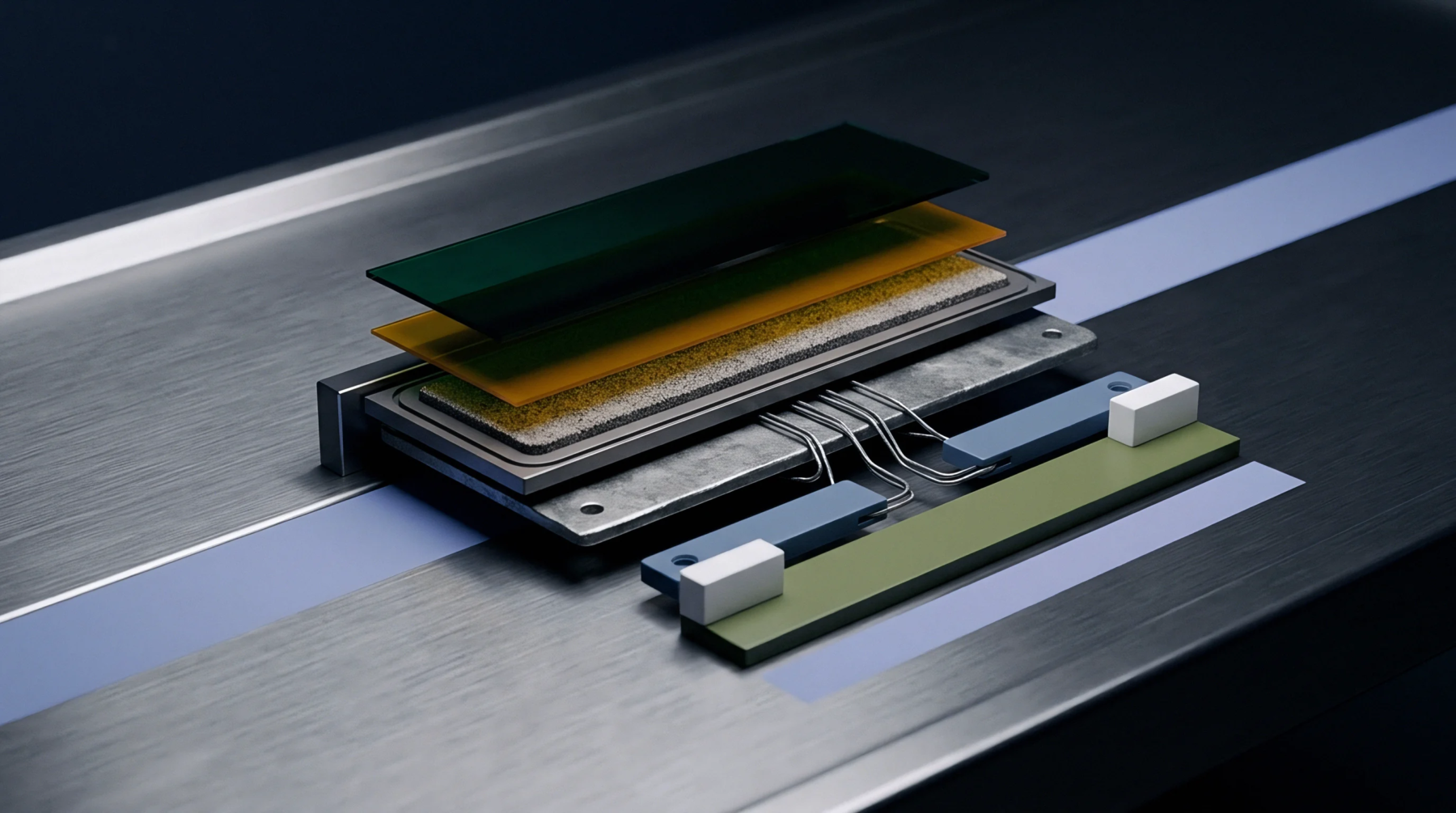
Inconsistent physical contact between the battery cells and the cooling plate can lead to localized hot spots and accelerated cell degradation. If the tolerance accumulation is not properly managed, some cells will be pressed too hard against the thermal plate while others will not touch it at all. This uneven pressure can damage the cell casing or leave insulating air gaps that block heat transfer.
The use of compressible thermal gap fillers helps to absorb these dimensional variations.
Manufacturing Mitigation
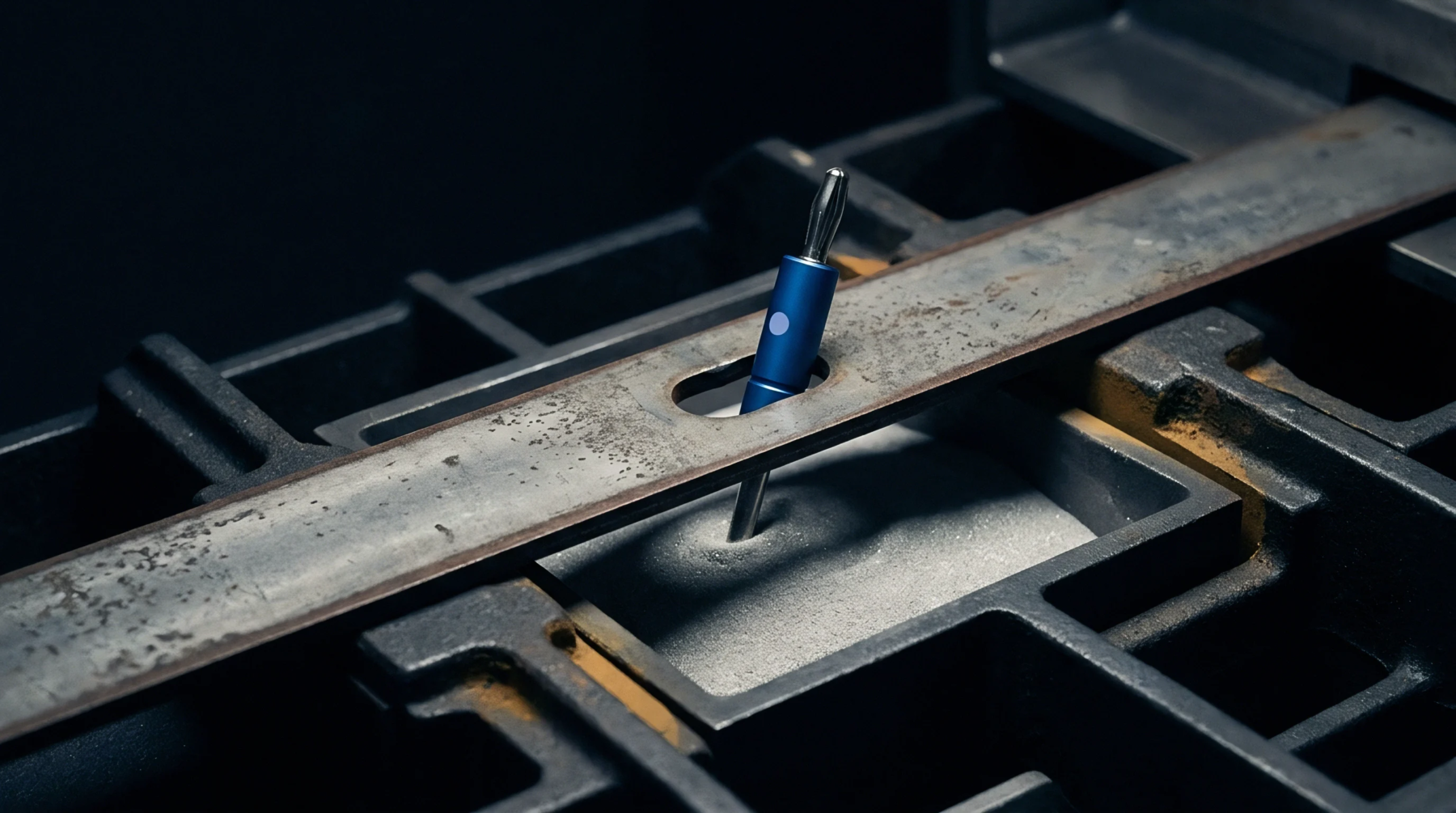
Automated assembly lines must be designed to measure and adapt to the specific dimensions of each component batch. Pressing systems use force feedback to apply a consistent seating force rather than pressing to a fixed height, compensating for variations in cell thickness. This adaptive assembly process ensures that every module is built with the correct internal pressure and dimensions.
By reducing the physical variation, manufacturers can improve the reliability of the battery pack.