Meaning
Structural bending of module retaining plates under internal cell expansion forces alters mechanical load distributions across a battery pack stack. Calculating end plate deflection allows structural engineers to design rigid pack enclosures that maintain uniform surface pressure on active electrochemical cells. Internal forces generated by state-of-charge expansion and long-term electrode swelling exert hundreds of kilopascals against terminating end plates.
Excessive bending reduces pressure at the center of adjacent cells while concentrating extreme compressive forces around outer frame perimeters. This mechanical metric applies to structural module assemblies containing prismatic or pouch cells, whereas standalone cylindrical cell packs do not utilize planar end plate structures.
Structural Mechanics
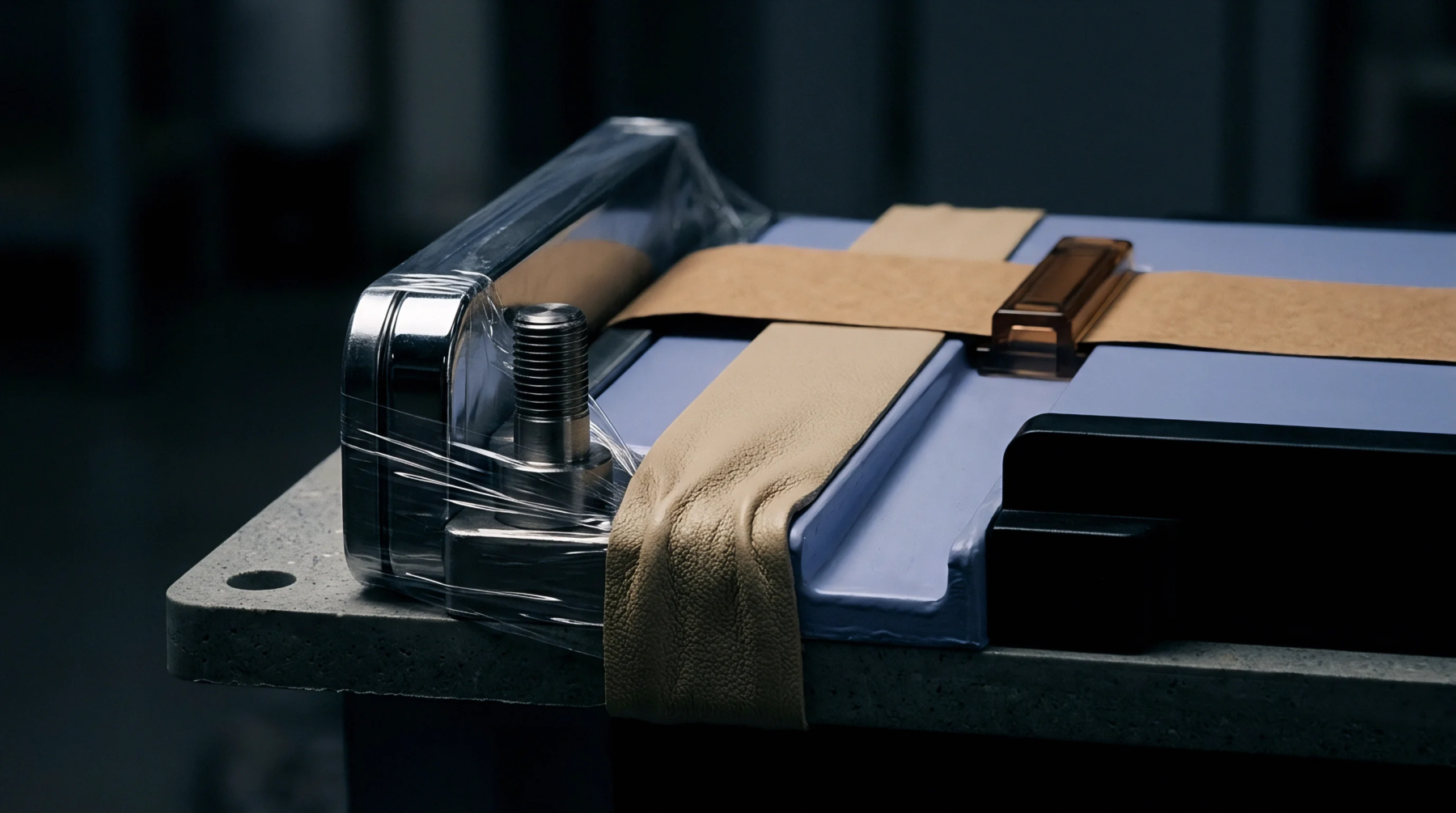
Internal cell expansion forces act as uniform pressure loads applied directly against the inner face of the end plate. Structural end plates act as thick beams or plates supported by perimeter tie rods, side straps or outer enclosure walls. Under high internal pressure, the plate flexes outward at its unconstrained center, creating a curved displacement profile.
Center deflection releases compressive preload on central electrode areas while transferring concentrated mechanical stress to perimeter edges and tension tie rods. Flexing alters internal stack dimensions, potentially causing mechanical interference with adjacent pack components or high-voltage busbars. Material yield strength limits must not be exceeded to prevent permanent plastic deformation of the frame structure.
Electrode Impacts
Non-uniform force distributions resulting from flexing end plates lead to localized variations in inter-electrode distances inside the cells. Central cell regions subject to reduced pressure experience localized electrode delamination and increased contact resistance. Delamination promotes uneven lithium ion flux, leading to localized lithium plating during high-rate charging cycles.
Perimeter regions under concentrated high pressure risk separator crushing, which causes catastrophic internal short circuits. Uniform compression is vital for maintaining steady ionic diffusion and avoiding localized current crowding. Designing rigid end plates preserves uniform contact pressure across the entire surface area of every stacked cell.
Optimization Methods
Engineers optimize end plate structures by combining finite element structural modeling with advanced material selection. Adding structural stiffening ribs along high-stress bending axes increases flexural rigidity without adding excessive dead weight to the pack. Utilizing high-strength structural materials like cast aluminum alloys or engineered carbon composites provides high stiffness-to-weight ratios.
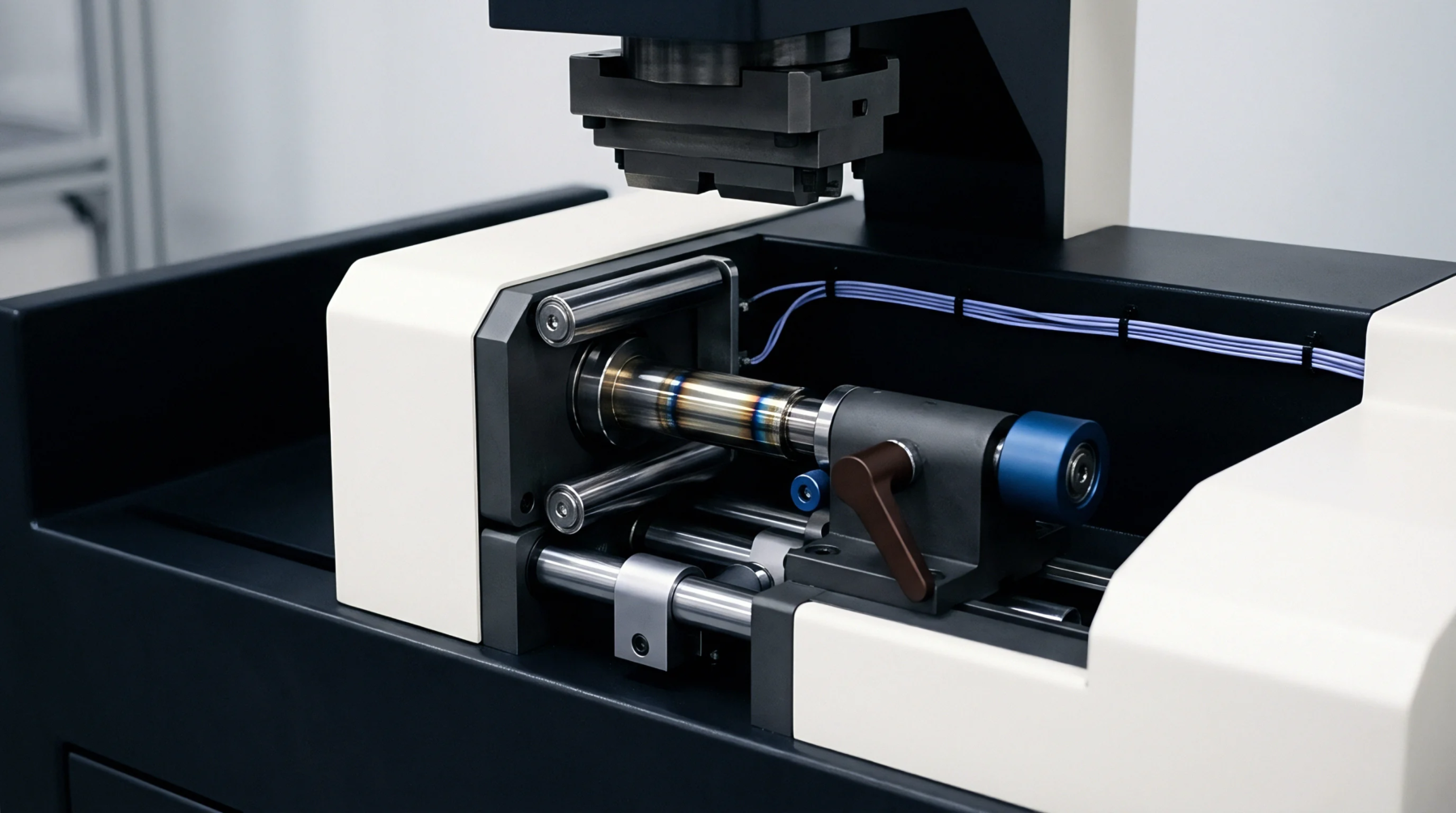
Topography optimization software generates efficient rib layouts that distribute mechanical loads evenly across tie rod attachment points. Integrating compliant elastomeric foam pads between the end plate and the first cell absorbs localized displacement peaks. Validating structural models with mechanical strain gauges ensures real-world deflection stays within safe tolerance bounds.