
Differential Capacity Analysis Procedures for Early Degradation Detection in Cells
Differential capacity analysis detects cell degradation early by tracking microvolt phase shifts and peak areas under low C-rate charging.
Differential capacity analysis detects cell degradation early by tracking microvolt phase shifts and peak areas under low C-rate charging.

Differential capacity analysis transforms flat LFP voltage plateaus into distinct peak signatures to quantify lithium loss and electrode decay non-destructively.

Controlled initial reductive decomposition forms a dual-layer interphase that blocks electron tunneling while enabling lithium transport and transport compliance.

Differential capacity analysis extracts thermodynamic phase boundaries to deconvolve lithium inventory loss from active material degradation non destructively.
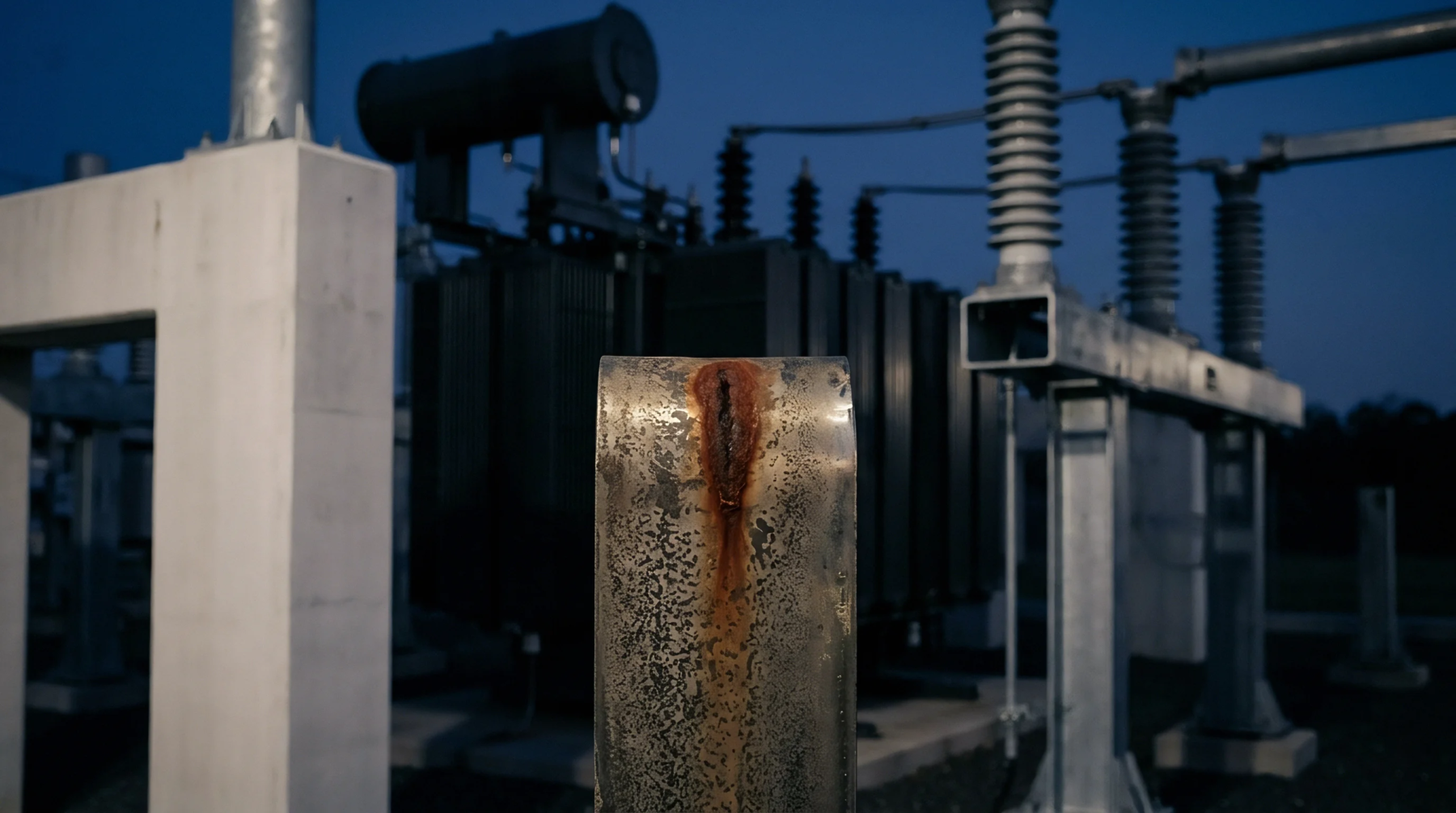
Low-rate galvanostatic testing isolates lithium loss from material degradation, providing true chemical health metrics that standard factory checks mask.

Intra-cell thermal gradients skew differential capacity signals, masking true health states and invalidating supply contract warranty baselines.
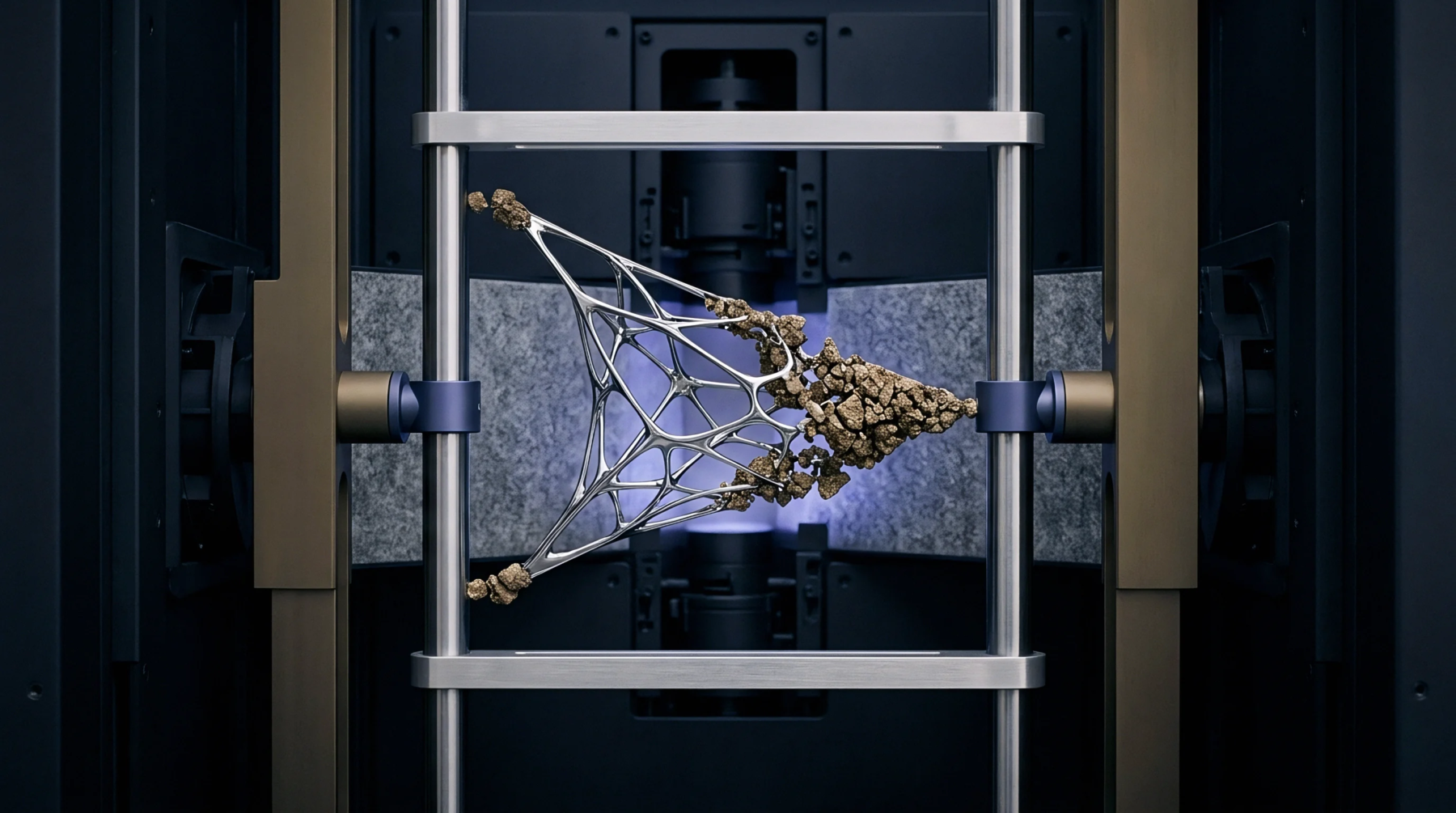
Differential capacity analysis quantifies lithium inventory loss and active material isolation in prismatic LFP cells through C/50 peak voltage shift tracking.
Expertise is a utility, not a secret. sentiention™ publishes its working knowledge as open reference: intelligence layer covering the materials it sources, the markets it enters, and the reference that serves both.