
Quantifying Non Linear Capacity Rollover Mechanics in High Nickel Cathode Formulations
High-nickel cathode rollover stems from high-voltage H2-H3 phase strain and microcracking; contractually bound dQ/dV and resistance growth limits protect assets.
High-nickel cathode rollover stems from high-voltage H2-H3 phase strain and microcracking; contractually bound dQ/dV and resistance growth limits protect assets.

High voltage thermal cycling accelerates cathode surface reconstruction and metal dissolution, doubling impedance and driving capacity fade.

Recycled precursor lattice strain accelerates cathode degradation; capping microstrain below 0.10 percent preserves cycle life and stabilizes landed battery costs.

Thermally induced porosity expansion occurs when trapped argon exerts internal pressure exceeding matrix creep strength during high-temperature thermal exposure.

Surface phase transitions from layered to rock-salt structures drive impedance growth and oxygen release, requiring targeted surface modifications to preserve cycle life.

Lattice oxygen evolution and transition metal leaching in ultra-high nickel cathodes require bulk doping, surface passivation, and strict procurement controls to prevent severe full-cell capacity loss.

Trace impurities in recycled high-nickel cathodes induce lattice strain and microcracking, accelerating capacity fade and raising landed cost per cycle.

High-nickel cell passivation growth follows diffusion-limited kinetics driven by cathode lattice oxygen loss and transition metal dissolution cross-talk.

High-voltage operation accelerates cathode surface reconstruction and transition metal dissolution, demanding operando impedance testing and warranty risk controls.

Early lithium cell resistance rise stems from passive layer growth and cathode microcracking, shifting procurement risk to initial DCIR specifications.
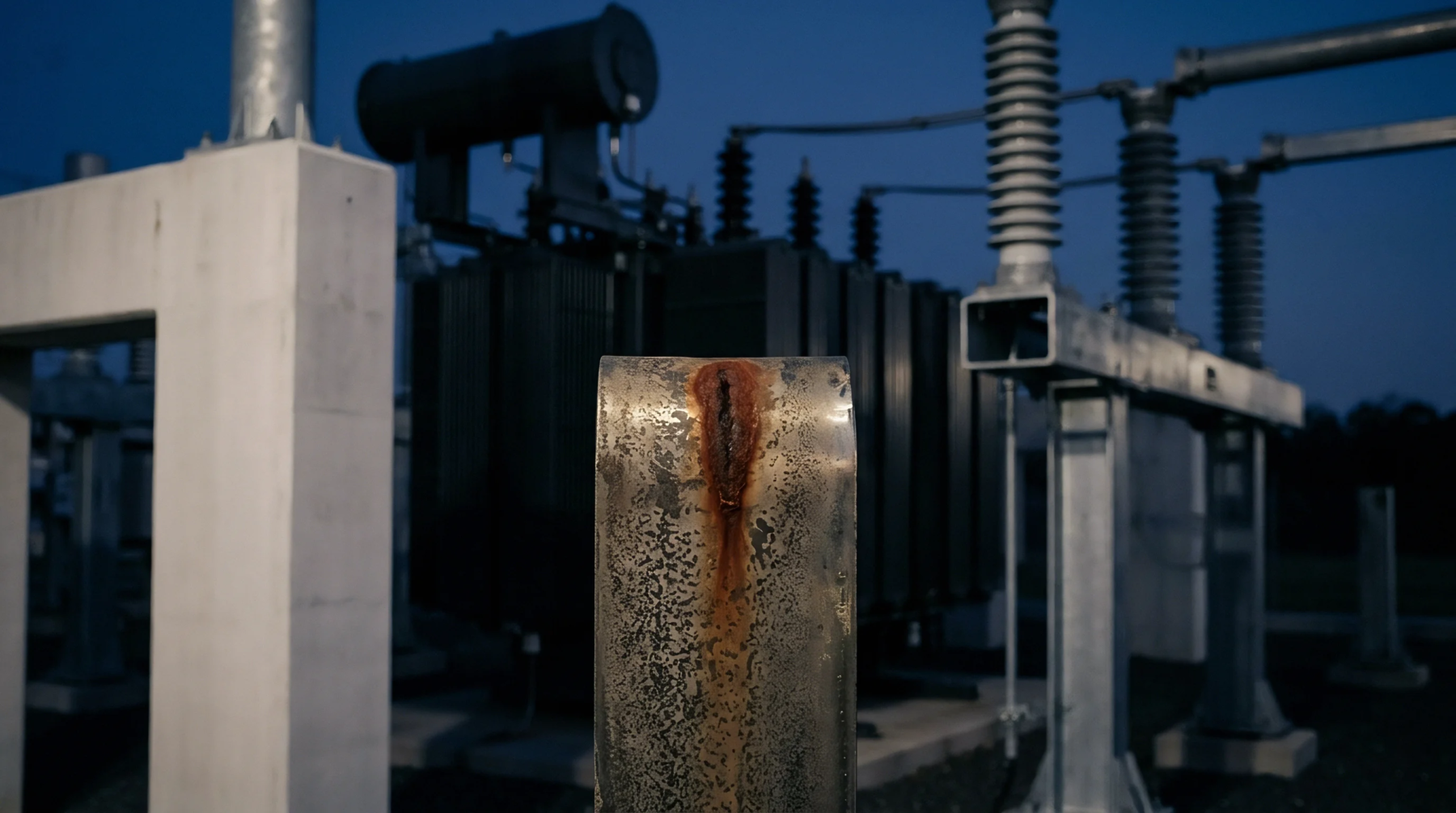
Low-rate galvanostatic testing isolates lithium loss from material degradation, providing true chemical health metrics that standard factory checks mask.

LFP phase transitions and voltage relaxation kinetics create severe OCV hysteresis and multi-hour voltage drift requiring dynamic BMS filtering to prevent SOC errors.
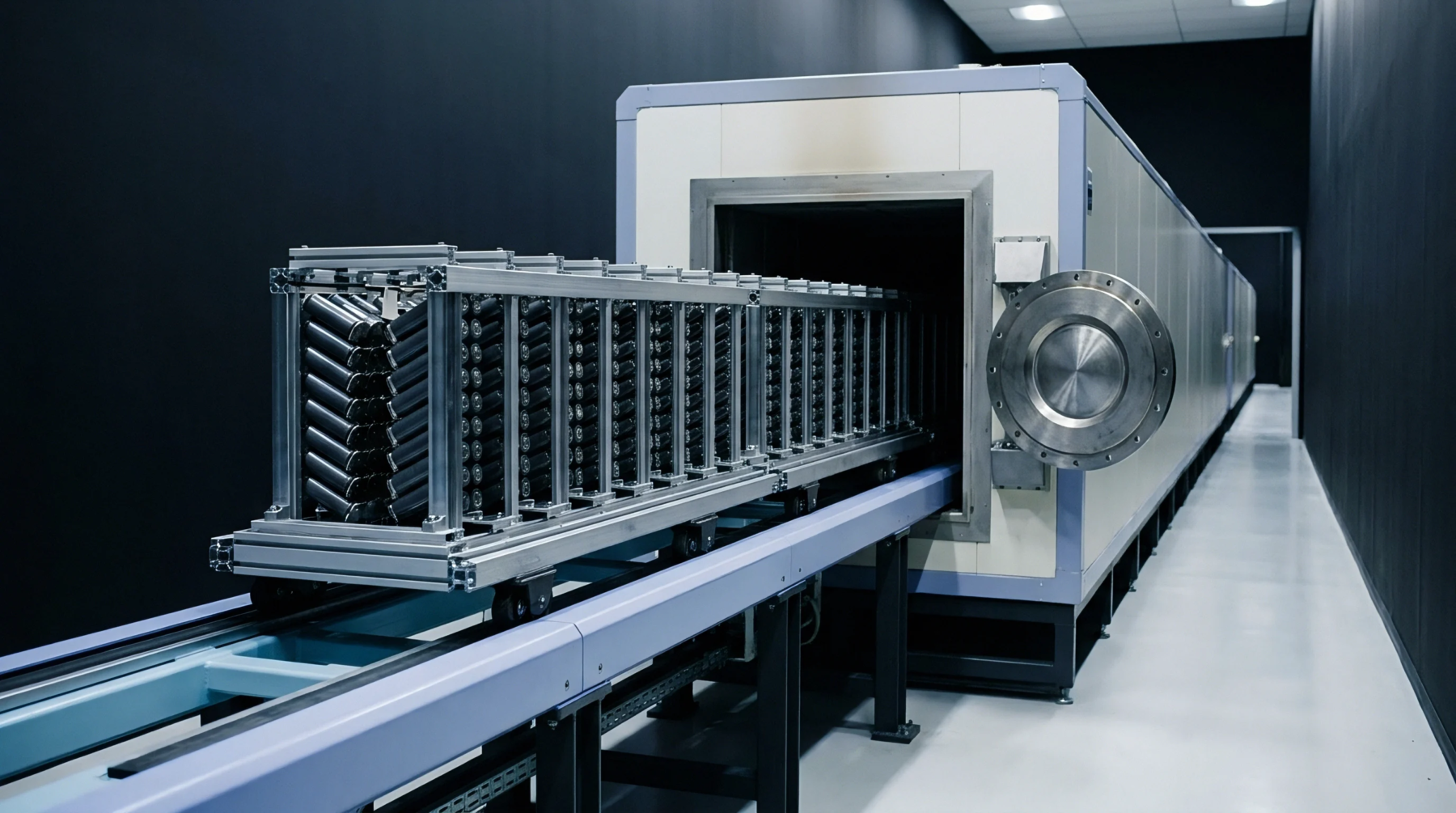
Quantifying capacity knee initiation requires tracking differential voltage peak shifts and post-charge relaxation kinetics under combined dynamic stresses.
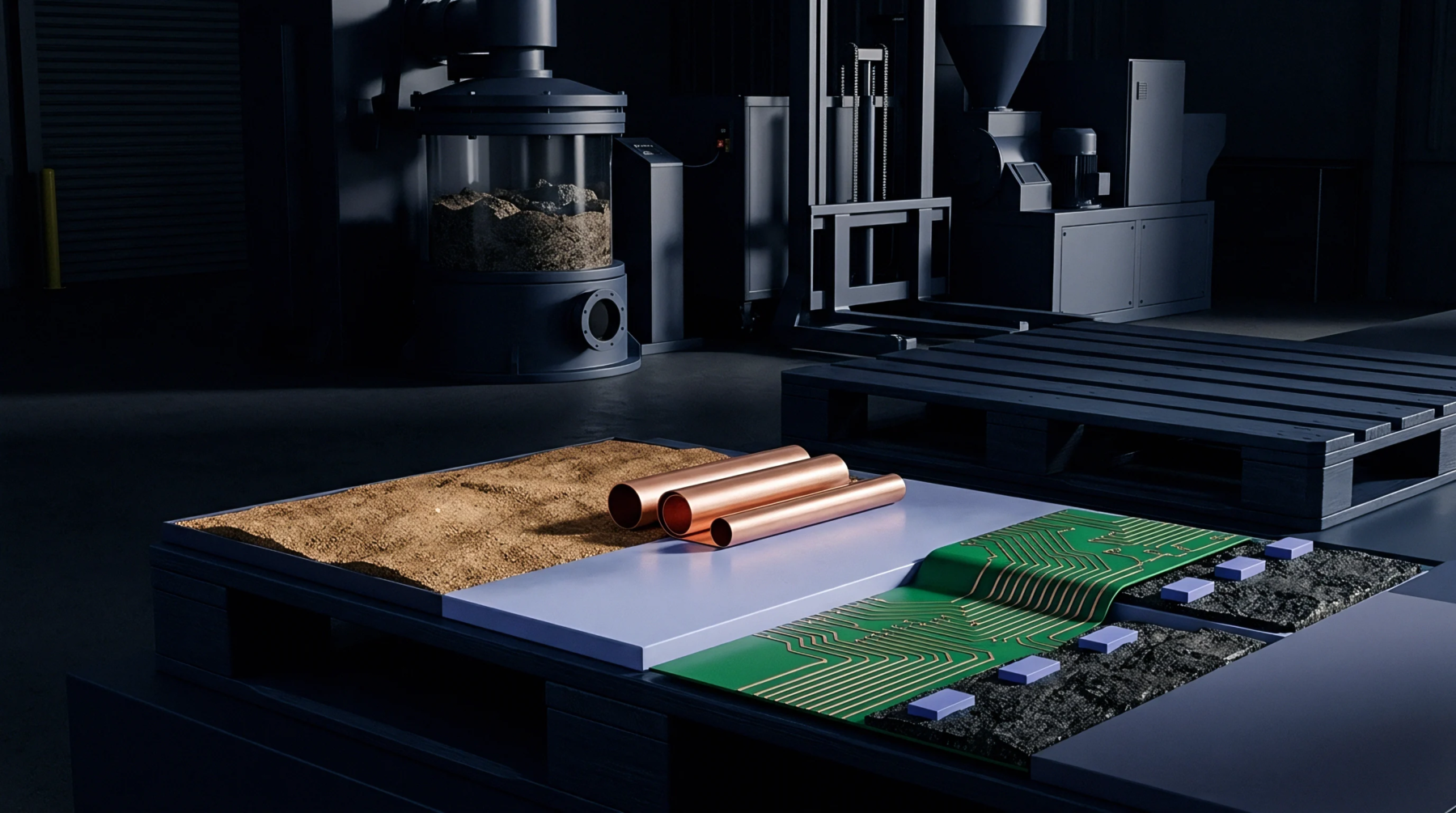
LFP outperforms NMC in non-resting duty cycles by maintaining lattice stability, eliminating continuous microcracking, and cutting cooling costs over 4,000 cycles.

Recycled cathode precursors match virgin cell performance when hydrometallurgical refining limits trace iron and copper contaminants below 10 and 5 ppm respectively.
Expertise is a utility, not a secret. sentiention™ publishes its working knowledge as open reference: intelligence layer covering the materials it sources, the markets it enters, and the reference that serves both.