Meaning
Time-dependent deformation characteristics of polymeric and elastomeric materials describe the continuous increase in strain under a constant mechanical stress over extended periods. The physical behavior known as viscoelastic creep affects the longevity and sealing performance of battery pack gaskets, cushions, and structural adhesives. Mechanical engineers analyze this behavior to ensure that the assembly remains compressed and sealed against environmental ingress throughout the service life of the pack.
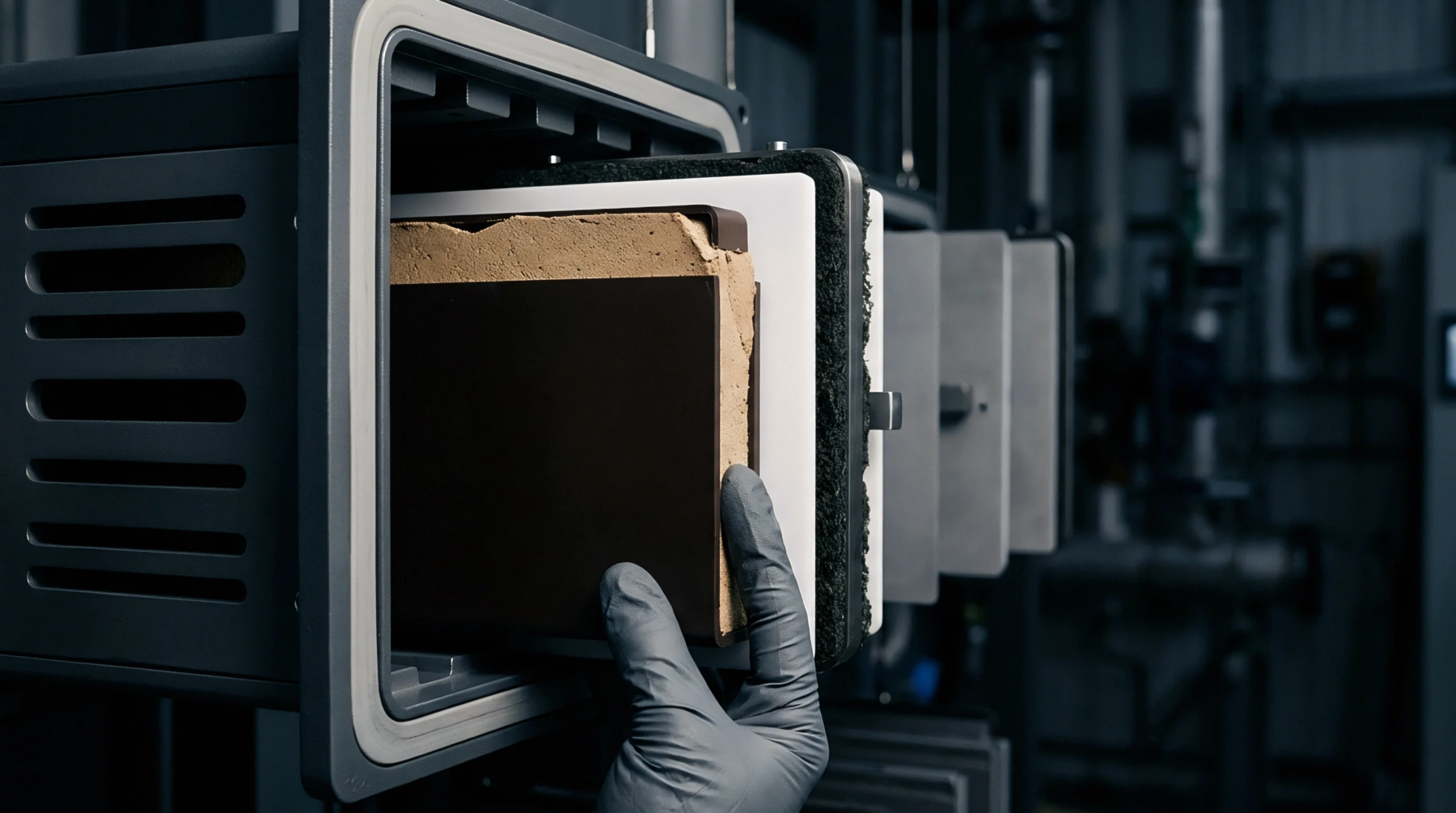
This analysis is verified using long-term stress relaxation and deformation tests in controlled temperature chambers.
Deformation Mechanism
Polymers exhibit both elastic and viscous responses when subjected to mechanical loads, leading to gradual molecular rearrangement over time. This rearrangement causes the material to slowly flow and lose its ability to exert counter-force against the sealing surfaces. High temperatures within the battery pack can accelerate this process, leading to premature loss of compression in the gaskets.
This loss of compression can compromise the environmental seal of the enclosure, allowing moisture and dust to enter the pack. Understanding this behavior helps engineers select materials with high resistance to long-term deformation. This physical decay must be mitigated through formulation.
Material Selection
Designers select high-performance elastomers like fluorosilicones or polyurethane foams that are engineered to minimize the rate of deformation under load. These materials are tested across the full operating temperature range of the battery pack to ensure consistent performance.
Warranty Reliability
Sourcing teams review the material datasheets and long-term testing results of sealing components to verify that the pack assembly can meet the target service life. A loss of sealing force due to deformation can lead to field failures and expensive warranty claims for the manufacturer. Procurement decisions favor suppliers that provide validated testing data for their materials under simulated operating conditions.
This verification reduces the risk of water ingress and subsequent electrical failures in the field. This mechanical analysis is a key component of the quality assurance process.