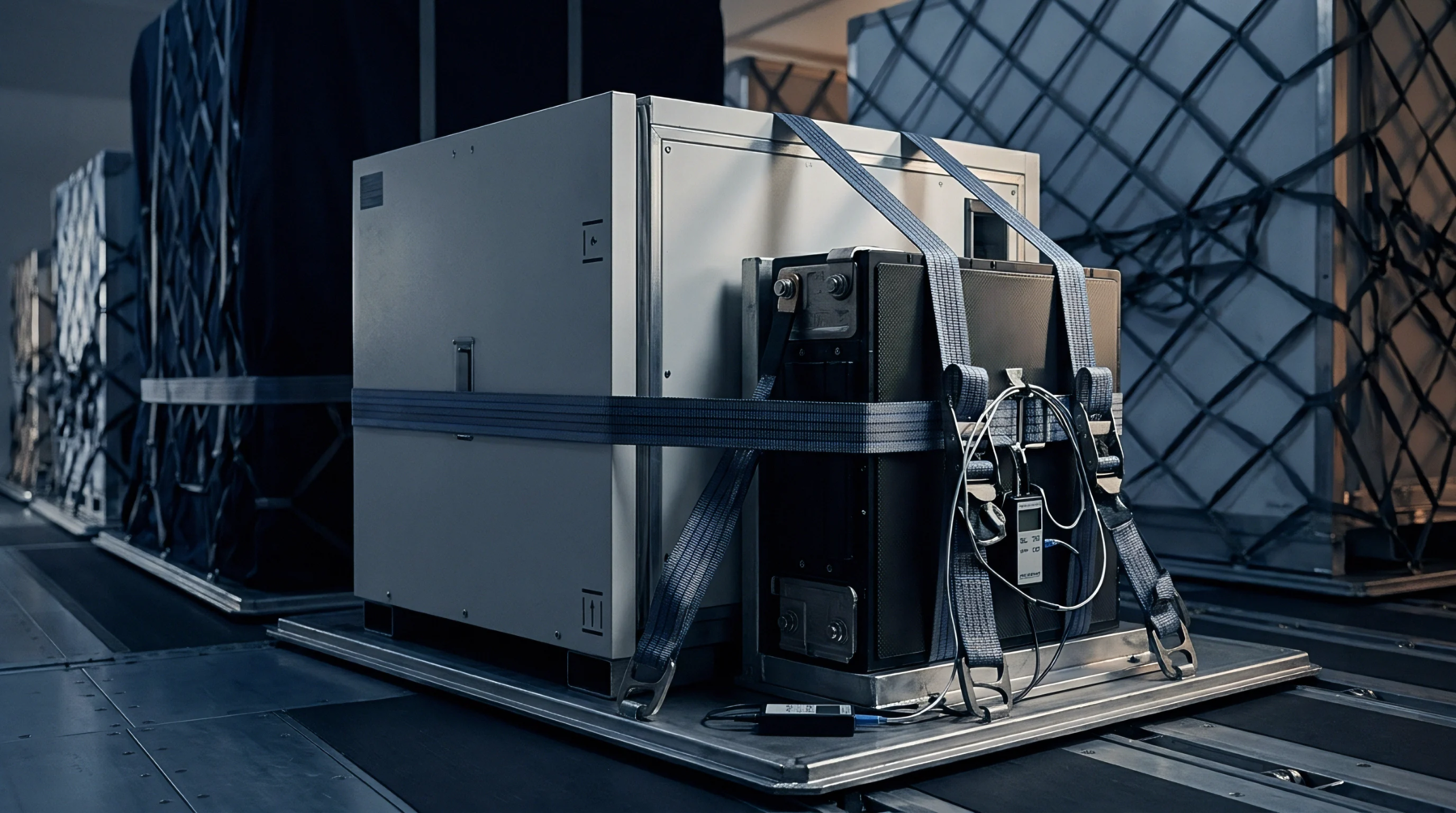
Auditing Battery Test Summary Certificates against Air Cargo Packing Instructions
Auditing UN 38.3.5 summary certificates against IATA air packing instructions requires cross-referencing cell test data, Watt-hour limits, and 30% state of charge.
Auditing UN 38.3.5 summary certificates against IATA air packing instructions requires cross-referencing cell test data, Watt-hour limits, and 30% state of charge.

UN 38.3 compliance for ocean freight requires valid 38.3.5 summaries, strict 30 percent state of charge limits, and heat-isolated container hold stowage.
Cross-reference lab ISO 17025 schedules against UN 38.3 revisions, mass limits, and test sub-clauses to prevent carrier cargo rejections and customs seizures.
Auditing UN 38.3 test reports demands checking T.1-T.8 raw parameters, verifying UN 38.3.2.2 design modification thresholds, and validating ISO 17025 test summaries.
Air freight acceptance demands verifying all ten UN 38.3.5 fields against physical cargo labels to prevent cargo holds, civil fines, and insurance voidance.
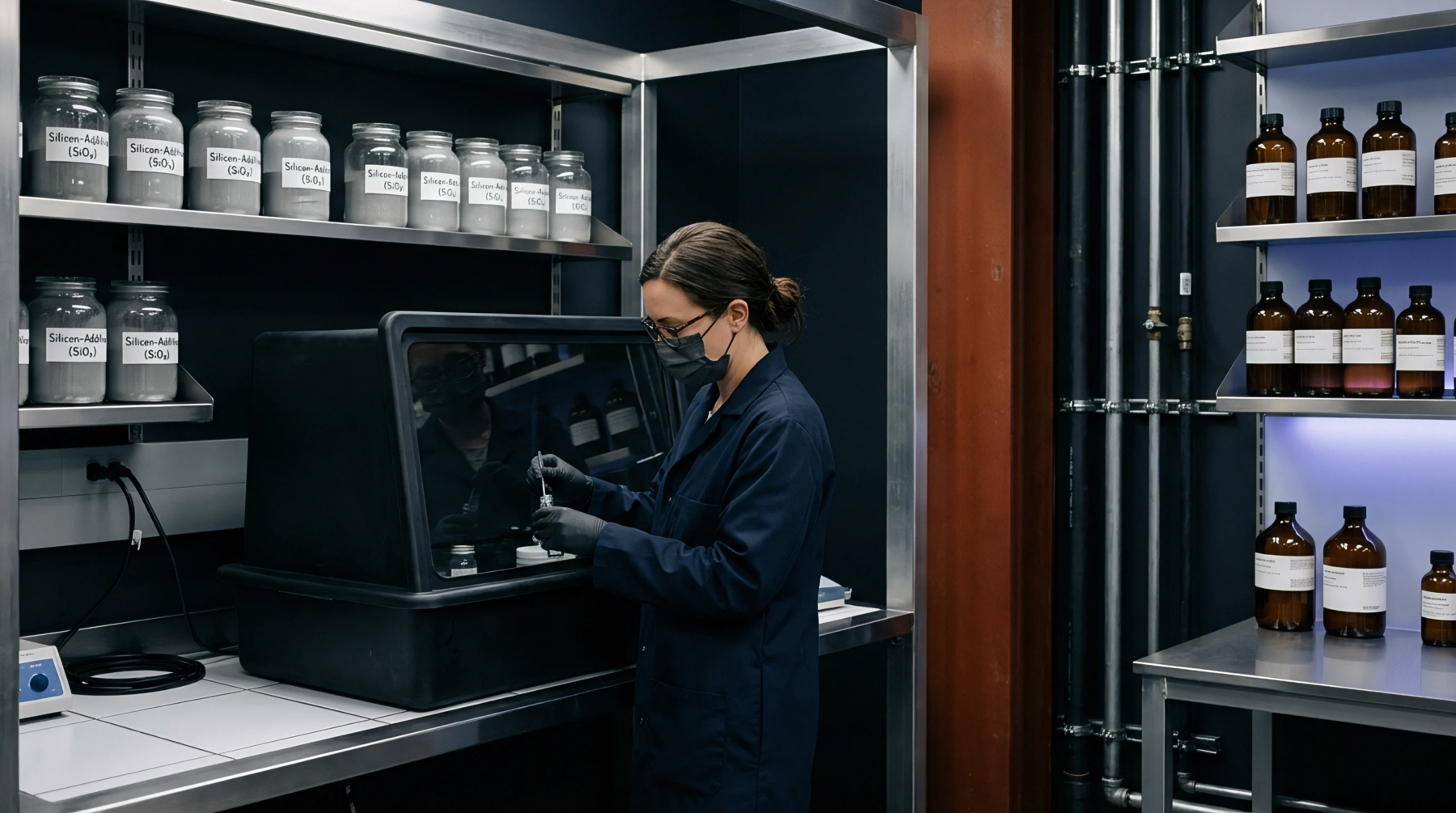
Port entry verification of UN 38.3 test summaries requires cross-referencing laboratory ISO 17025 scope schedules against cell mass and test parameters.

Air cargo acceptance mandates matching UN 38.3.5 test summary parameters against physical carton markings and declaration sheets to prevent ground impoundment.
Importers bear strict legal liability under dangerous goods regulations for invalid UN 38.3 certificates issued by unaccredited subcontracted laboratories.
Importing lithium batteries demands verifying UN 38.3.5 test summaries, ISO 17025 lab scope, state of charge limits, and importer dossier records.
A UN 38.3 test summary requires ten mandatory data fields, lab accreditation validation, and exact serial batch matching to clear dangerous goods air freight.

Verify UN 38.3 test summaries and state-of-charge limits before signing dangerous goods manifest declarations to prevent port seizures and cargo holds.
Expertise is a utility, not a secret. sentiention™ publishes its working knowledge as open reference: intelligence layer covering the materials it sources, the markets it enters, and the reference that serves both.