
Single Crystal Cathode Microstructural Degradation under High Voltage Cycling
High-voltage cycling of single-crystal cathodes causes intragranular cracking along planar glide lines, driving impedance growth and warranty failure.
High-voltage cycling of single-crystal cathodes causes intragranular cracking along planar glide lines, driving impedance growth and warranty failure.

Cathode interphase degradation in high-nickel cells stems from oxidation and structural phase transitions, requiring targeted surface passivations to control impedance.
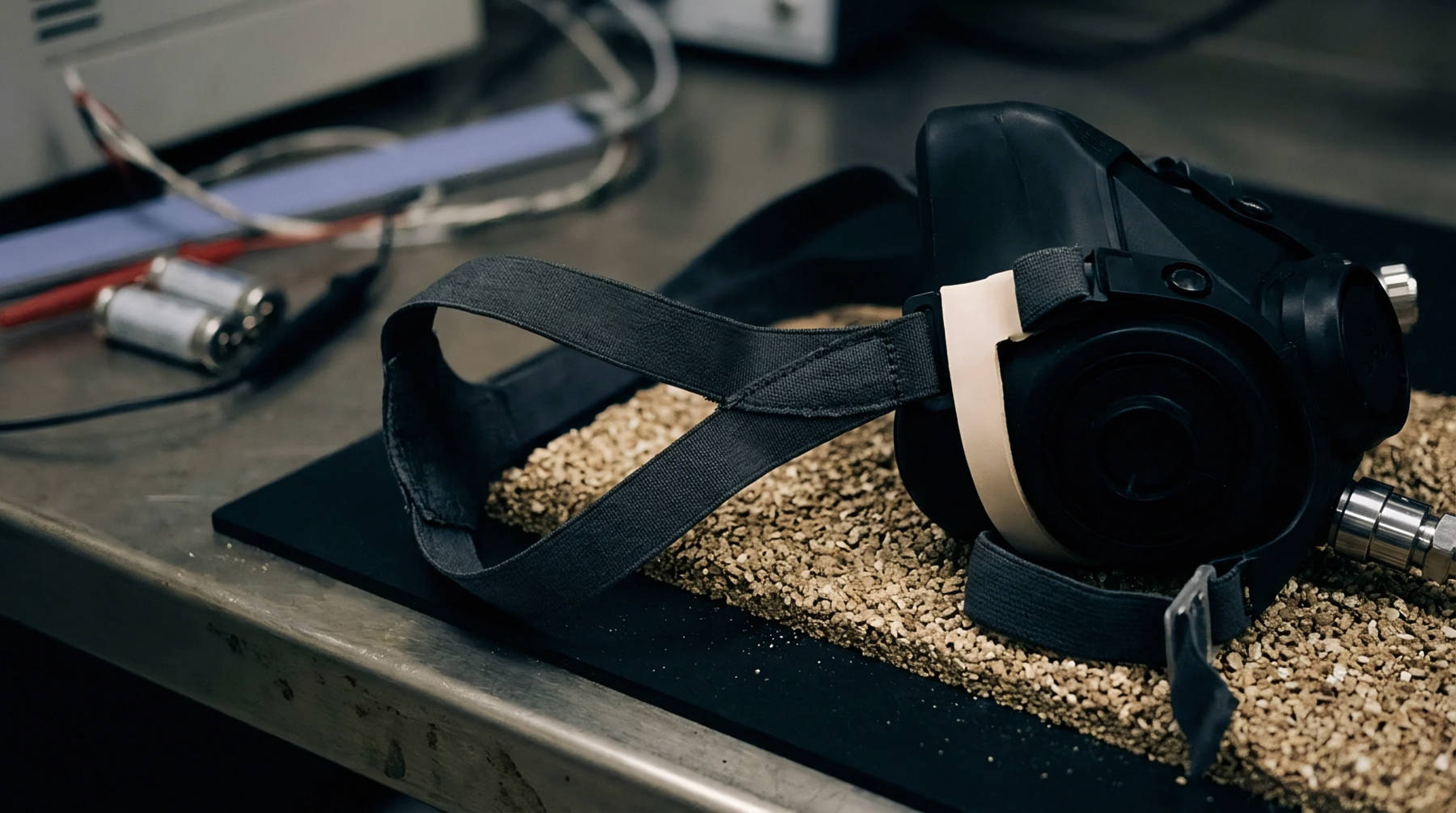
Matching laboratory accreditation schedules against safety test report boundaries prevents unaccredited Annex claims from invalidating compliance files.
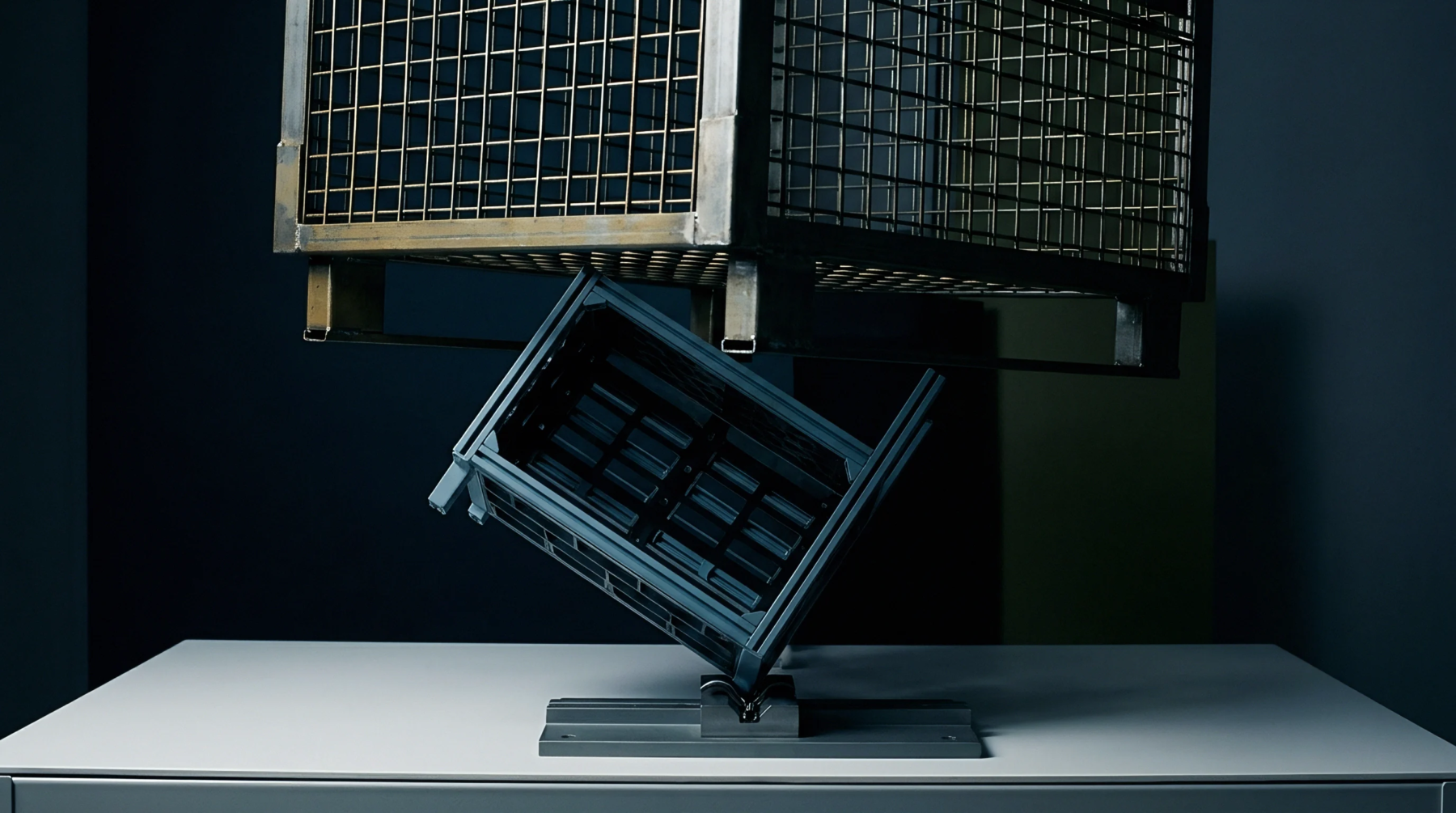
A valid UN 38.3 test summary requires ten standardized data points verified against ISO/IEC 17025 laboratory records before dangerous goods transport acceptance.
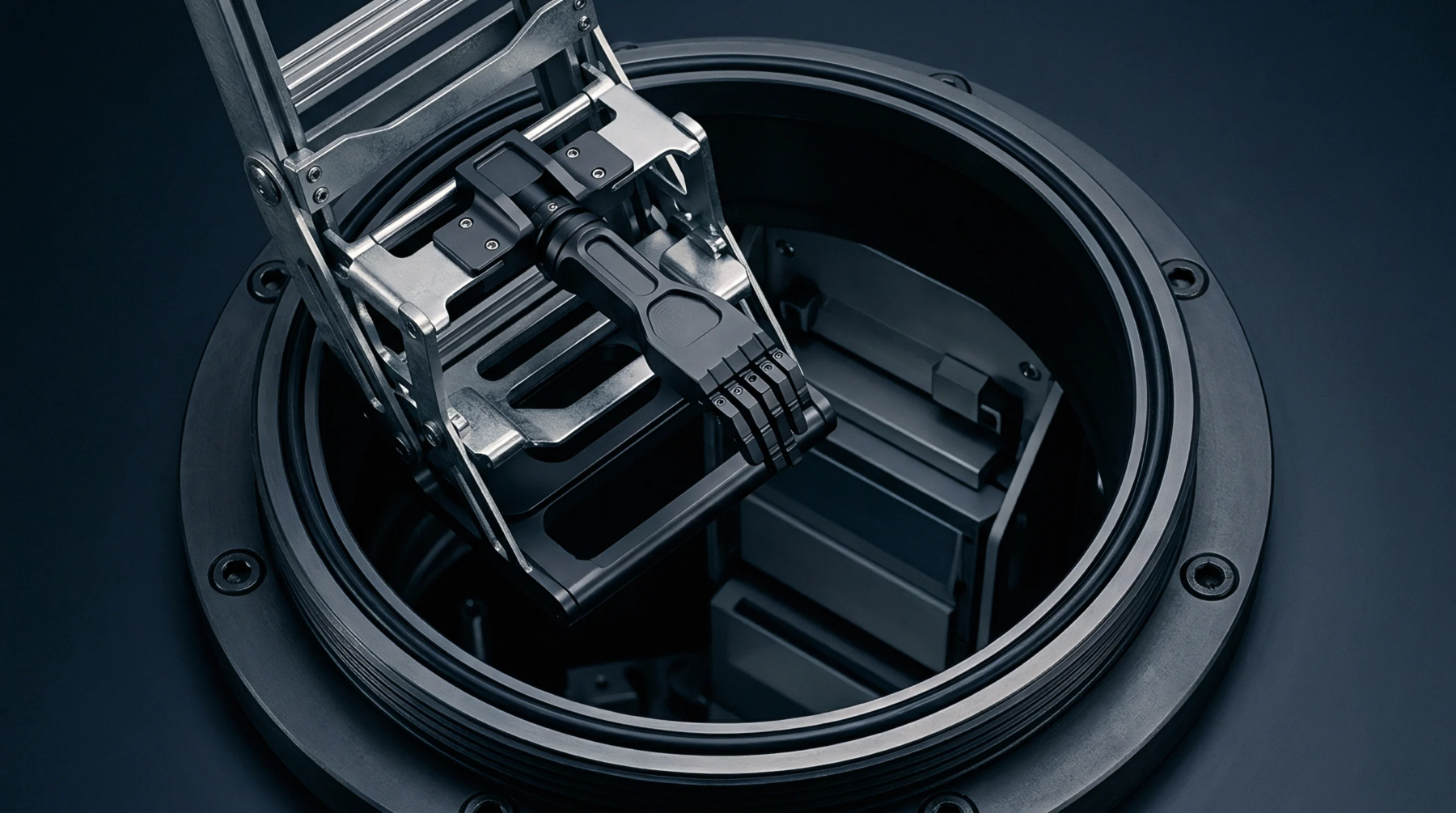
Thermal variance across BESS racks shifts cell knee points early, requiring dQ/dV screening and continuous thermal logging to enforce supplier warranties.

Iron dissolution limits calendar life in grid storage via moisture-driven HF hydrolysis and anode crossover, demanding strict contract moisture limits below 15 ppm.

Differential capacity inspection transforms flat LFP voltage plateaus into peak signatures that isolate active lithium loss and lot variance before assembly.

Quantifying solid electrolyte interphase growth relies on high-precision coulometry and differential capacity to isolate active lithium inventory loss.
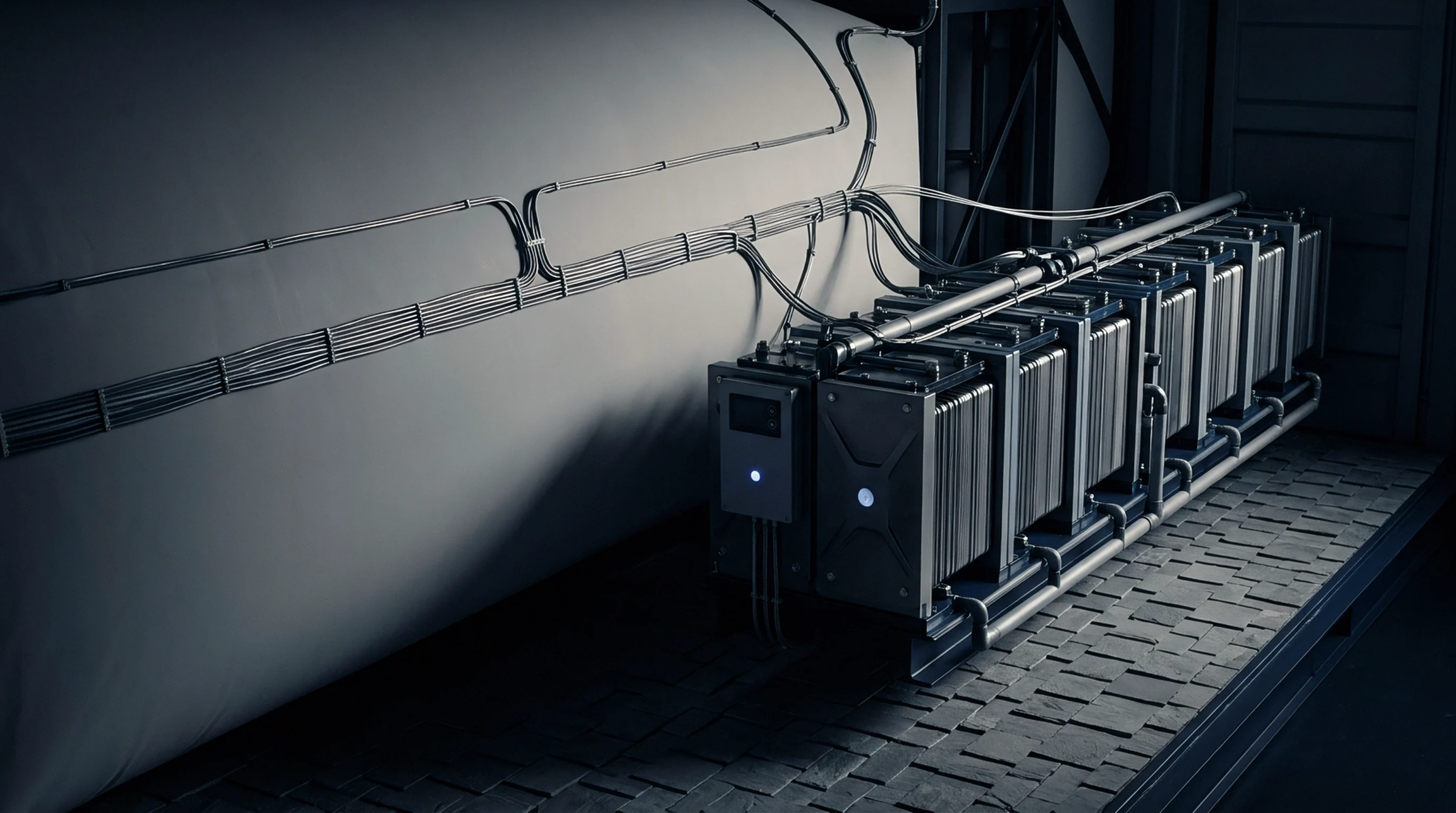
Unsynchronized backplane bus clock jitter distorts dynamic differential capacity peaks, producing artificial kinetic broadness that invalidates cell qualification dossiers.
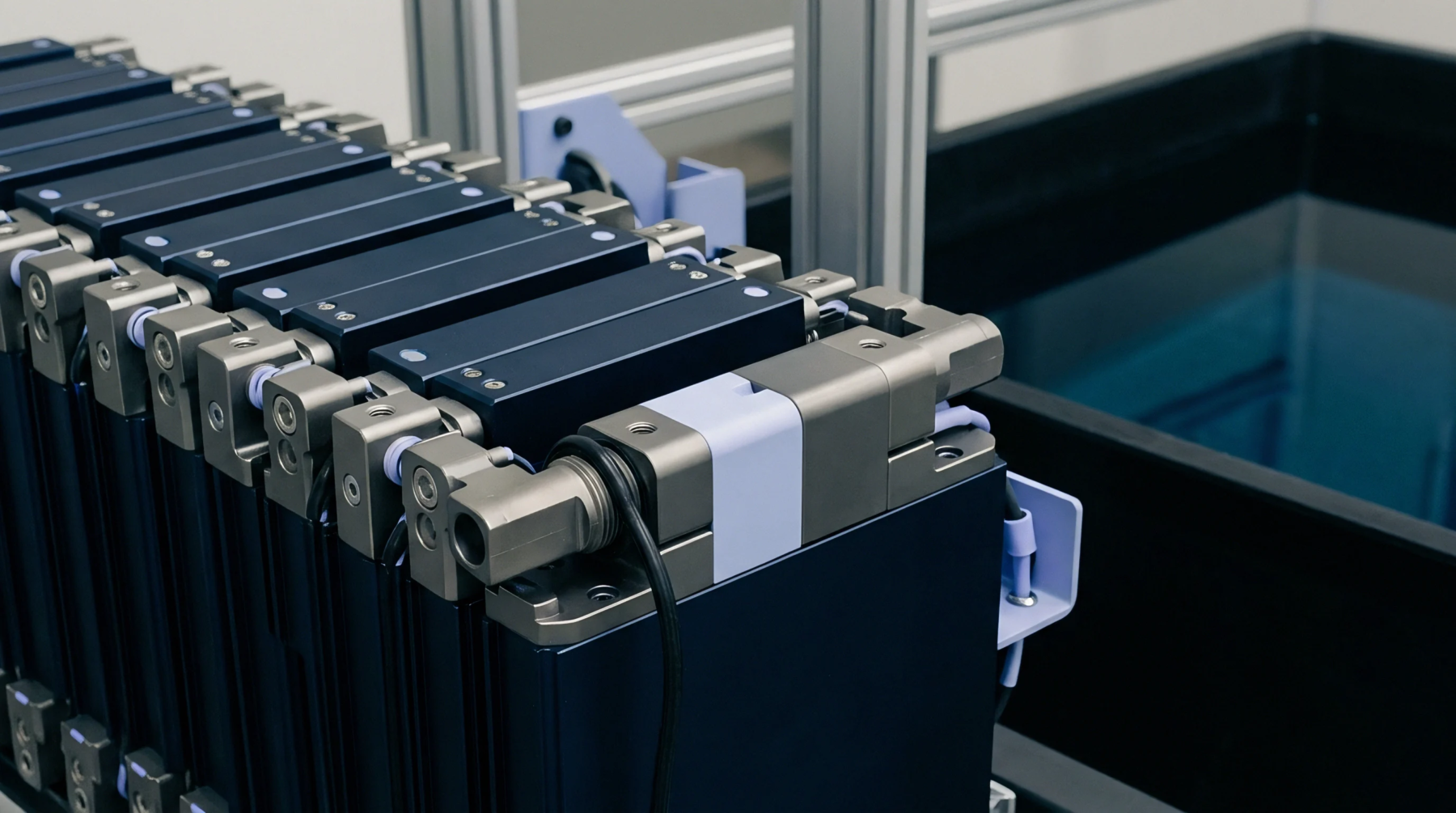
EtherCAT Distributed Clocks compensate hardware line delay to under 100 nanoseconds, preserving phase accuracy in high-frequency battery impedance tests.
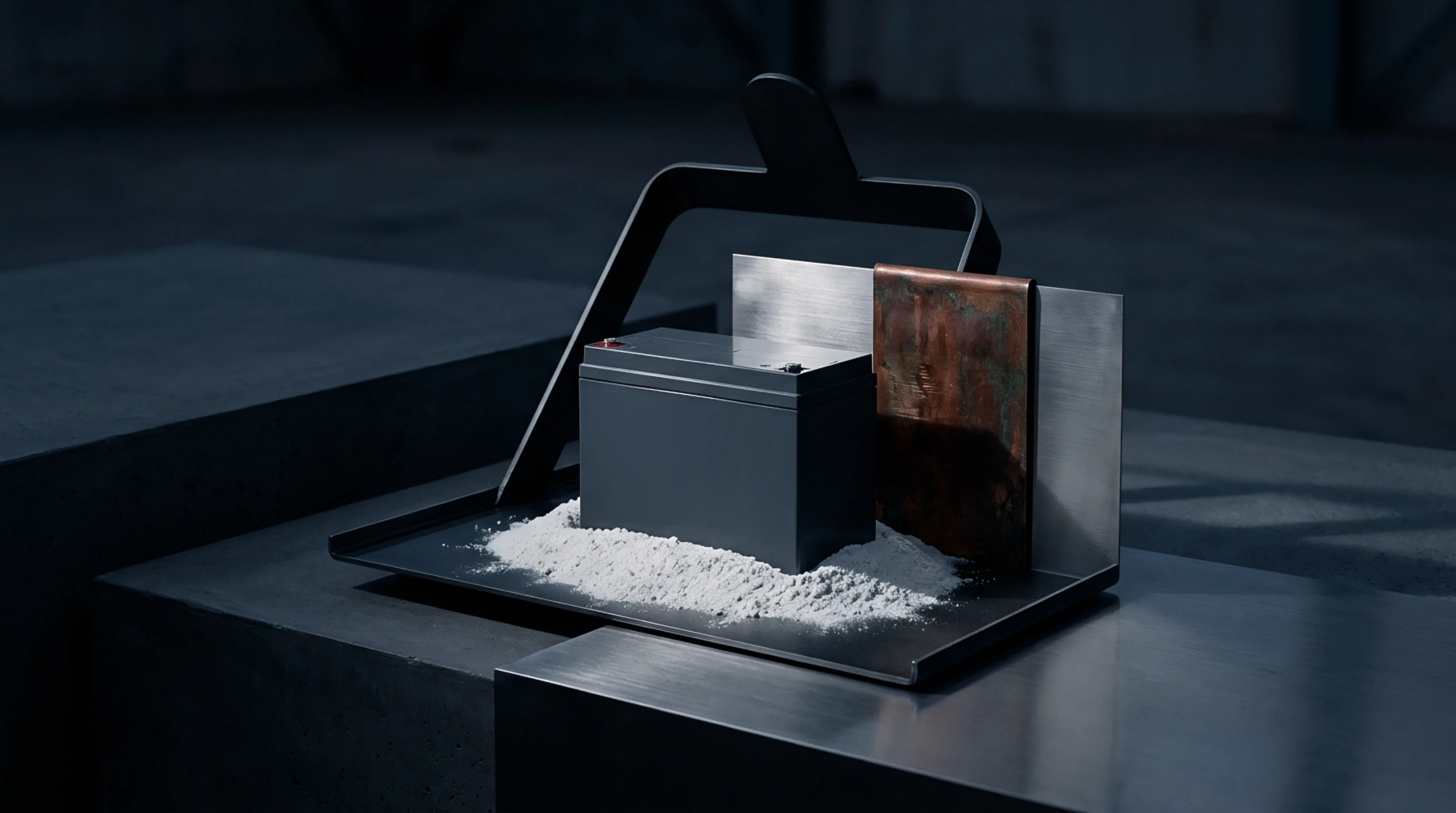
Managing importer of record liabilities requires pre-clearance validation of UN 38.3 records, accurate HTS valuation, and strict hazardous material oversight.

Validate UN 38.3 test summaries by verifying all ten 38.3.5 fields, ISO 17025 lab scope, and cell mass against physical cargo prior to freight tender.

Differential capacity stripping peaks and open-circuit voltage relaxation plateaus detect lithium plating non-destructively before dendritic shorts occur.

Inter-cell aerogel barriers must maintain thermal conductivity under 0.035 W/m·K at compressed end-of-life pressure to prevent domino runaway propagation.
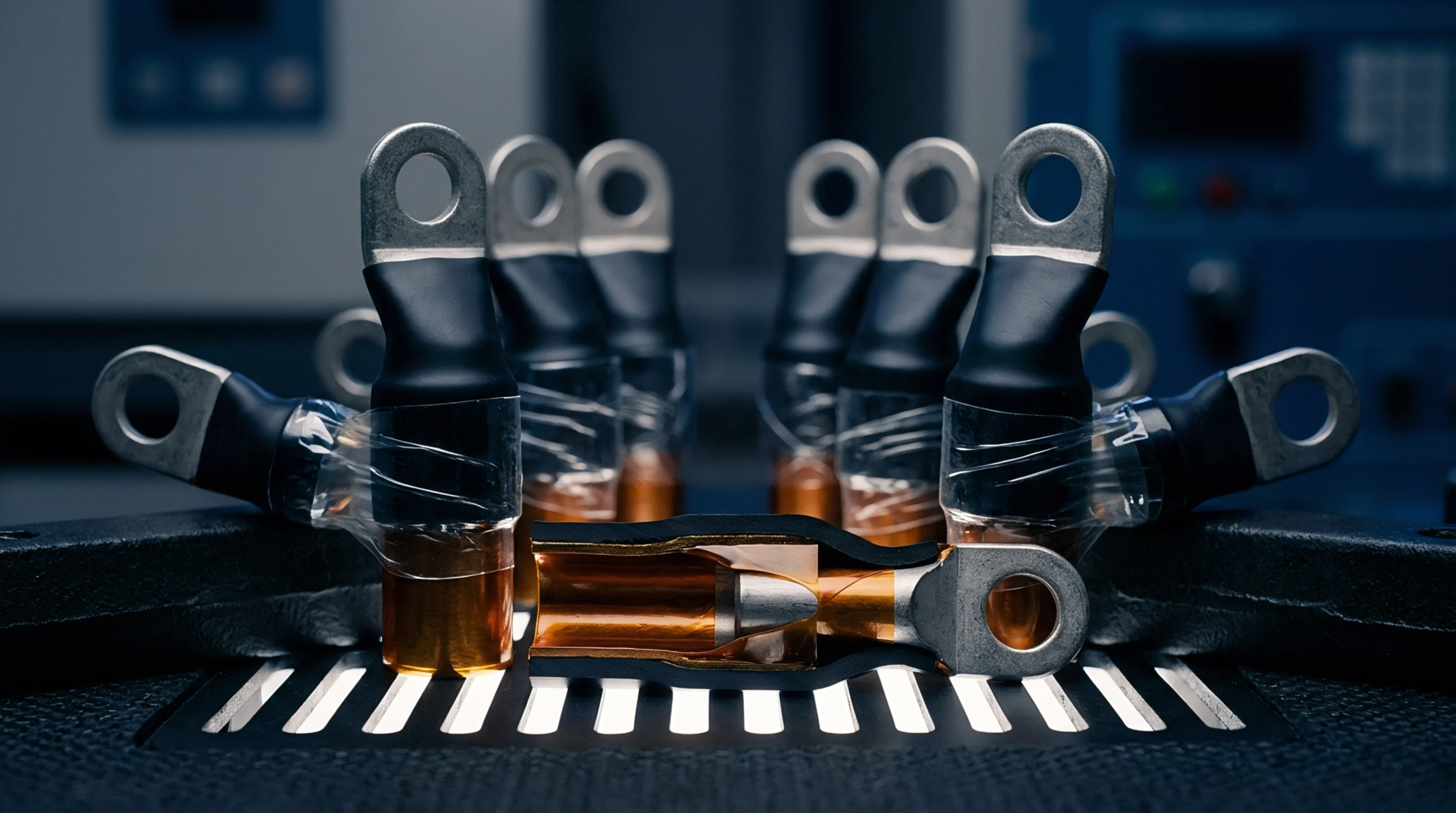
Terminal holds on Class 9 battery shipments trigger compounding hazardous demurrage and carrier liens that force cargo destruction if UN 38.3 defects remain.

Maritime hazardous storage surcharges allocate to the party causing documentation delays unless contracts explicitly cap dwell liability and shift costs.
Expertise is a utility, not a secret. sentiention™ publishes its working knowledge as open reference: intelligence layer covering the materials it sources, the markets it enters, and the reference that serves both.