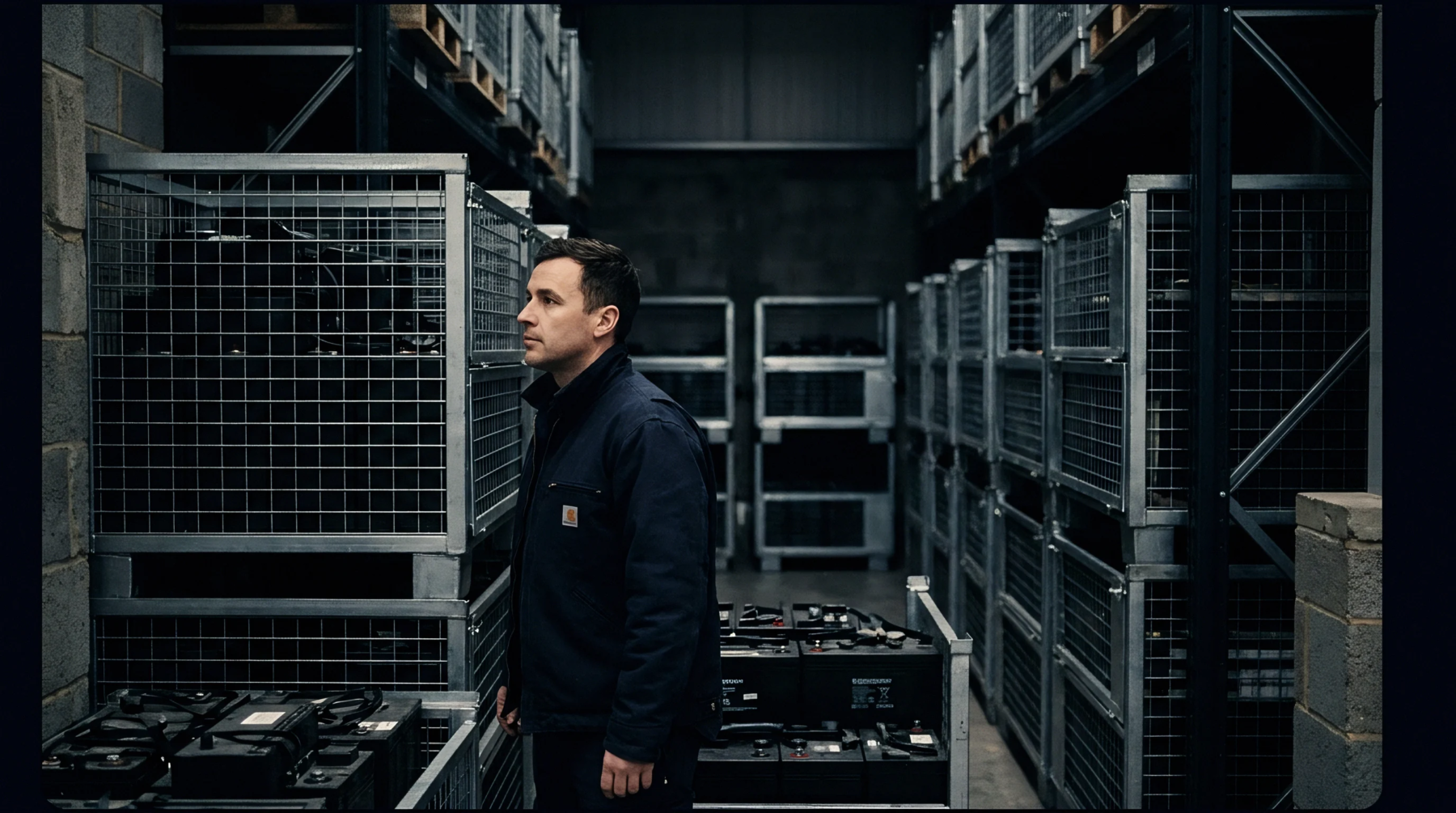
International Maritime Dangerous Goods Stowage for Lithium Batteries
Ocean carriage of lithium batteries demands strict IMDG classification, maximum thirty percent state of charge, Category D weather-deck stowage, and verified UN 38.3 test dossiers.
Ocean carriage of lithium batteries demands strict IMDG classification, maximum thirty percent state of charge, Category D weather-deck stowage, and verified UN 38.3 test dossiers.
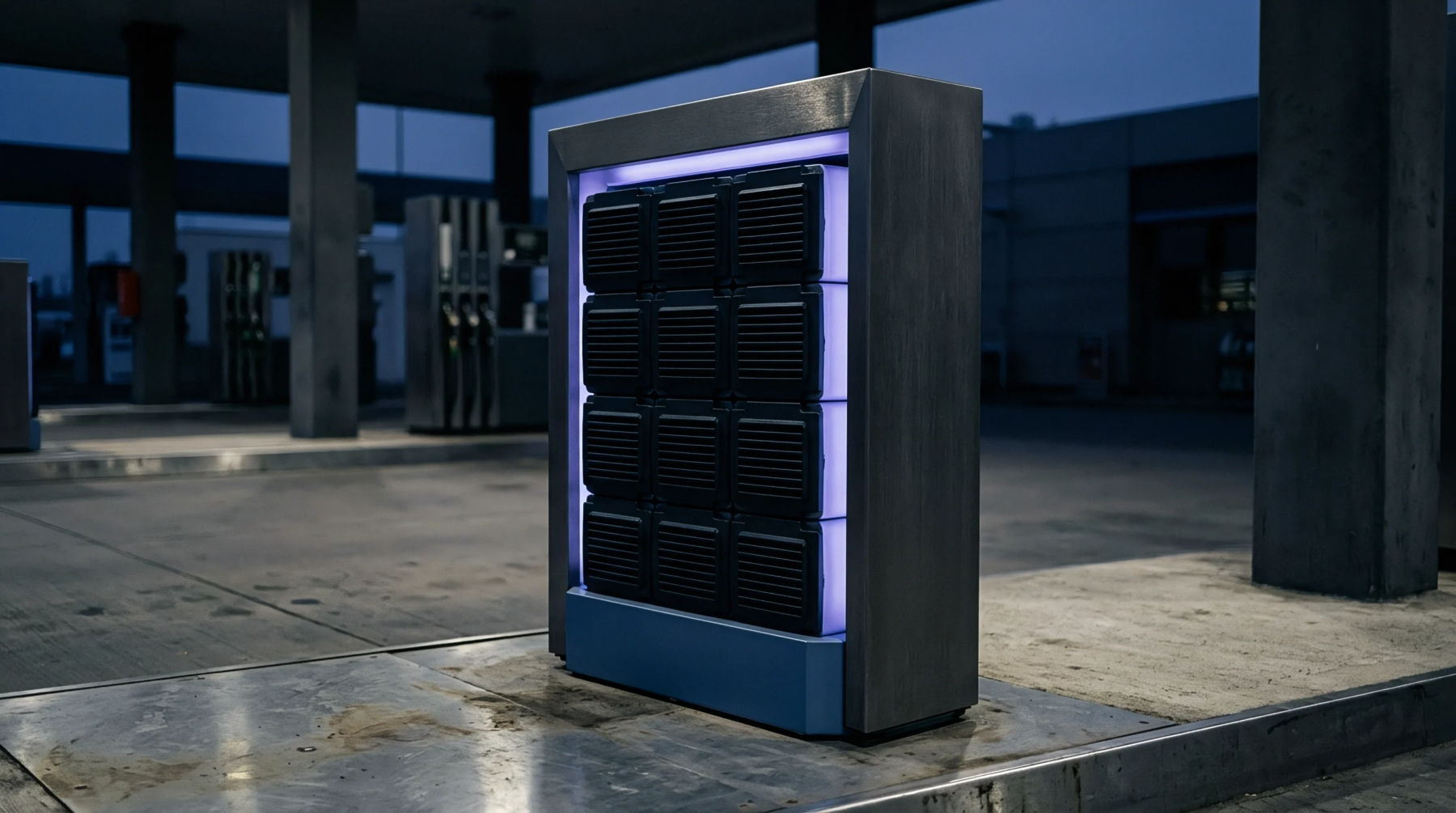
Dynamic pulse impedance screening resolves iron phosphate open-circuit voltage ambiguities during high-throughput airport dangerous goods acceptance inspections.

Air shipment under Packing Instruction 965 demands verified sub-30% charge, UN 38.3 test summaries, and certified packaging strictly for cargo aircraft.
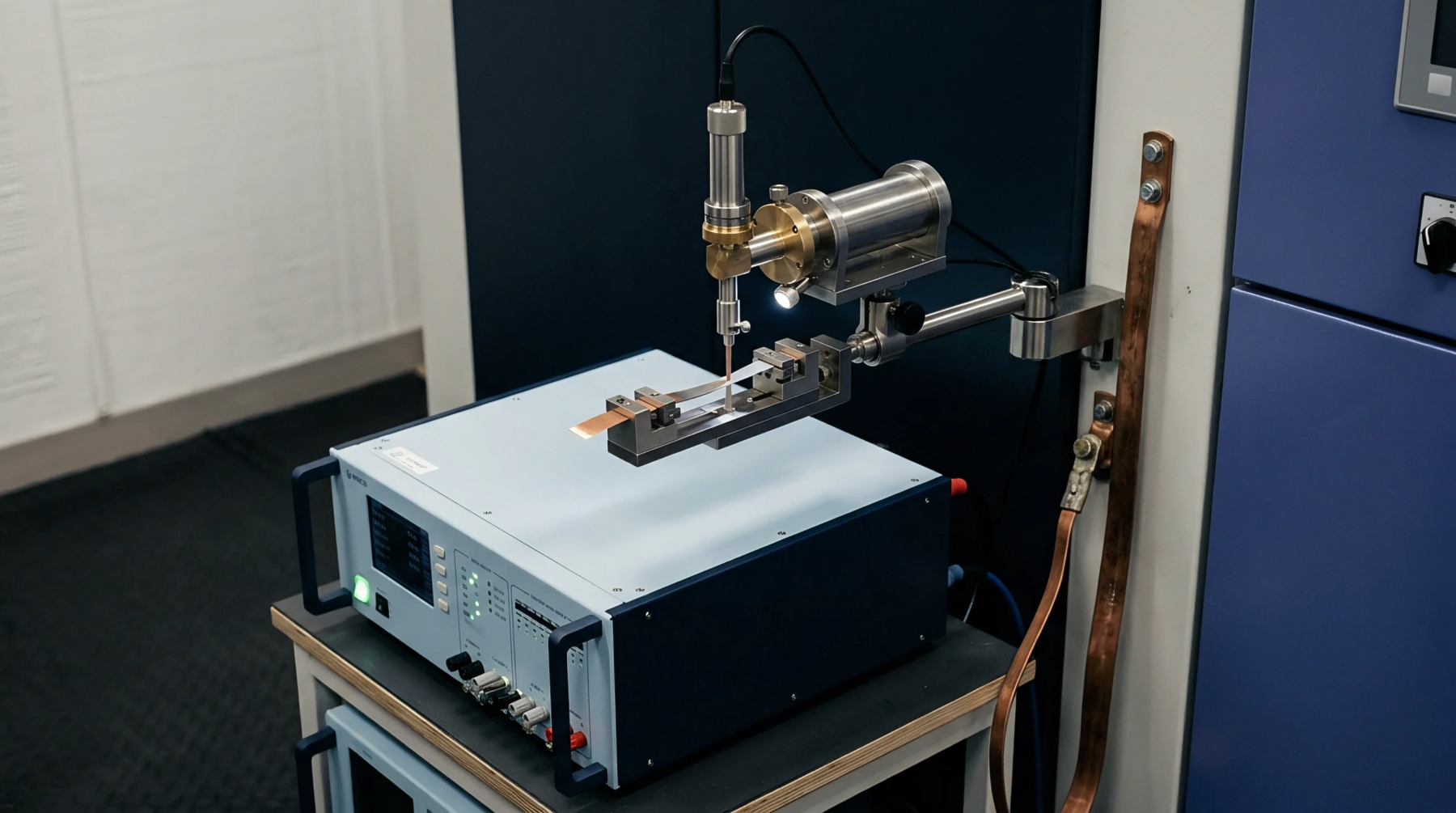
Cross-border multi-cell battery pack shipments demand full UN 38.3 test summaries linking pack serials to verified cell certification records.

UN 38.3 compliance audits require matching cell part numbers, verifying ISO 17025 lab credentials, and locking liability terms before shipping.

Auditing UN 38.3 test summaries requires validating laboratory accreditation, matching cell mass and capacity, and verifying all ten mandatory 38.3.5 items.
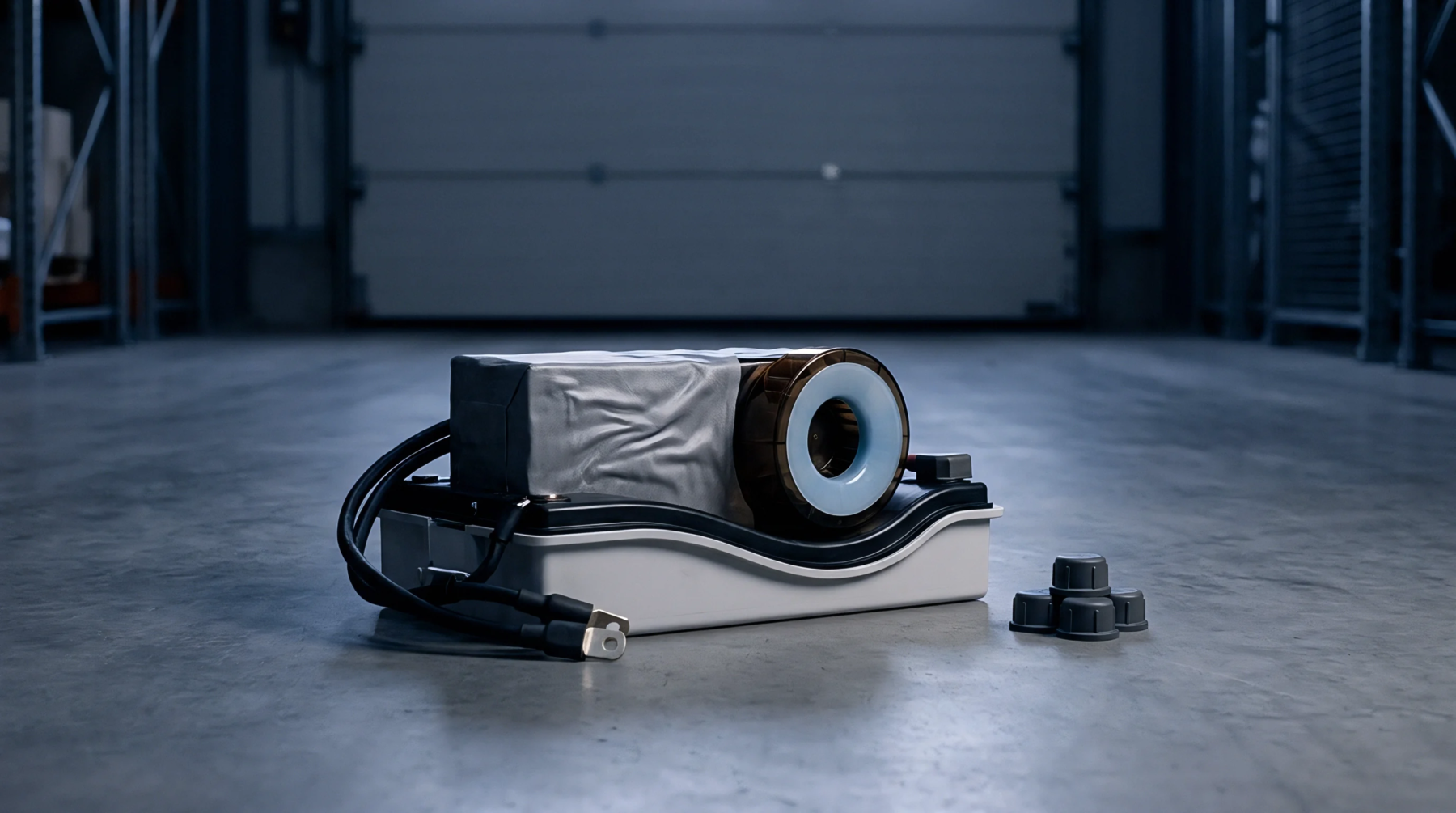
Regulatory file ownership in custom battery pack procurement dictates legal import authority, transport compliance liability, and multi-factory manufacturing rights.

A compliant lithium cell test summary requires ten mandatory UN 38.3.5 fields verified against primary laboratory reports prior to customs filing.

Auditing cell factory quality systems requires rigorous verification of front-end electrode parameters, K-value aging data, and UN 38.3 dangerous goods files.

Microsecond sampling delays between voltage and current channels induce phase skews that corrupt pulse impedance values, requiring clock-synchronized acquisition.

Prototype cell shipments require competent authority permits and Packing Group I containment while contracts shift all carrier diversion risks to shippers.

Air cargo battery acceptance requires verifying UN 38.3 test summaries, SDS transport details, and DGD packaging instructions against physical cargo labels.

Active lithium loss during transport stems from temperature-driven side reactions and requires differential voltage screening before contract acceptance.

Differential capacity analysis resolves cell degradation modes to verify manufacturing batch consistency and validate regulatory shipping state.

Cathode surface phase stability verification prevents sudden impedance growth and thermal instability by auditing spectroscopic depth profiles and impedance growth.

Statistical verification of raw binary cycler logs isolates hardware noise floors, timestamp jitter, and kinetic pulse responses to prevent cell lot fraud.

Arbitrate fraudulent foreign battery test summaries by carving out liability caps, enforcing awards via the New York Convention, and escrowing pre-shipment payments.
Validate foreign cell ISO/IEC 17025 scope annexes for specific test standards before signing purchase contracts to prevent customs holds and uninsurable liability.

Hazardous battery storage accelerates to peak penalties within 48 hours; halting accruals requires immediate bonded drayage to an off-dock facility.

Indemnification clauses shift cargo liability, but uncertified ocean shipments face mandatory vessel hold exclusions and non-negotiable P&I club coverage forfeitures.
Harmonizing bonded custody with third-country PPAs requires hourly registry retirements linked directly to customs batch entry declarations.

Customs transit declarations suspend duty and import VAT on industrial cells by binding the carrier to an active financial guarantee until inland discharge.

Lithium cell transit mandates Class 9 classification, certified UN 38.3 summaries, verified low charge states, and rigid UN-spec packaging across air and sea.

Primary duty rates for lithium cells depend on HTSUS 8506 versus 8507 lines, cathode chemistry formulation, assists valuation, and Section 301 exposure.

Standardized diagnostic recalibration uses thermodynamic dQ/dV peak alignment and cubic splines to correct reference drift in battery transport safety files.

Maintain beginning of life cell preload between 0.08 and 0.15 MPa to prevent electrode delamination while preventing separator collapse and end plate deformation.

Validate UN 38.3 test summaries by matching all ten required section 38.3.5 fields against physical cell metrics before filing import declarations.

Solid-state cell import verification requires modified UN 38.3 testing under active stack pressure and UN 3090 dangerous goods compliance.

Validate UN 38.3 test summaries against accredited laboratory databases to ensure mandatory data compliance and prevent cross-border shipment seizures.

Customs entry demands an exact match between shipping papers, physical box markings, and UN 38.3 test summary values to prevent cargo holds and fines.
Expertise is a utility, not a secret. sentiention™ publishes its working knowledge as open reference: intelligence layer covering the materials it sources, the markets it enters, and the reference that serves both.