
UN 38.3 Dangerous Goods Compliance for Ocean Container Holds
UN 38.3 compliance for ocean freight requires valid 38.3.5 summaries, strict 30 percent state of charge limits, and heat-isolated container hold stowage.
UN 38.3 compliance for ocean freight requires valid 38.3.5 summaries, strict 30 percent state of charge limits, and heat-isolated container hold stowage.

UN 38.3 compliance audits require matching cell part numbers, verifying ISO 17025 lab credentials, and locking liability terms before shipping.

Subcontracted lab exclusions in UN 38.3 summaries trigger port entry holds; buyers must cross-reference ISO 17025 scopes against parameter schedules.

Cross-reference lab ISO 17025 schedules against UN 38.3 revisions, mass limits, and test sub-clauses to prevent carrier cargo rejections and customs seizures.

Auditing UN 38.3 test reports demands checking T.1-T.8 raw parameters, verifying UN 38.3.2.2 design modification thresholds, and validating ISO 17025 test summaries.
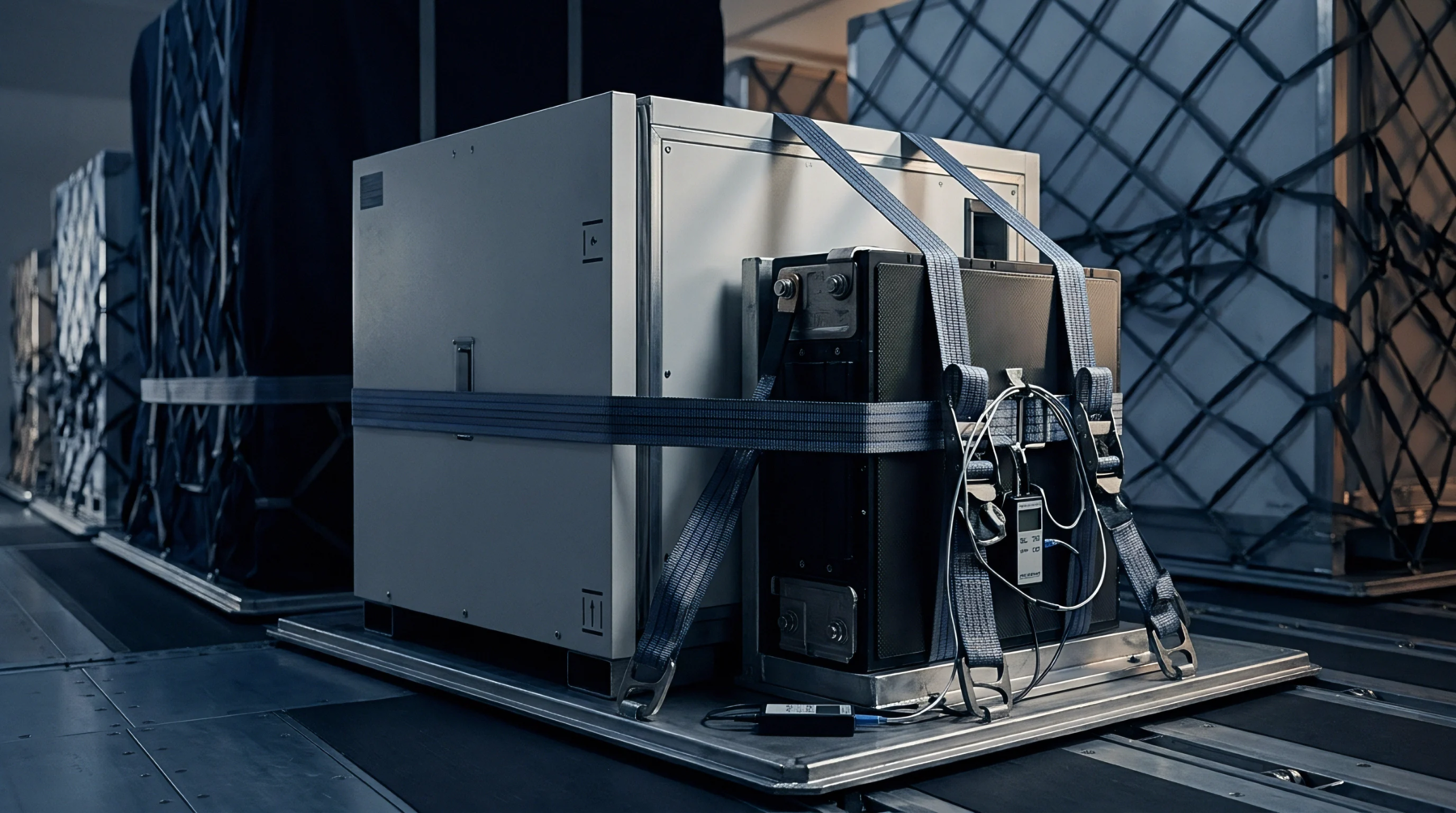
Verify UN 38.3 test summaries against physical cell markings and ISO 17025 lab databases before dispatch to prevent customs seizure and terminal demurrage.

Importers carry strict liability for invalid UN 38.3 certificates when subcontracted labs lack accredited scope, driving mandatory direct accreditation audits.
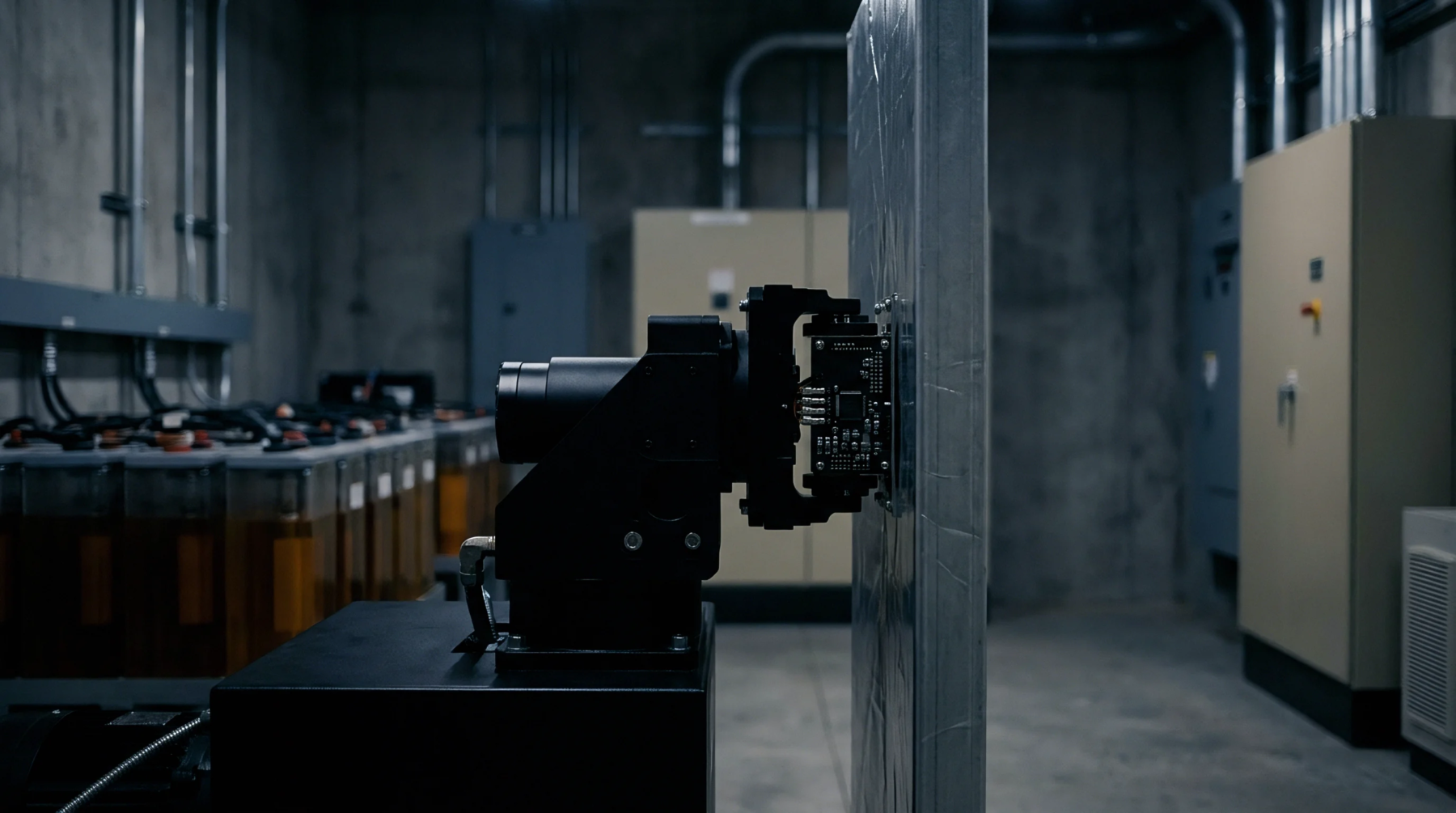
Air freight acceptance demands verifying all ten UN 38.3.5 fields against physical cargo labels to prevent cargo holds, civil fines, and insurance voidance.

Port entry verification of UN 38.3 test summaries requires cross-referencing laboratory ISO 17025 scope schedules against cell mass and test parameters.

Air cargo acceptance mandates matching UN 38.3.5 test summary parameters against physical carton markings and declaration sheets to prevent ground impoundment.

Importing lithium batteries demands verifying UN 38.3.5 test summaries, ISO 17025 lab scope, state of charge limits, and importer dossier records.
A UN 38.3 test summary requires ten mandatory data fields, lab accreditation validation, and exact serial batch matching to clear dangerous goods air freight.

Verify UN 38.3 test summaries and state-of-charge limits before signing dangerous goods manifest declarations to prevent port seizures and cargo holds.
Expertise is a utility, not a secret. sentiention™ publishes its working knowledge as open reference: intelligence layer covering the materials it sources, the markets it enters, and the reference that serves both.