
Interpreting Voltage Relaxation Curves during Early Standby Storage
Early standby voltage relaxation reflects transport gradients rather than equilibrium, requiring calculated hold times to prevent costly cell sorting errors.

Early standby voltage relaxation reflects transport gradients rather than equilibrium, requiring calculated hold times to prevent costly cell sorting errors.
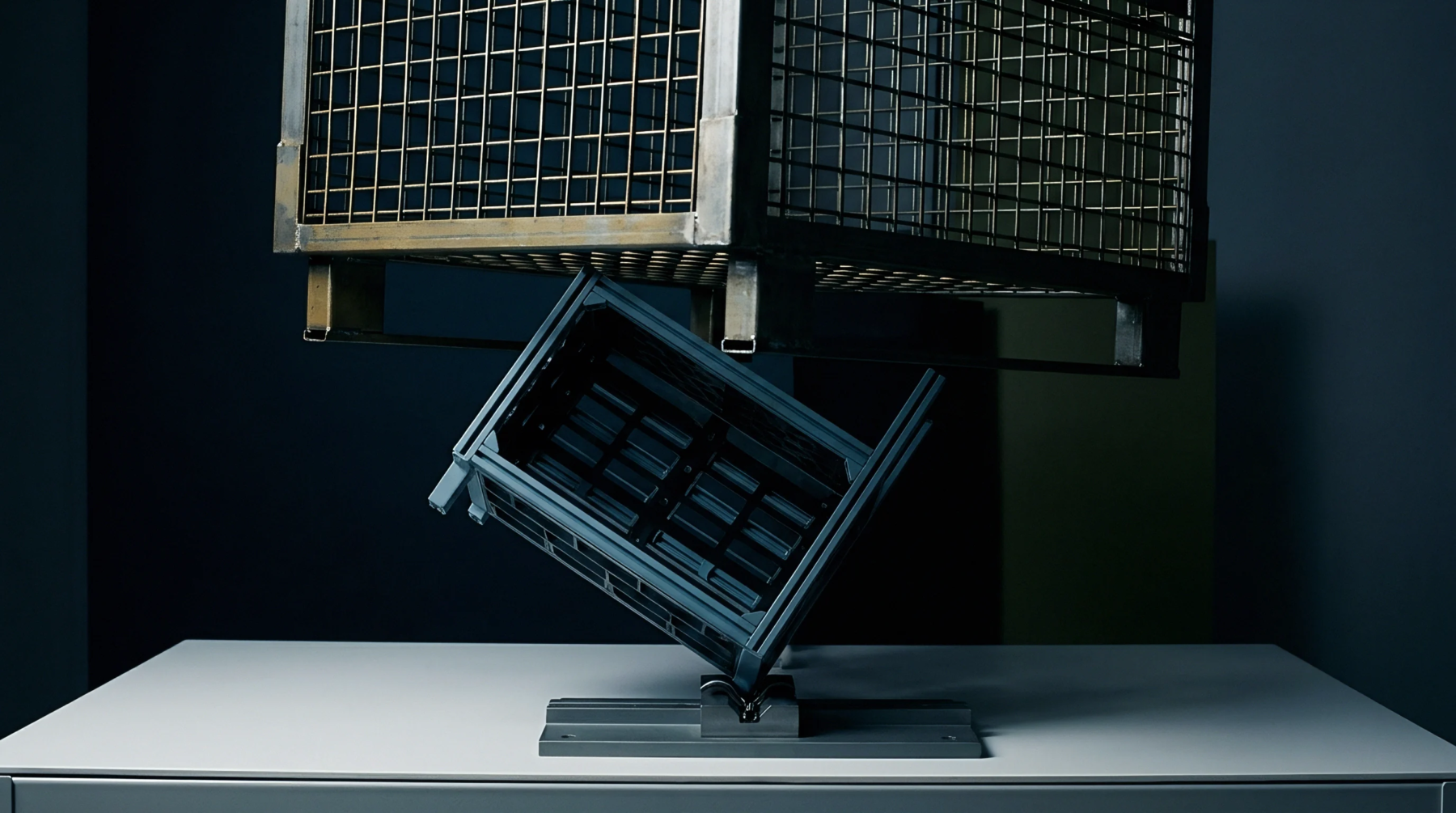
Auditing lithium battery import files requires verifying UN 38.3 test summary elements, packing instruction parameters, and lab scopes before releasing payment.

Verifying UN 38.3 battery test summaries against accredited laboratory scope databases prevents custom holds, freight rejections, and legal import liabilities.

Powder metallurgy tool steel selection balances carbide volume fraction against fracture toughness to extend die life in battery foil slitting and cell drawing.

Dynamic warehouse temperature fluctuations mask micro short self-discharge by shifting open-circuit voltage beyond true electrochemical decay thresholds.
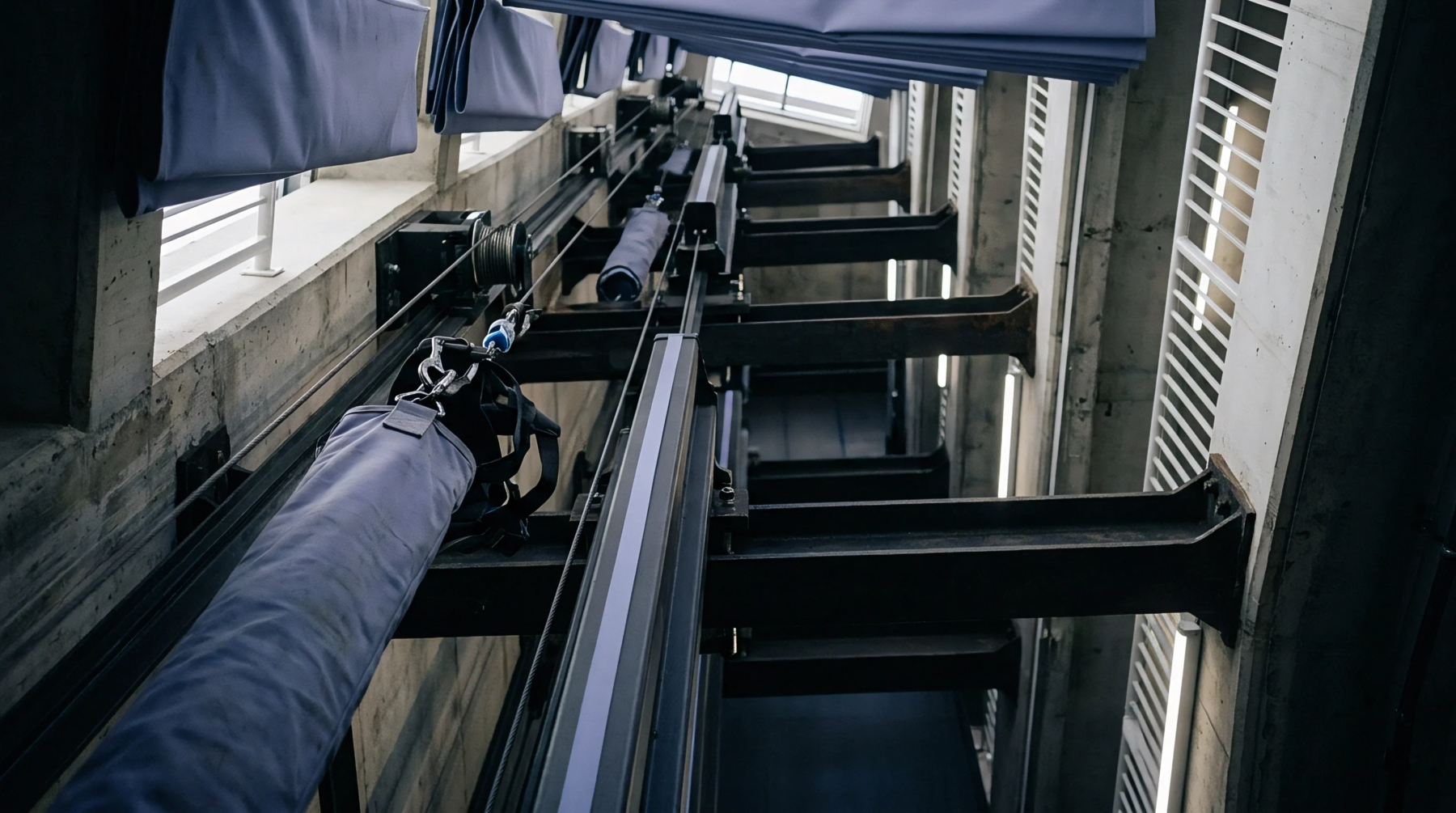
Resolving cell and pack transport test discrepancies demands matching ISO/IEC 17025 laboratory data, cell mass specs, and BMS parameters before freight tender.

Decoupling bulk diffusion from interfacial degradation requires low-frequency relaxation spectroscopy paired with dynamic stack pressure control.

High-frequency ultrasonic attenuation and eddy current phase shifts isolate carbide microsegregation in PM tool steel stock before precision die machining.
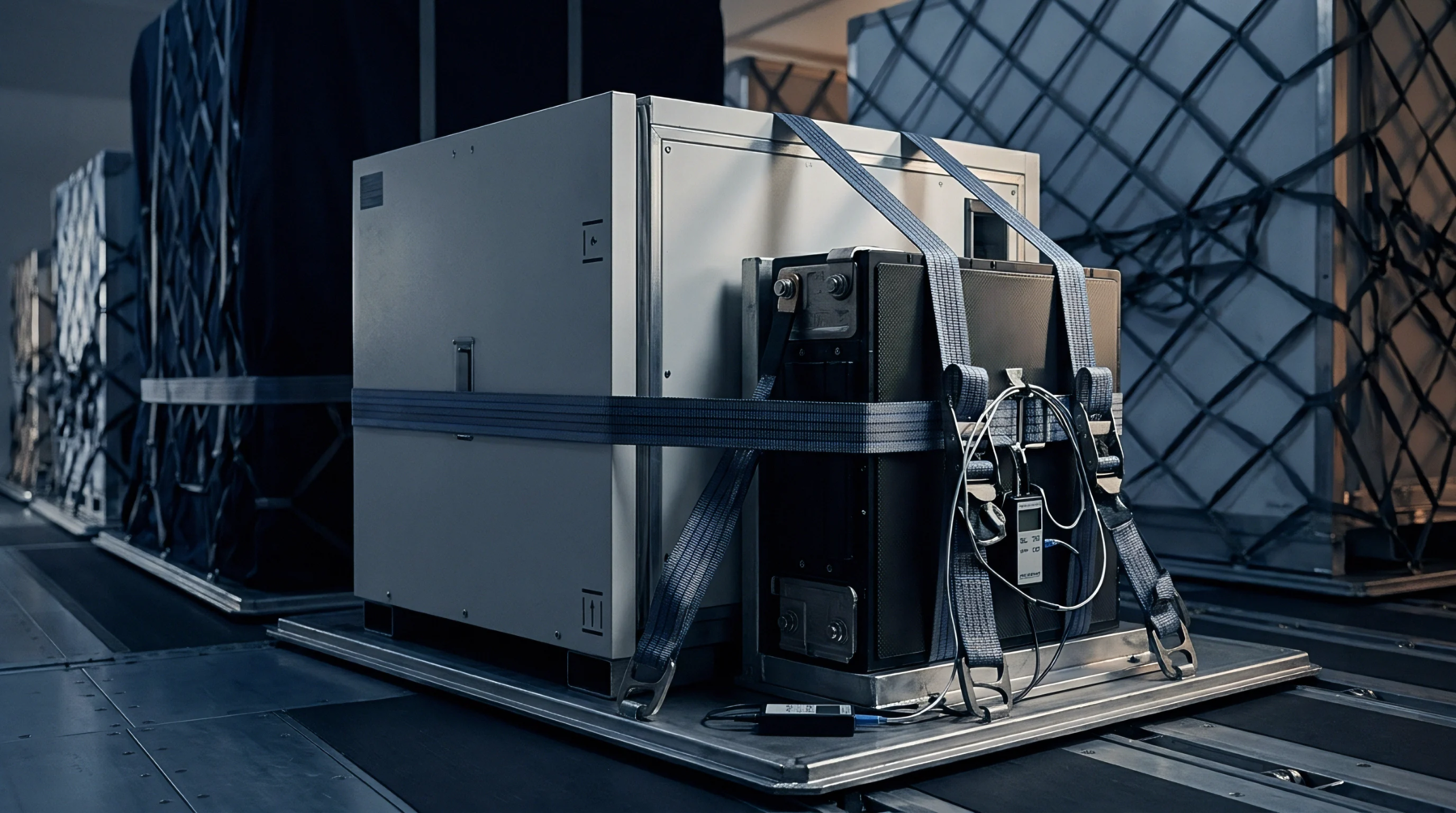
Auditing UN 38.3.5 summary certificates against IATA air packing instructions requires cross-referencing cell test data, Watt-hour limits, and 30% state of charge.

Submicron carbide grain sizing paired with sub-micrometer axial runout holds slitting burr heights below four micrometers across high-speed battery web lines.

High current density presodiation accelerates organic electrolyte reduction, driving rapid SEI growth and localized gas entrapment that destabilize anode interfaces.

Validate UN 38.3 test summaries by verifying all ten 38.3.5 fields, ISO 17025 lab scope, and cell mass against physical cargo prior to freight tender.

Sacrificial additives form inorganic-rich interphases that stabilize film resistance and double sodium-ion cell cycle life when additive consumption kinetics are controlled.

Uniform submicron carbide distribution in PM steels and tungsten carbide tooling prevents edge pull-out, holding electrode foil burrs under seven micrometers.
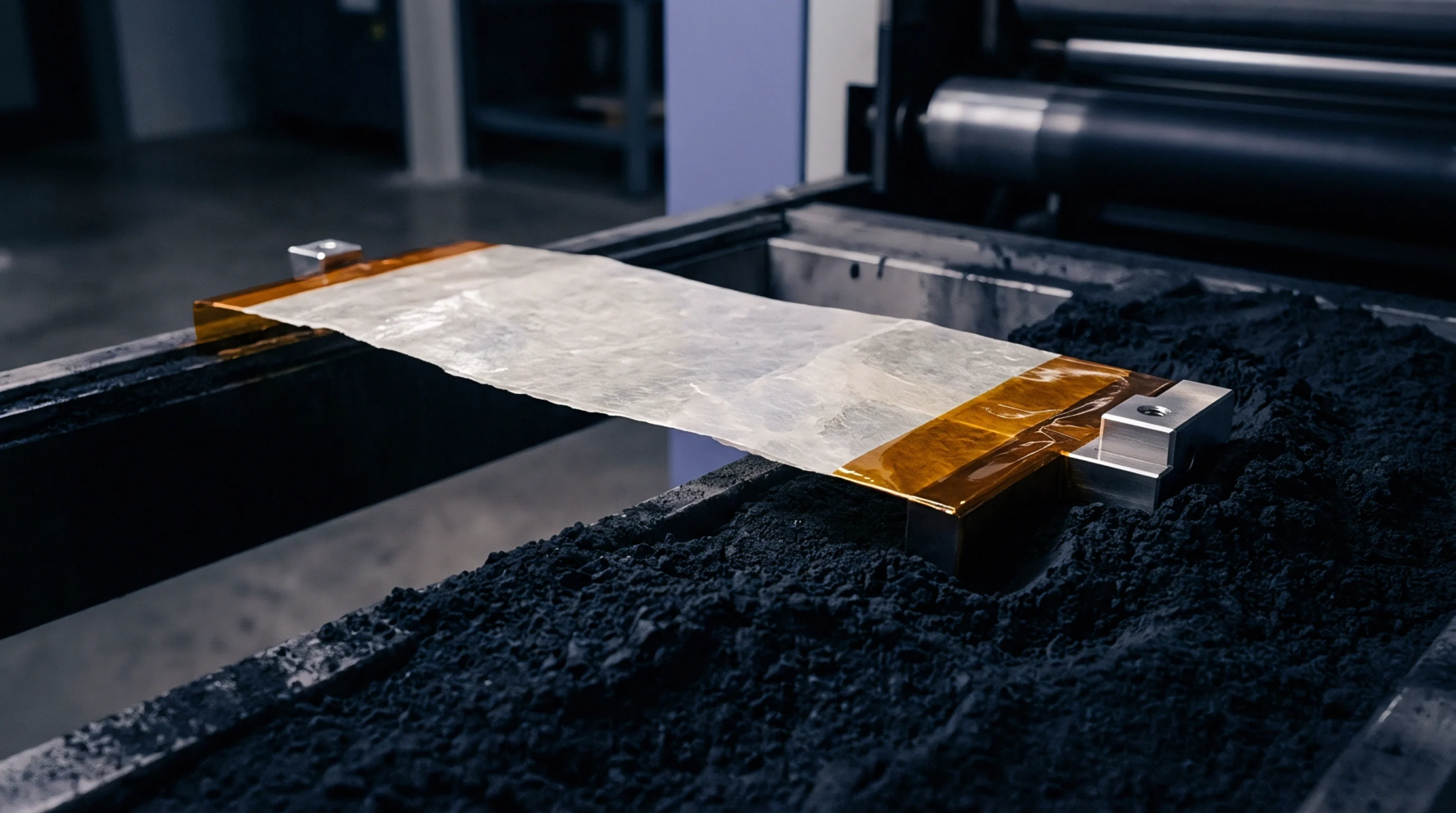
Sacrificial preloading offsets hard carbon initial coulombic efficiency losses to elevate sodium ion cell energy density above 150 Wh/kg.

Laser weld crack propagation in sulfide media relies on combined DCPD tracking and beam-wobble alloy control to prevent stress corrosion failures.

Dynamic mass spectrometry isolates secondary outgassing in high-temperature sodium storage to prevent seal degradation and structural vacuum failure.

Uncompensated resistance shifts in silicon-graphite anodes mask transient lithium plating risks, invalidating fast-charging safety files during audit.
Finite element modeling of laser welds under cathode expansion requires non-linear kinematic hardening and DIC-calibrated joint shear strain profiles.
Aluminum cell headers require helium leak testing below 10^-8 mbar L/s with cold-trap filtration to prevent H2S outgassing from blinding mass spec sensors.
Expertise is a utility, not a secret. sentiention™ publishes its working knowledge as open reference: intelligence layer covering the materials it sources, the markets it enters, and the reference that serves both.