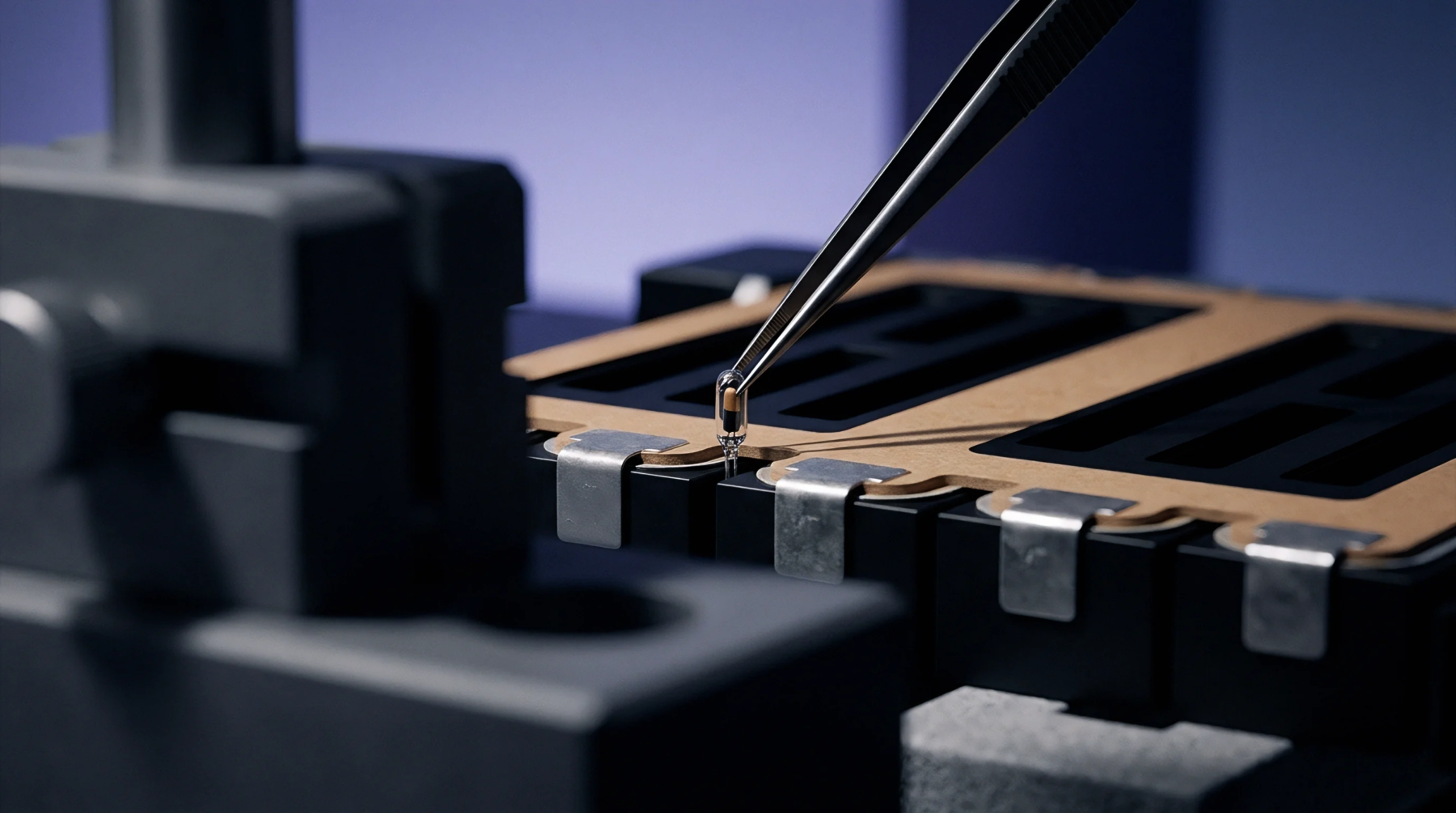
Differential Capacity Curve Distortion Caused by Surface Temperature Gradients
Surface temperature gradients distort differential capacity curves by desynchronizing parallel electrode phase transitions, causing false capacity fade signals.

Surface temperature gradients distort differential capacity curves by desynchronizing parallel electrode phase transitions, causing false capacity fade signals.

Microstructural FEA proves thermal transient stress accelerates separator creep collapse, demanding strict cell stack pressure limits to prevent micro-shorts.
Intra-cell thermal gradients skew differential capacity signals, masking true health states and invalidating supply contract warranty baselines.

Intra-cell thermal gradients distort electrochemical signals, leading diagnostic tools to mistake thermal smearing for capacity loss; gradient-aware math prevents premature pack retirement.
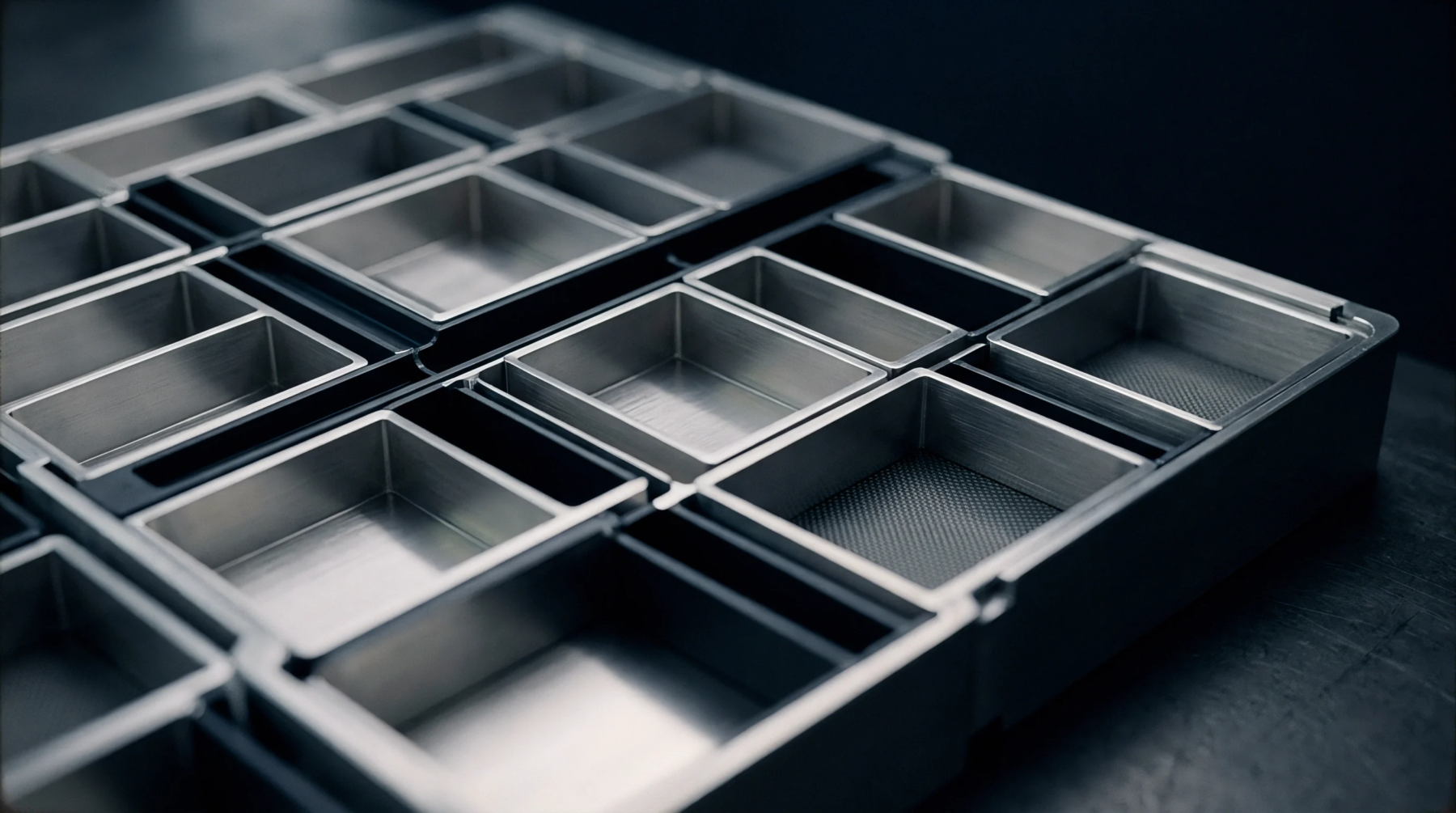
Predictive thermal fatigue FEA prevents tray mold failure by mapping strain range histories to Coffin-Manson models before cutting expensive die steel.
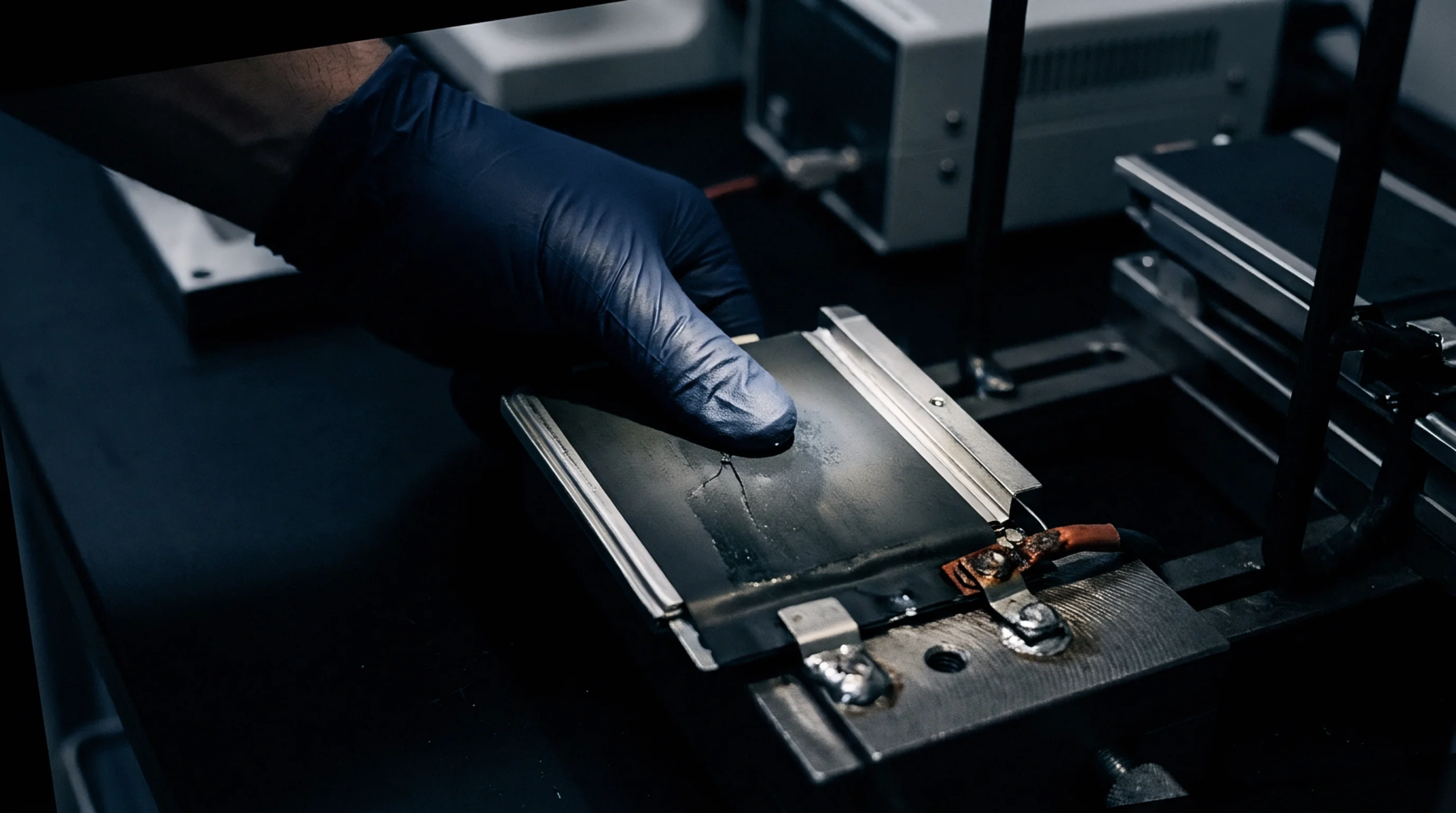
Spatial thermal gradients smearing dQ/dV curves break zero-dimensional degradation models, requiring localized thermal correction to isolate true active lithium loss.

Inert gas atomization of tool steels requires precise superheat control, supersonic argon nozzles, and closed-loop gas recycling to yield dense spherical powders.
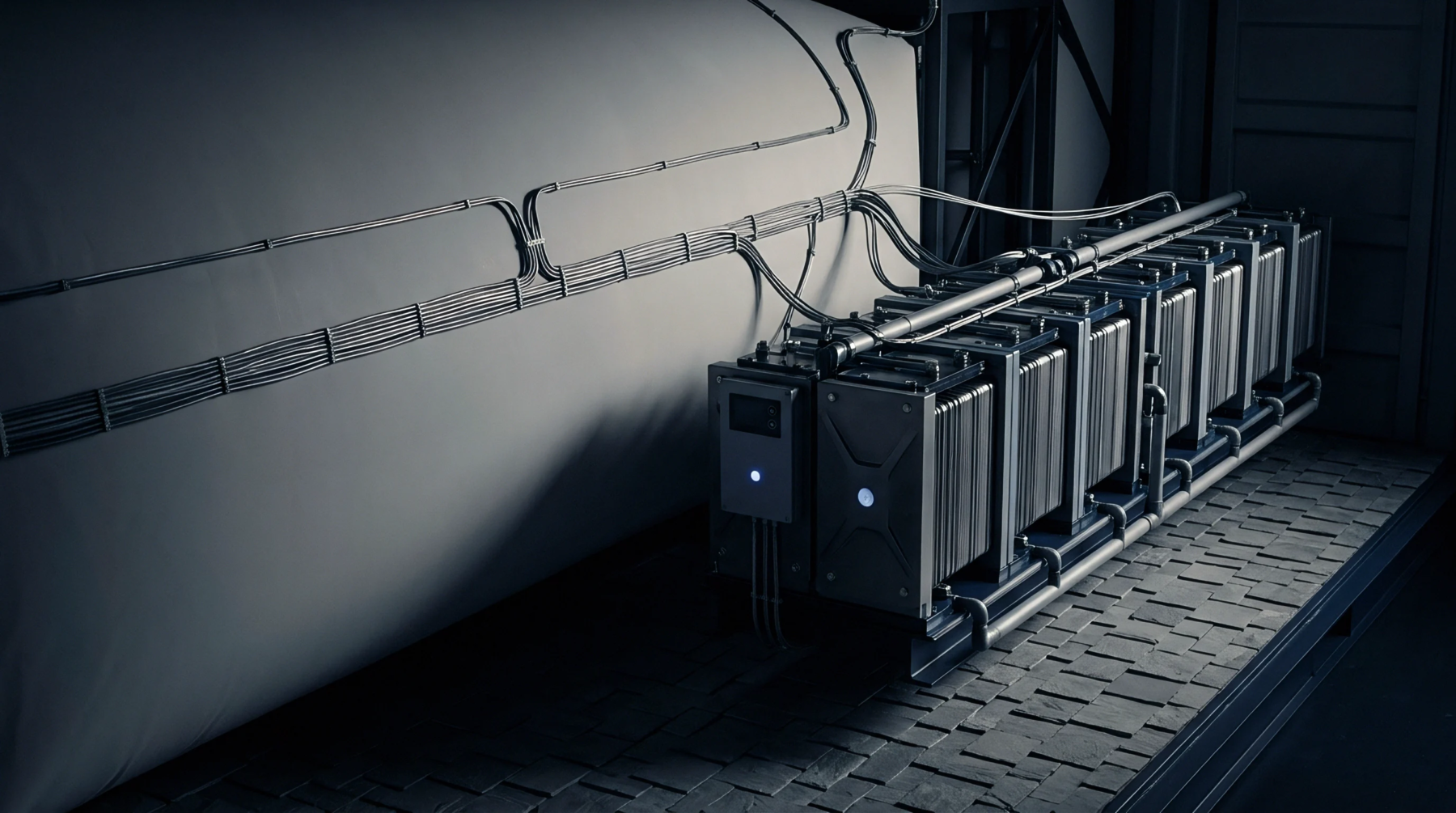
Multi-axis strain telemetry isolates cell swelling from pack frame shearing, providing cryptographically verified stress signatures that legally settle battery recall disputes.
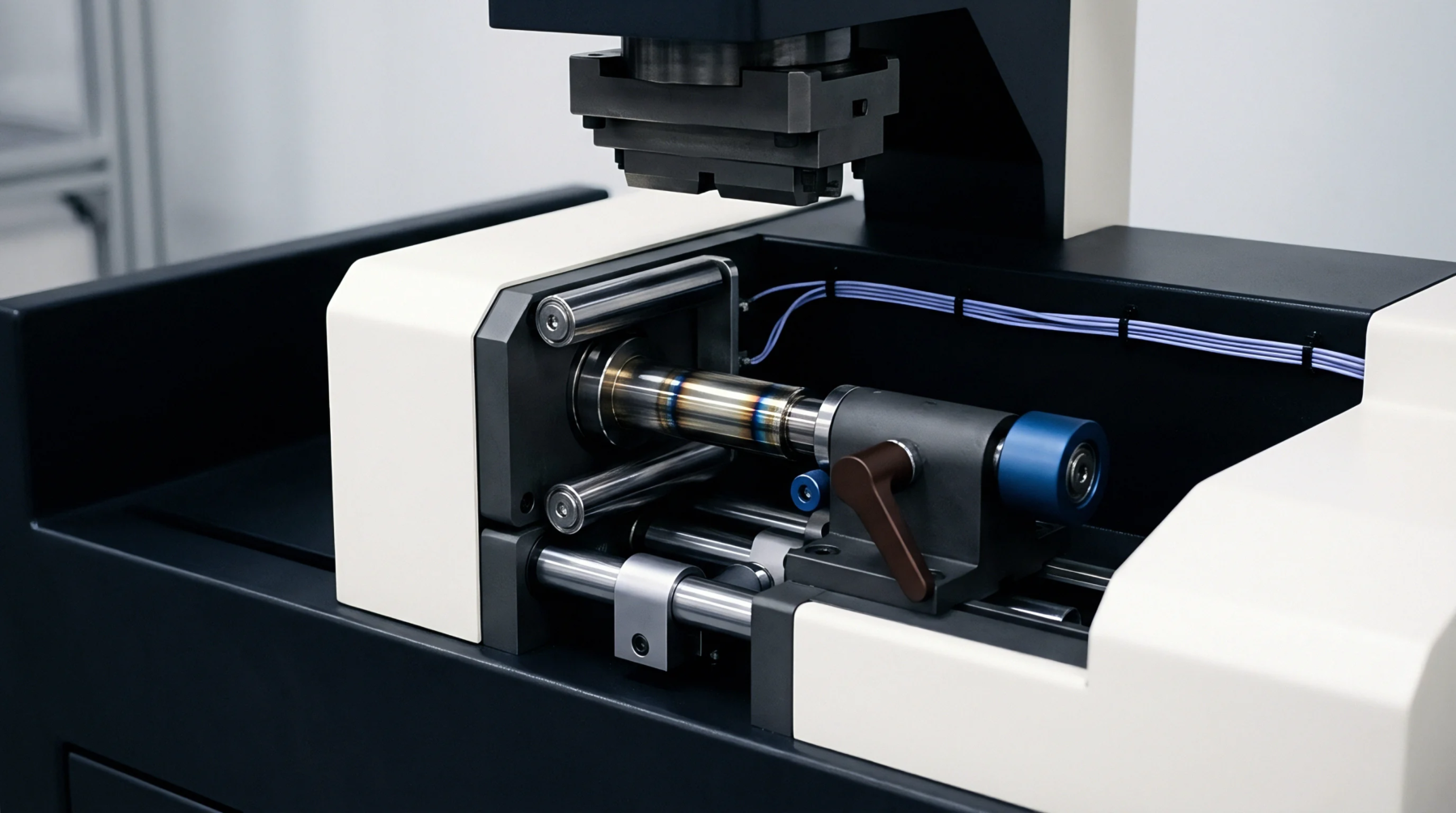
Prismatic cell swelling kinetics require module clamping designs that balance initial foam pre-load against end-of-life separator compression limits.

Predictive thermal fatigue modeling aligns conformal cooling placement with transient plastic strain boundaries to extend aluminum tray mold life beyond 50,000 cycles.

Vacuum outgassing below 10-3 mbar and extended hold times at 1150°C break down subsurface oxides to ensure full interparticle bonding in tool steels.
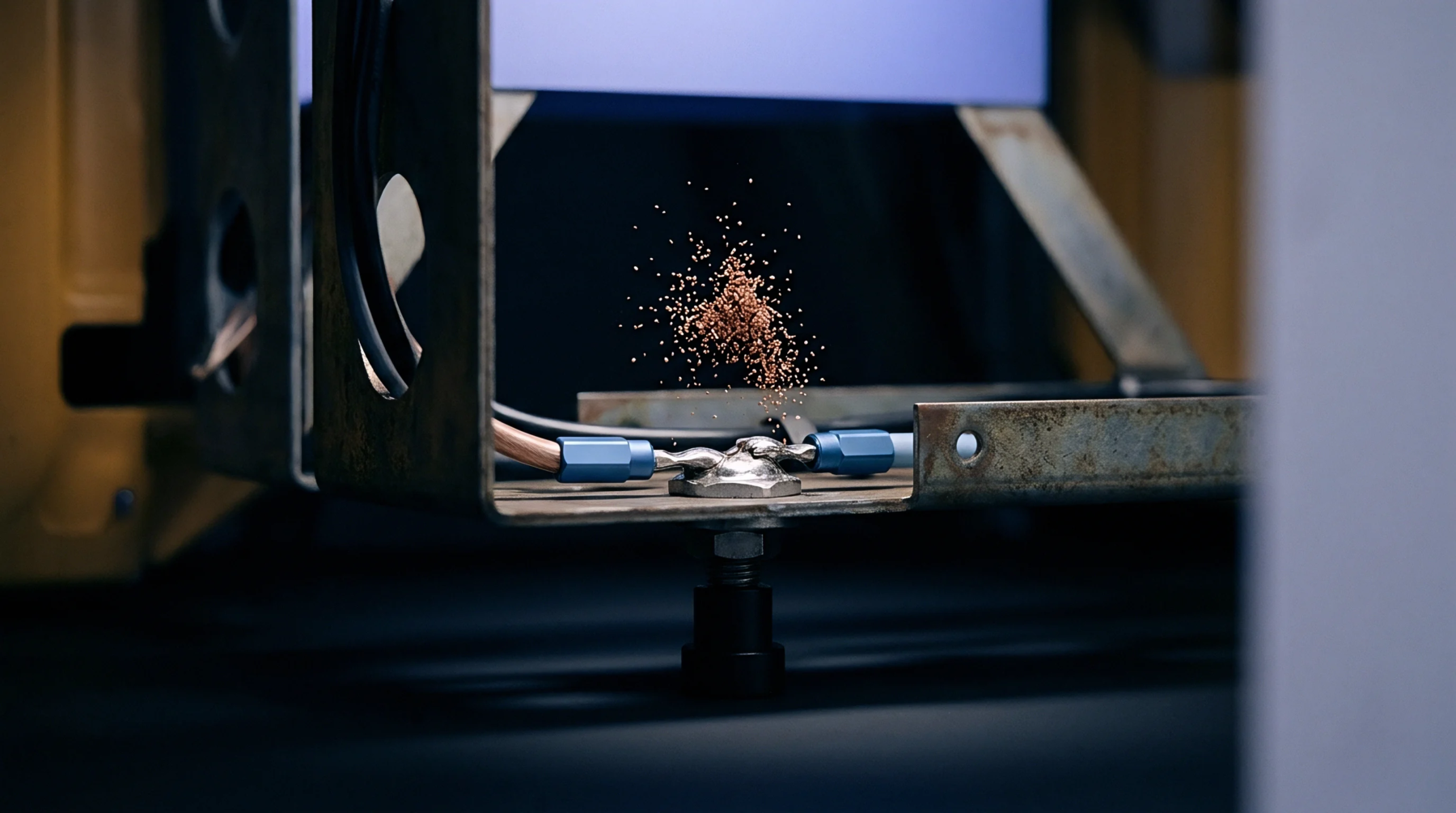
Carbide nucleation kinetics during inert gas atomization are controlled by droplet cooling rates between 10,000 and 1,000,000 K/s, dictating PM steel toughness.

Gas atomization of tool steel powders requires maintaining melt superheat at 150°C above liquidus and gas-to-metal ratio between 1.8 and 2.5 to optimize yield.
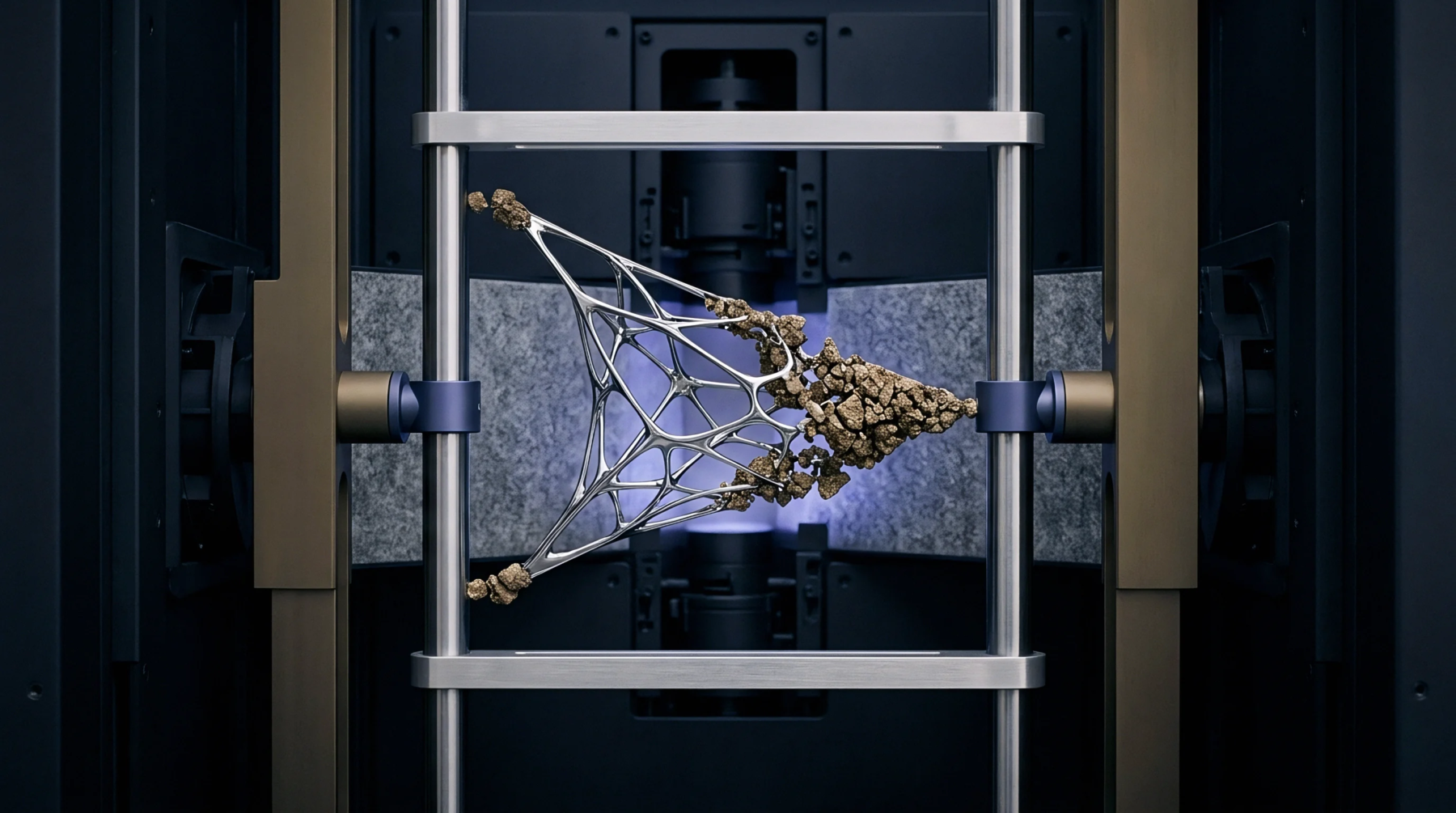
Differential capacity analysis quantifies lithium inventory loss and active material isolation in prismatic LFP cells through C/50 peak voltage shift tracking.

Passivation kinetics dictate graphite anode capacity retention, requiring precise SoC transport caps and differential capacity screening to secure cell warranties.

Sub-zero fast charging shifts anode kinetics from intercalation to metallic plating; controlling overpotential via pre-heating or step-down profiles prevents rapid cell failure.
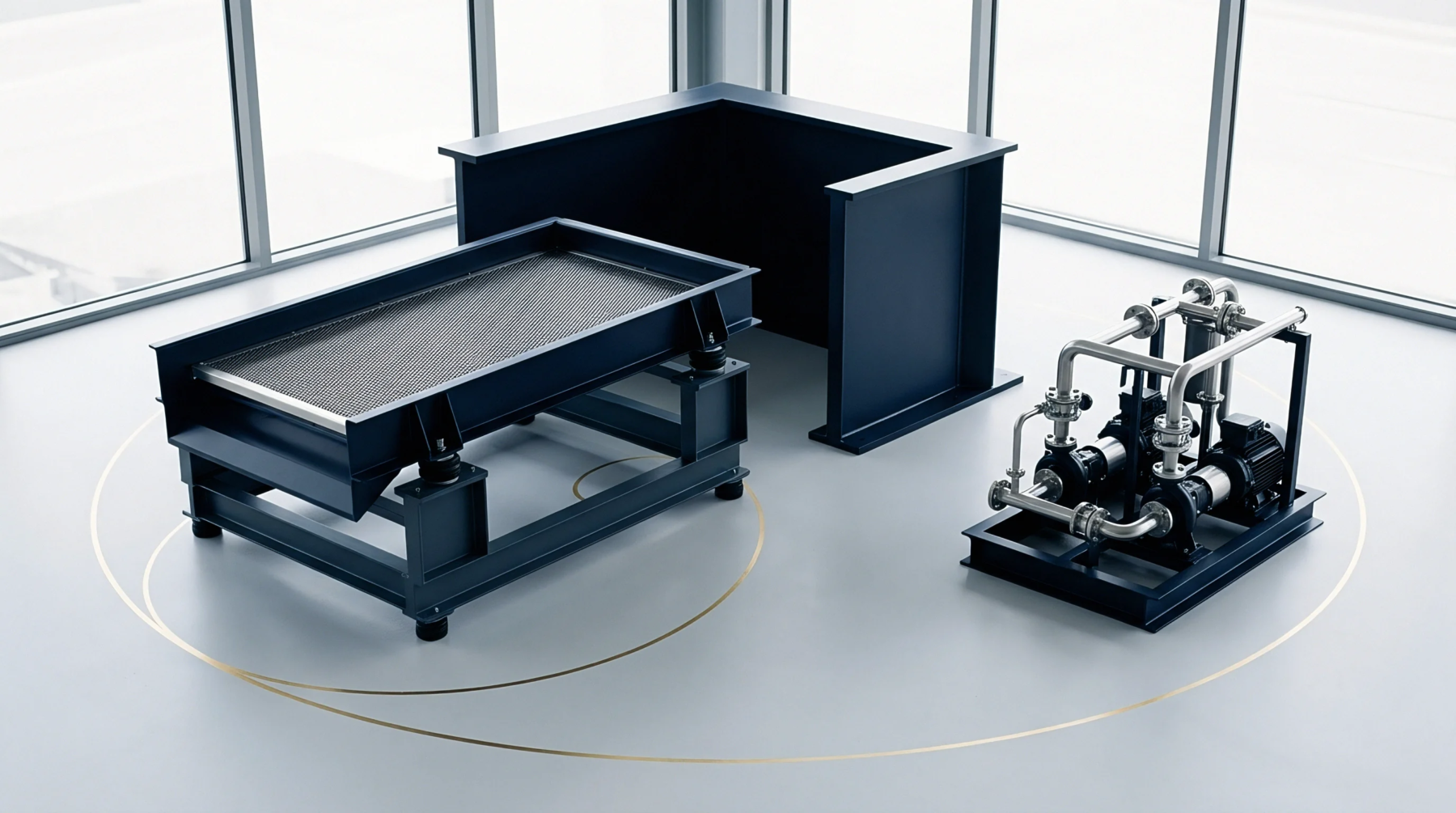
Structural warranty seams rely on precise pressure limits and micro-strain sensor telemetry to separate cell expansion defects from pack structural loading.
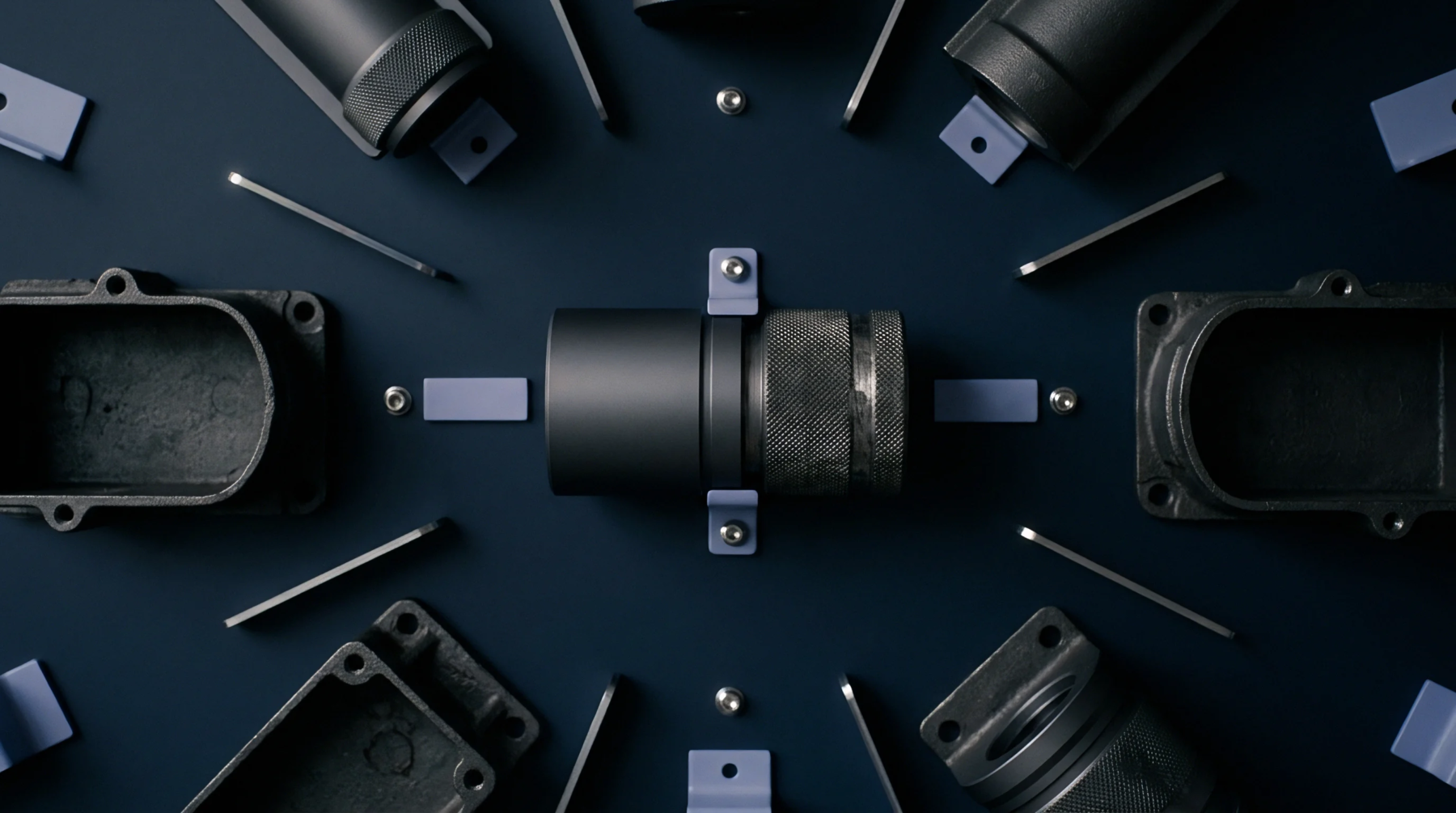
Cyclic thermal shock in aluminum battery enclosure molds drives surface crazing and pitting, requiring thermal management and alloy selection to balance tool life against cycle time economics.
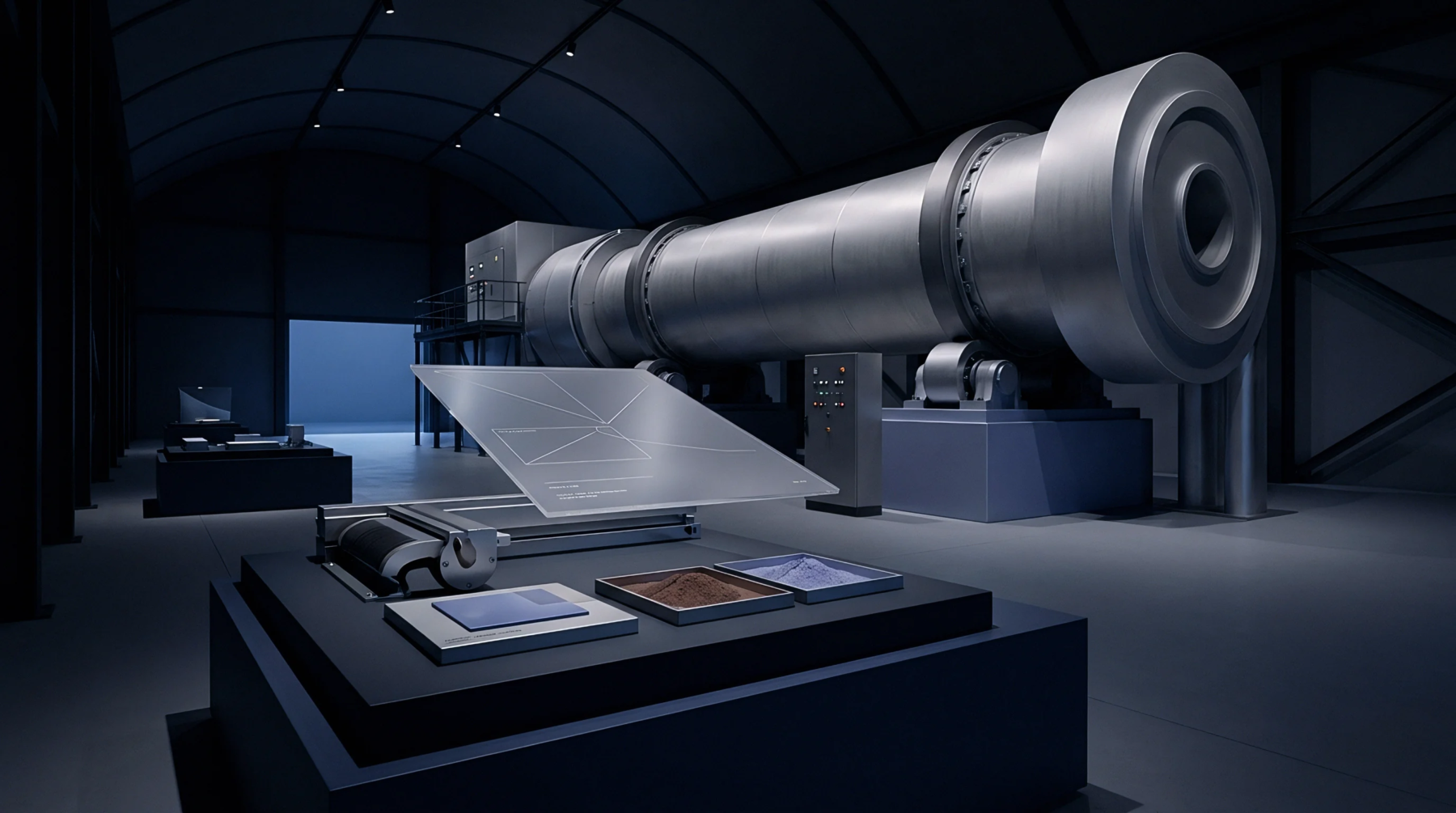
Electrolyte solvent headspace gas leakage testing uses GC-MS and SPME to quantify linear carbonate vapor loss, preventing cell degradation and transport rejections.

Optimizing tundish superheat, gas-to-metal ratio, and cooling rates ensures uniform fine carbide distribution and eliminates thermal segregation in PM tool steel powder.
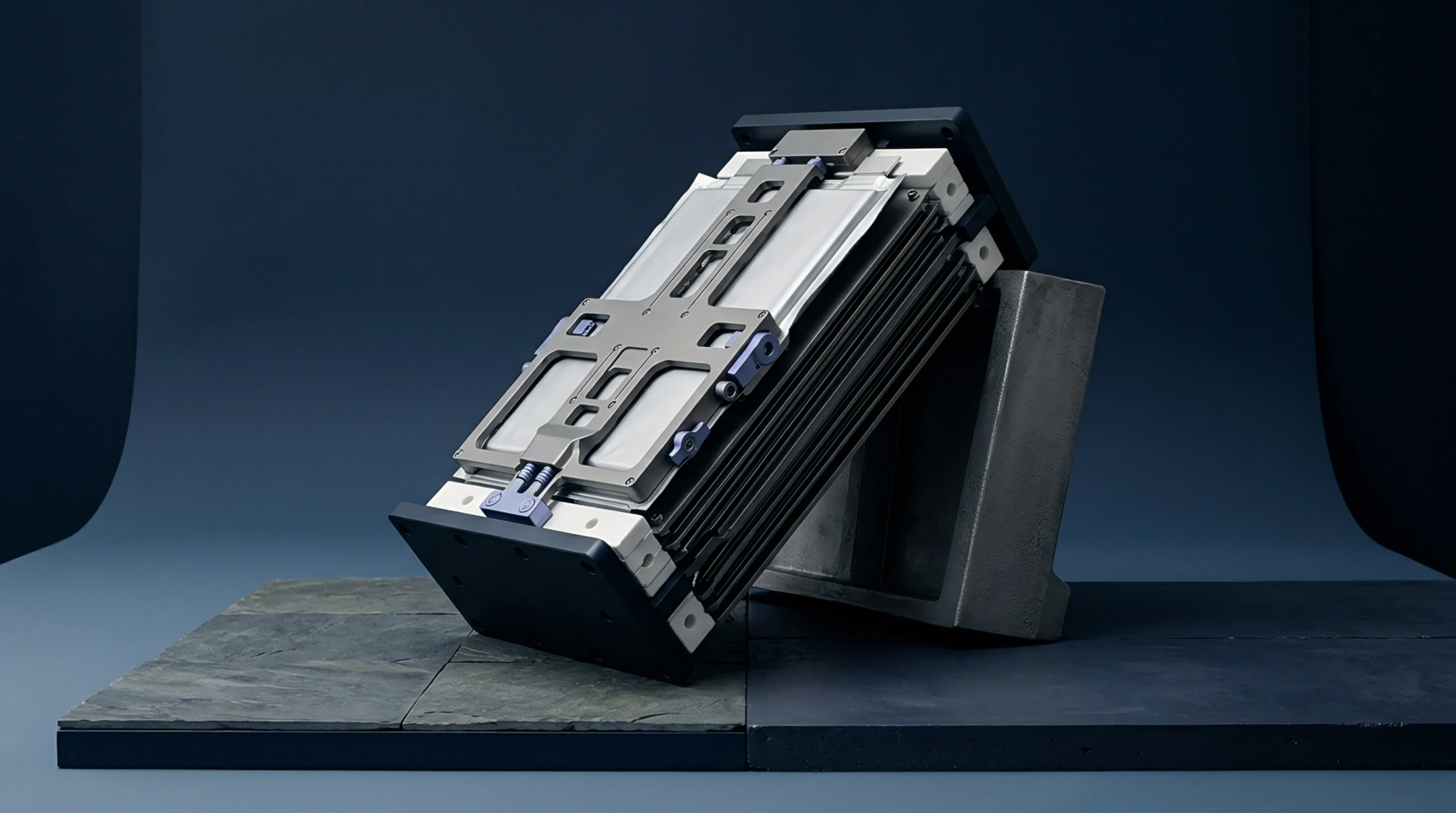
Commercial fleet cell sub-zero degradation claims require laboratory validation under dynamic thermal regimes to prevent premature capacity failure.

Engineering rigid module compression plates with calibrated elastomeric pads controls prismatic cell swelling, prevents separator crushing, and preserves warranty compliance.

Cross-border cell inspection demands dockside atmospheric auditing, 4-point Kelvin impedance profiling, loaded metrology, and ANSI Z1.4 lot sampling.

NFPA 855 compliance for high density battery bays hinges on UL 9540A explosion testing to reduce 3 foot clearances and size deluge water systems.

Standard fire codes cap bulk lithium battery storage at 600 kWh per control area unless protected by dedicated ESFR sprinklers and 2-hour fire barriers
Turnkey engineering secures enclosure tooling and BMS firmware control, while white label sourcing locks hardware design and shifts compliance risk.
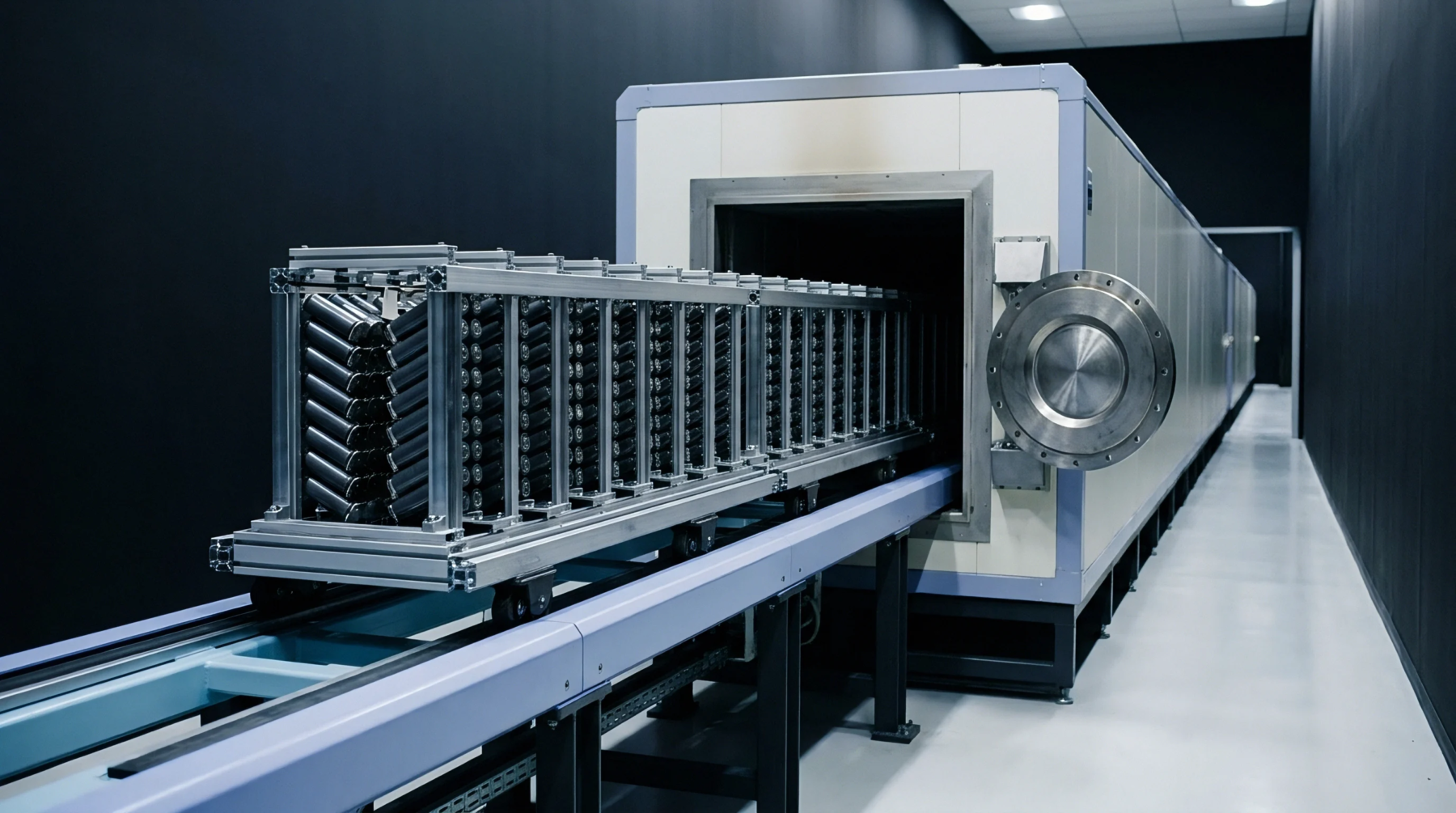
Quantifying capacity knee initiation requires tracking differential voltage peak shifts and post-charge relaxation kinetics under combined dynamic stresses.
Prismatic LFP degradation stems primarily from loss of active lithium to anode SEI growth, accelerated by high state-of-charge storage and stack pressure.

Inbound cell inspection requires dual-path verification of UN 38.3 documentation and AQL sampling of open-circuit voltage, impedance, and K-value drop.

Cell format selection dictates pack thermal dissipation paths, stack compression mechanics, busbar welding tolerances, and compliance responsibility.
Expertise is a utility, not a secret. sentiention™ publishes its working knowledge as open reference: intelligence layer covering the materials it sources, the markets it enters, and the reference that serves both.