Argon Gas Entrapment Mechanisms during Tool Steel Atomization
Gas entrapment during tool steel atomization stems from fountain vortex recirculation and droplet collision, leaving insoluble argon voids that expand during heat treatment.

Gas entrapment during tool steel atomization stems from fountain vortex recirculation and droplet collision, leaving insoluble argon voids that expand during heat treatment.
Sub-zero electrolyte design replaces cyclic carbonates with carboxylate esters and LiFSI salt to reduce charge transfer impedance and prevent anode plating.
Lithium titanate eliminates sub-zero pre-heating downtime and anode degradation, outperforming heated LFP in multi-shift cold logistics total cost of ownership.

Predicting utility battery explosion dynamics requires calculating obstacle turbulence acceleration and reflected blast loads to prevent site cascading failures.

Explosion vent sizing for congested battery cabinets requires scaling relief area using measured blockage ratios and off-gas deflagration index metrics.
Offgas generation analysis defines explosion venting requirements, ventilation flow setpoints, and liability allocation for utility battery installations.

Low temperature battery capacity retention metrics measure usable energy delivery against thermal impedance growth, cut-off voltage drops, and plating risks.

Compressive back-stress depresses alloy lithiation potentials toward lithium plating thresholds, limiting high-loading cycling life under pack-level mechanical constraint.
Container deflagration heat limits require stone wool insulation and sized vents to restrict structural steel temperatures below 425 °C during venting.
Compressive preload decay in module thermal pads reduces real contact area, doubling interface thermal resistance and triggering early fast-charge throttling.
Phase-pure silicide buffer networks mitigate interfacial shear strain, preventing matrix fatigue and cell swelling to optimize landed cost per delivered cycle.
Stress-assisted diffusion couples mechanical strain to lithium transport in silicon alloy composite anodes, requiring optimized stack pressure to minimize degradation.
Stack pressure above 1.0 MPa retards outer SEI cracking in silicon alloy anodes but accelerates lithium plating at high charge rates.

Automotive gap filler rheology testing requires serrated platens, squeeze force mapping, and thixotropic recovery checks to stop slump and cell crushing.
Applying 0.3 to 0.5 MPa containment pressure stabilizes silicon anode matrix structure, limits SEI fracture, and extends cell life beyond 1200 cycles.

UL 9540A rack testing requires water-cooled Schmidt-Boelter sensors to accurately partition radiative and convective flux for spatial clearance verification.
Silicon alloy anode phase stability under stress requires active domains below twenty nanometers and sustained stack pressure of zero point eight megapascals.

Operando X-ray characterization quantifies stress-retarded phase boundary velocity to bound capacity retention and mechanical expansion limits in commercial high-silicon cells.
Automated high-density gap filler pumps require double-acting servo pistons to sustain 200+ bar backpressure while controlling shear-induced viscosity drift.
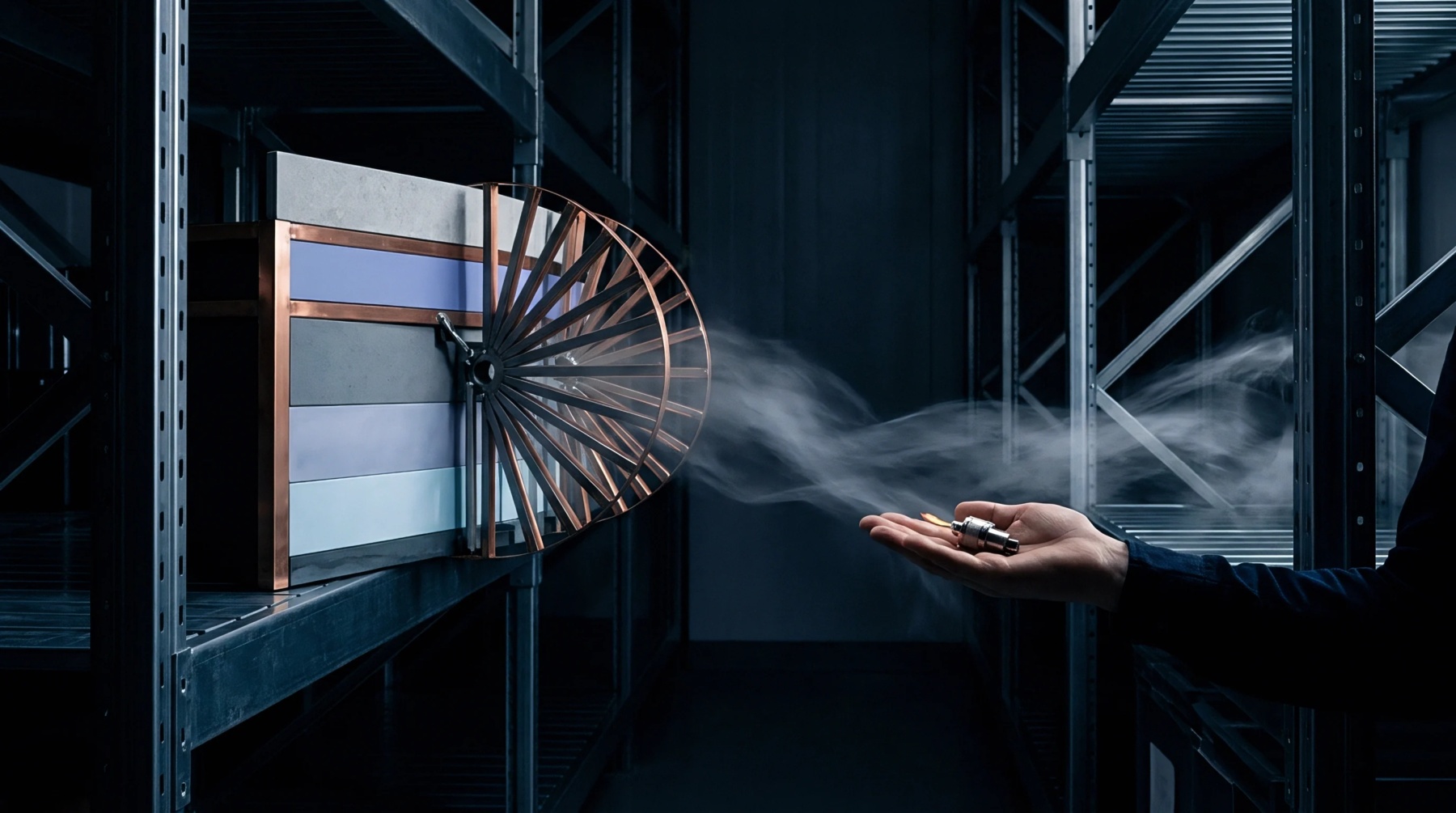
Compressive hydrostatic stress at amorphous silicon phase boundaries retards lithiation kinetics, requiring active stack pressure management to prevent overpotential spikes.

Inter-cell aerogel barriers must maintain thermal conductivity under 0.035 W/m·K at compressed end-of-life pressure to prevent domino runaway propagation.
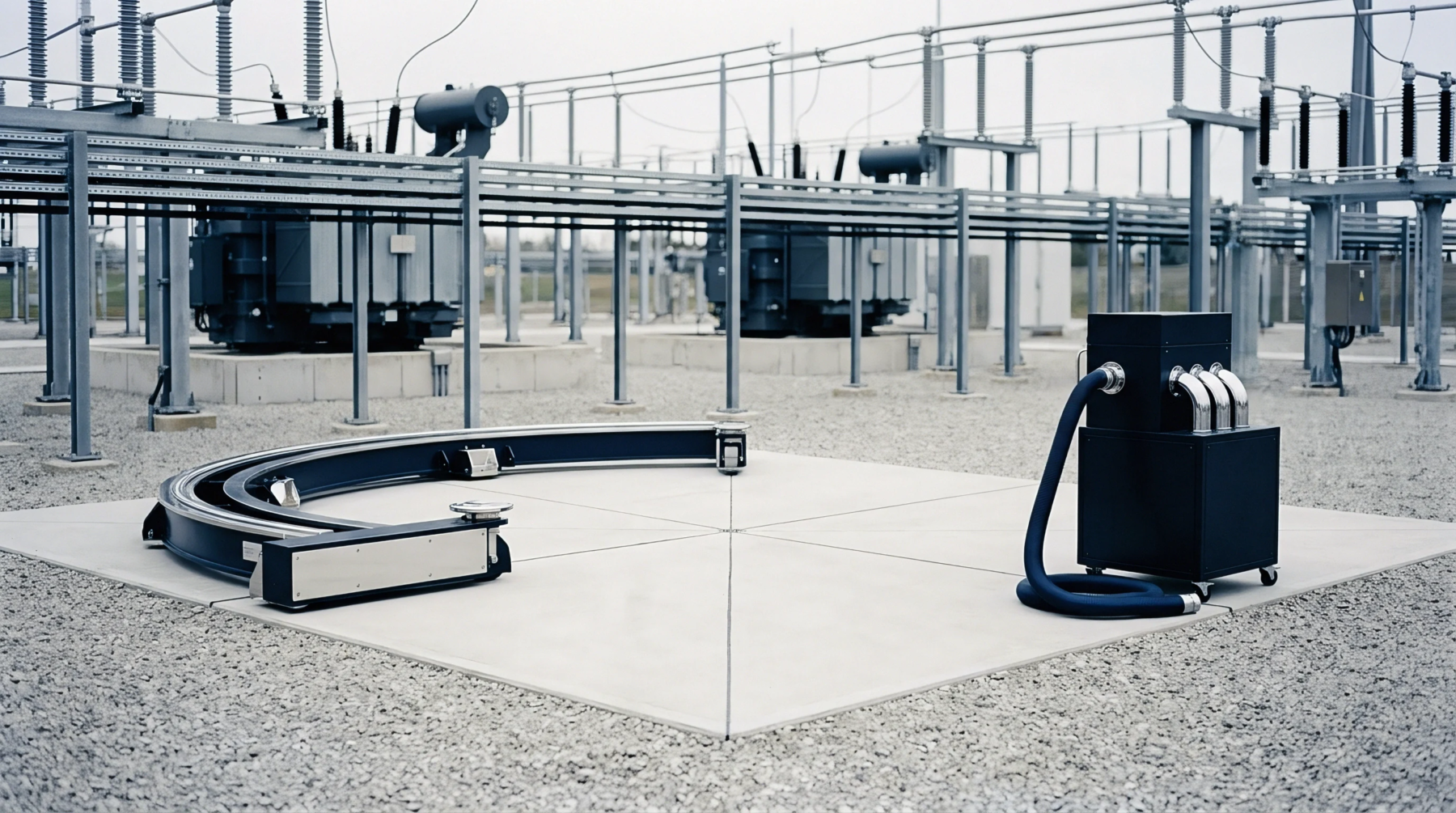
Quantitative risk modeling for urban battery vent clearances requires coupling UL 9540A gas generation rates with NFPA 68 overpressure duct loss equations.
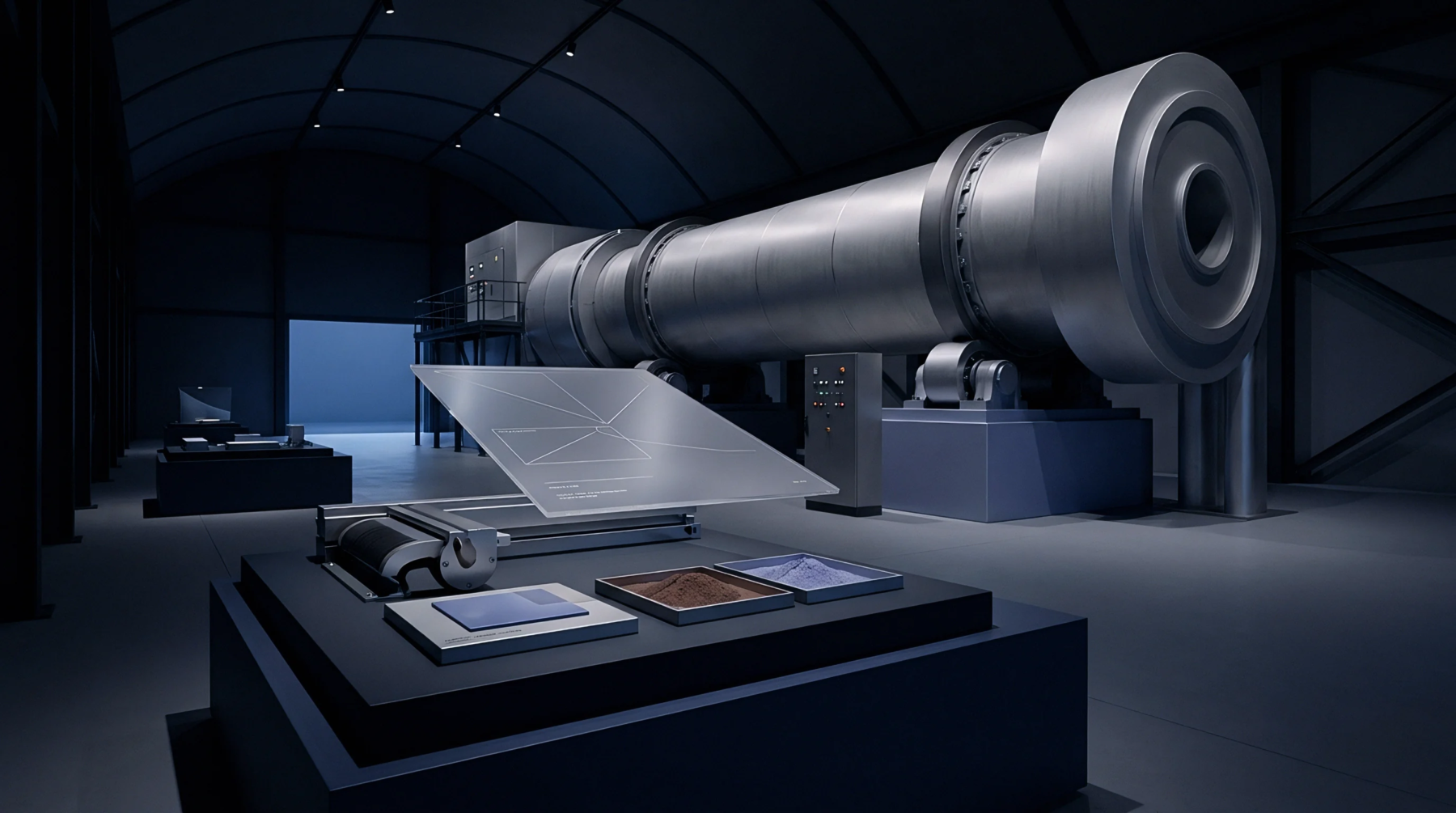
Argon entrapped during powder atomization causes sub-micron void expansion during heat treatment, degrading fatigue life in battery slitting tooling.
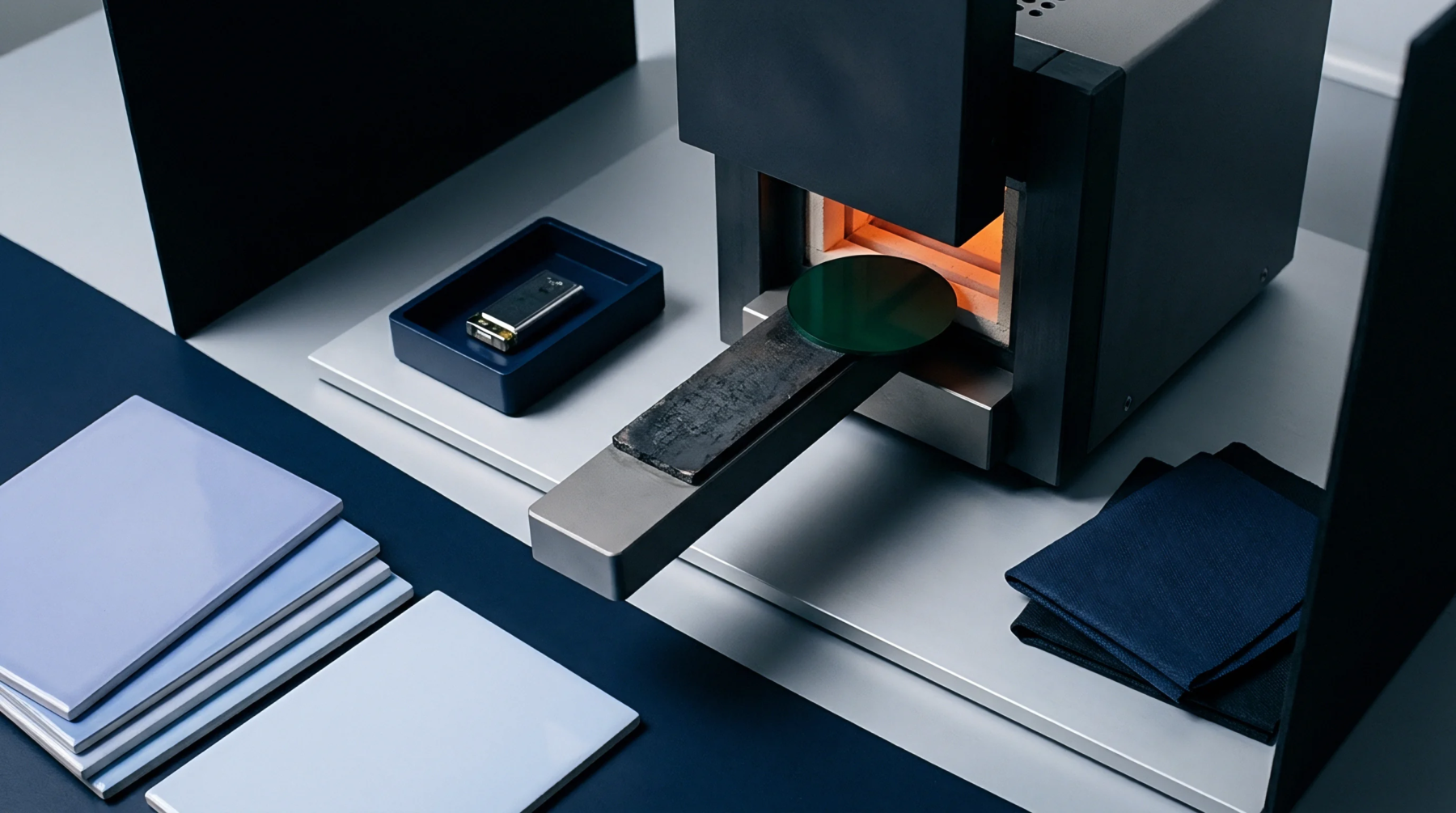
Austenitizing high-speed steel requires balancing M6C carbide dissolution against grain growth and incipient boundary melting to optimize tooling wear life.

Vacuum pressure quenching parameters control residual stress fields that govern multi-axial creep void expansion rates and long-term rupture life in quenched steels.

UL 9540A unit test data permits reduced enclosure clearances when target wall temperature rise remains below 97°C above ambient under full thermal runaway.
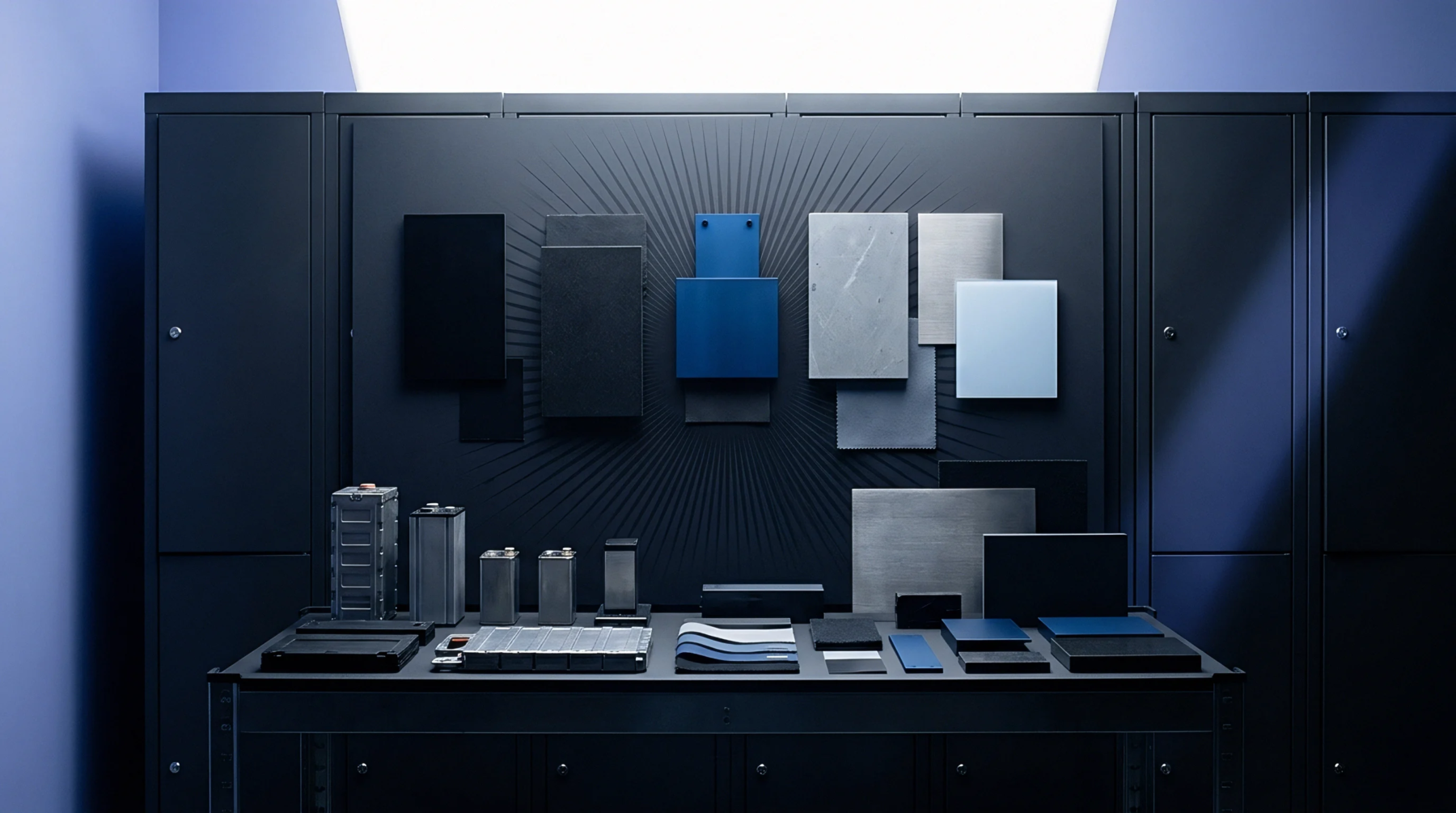
Argon exceedances in atomized powders cause untreatable thermal porosity, requiring multi-tiered landed cost penalty models to recover downstream scrap and HIP rework expenses.
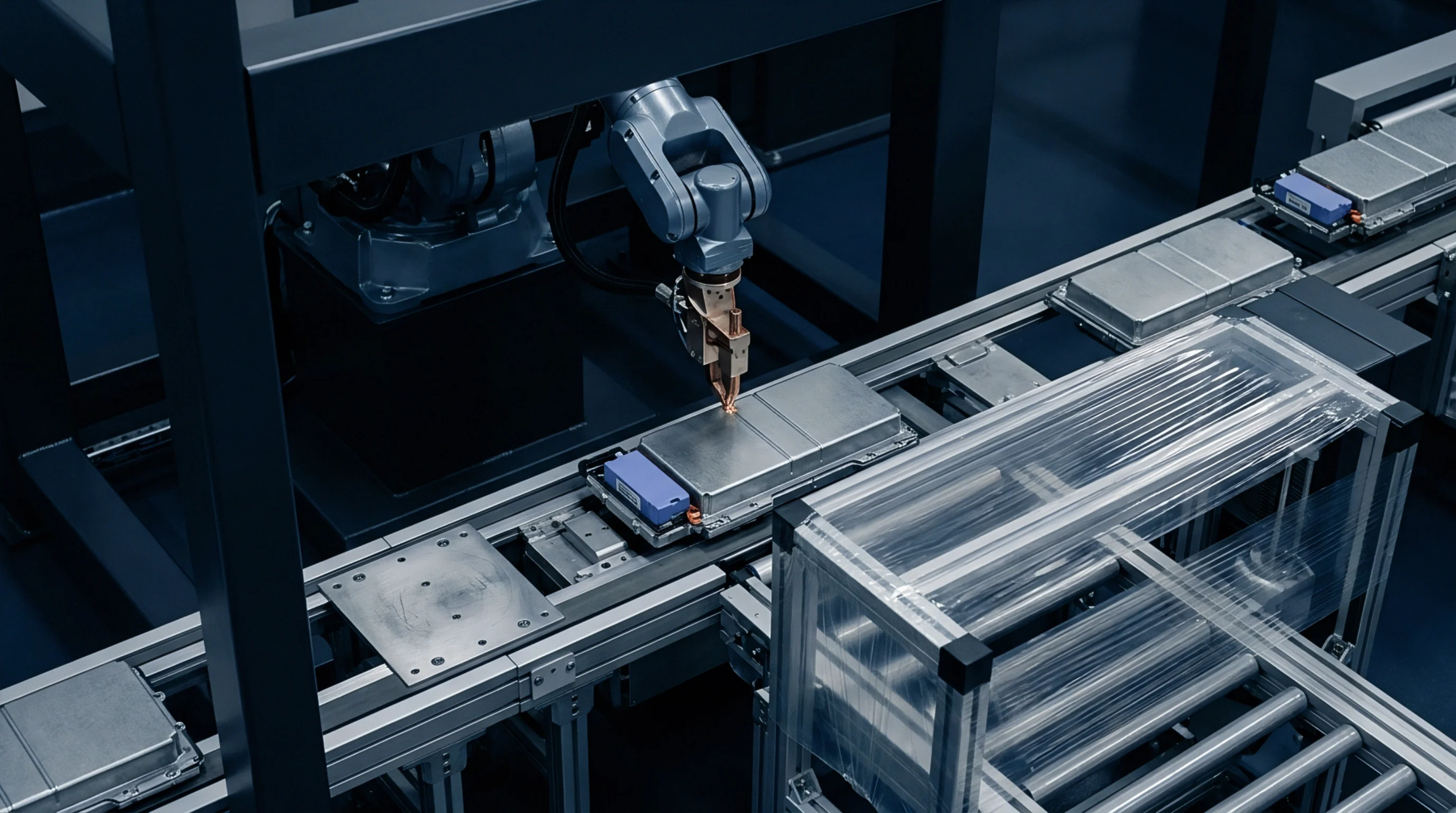
Thermally induced porosity expands compressed internal argon during heat treatment, causing density loss and severe fatigue strength knockdown.

Standard fire codes set a 10-foot baseline separation for outdoor battery containers, reducible to 3 feet only through UL 9540A fire testing or rated blast walls.
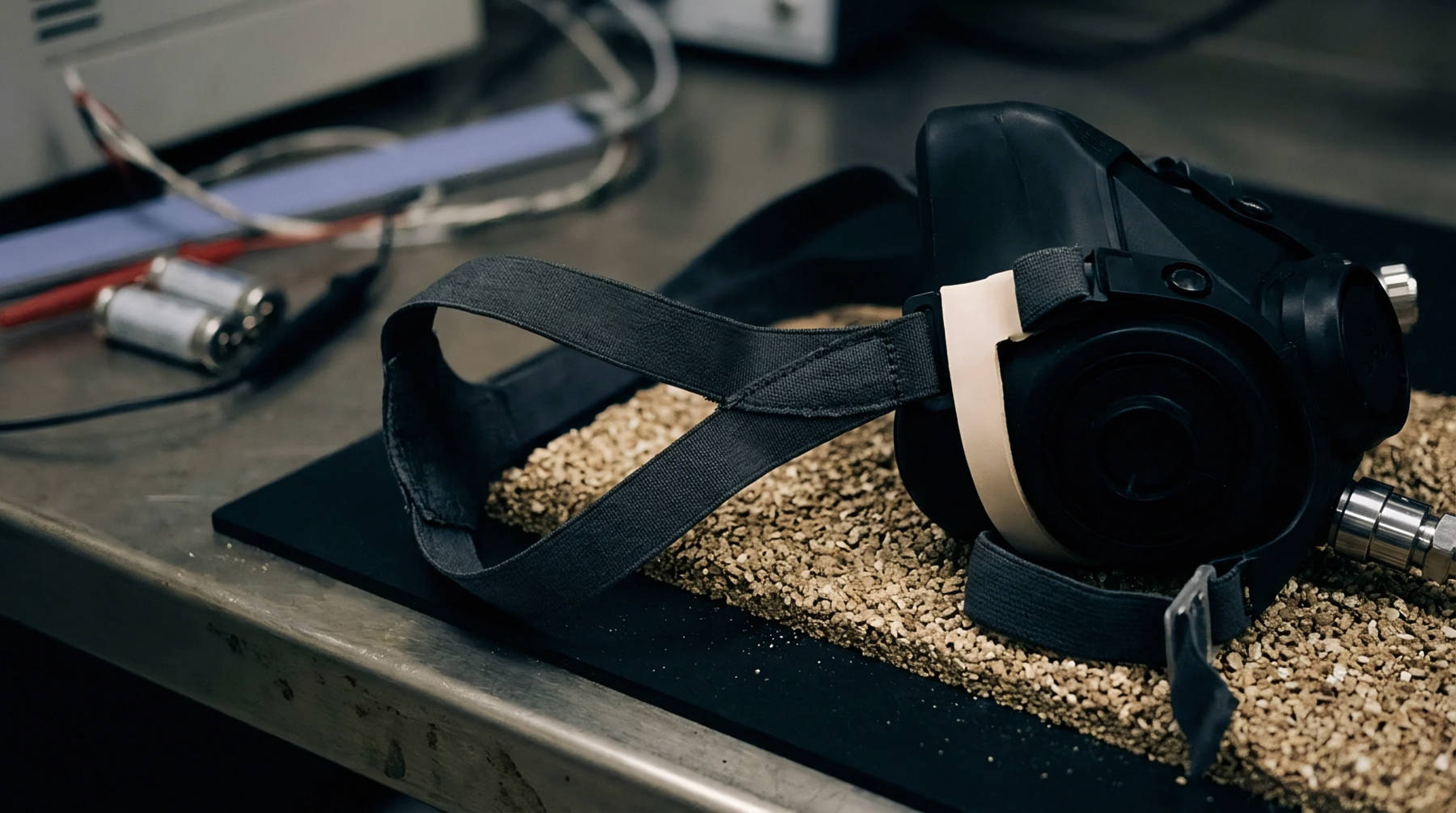
Argon gas inclusions in atomized powders create permanent, insoluble matrix pores that expand during post-HIP thermal treatment and degrade fatigue life.
Expertise is a utility, not a secret. sentiention™ publishes its working knowledge as open reference: intelligence layer covering the materials it sources, the markets it enters, and the reference that serves both.