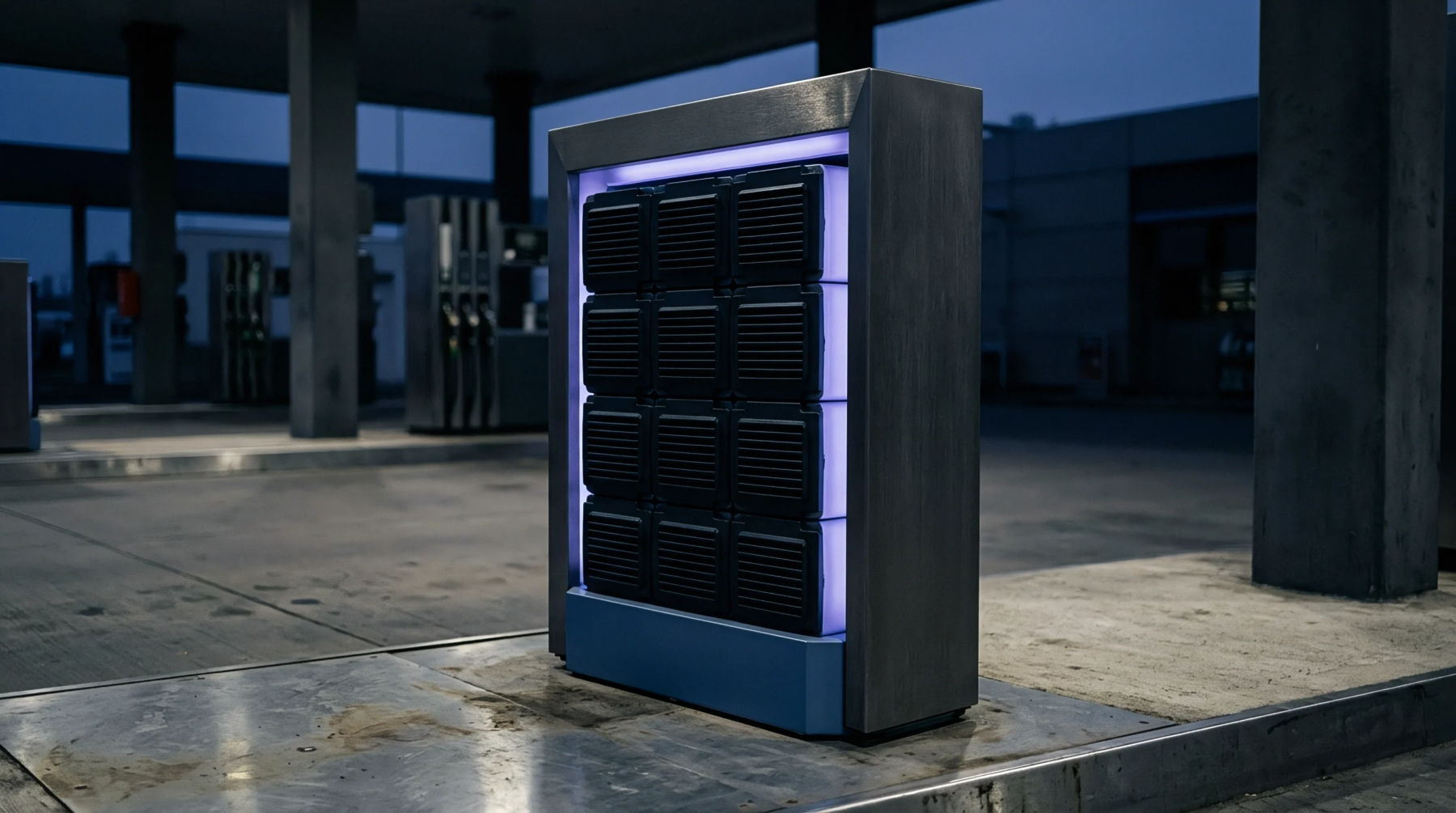
Quantifying Lithium Plating Onset Limits under Low Temperature Fast Charging
Metallic lithium plating on graphite anodes begins when negative electrode potential drops below 0 V versus Li/Li+ during sub-zero fast charging.

Metallic lithium plating on graphite anodes begins when negative electrode potential drops below 0 V versus Li/Li+ during sub-zero fast charging.
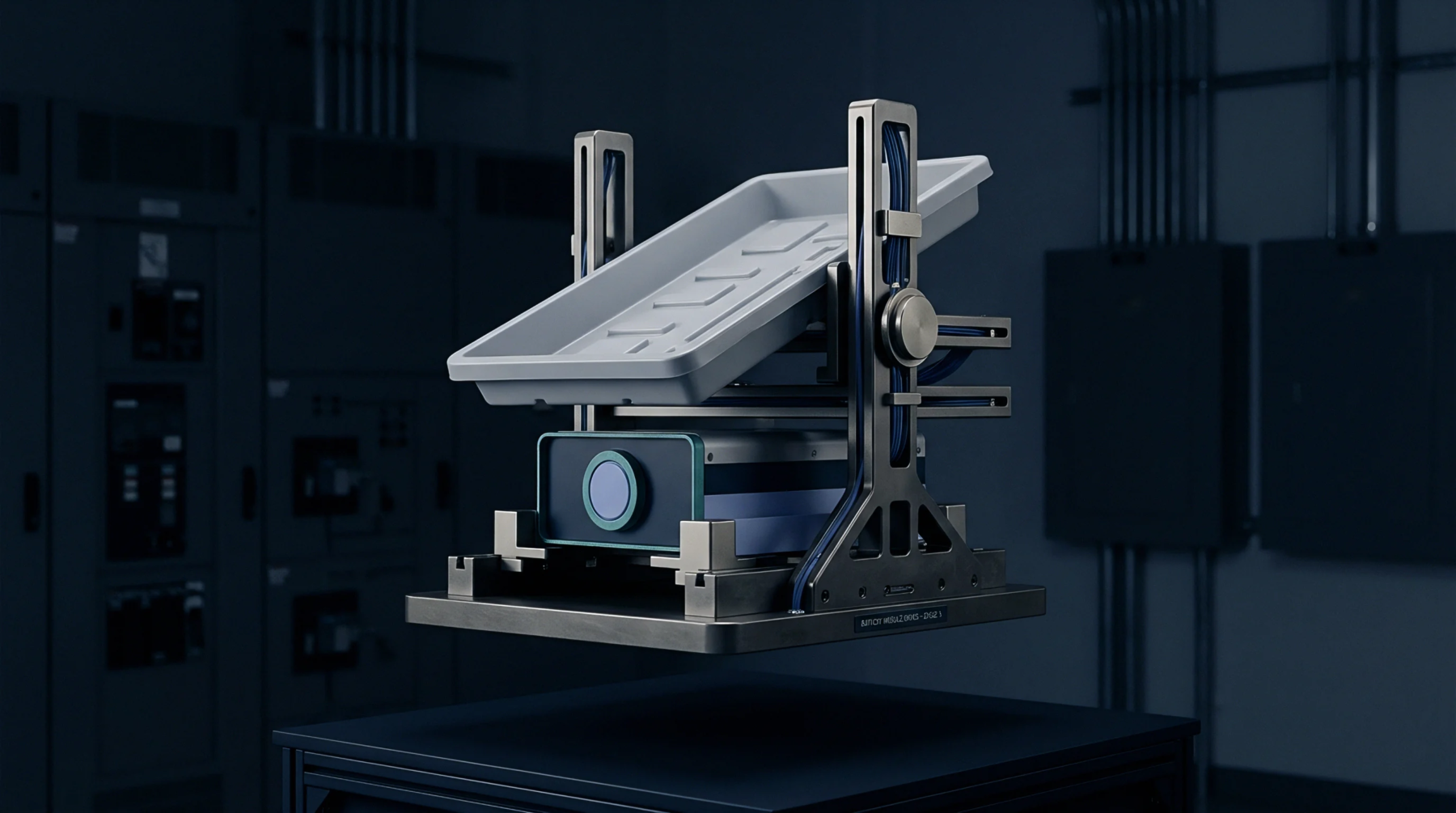
Cross-referencing UN 38.3 test summaries with air waybills aligns model names, watt-hour ratings, and package weights to prevent carrier rejections and fines.

Differential voltage tracking converts cell voltage curves into active electrode phase signatures to isolate lithium loss from cathode material decay.

Pressure drops drive toxic gas effusion through cathode microcracks, requiring sub-ppm spectroscopic validation to survive dangerous goods carriage limits.

Asymmetric base cooling drives internal equalization currents up to 0.28C across large prismatic cells, requiring lateral thermal paths to avert lithium plating.

Porosimetry pore throat diameters, not Gurley values, govern separator ionic transport resistance, dictating cell overpotential and fast-charging power limits.
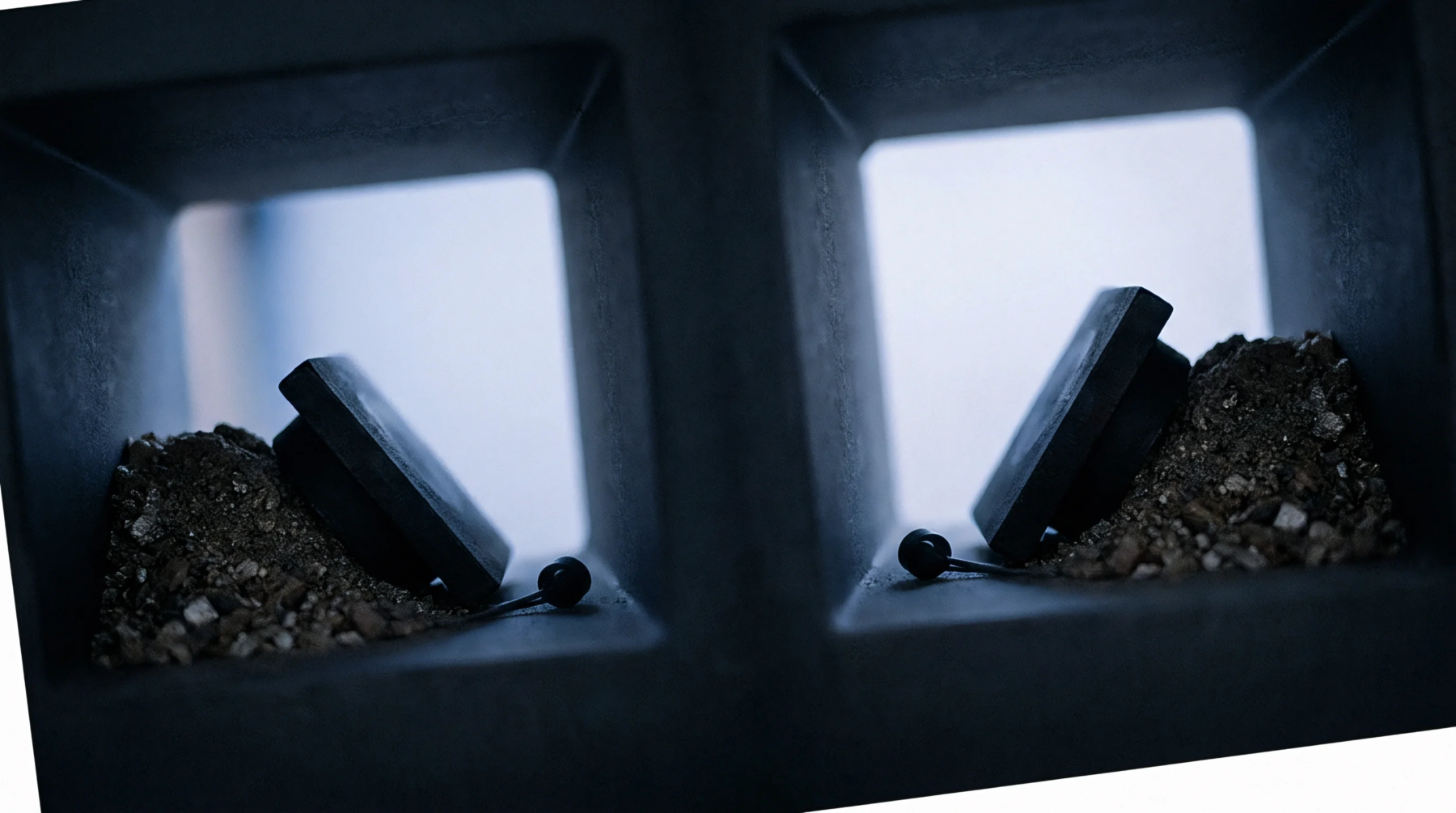
Mass spectrometry differentiates Knudsen from viscous leaks in solid electrolytes by measuring tracer gas effusion ratios to isolate nano-cracks from bulk defects.
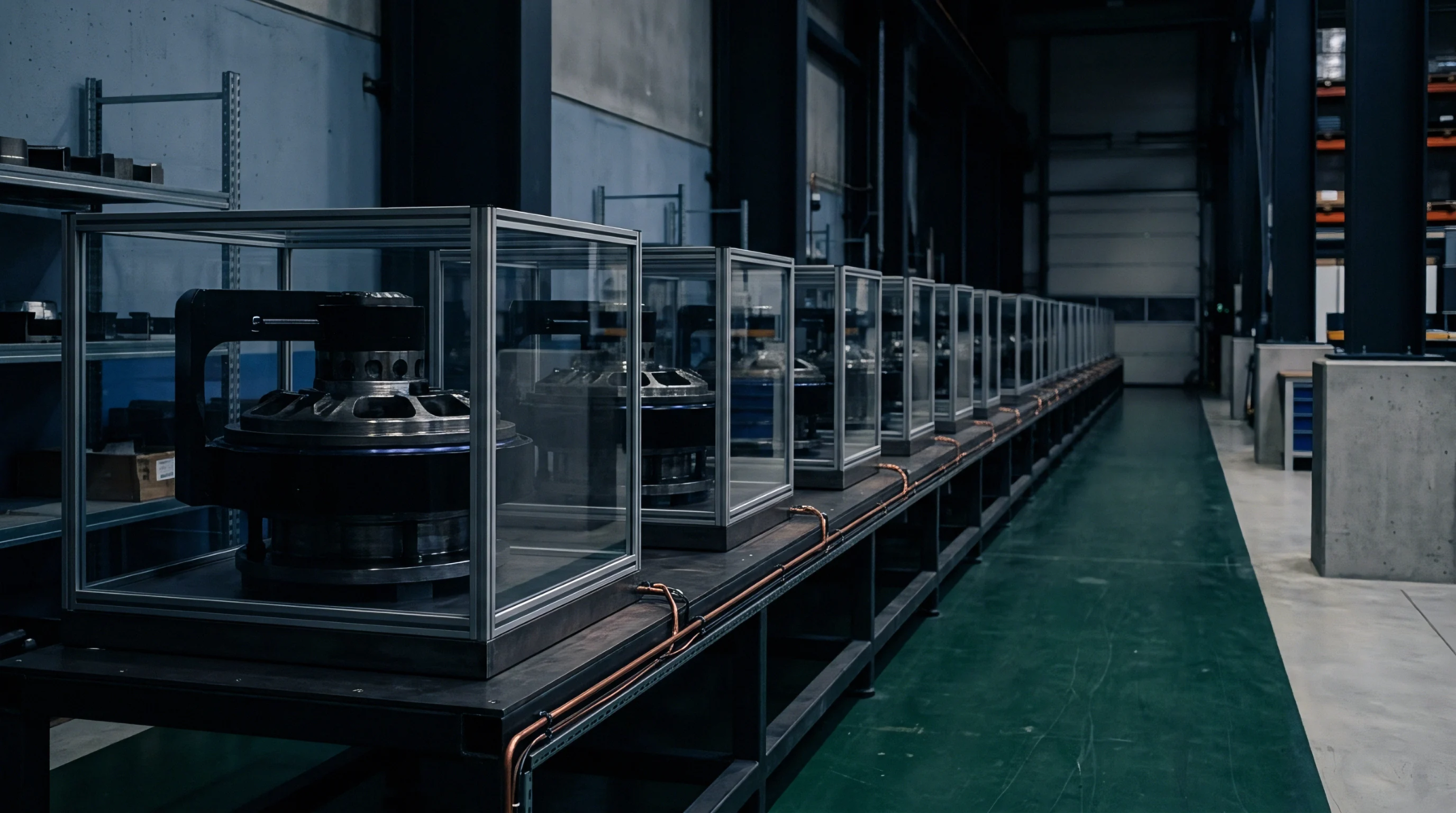
Non-destructive ultrasonic time-of-flight isolates separator fibril creep from cell swelling, quantifying sub-micron pore collapse under stack compression.

Hermetic containment below 1.0e-8 mbar l/s prevents fatal sulfide electrolyte hydrolysis, demanding helium tracer verification to clear safety regulations.

Prismatic cell current crowding concentrates thermal and kinetic stress near terminal tabs, accelerating localized plating and premature capacity failure.

Dynamic thermal pressure cycling opens interfacial micro-conduits that require Knudsen slip corrections and tracer gas testing to quantify true hermetic decay.
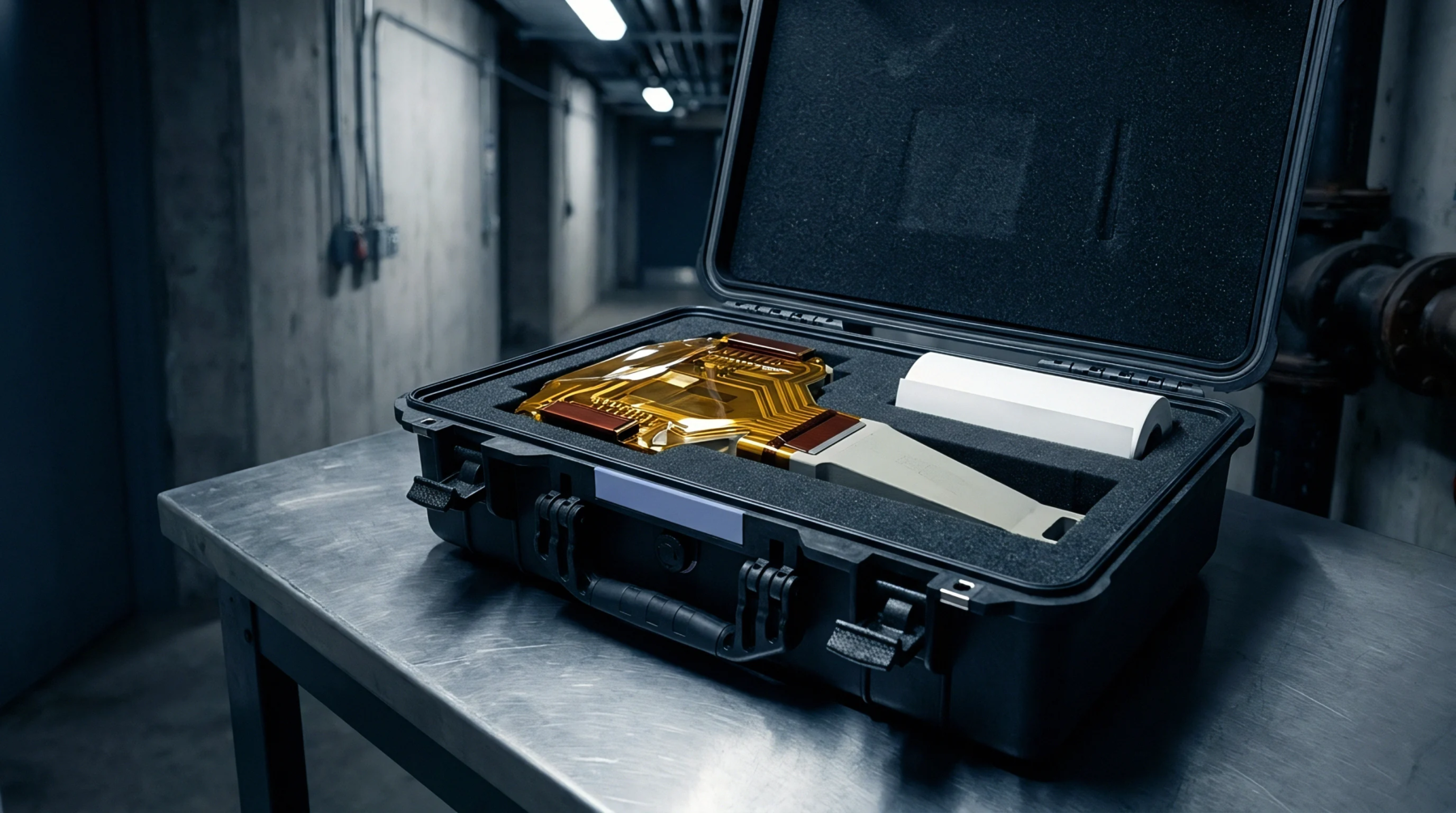
GC-SIM calibration for battery permeation quantifies trace solvent leaks, proving cell hermetic containment to satisfy transport regulations and warranty specs.

Polyolefin separator microstructure governs ionic tortuosity and current distribution, where sub-optimal pore morphology accelerates lithium plating and line scrap.

Anisotropic thermal conduction in prismatic cells creates steep internal temperature gradients, concentrating lithium plating on cold edges and SEI growth at hot zones.

Direct electrolyte mass spectrometry supersedes helium leak testing for filled cells because solvent fluids block tracer gas while feeding vapor to mass sensors.

Lattice softening lowers loop punching thresholds, driving high-pressure inert gas bubble coalescence along boundaries and causing premature wall rupture.
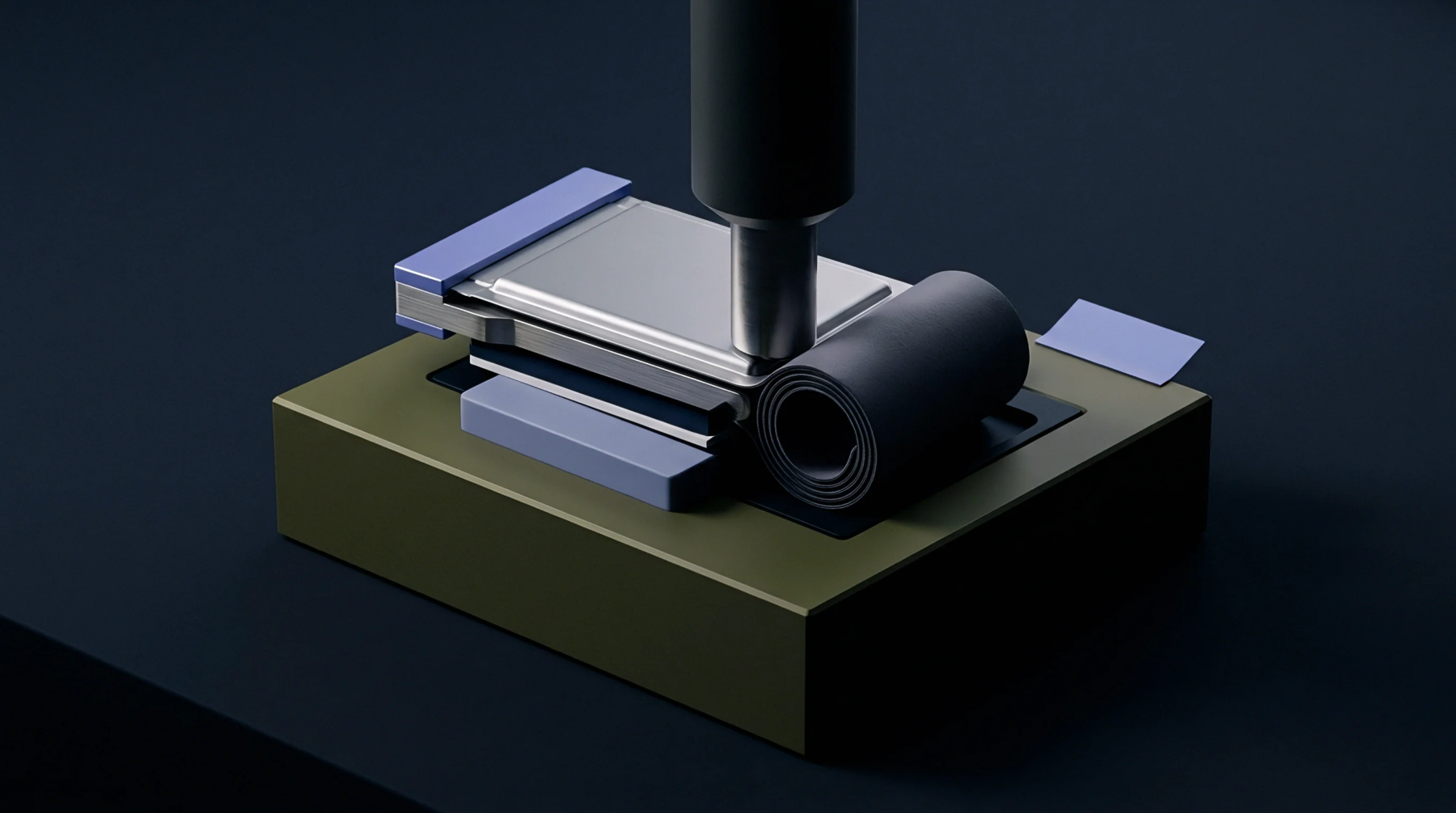
Calendar resistance growth in stored prismatic cells stems from passive film thickening and contact relaxation, identifiable via relaxation time deconvolution.

Hot isostatic pressing collapses internal alloy micro-pores through plastic yield, creep, and diffusion, delivering leak-tight pack structural housings.

Prismatic LiFePO4 cell lot stability requires tracking 14-day temperature-compensated K-values to isolate micro-shorts from baseline open circuit relaxation.

Incoming battery pallet inspection combines shock monitoring, four-wire OCV/IR screening, and AQL sampling to catch transit damage and enforce debit notes.
Penalties issued to non-resident cell manufacturers default onto domestic importers because foreign courts refuse to enforce extraterritorial administrative fines.

Argon entrapment in gas-atomized tool steel stems from turbulent wake suction and solidification shrinkage, generating insoluble gas voids that cause thermal pore swelling.

Controlling kiln residence times under 0.8 seconds prevents volatile gas cracking and eliminates graphitic passivation on battery anode particles.

Tuning hard carbon d002 spacing to 0.37 nm and eliminating open surface area elevates sodium anode initial Coulombic efficiency above 90 percent.

Cross-border battery transport requires verified UN 38.3 test summaries, sub-30-percent aviation charge limits, and modal UN packaging marks to clear customs.

Commercial recovery for subsurface battery fatigue requires triaxial vibration logs showing PSD exceedance beyond ASTM D4169 to breach ocean carrier liability caps.

Industrial hard carbon synthesis requires balancing precursor purity and kiln thermal profiles to maximize initial coulombic efficiency and battery capacity.
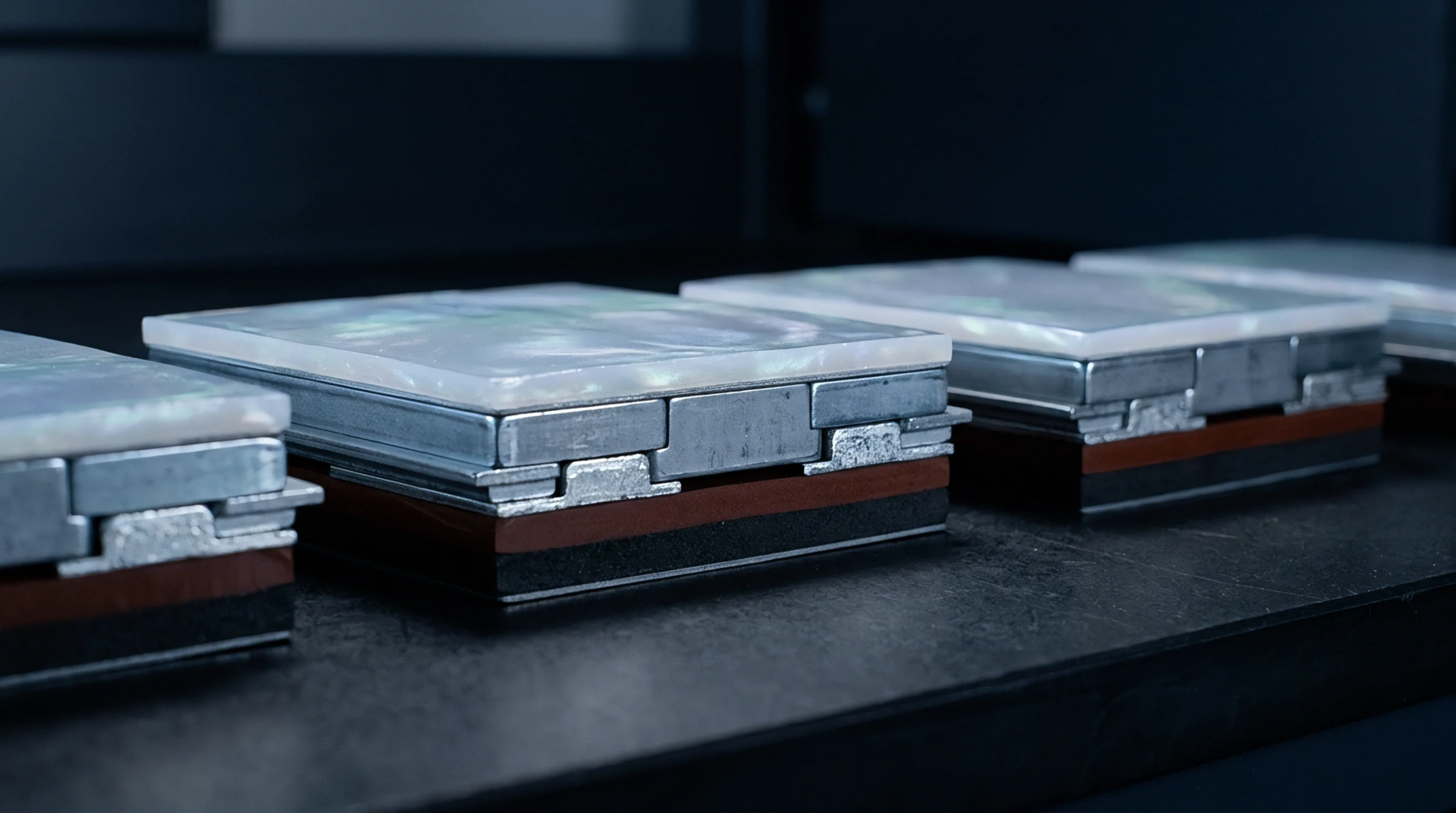
Thick silicon-graphite anodes charged below freezing suffer acute diffusion choke and lithium plating forcing current derating below zero point zero five C.

Latent SEI growth during ocean transit scales with Arrhenius thermal exposure and square-root time, requiring low SOC shipping and arrival impedance audits.

Marine cell freight degrades inventory through thermal acceleration, terminal oxidation, and micro-motion fatigue; mitigate via under-deck DAP terms.
Expertise is a utility, not a secret. sentiention™ publishes its working knowledge as open reference: intelligence layer covering the materials it sources, the markets it enters, and the reference that serves both.