
Structural Die Steel Metallurgy and Mold Life Degradation Mechanics
Structural tool steel longevity requires controlling matrix phase dynamics, thermal fatigue, and erosion to eliminate part tolerance stack-up and warranty disputes.

Structural tool steel longevity requires controlling matrix phase dynamics, thermal fatigue, and erosion to eliminate part tolerance stack-up and warranty disputes.

Constraining prismatic cells between 300 and 500 kPa prevents electrode delamination and suppresses localized lithium plating over long cycle life.

Electrolyte additive depletion accelerates cathode rock-salt phase shifts, raising charge transfer impedance and triggering transport safety failures.

Unverified third-party battery test scopes leave importers legally liable for transport fines, customs seizures, and uninsurable thermal failures.

UN 38.3 test summary audits require verifying ten mandatory 38.3.5 elements against ISO 17025 lab scope data to prevent carrier dock rejections.

Hard carbon precursor economics remain constrained by low pyrolysis yields and high calcination power costs, delaying sodium-ion cost parity with synthetic graphite LFP cells.

Vanadium carbide distribution in PM tool steels is governed by atomization droplet cooling rates and sets the structural limit for wear resistance and edge toughness.
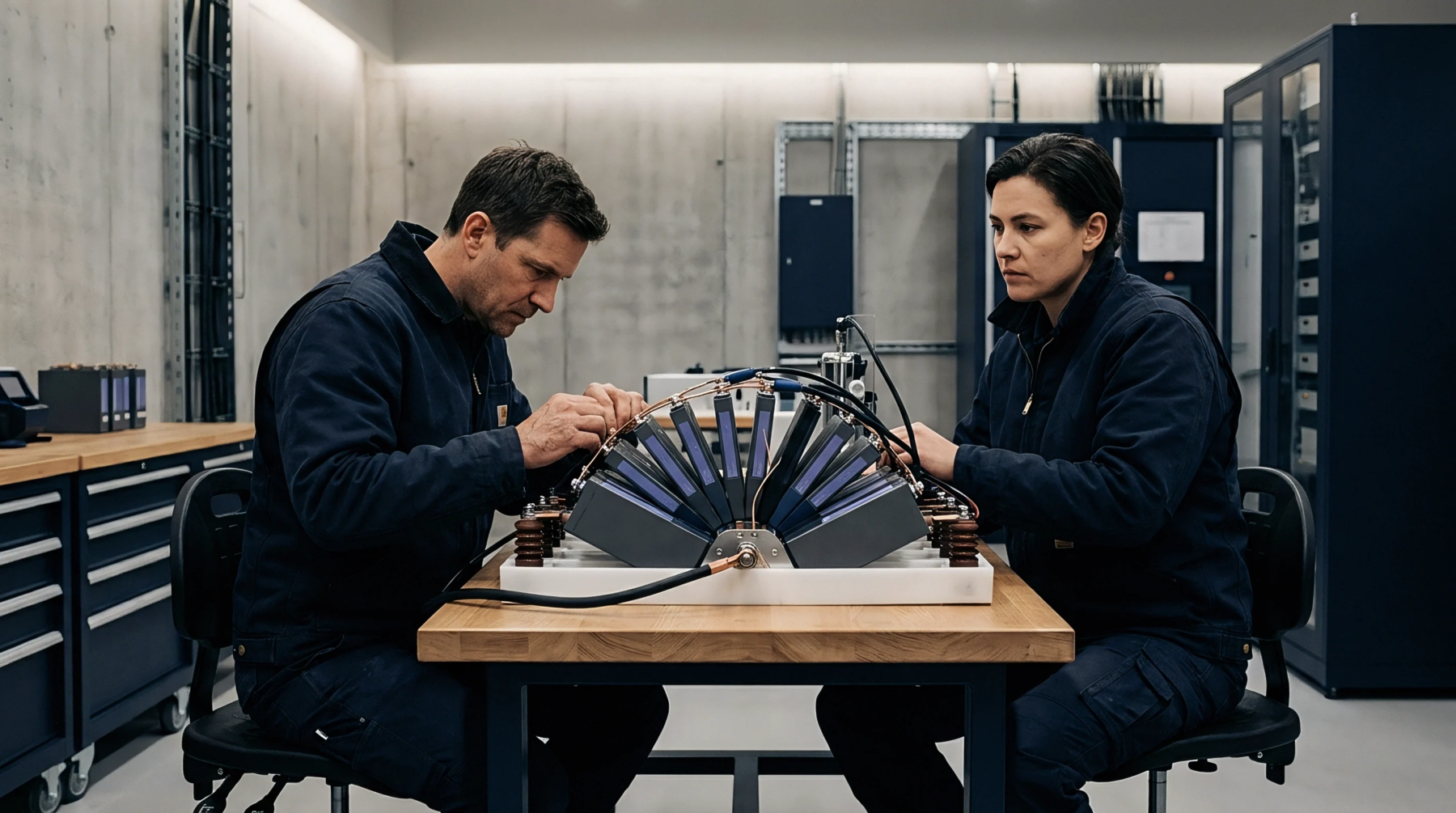
Cold climate warranty enforcement requires temperature-normalized 25°C thermal recovery soaking and cryptographic BMS logging to substantiate degradation claims.

Cross-border cell rejection terms protect buyer capital by linking AQL sampling, duty drawback destruction, and strict financial offset rights to clear interface limits.

Sub-zero lithium plating occurs when kinetic polarization drives anode surface potential below zero volts against reference lithium, demanding dynamic current derating profiles in cell procurement contracts.

Solvent vapor quantification via thermal pre-conditioning and GC-MS headspace screening prevents dangerous goods freight rejection and isolates cell micro-leaks before pack assembly.
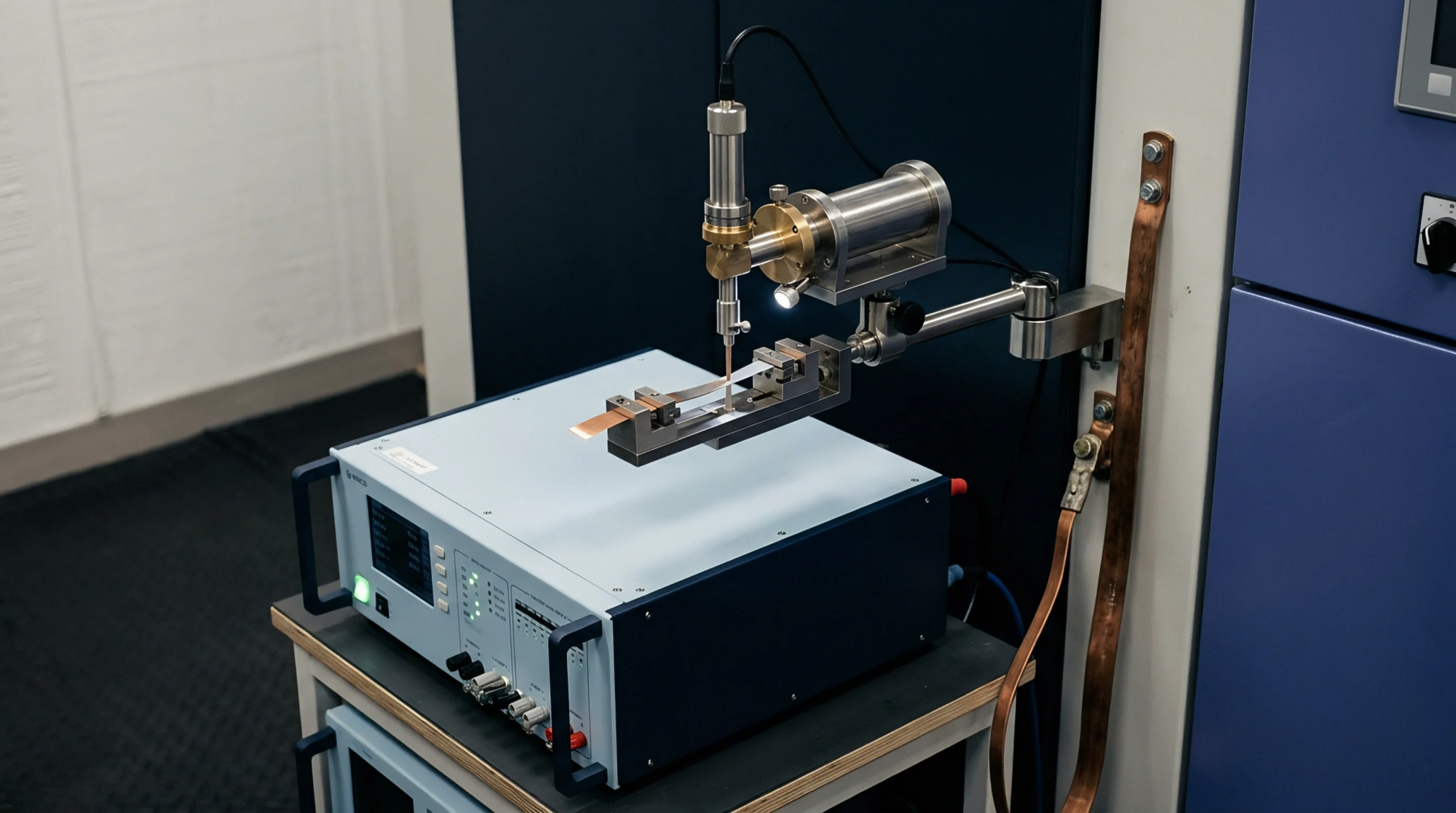
Optimal mechanical constraint extends lithium cell cycle life by suppressing electrode delamination while avoiding separator pore collapse and intergranular cathode fracture

Unenforced warehouse storage rules leave bulk lithium inventory exposed to catastrophic fire risks and uninsured multi-million dollar liability losses.

Turnkey sourcing trades upfront NRE capital for custom integration ownership, while white label buying eliminates development costs but surrenders supply chain control.

Datasheet cycle life claims overestimate real field performance by up to 45 percent under uncompressed thermal dynamic stress envelopes.
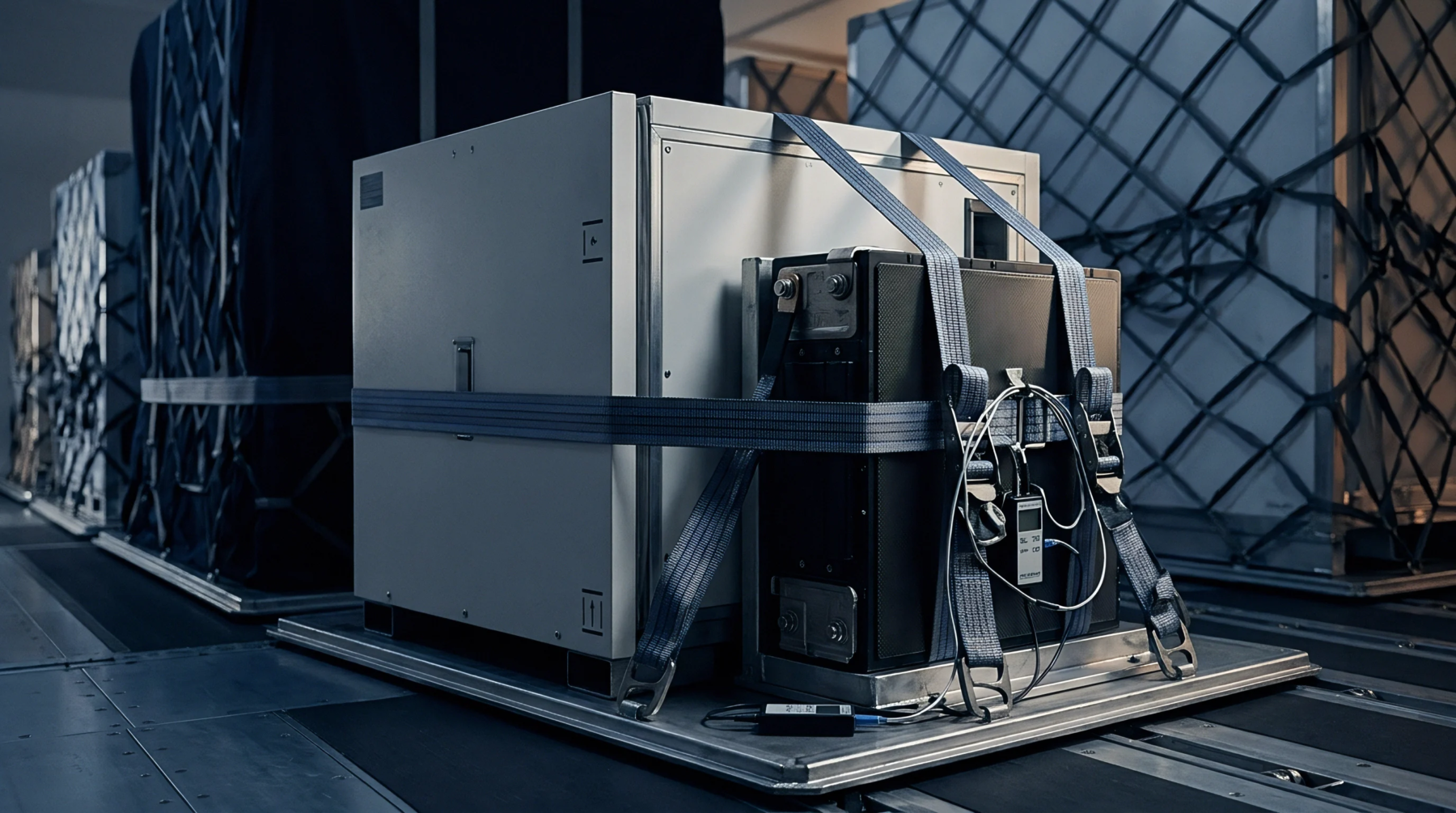
Lithium cell shipments require UN 38.3 bench qualification, 30 percent state-of-charge air caps, Class 9 packaging, and verified 10-field test summaries.
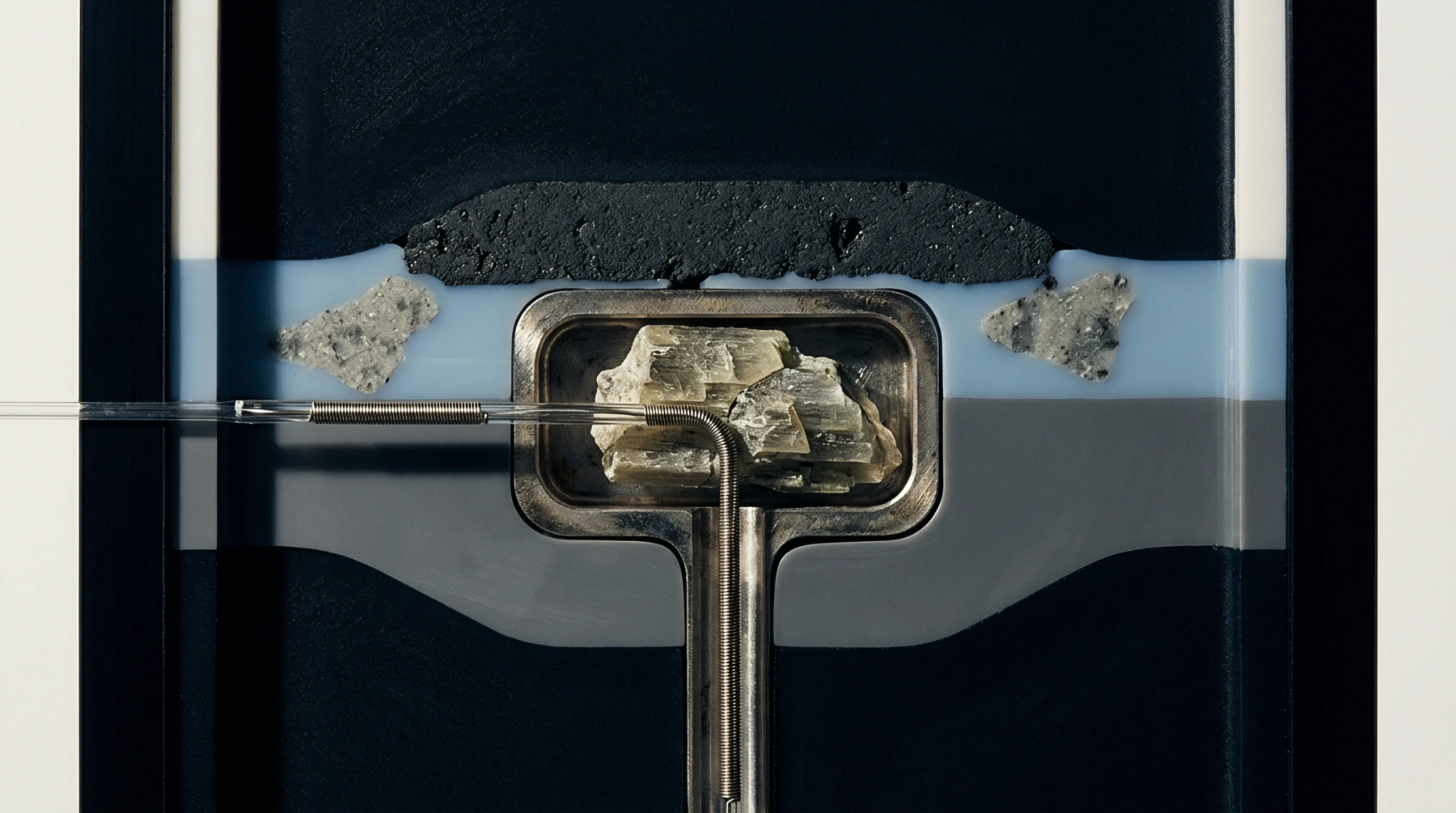
Cell chemistry selection dictates system safety, cycle longevity, thermal cooling architecture, dangerous goods logistics, and levelized storage cost per delivered cycle.
Align EU Regulation 2023/1542 importer duties with cross-border supply contracts using escrow technical files, letters of credit, and SOH reference test protocols.

Transporting lithium cells safely obligates buyers to match rigorous electrochemical characterization with enforceable contractual transport riders.

Spectrographic shear wear audits resolve sub-micron tool steel transfer on foil edges before micro-particles pierce separators and trigger cell short circuits.
Allocating interconnect warranty risk relies on strict micro-ohm baseline tracking, 1000V creepage isolation, and serial batch traceability.

Shipping defective battery hardware requires Special Provision 376 packaging and surface transport because air carriage is legally blocked for high-risk cells.

First article approval for pack stamping dies requires free-state optical scanning coupled with micro-sectioned edge burr verification below 0.03 mm.

Liability follows the Incoterm risk transfer point unless dangerous goods misdeclaration or unseaworthiness invalidates carrier and insurance protections.

EU Battery Framework enforcement turns carbon metrics into absolute market entry barriers governed by strict legal indemnification seams.

Immediate AC-IR screening and differential capacity testing reveal hidden transit degradation and cell capacity variance in sodium ion shipments.

Importers placing cells on the EU market must track staggered deadlines under Regulation 2023/1542 to ensure customs clearance and legal compliance.

Cell matching mathematics constrains series string capacity variance through multi-parameter binning and direct current resistance threshold alignment.

Electrode vacuum baking below 15 ppm residual water prevents hydrofluoric acid formation during electrolyte filling, preserving cell cycle life and landed margin.

Air cargo limits lithium-ion cells to 30% SOC under IATA PI 965, whereas sea freight allows higher SOC to prevent voltage collapse during transit.
Expertise is a utility, not a secret. sentiention™ publishes its working knowledge as open reference: intelligence layer covering the materials it sources, the markets it enters, and the reference that serves both.