
Sub-Zero Electrochemical Plating Mechanisms and Sensor Telemetry Architectures
Sub-zero charging forces anode potentials below zero volts, causing metallic lithium plating that requires real-time telemetry and strict current derating.
Sub-zero charging forces anode potentials below zero volts, causing metallic lithium plating that requires real-time telemetry and strict current derating.
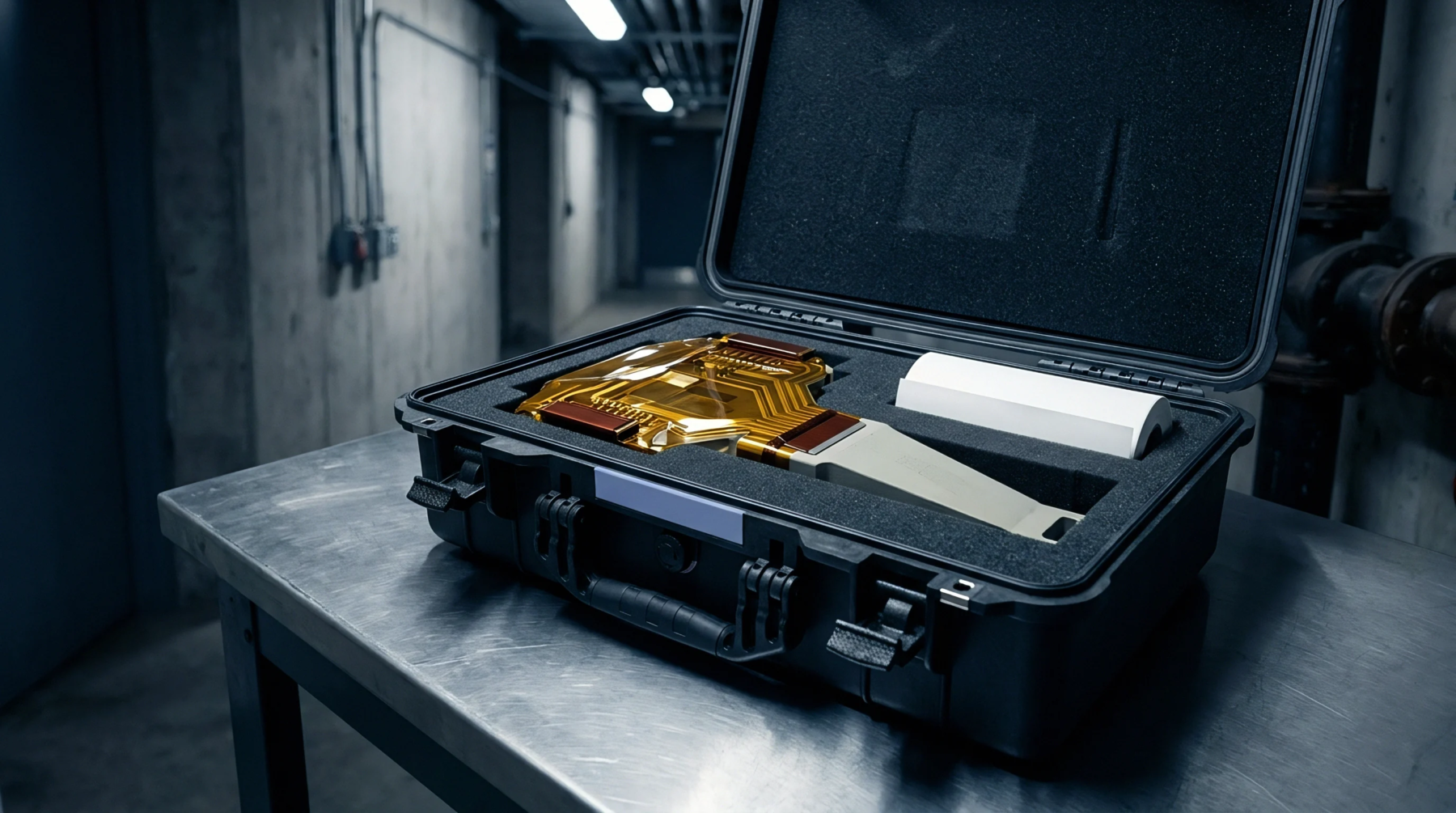
Operando fiber sensing decouples internal cell temperature and strain via multi-grating waveguides, detecting lithium plating onset before voltage deviations occur.

Dynamic module pressure retention requires continuous dynamic strain compensation to prevent lithium metal anode degradation and structural pack housing fatigue.

Triaxial fiber Bragg grating arrays resolve multi-axis strain and thermal drift inside pouch enclosures while maintaining hermetic seal boundaries.

Multi-point optical signal separation isolates mechanical strain from thermal drift, enabling real-time detection of localized anode lithium plating in fast-charged pouch cells.

Operando multi-point optical fiber sensing isolates localized metallic lithium plating by decoupling spatial thermal expansion from anisotropic mechanical strain.

Dynamic intra-cell thermal gradients generate thermoelectric voltage noise that masks lithium plating signals; decoupling algorithms isolate true stripping.
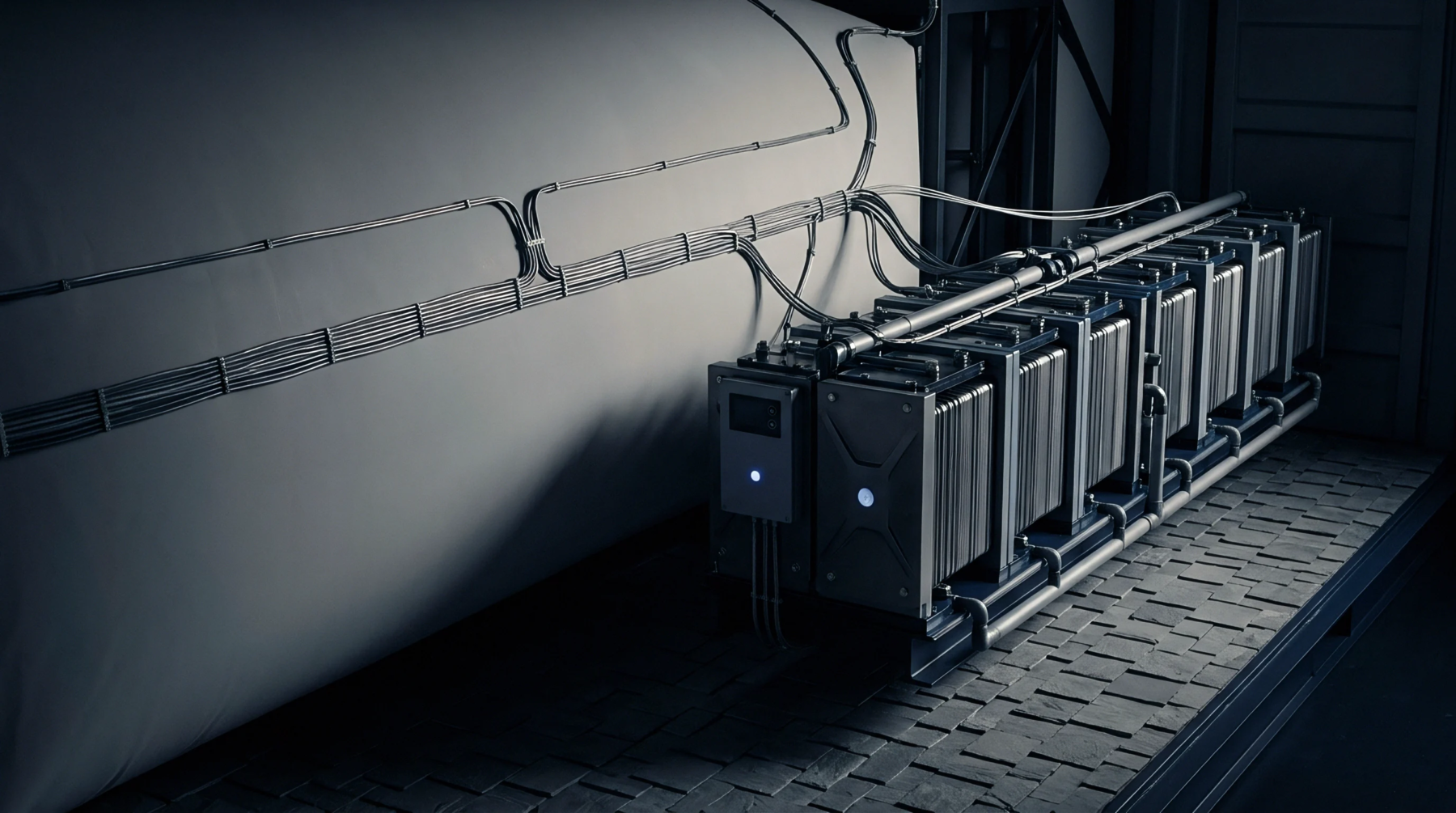
Multi-axis strain telemetry isolates cell swelling from pack frame shearing, providing cryptographically verified stress signatures that legally settle battery recall disputes.
Expertise is a utility, not a secret. sentiention™ publishes its working knowledge as open reference: intelligence layer covering the materials it sources, the markets it enters, and the reference that serves both.