Meaning
This globally recognized set of rules provides the essential procedures for shipping dangerous goods via commercial and cargo aircraft. Formally known as iata dgr, these instructions detail the specific packaging, labeling and quantity limits required to prevent inflight incidents involving hazardous materials. For the energy sector, this governing body sets the protocols for the air transport of lithium batteries based on their state of charge and weight.
It stops applying once the shipment transfers to ocean or road freight, which operate under different jurisdictional codes. The manual is updated annually to reflect changes in international law and safety data. It governs the eligibility of a battery pack for quick global deployment via aviation networks.
Regulatory Scope
Hazardous material classification relies on the definitions inside the yearly manual to ensure uniform safety across all airlines. Under iata dgr, products are assigned to specific categories based on the risk they pose during high altitude pressure changes. Lithium ion cells fall into class nine for miscellaneous dangerous goods because they carry the unique risk of thermal runaway.
Every shipment must include clear documentation that proves compliance with current safety thresholds. This governance ensures that ground handling teams understand exactly what they are loading into the hold. If a package lacks the mandatory markings, the air carrier rejects it immediately to protect the aircraft and crew.
Sourcing professionals must track these updates to avoid shipment delays at the borders of supply.
Packaging Protocol
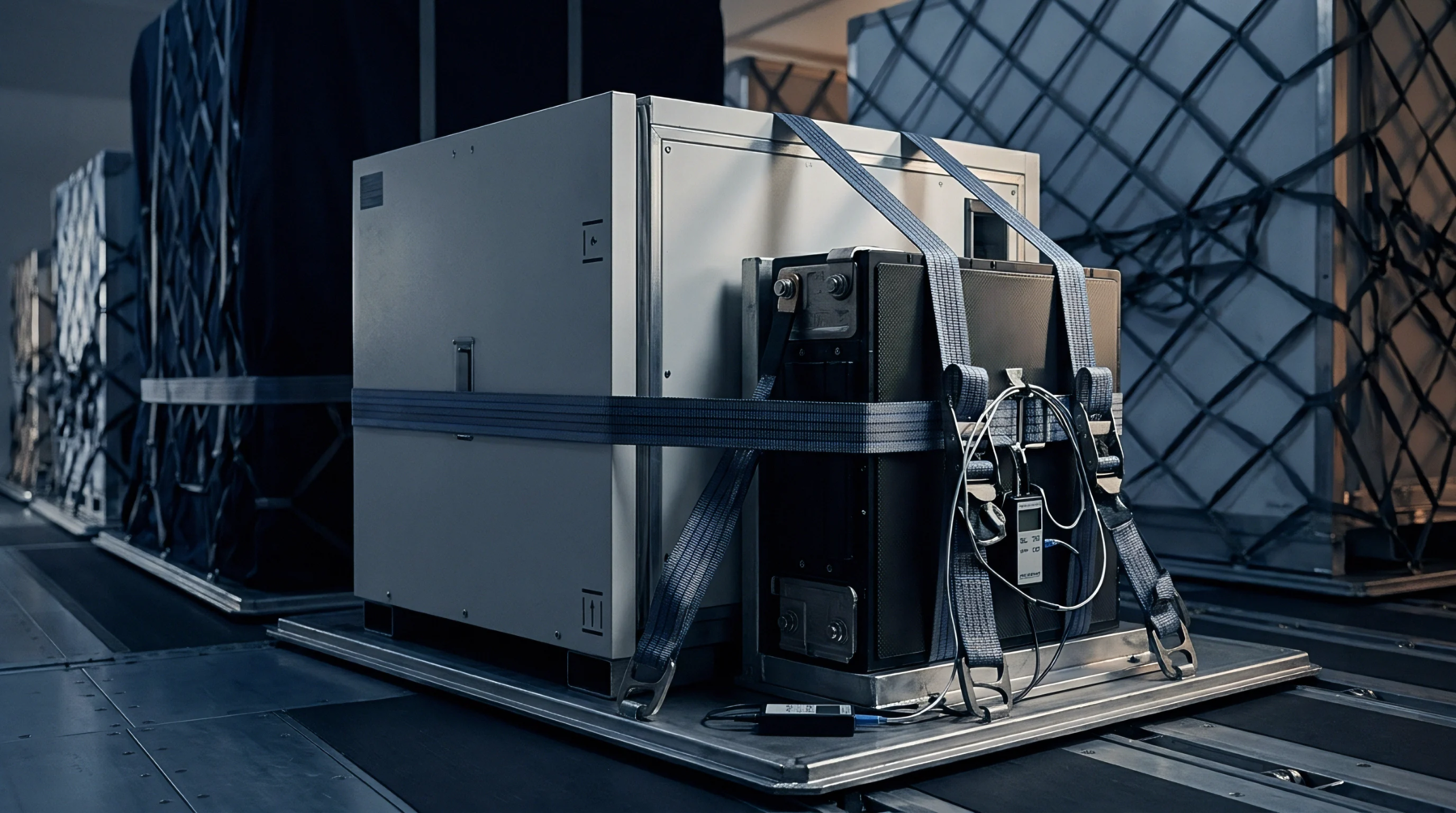
Securing hazardous goods for air travel requires multiple layers of containment to handle the stresses of flight. The instructions specify that inner containers must keep batteries from making contact with other cells to prevent internal short circuits. Outer containers must pass rigorous drop and stack tests to verify they can withstand mechanical impact without breaking open.
These requirements move the purchasing decision toward certified container suppliers who provide tested and approved configurations. Specialized cushioning materials are often required to absorb shocks during takeoff and landing. When small numbers of units are shipped, they follow different quantity restrictions than large commercial palettes.
Correct application of these protocols minimizes the chance of fire in the storage bay.
Operator Verification
Airlines carry the responsibility of checking that every parcel matches the provided documentation before it enters the plane. Through the use of checklists derived from iata dgr, terminal agents verify that the battery watt hour ratings do not exceed permitted levels. This verification step provides the final check in a long sequence of quality controls aimed at safety.
If discrepancies exist, the entire consignment is grounded until correct paperwork or packaging is supplied. Companies that fail these inspections regularly face fines and suspension from shipping services. Maintaining a high standard for logistics ensures that international customers receive cells within the promised delivery windows.
Clear labeling and honest weight declarations provide the foundation for safe aviation commerce in the energy storage sector.