
Converting Measured Helium Tracer Ingress into Equivalent Air Leak Rates
Helium ingress converts to equivalent air leak rates through Knudsen flow regime math, using viscosity for viscous flow and molar mass for molecular flow.
Helium ingress converts to equivalent air leak rates through Knudsen flow regime math, using viscosity for viscous flow and molar mass for molecular flow.
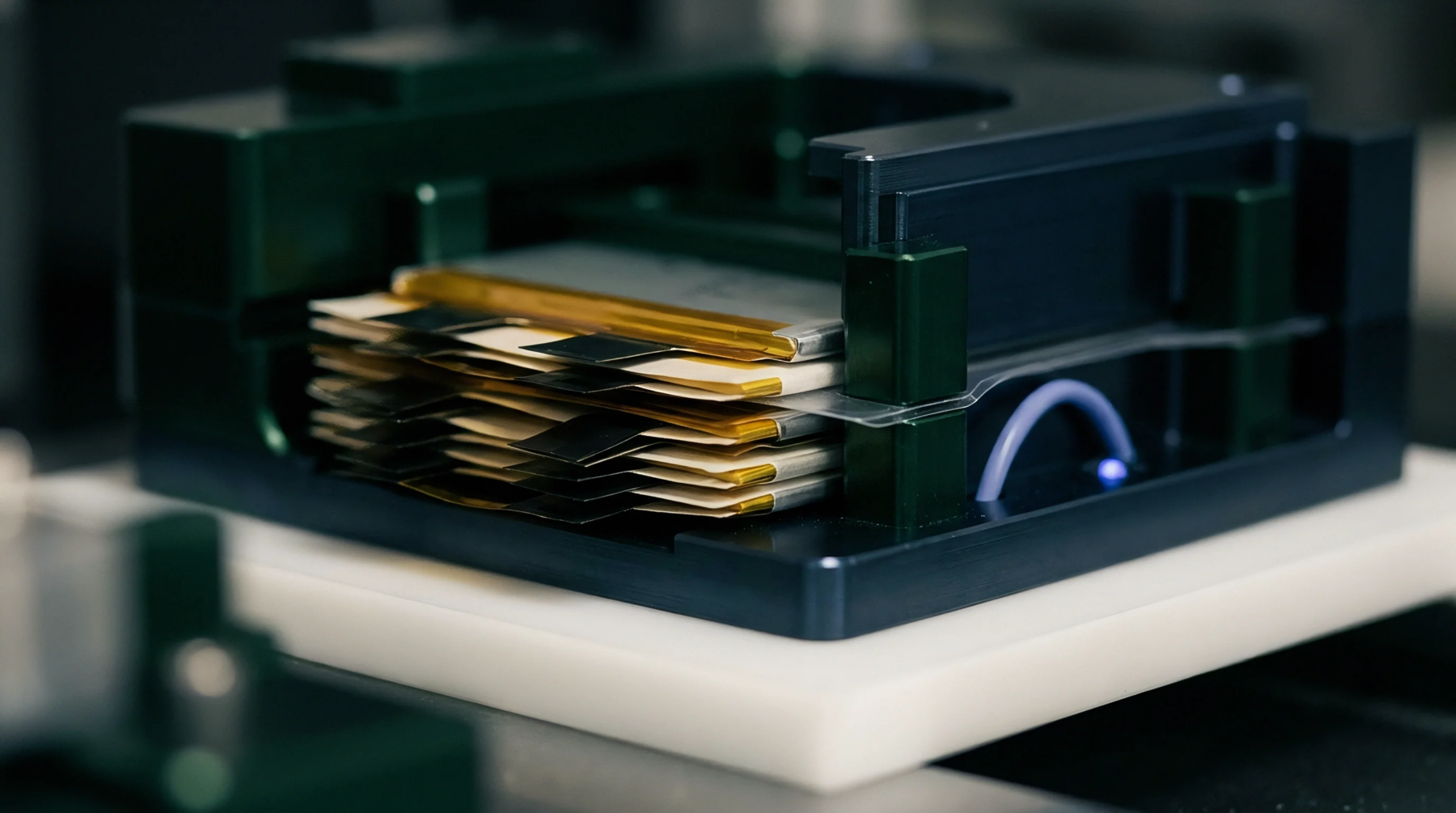
Tracer helium mass spectrometry quantifies fine pouch cell micro-leaks down to 10-9 mbar L/s to prevent moisture ingress and hydrofluoric acid generation.

Enforceable commercial indemnity for dangerous goods dossier gaps requires standby letters of credit tied to verified ISO/IEC 17025 test scope schedules.

Verify UN 38.3.5 test summary fields and ISO 17025 lab accreditation before shipment to eliminate carrier rejections and avoid port demurrage liabilities.

A compliant lithium cell test summary requires ten mandatory UN 38.3.5 fields verified against primary laboratory reports prior to customs filing.

Reconciling factory capability metrics with pack degradation liability requires binding suppliers to verifiable Cpk thresholds backed by telemetry warranty remedies.

Auditing cell factory quality systems requires rigorous verification of front-end electrode parameters, K-value aging data, and UN 38.3 dangerous goods files.

A compliant UN 38.3 test summary requires ten mandatory elements to clear lithium cell shipments through international dangerous goods customs inspections.

Viscoelastic separator creep during fast charge compresses pore networks, forcing localized lithium plating unless spring preloads accommodate anodic expansion.

Decoupling intercalation strain from thermal expansion requires compliant dynamic clamping and isothermal dilatometry to separate reversible phase swell from CTE.

Hermetic optical fiber pouch seals degrade through HF acid etching and polymer swelling, requiring metal ferrules and strict leak screening under UN 38.3.
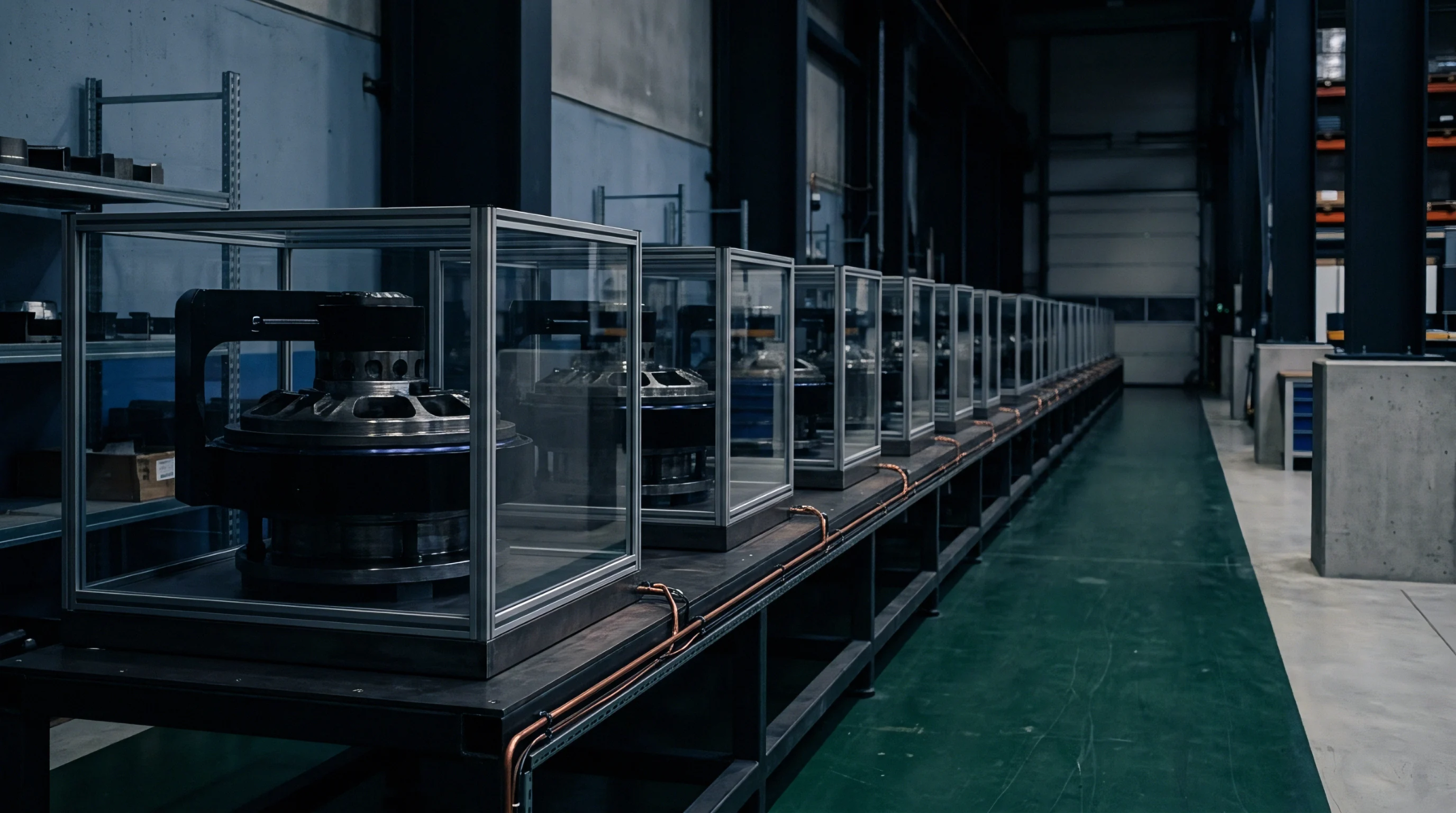
Operando dilatometry isolates high-nickel lattice strain and swelling forces to prevent module endplate failure and secure transport safety compliance.

Decoupling operando strain and temperature signals requires paired optical sensors with distinct sensitivity matrix inversion to isolate electrochemical swelling.

Embedded Fiber Bragg Gratings deliver isolated internal strain and thermal metrics when polyimide coatings and dual-sensor decoupling geometries are specified.

Thermal gradients across solid-state cells drive Soret cation migration, inducing interfacial voiding that fails UN 38.3 thermal tests and invalidates dossiers.

Decoupling thermal diffusion polarization from interphase resistance growth requires continuous Arrhenius normalization and high-frequency core thermometry.

Contractual allocation of EU Battery Passport diagnostic drift requires bench verification under IEC 62660-1 to enforce component indemnification caps.

Accurate solid electrolyte interphase diagnostics under fast charging rely on temperature-decoupled impedance metrics to avoid false plating rejections.

Time-domain separation isolates thermoelectric Seebeck decay from mass diffusion to evaluate cell self-discharge and latent micro-shorts in four hours.

Spatial thermal gradients distort cell terminal voltage, corrupting battery management state estimators and accelerating real degradation under active load.

Uncalibrated cell tab thermal gradients distort qualification cycle-life data, exposing battery buyers to massive unhedged field warranty liabilities.

Calibrating high current cell terminal thermal interfaces demands traceable sensor calibration, strict torque retention, and explicit uncertainty budgets.
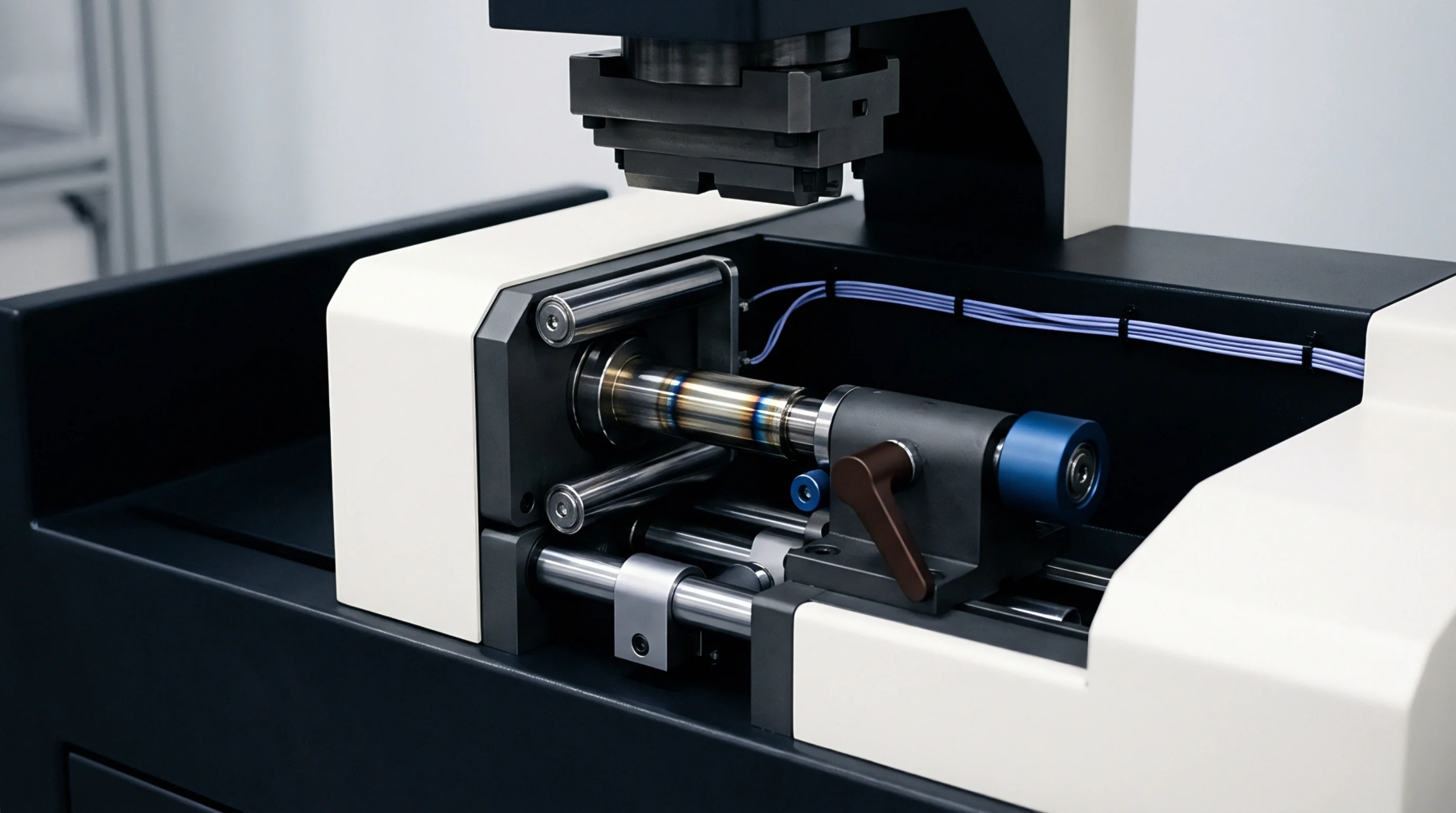
Active isothermal terminal control prevents fixture contact heat from distorting internal cell current density and corrupting high-rate battery qualification data.

Elevated bombing temperatures accelerate polymer helium uptake, requiring diffusivity-compensated vacuum dwell times to prevent false leak rejections.
Expertise is a utility, not a secret. sentiention™ publishes its working knowledge as open reference: intelligence layer covering the materials it sources, the markets it enters, and the reference that serves both.