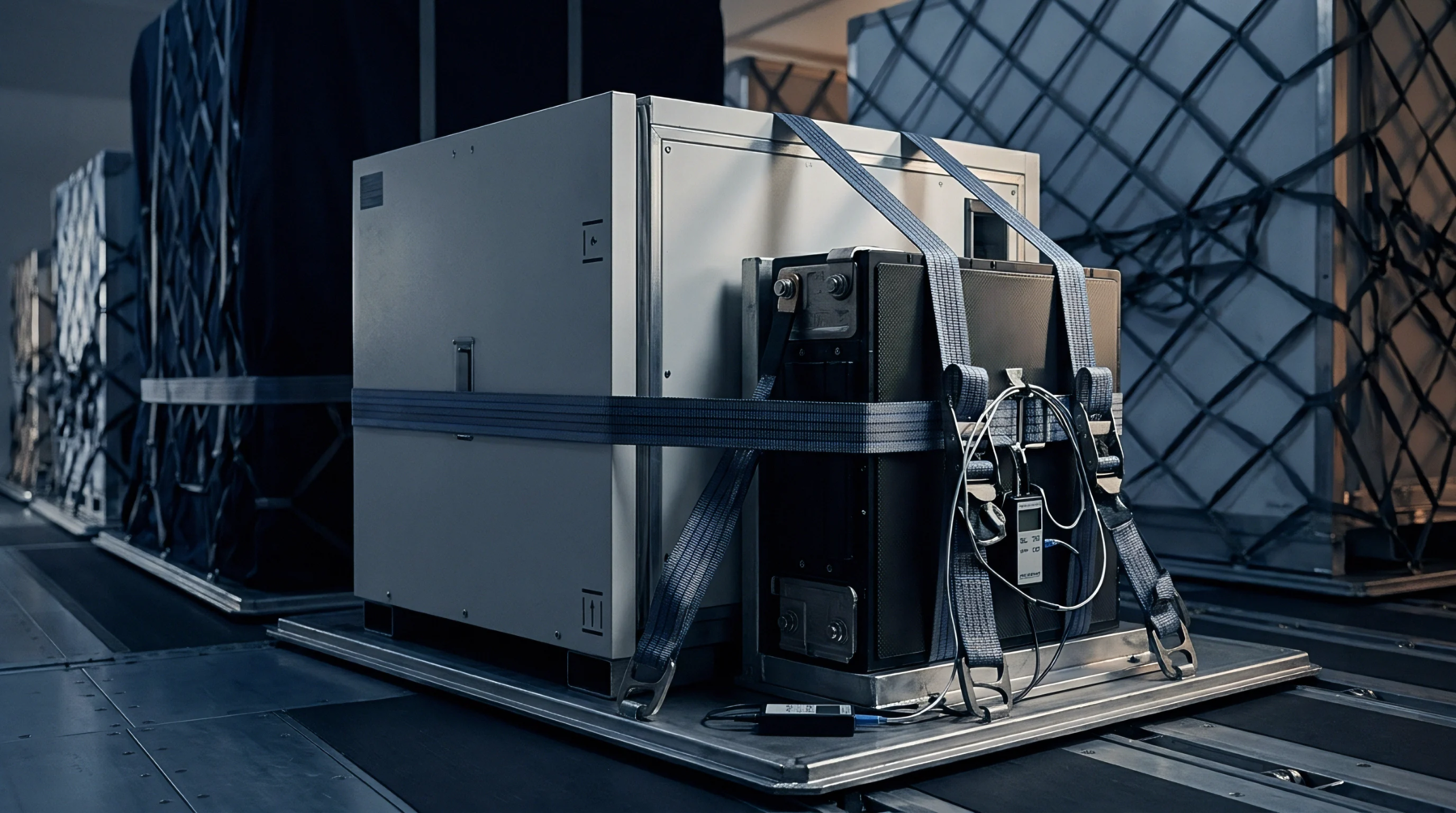
Auditing Battery Test Summary Certificates against Air Cargo Packing Instructions
Auditing UN 38.3.5 summary certificates against IATA air packing instructions requires cross-referencing cell test data, Watt-hour limits, and 30% state of charge.
Auditing UN 38.3.5 summary certificates against IATA air packing instructions requires cross-referencing cell test data, Watt-hour limits, and 30% state of charge.

Validate UN 38.3 test summaries by verifying all ten 38.3.5 fields, ISO 17025 lab scope, and cell mass against physical cargo prior to freight tender.
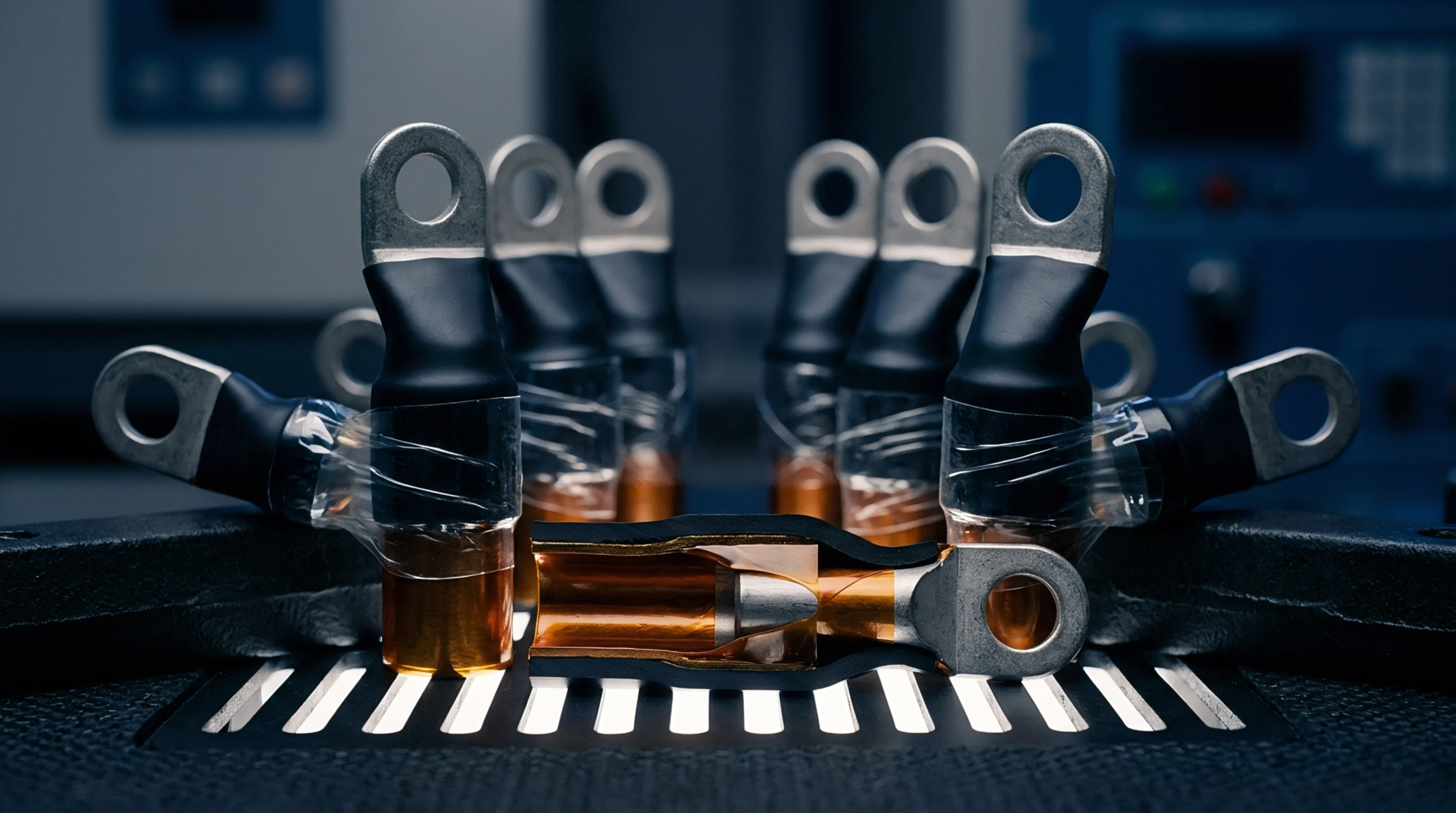
Terminal holds on Class 9 battery shipments trigger compounding hazardous demurrage and carrier liens that force cargo destruction if UN 38.3 defects remain.

Maritime hazardous storage surcharges allocate to the party causing documentation delays unless contracts explicitly cap dwell liability and shift costs.
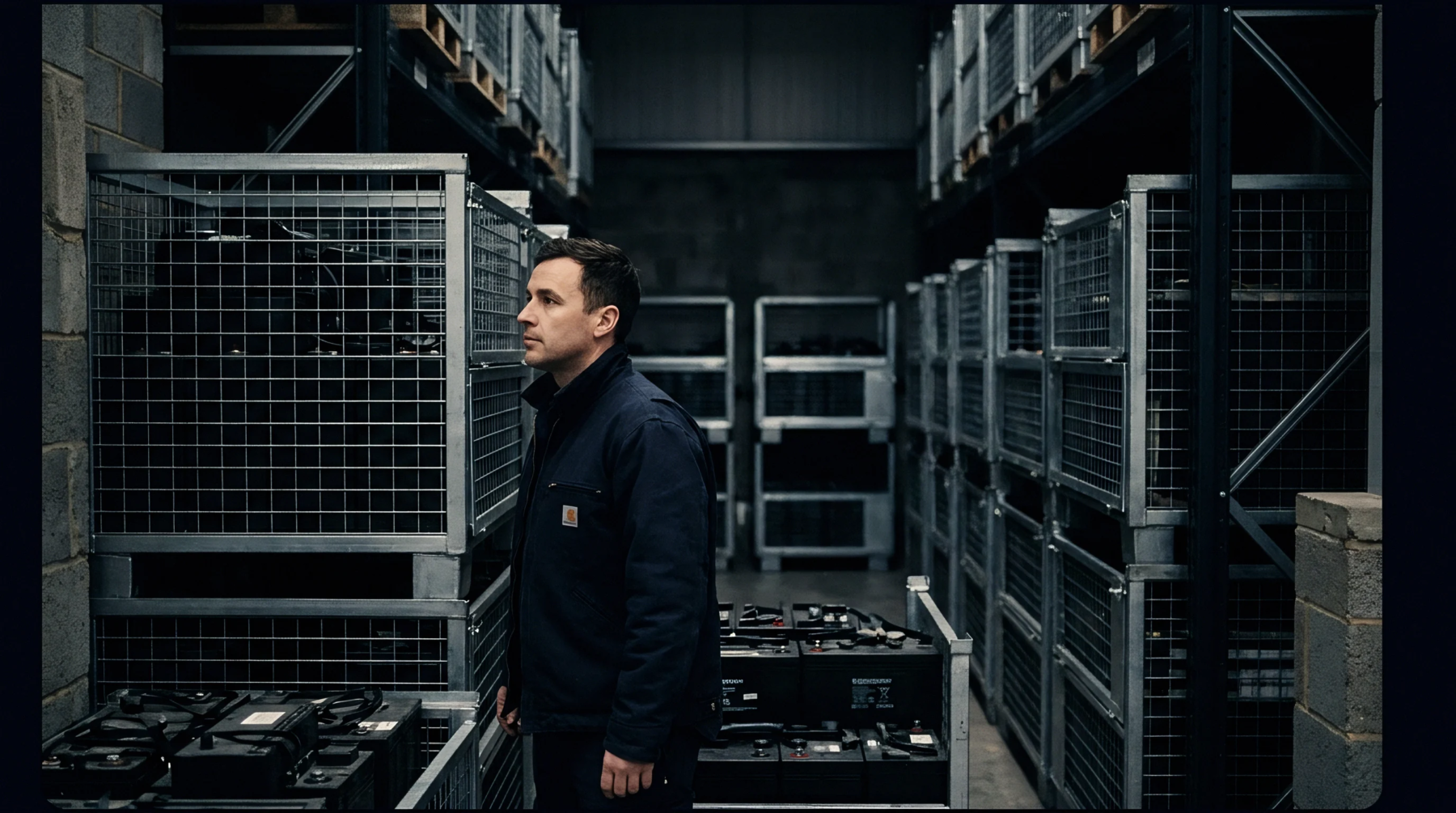
Ocean carriage of lithium batteries demands strict IMDG classification, maximum thirty percent state of charge, Category D weather-deck stowage, and verified UN 38.3 test dossiers.
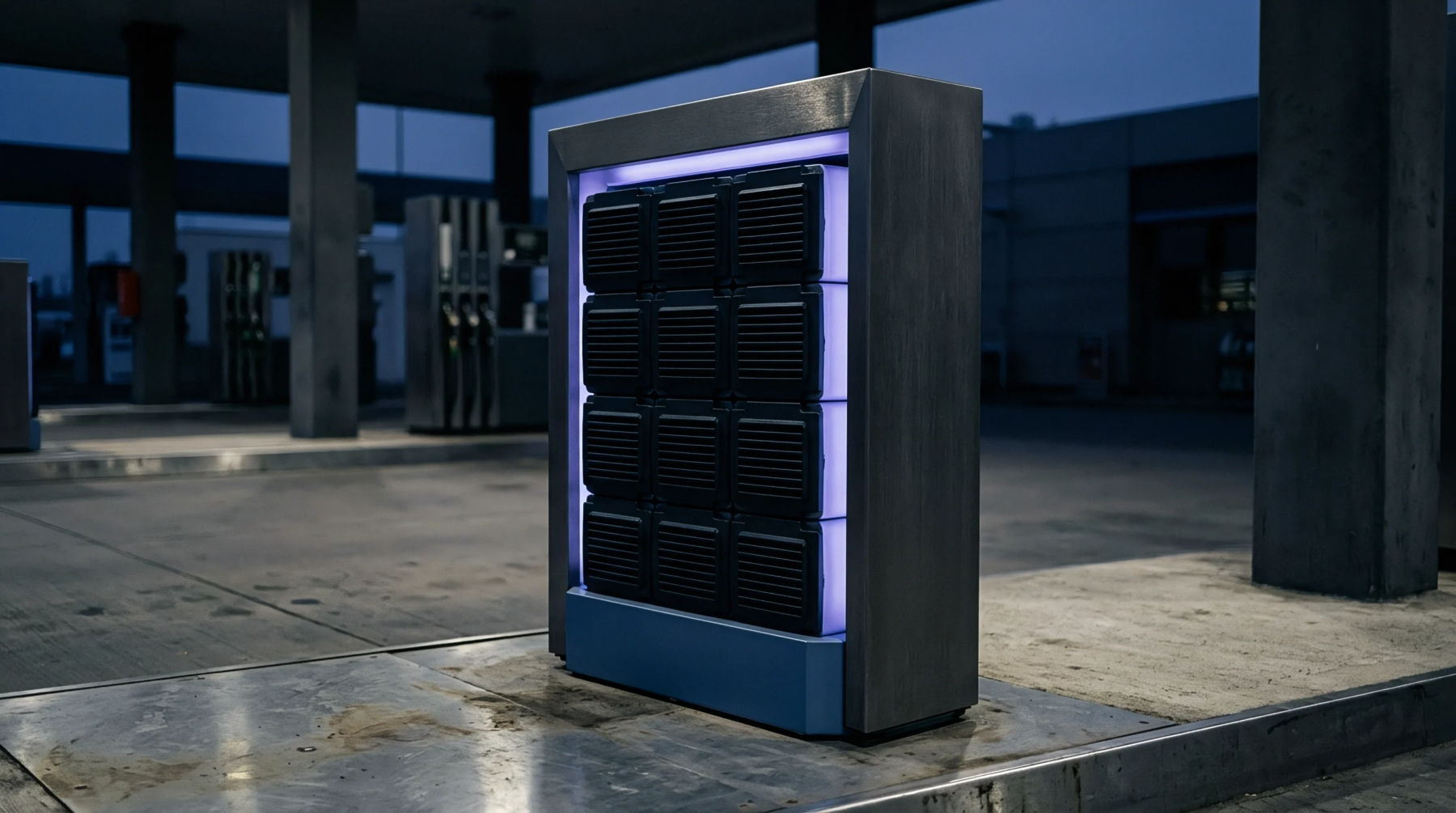
Dynamic pulse impedance screening resolves iron phosphate open-circuit voltage ambiguities during high-throughput airport dangerous goods acceptance inspections.

Correlating open circuit voltage with transport charge limits requires chemistry-specific relaxation curves to prevent carrier rejections on air cargo.

UN 38.3 compliance audits require matching cell part numbers, verifying ISO 17025 lab credentials, and locking liability terms before shipping.

Verify UN 38.3 test summaries by cross-checking lab accreditation, model names, and mandatory fields to prevent air cargo rejections and import impoundment.

Primary accreditation schedule verification requires cross-checking laboratory ISO/IEC 17025 scope dates against physical UN 38.3.5 test summary parameters.

Customs safety file auditing demands cross-matching cell part numbers, UN 38.3.5 test summaries, and dangerous goods declarations prior to vessel loading.

Validating foreign laboratory scopes requires matching cell parameters against accredited test standards and equipment limits to secure valid customs clearance.

Subcontracted lab exclusions in UN 38.3 summaries trigger port entry holds; buyers must cross-reference ISO 17025 scopes against parameter schedules.

Auditing UN 38.3 test summaries requires validating laboratory accreditation, matching cell mass and capacity, and verifying all ten mandatory 38.3.5 items.
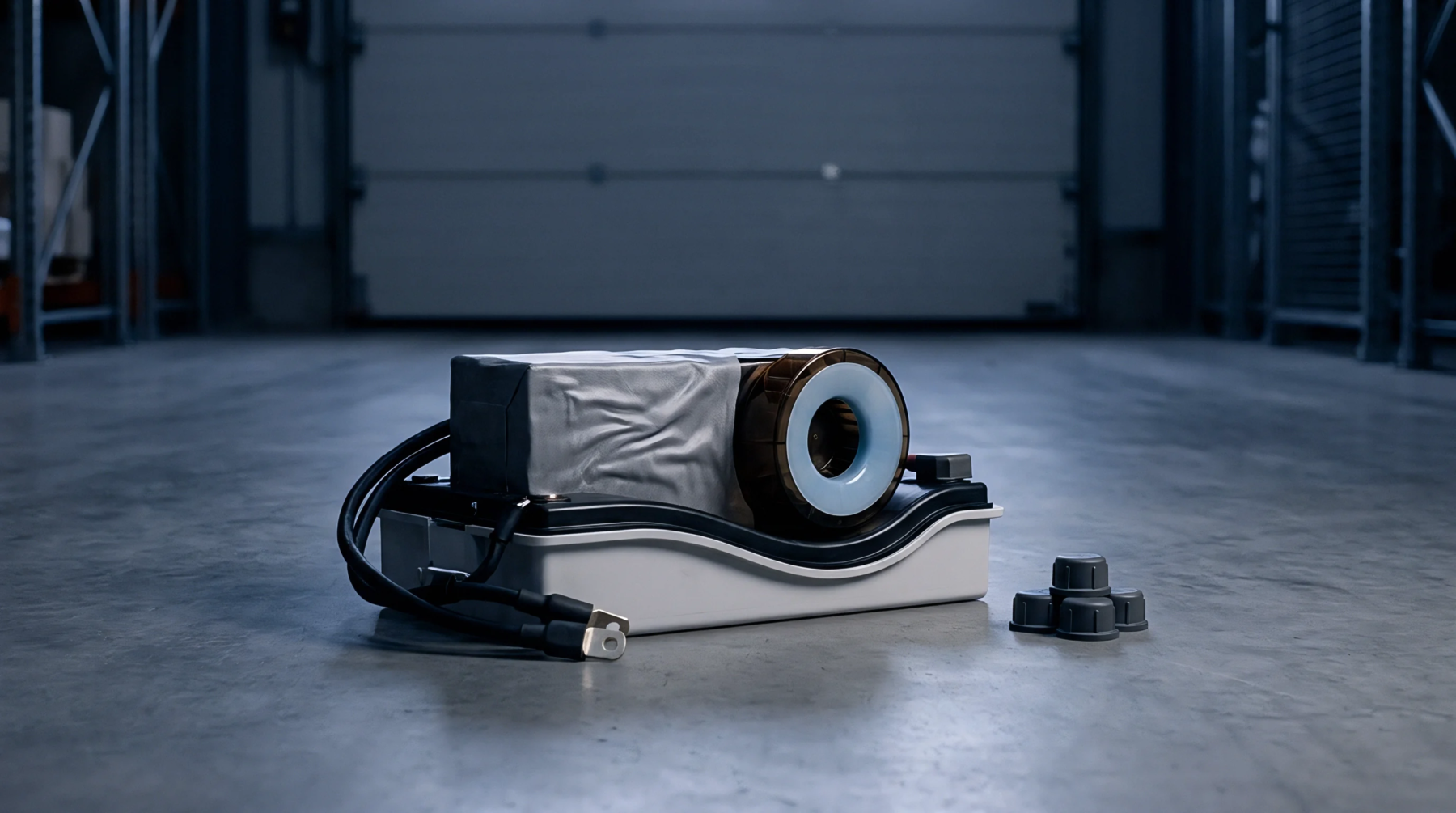
Regulatory file ownership in custom battery pack procurement dictates legal import authority, transport compliance liability, and multi-factory manufacturing rights.
A compliant lithium cell test summary requires ten mandatory UN 38.3.5 fields verified against primary laboratory reports prior to customs filing.

A compliant UN 38.3 test summary requires ten mandatory elements to clear lithium cell shipments through international dangerous goods customs inspections.

Exceeding a 20 percent shift in mass or Watt-hours, or 0.1 V in nominal voltage, voids UN 38.3 certification and legally mandates complete pack retesting.

UN 38.3 qualification requires passing T.1-T.8 abuse tests and securing a standardized test summary certified at 30% state of charge for air carriage.
Verify UN 38.3 test summaries against physical cell markings and ISO 17025 lab databases before dispatch to prevent customs seizure and terminal demurrage.

Uncertified lithium battery consignments move legally under Special Provision 310 and PI 910 packaging with state competent authority flight permits.

Prototype cell shipments require competent authority permits and Packing Group I containment while contracts shift all carrier diversion risks to shippers.
Automated digital ledgers match physical cell hashes with dangerous goods paperwork to guarantee transpacific air cargo compliance and prevent gateway delays.

Auditing an ISO 17025 laboratory scope confirms that air battery dangerous goods test summaries match exact cell parameters and accredited test parameters.

Subcontractor cell certification gaps expose shippers to strict aviation liability that contracts cannot shift without direct manufacturer test assignments.
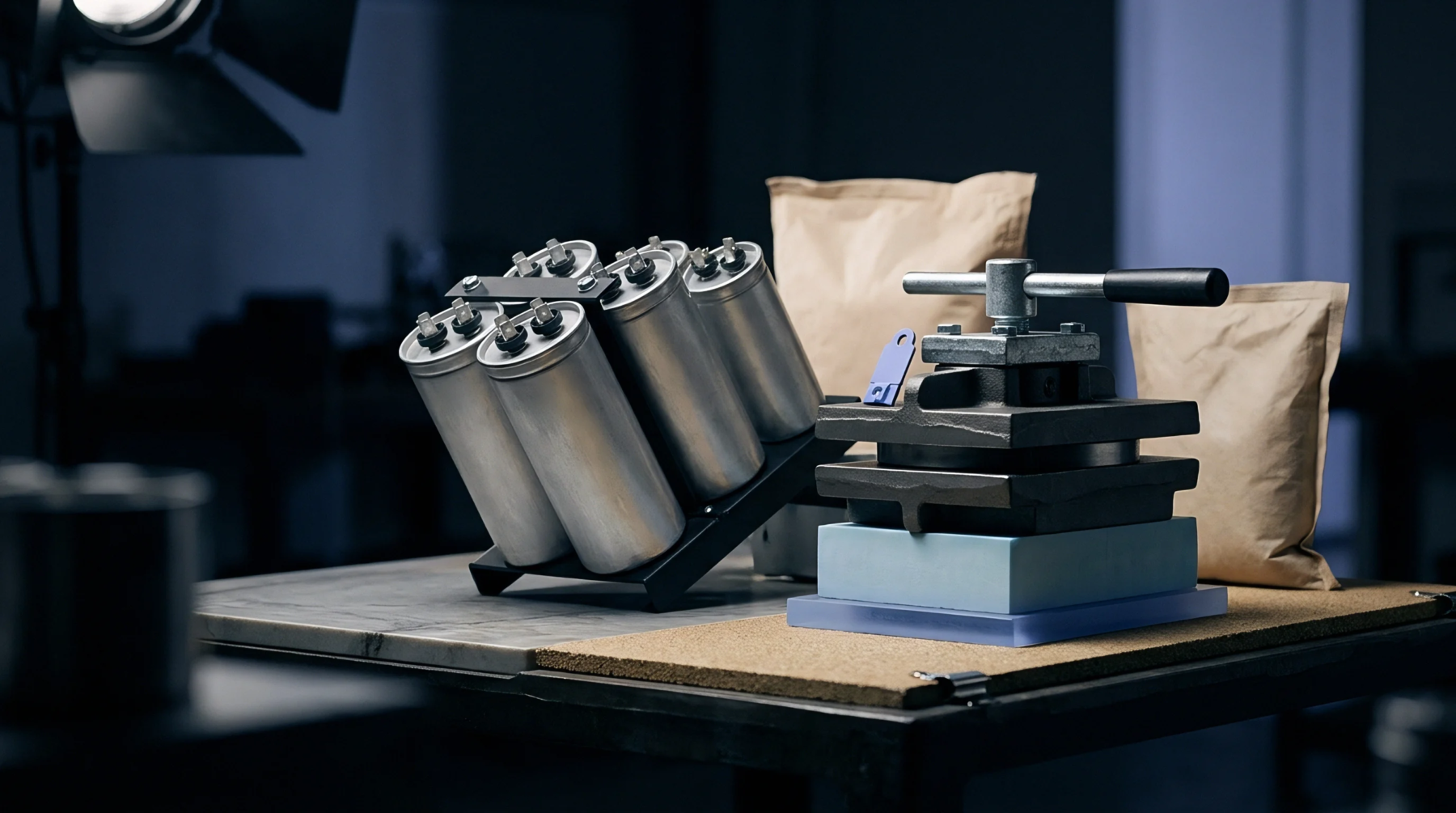
Validating UN Manual test summaries demands tracing cell and pack part numbers, weights, and lab accreditations directly back to originating test facilities.

Air cargo battery acceptance requires verifying UN 38.3 test summaries, SDS transport details, and DGD packaging instructions against physical cargo labels.

Automated validation pipelines parse and verify UN 38.3 test summaries against regulated schemas to prevent dangerous goods shipping blocks and liability fines.

Compliant cross-border battery transport requires an unredacted UN 38.3.5 test summary aligning with carton marks and carrier acceptance checks.

Compliant battery imports demand verified UN 38.3 test summaries, accurate dangerous goods declarations, state of charge caps, and partner agency clearances.
Expertise is a utility, not a secret. sentiention™ publishes its working knowledge as open reference: intelligence layer covering the materials it sources, the markets it enters, and the reference that serves both.