
Inbound Lithium Ion Cell Receiving Inspection and Standard Operating Procedures
Inbound cell receiving mandates thermal quarantine, UN 38.3 documentation verification, four-wire impedance sampling, and strict AQL defect thresholding.
Inbound cell receiving mandates thermal quarantine, UN 38.3 documentation verification, four-wire impedance sampling, and strict AQL defect thresholding.

Legal importers face strict liability and full financial recall exposure for cell shipments backed by unaccredited subcontracted UN 38.3 transport test schedules.

Importers lower hazardous cargo clean-up liability by structuring purchase escrows and drafting explicit hazardous waste indemnities.
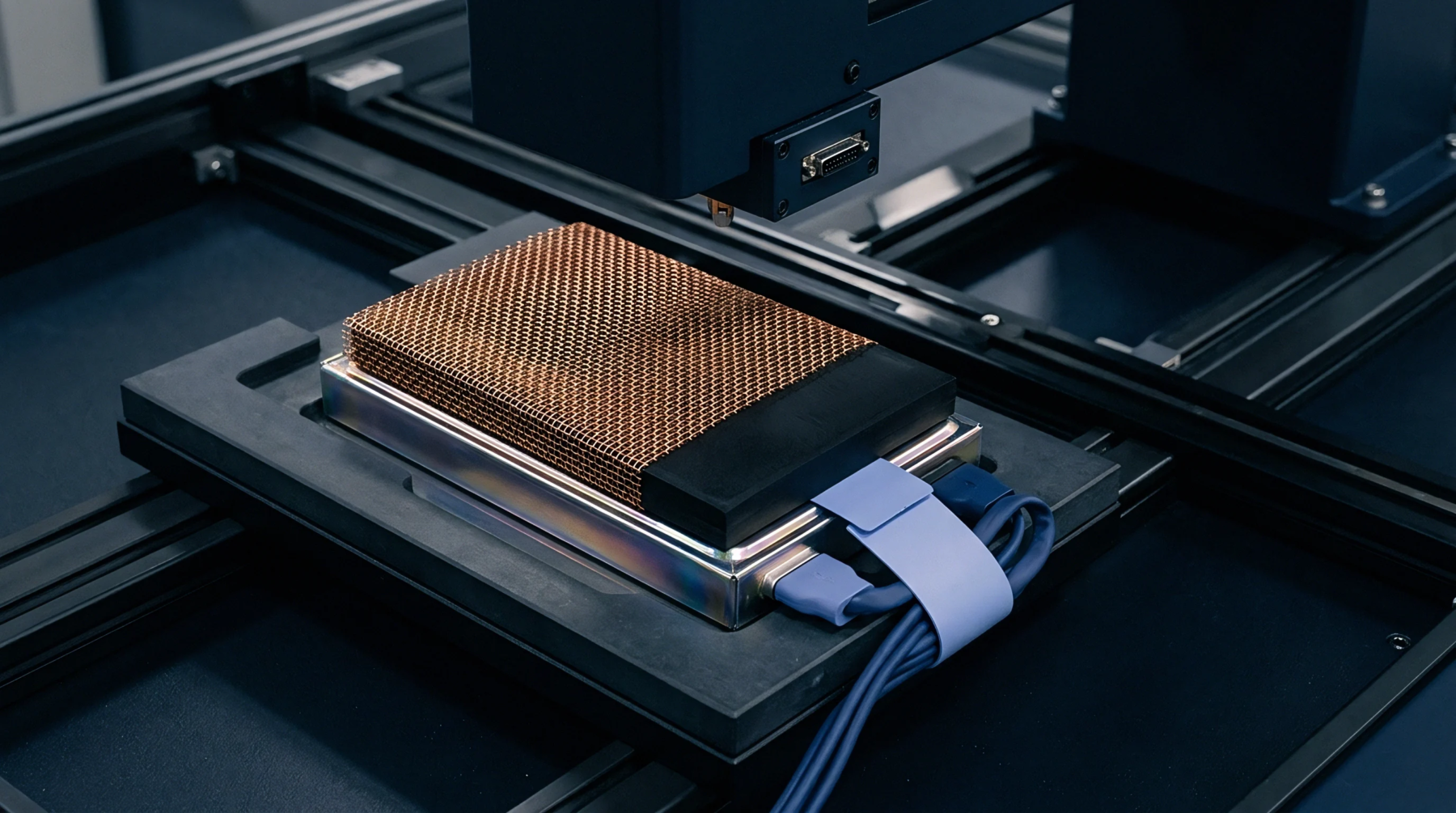
Air freight clearance for lithium batteries demands a fully compliant UN 38.3 test summary matching cell serials, state of charge, and IATA packing rules.

Reconciling module test reports with final pack enclosure safety documentation requires mapping insulation resistance, UN 38.3 metrics, and transport state-of-charge data.

Align UN 38.3 test summary model numbers, watt-hour ratings, and test editions with carrier booking forms to prevent cargo rejection and terminal demurrage fees.

Validating UN 38.3 transport test summaries requires verifying ten specific data fields against accredited laboratory reports before cargo tender.

Pouch cell heat seals require precise thermal pressing and non-destructive inline acoustic or helium screening to prevent micro-void leaks during transit.
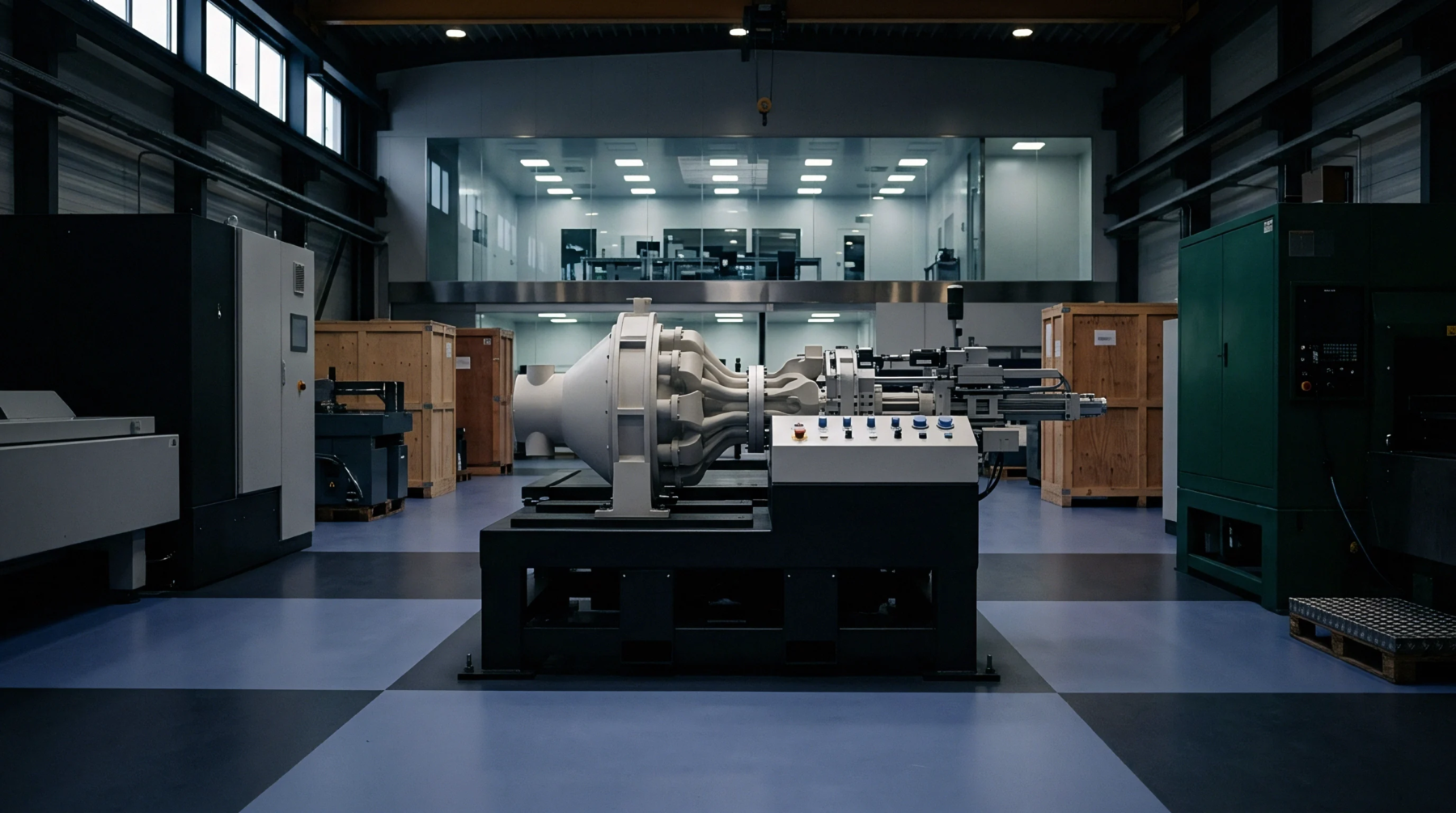
Non-compliant battery seizures trigger compounding port detention, equipment demurrage, statutory fines, and hazmat destruction costs exceeding cargo value.

Freight forwarder intake controls verify UN 38.3.5 test summaries by cross-referencing cell parameters, laboratory accreditation, and physical cargo markings
Expertise is a utility, not a secret. sentiention™ publishes its working knowledge as open reference: intelligence layer covering the materials it sources, the markets it enters, and the reference that serves both.