
Standardized Verification Protocols for Dangerous Goods Import Document Audits
Rigorous dangerous goods document audits verify UN 38.3 test summaries, safety data sheets, and shipper declarations to prevent costly port delays and cargo holds.
Rigorous dangerous goods document audits verify UN 38.3 test summaries, safety data sheets, and shipper declarations to prevent costly port delays and cargo holds.

Transport certificates for fresh cells fail to cover chemically aged stock, exposing buyers to severe maritime customs rejections and uninsured liability.

Verify UN 38.3 test summaries and state-of-charge limits before signing dangerous goods manifest declarations to prevent port seizures and cargo holds.

Liability follows the Incoterm risk transfer point unless dangerous goods misdeclaration or unseaworthiness invalidates carrier and insurance protections.

Transporting lithium cells safely obligates buyers to match rigorous electrochemical characterization with enforceable contractual transport riders.

Cross-border cell movement requires an unbroken paper trail linking UN 38.3 lab tests, 30% SOC limits, GHS safety data sheets, and local customs filings.

Verify UN 38.3.5 test summary lab accreditation, physical model metrics, and 30 percent SOC limits prior to air cargo tendering to avoid stranded shipments.

A UN 38.3 test summary requires ten mandatory data fields, lab accreditation validation, and exact serial batch matching to clear dangerous goods air freight.

UN 38.3 mandates eight environmental and electrical safety tests for lithium batteries, requiring verified test summaries for legal commercial transport.

Verify UN 38.3 test summaries by matching technical report fields against accredited lab databases, factory trace codes, and physical SOC transport limits.

Importing lithium batteries demands verifying UN 38.3.5 test summaries, ISO 17025 lab scope, state of charge limits, and importer dossier records.

Validating ISO 17025 ILAC accreditation scopes for UN 38.3 test summaries before shipment prevents carrier refusals and port impoundments.

Enforce zero-acceptance sampling plans and 48-hour thermal soak protocols on imported prismatic cell lots to prevent non-conforming units from entering pack production lines.
Auditing freight forwarder dangerous goods acceptance requires validating UN 38.3.5 test summaries, 30 percent state of charge limits, and packaging integrity.

Customs clearance for imported cells requires an authenticated UN 38.3.5 test summary, compliant SDS, and validated laboratory scopes to pass border entry audits.

Verify ISO 17025 accreditation schedules directly against test report parameters to ensure cell safety certification remains legally valid across borders.

UN 38.3 test summaries supply ten mandatory technical data points verifying cell safety across global freight networks under international shipping laws.

Auditing battery laboratory accreditations requires matching exact test standards against ISO 17025 scopes while enforcing drift limits on cell data.
Contractual risk transfer for battery logistics requires strict UN 38.3 documentation covenants, state-of-charge limits, and un-capped seller indemnities.

Lithium cell importation demands strict UN number classification, verified UN 38.3 test summaries, thirty percent state of charge, and compliant packaging.

Buyers secure full indemnification and third-party laboratory verification before accepting lithium transport summaries to prevent impoundment liabilities.

Customs holds on battery imports compound per-diem liabilities, requiring explicit contractual indemnity structures and rapid bonded transfer procedures to mitigate risk.
Resolve transborder cell test liabilities by enforcing ILAC-MRA accredited retesting, securing escrow retentions, and substituting compliant dangerous goods dossiers.
Port entry verification of UN 38.3 test summaries requires cross-referencing laboratory ISO 17025 scope schedules against cell mass and test parameters.
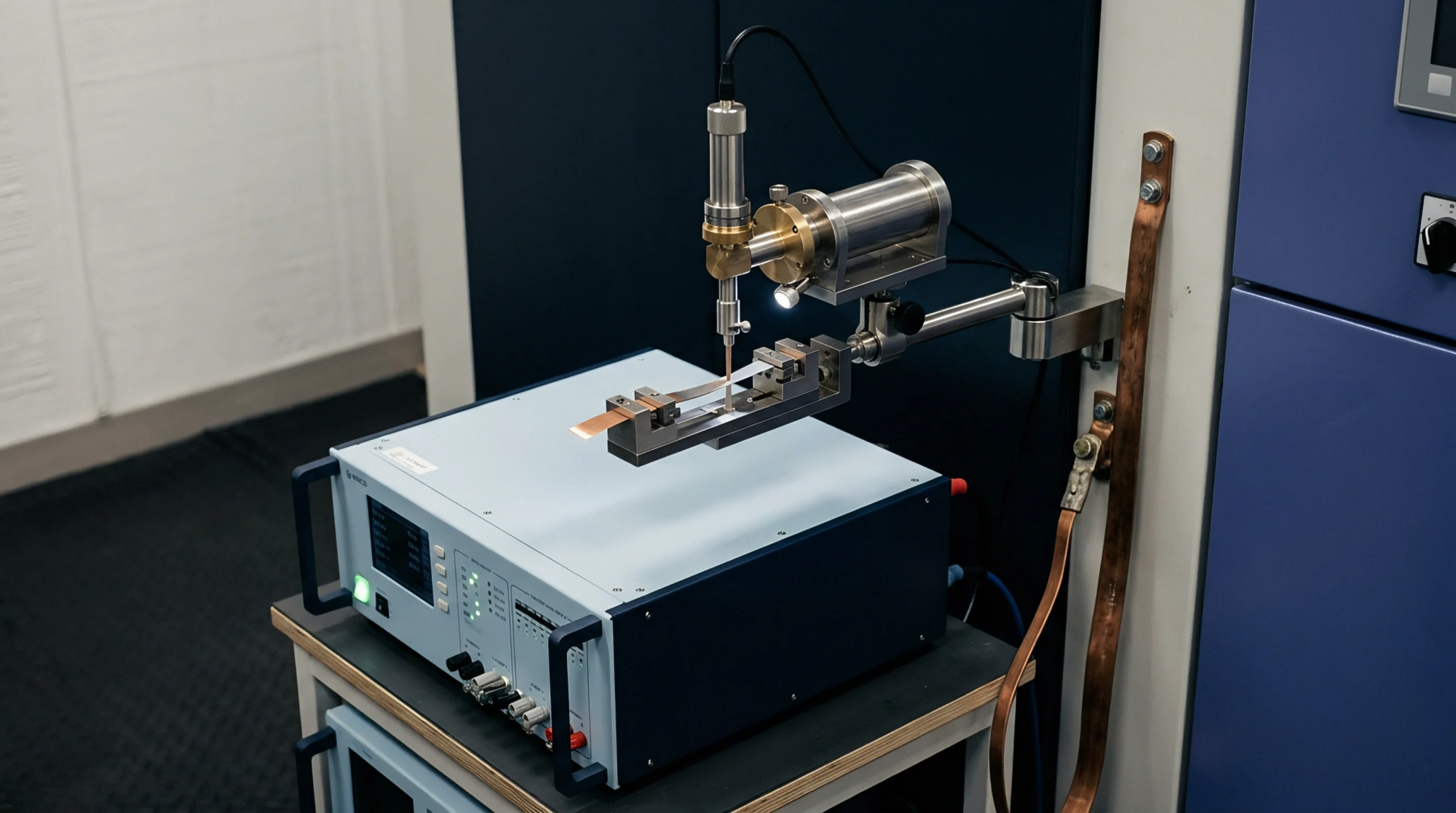
Mandatory UN 38.3 test summaries must link cell serial numbers to verified lab results across ten required data fields before cargo enters transport networks.
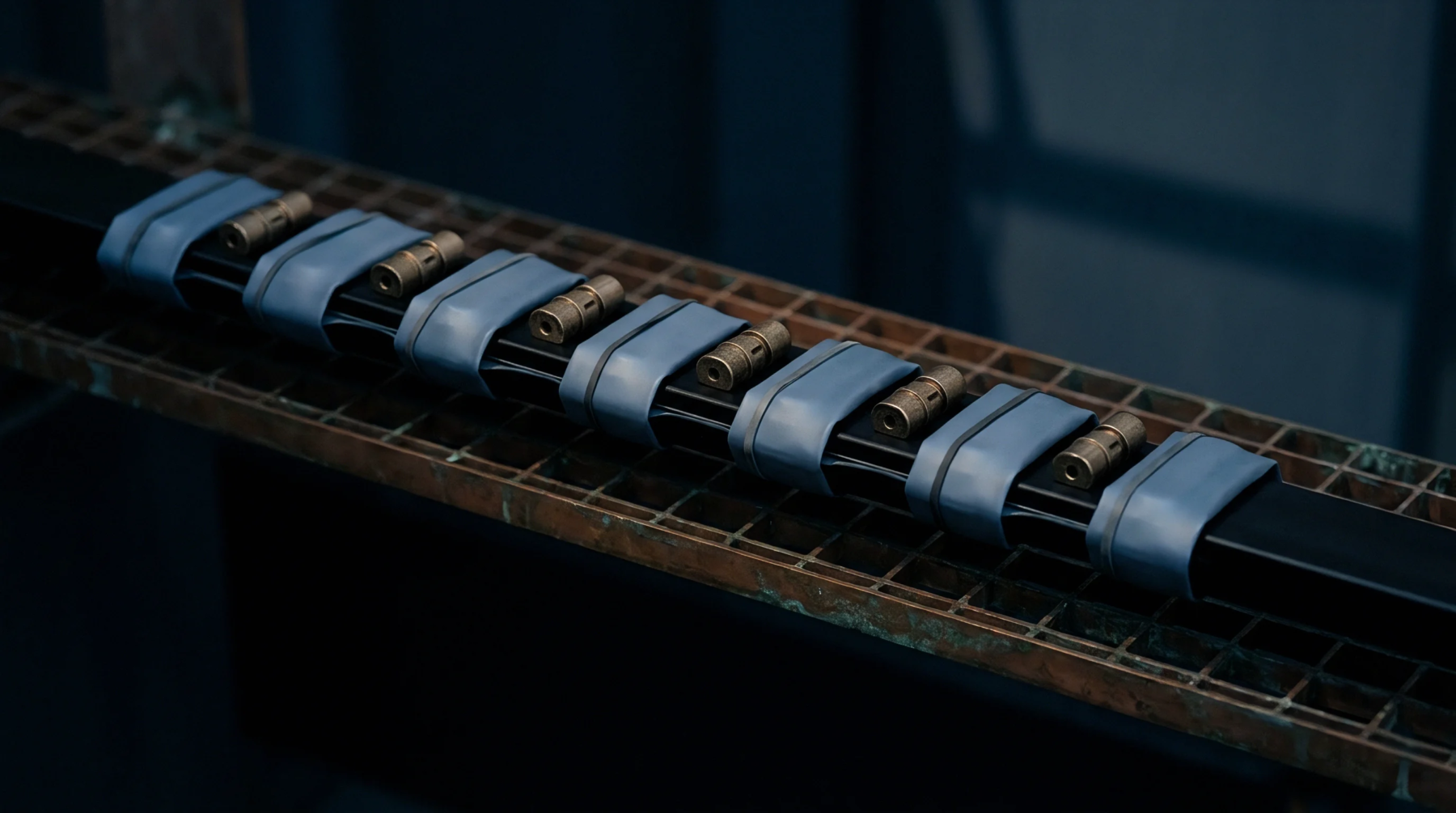
Dangerous goods demurrage escalates exponentially; transferring holds to off-dock bonded hazmat yards stops terminal fees and protects landed margins.

Air freight acceptance demands verifying all ten UN 38.3.5 fields against physical cargo labels to prevent cargo holds, civil fines, and insurance voidance.
Auditing UN 38.3 dossiers requires verifying full lab reports against 38.3.5 summaries, checking ILAC accreditation, and confirming physical cell mass tolerances.

Verify UN 38.3.5 summary authenticity and lab ISO 17025 scope before tendering battery cargo to prevent customs seizure and catastrophic demurrage.

Verify UN 38.3 test summaries, enforce the 30% state of charge ceiling, and audit packaging specs to ensure compliant battery air freight.
Expertise is a utility, not a secret. sentiention™ publishes its working knowledge as open reference: intelligence layer covering the materials it sources, the markets it enters, and the reference that serves both.