
Online Fast Charge Impedance Derating Protocols under Subzero Temperatures
Online impedance derating adjusts subzero charging current dynamically to prevent lithium plating while maintaining maximum safe energy transfer.
Online impedance derating adjusts subzero charging current dynamically to prevent lithium plating while maintaining maximum safe energy transfer.

Electrochemical impedance spectroscopy identifies lithium plating through charge-transfer resistance drops, DRT peak splits, and post-charge relaxation shifts.

Three-electrode differential voltage relaxation analysis maps sub-zero lithium plating thresholds, preventing irreversible anode decay and thermal risk.

Active preheating circuits prevent sub-zero lithium plating by raising core temperatures above five degrees Celsius before high-rate charging commences.

Sub-zero cell qualification requires verifying charge-transfer impedance and anode overpotential thresholds to prevent irreversible field lithium plating.

Subzero storage increases charge transfer resistance and fractures the solid electrolyte interphase, requiring low SoC levels and post-storage equilibration.

Subzero capacity retention drops primarily due to desolvation impedance and electrolyte viscosity rise, making active pre-heating mandatory to avoid plating.
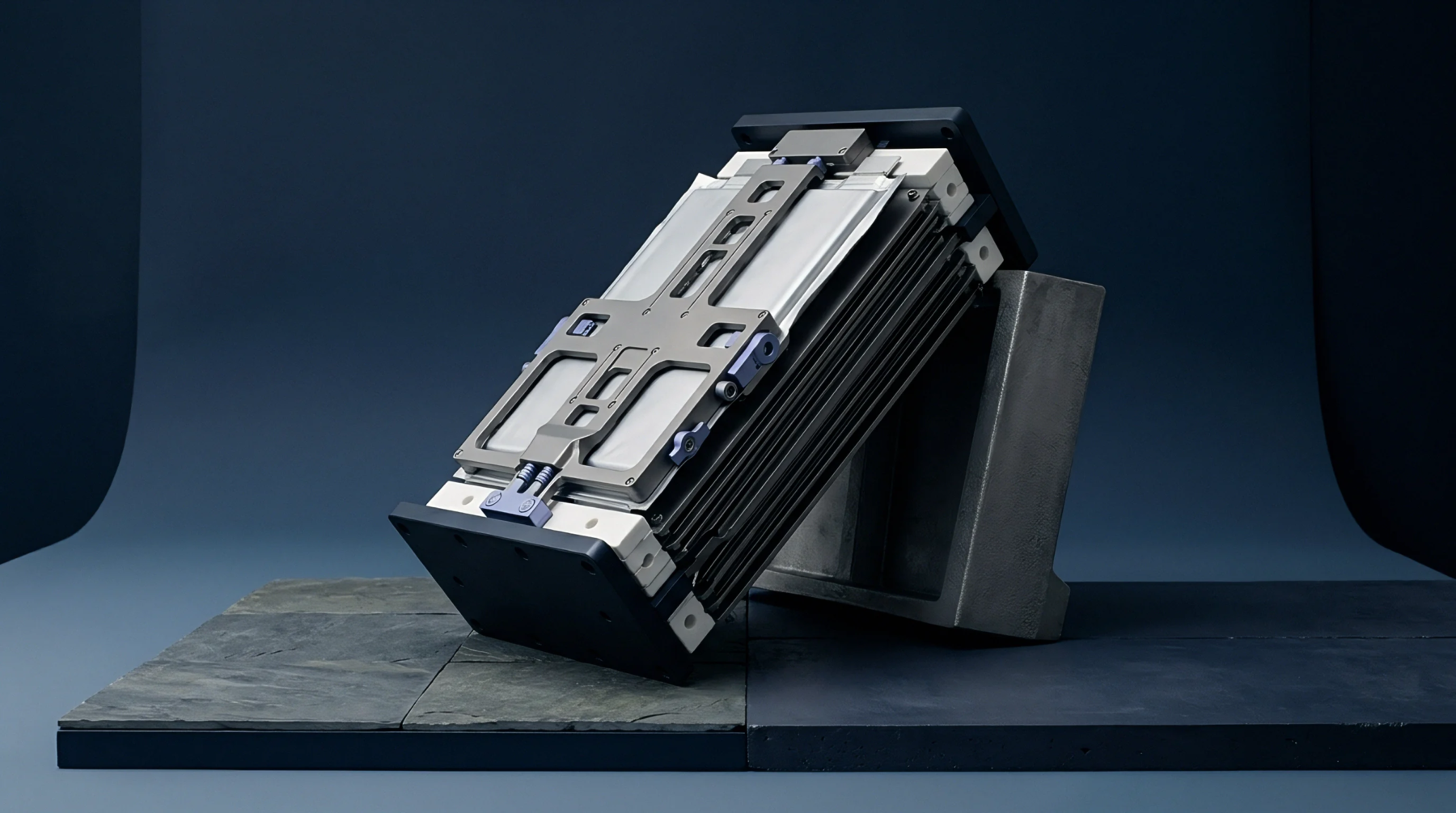
Subzero capacity testing requires calibrated thermal soak times and strict voltage cutoff standardization to prevent artificial capacity truncation and unrecorded lithium plating risks.

Lattice strain drives intergranular fracture that chokes ionic transport pathways, making multiscale mechanical models essential for cycle-life valuation.

Modeling dynamic through-plane tortuosity evolution in high loading nickel cathodes prevents premature salt depletion and lithium plating during fast charge.

Primary particle cracking stems from anisotropic c-axis lattice collapse at high states of charge, which is mitigated by single-crystal architectures and dopant pillaring.

Localized current crowding and phase gradients distort fast screening diagnostics, masking localized lithium plating and causing premature cell capacity knees.

Quantitative peak tracking in incremental capacity analysis isolates lithium inventory loss from electrode degradation to validate battery warranty claims.

Low current cycle testing resolves structural phase changes and parasitic side reactions to screen out micro-shorts before pack assembly.

Operando relaxation voltage analysis pinpoints reversible metallic lithium plating by isolating the mixed-potential plateau and dV/dt inflection during rest.

Differential capacity analysis identifies lithium plating onset through stripping peaks during relaxation, protecting fast-charging cells from dendrite growth.

Solid interphase formation consumes active cathode lithium during initial cycling, driving long term capacity decay through continuous solvent reduction.

Automated peak deconvolution separates loss of lithium inventory from electrode degradation, giving buyers precise early visibility into cell health.

Differential capacity peak tracking isolates loss of lithium inventory from active material degradation, providing precise diagnostic evidence for cell warranty claims.
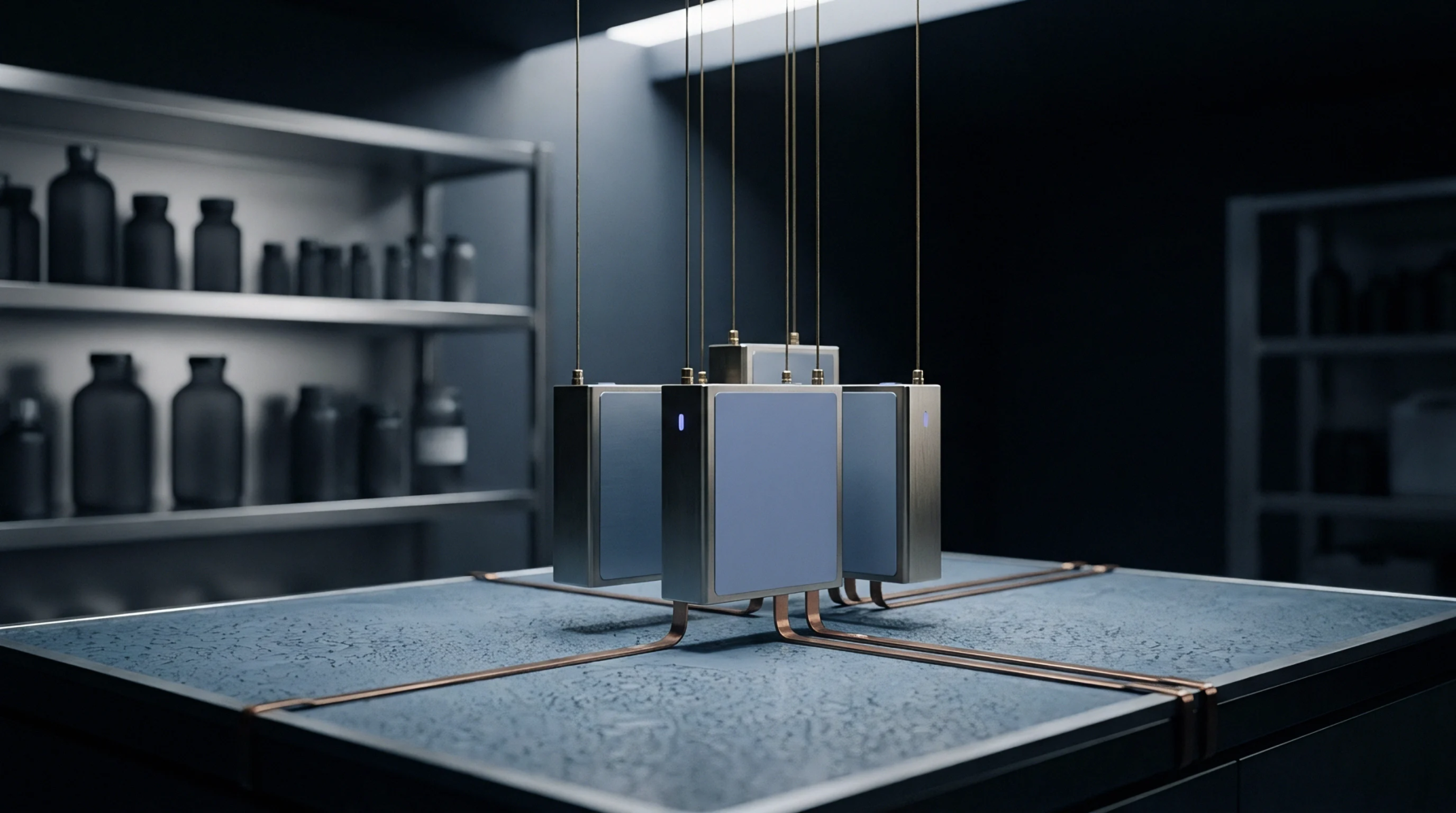
Incremental capacity analysis maps voltage derivatives to identify specific battery degradation modes before gross terminal capacity loss occurs.

Transition metal dissolution measurements require ICP-MS analysis of digested anodes to bound elevated temperature and fast-charge degradation liabilities.

Manganese crossover accelerates anode impedance growth by catalytic SEI breakdown, demanding elevated temperature diagnostic screening and strict contract terms.

High voltage cycling of high-nickel cathodes causes abrupt H2 to H3 phase transitions, intergranular fracturing, and rapid capacity fade above 4.15V vs Li/Li+.

Coupling operando spectroscopic metrology with electrochemical kinetic models extracts true passivation reaction rates to predict battery lifetime and limit sourcing risk.
Elevated temperature formation accelerates passivation while requiring strict thermal control to prevent excessive active lithium inventory loss.

Interphase stability hinges on controlled initial reductive decomposition, sacrificial additive consumption, and uniform high-temperature stabilization.

Triaxial compressive stress shifts silicon phase transformation equilibrium, requiring calibrated module stack pressure to prevent capacity loss and voiding.
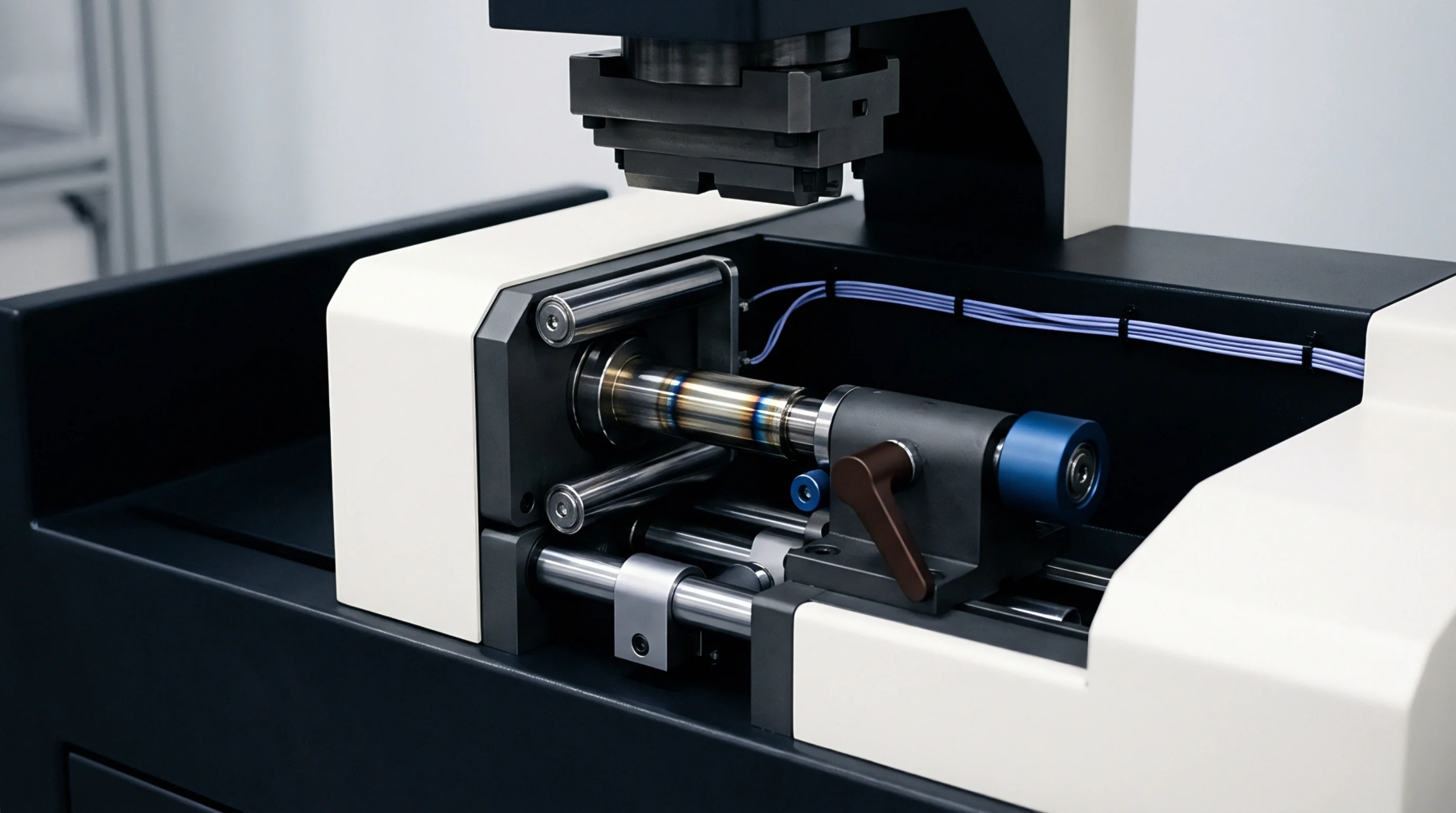
Dynamic module clamping for high-swelling silicon cells maintains face pressures between 0.2 and 0.6 MPa using elastomeric pads to prevent lithium plating.

Silicon anode volume changes generate severe mechanical stress and voltage hysteresis, requiring engineered void space and controlled stack pressure to preserve cell life.

Prelithiated silicon composite anodes dissipate significant mechanical hysteresis energy as heat across phase boundaries, requiring calibrated pack-level thermal mitigation.
Expertise is a utility, not a secret. sentiention™ publishes its working knowledge as open reference: intelligence layer covering the materials it sources, the markets it enters, and the reference that serves both.