
Dynamic Cathode Potential Drift Compensation for Extended Silicon Anode Cycle Longevity
Dynamic reduction of upper cutoff voltage counters silicon-induced anode slippage to suppress cathode overcharging and extend cell cycle life.
Dynamic reduction of upper cutoff voltage counters silicon-induced anode slippage to suppress cathode overcharging and extend cell cycle life.

Low-rate dQ/dV screening isolates silicon anode phase transitions to prevent rapid cycle degradation and protect cell procurement contracts.

Tuning cell lower cutoff voltage above the crystalline phase transformation potential suppresses silicon pulverization, dramatically expanding cycle longevity.

Quantifying structural relaxation decay rates in single crystal high-nickel cathodes defines overpotential decay and surface reconstruction to bound calendar life.

Isolating parasitic heat from phase transition entropy requires subtracting calculated entropic coefficient profiles and overpotential losses from raw isothermal power.

Isothermal microcalorimetry baseline setup requires thermal stability within 10 micro-Kelvin and 72-hour equilibration to isolate parasitic microwatt heat.

Isothermal microcalorimetry and differential voltage analysis decouple cathodic solvent oxidation from anodic interphase breakdown during elevated thermal storage.

Differential capacity analysis quantifies active lithium loss by tracking dQ/dV peak shifts during low-rate cycling without cell teardown.

Isothermal microcalorimetry quantifies microwatt parasitic heat flow to predict long-term storage capacity loss within days without high-temperature stress.

Early standby voltage relaxation reflects transport gradients rather than equilibrium, requiring calculated hold times to prevent costly cell sorting errors.

Dynamic warehouse temperature fluctuations mask micro short self-discharge by shifting open-circuit voltage beyond true electrochemical decay thresholds.

Decoupling bulk diffusion from interfacial degradation requires low-frequency relaxation spectroscopy paired with dynamic stack pressure control.

High current density presodiation accelerates organic electrolyte reduction, driving rapid SEI growth and localized gas entrapment that destabilize anode interfaces.

Sacrificial additives form inorganic-rich interphases that stabilize film resistance and double sodium-ion cell cycle life when additive consumption kinetics are controlled.

Sacrificial preloading offsets hard carbon initial coulombic efficiency losses to elevate sodium ion cell energy density above 150 Wh/kg.

Dynamic mass spectrometry isolates secondary outgassing in high-temperature sodium storage to prevent seal degradation and structural vacuum failure.
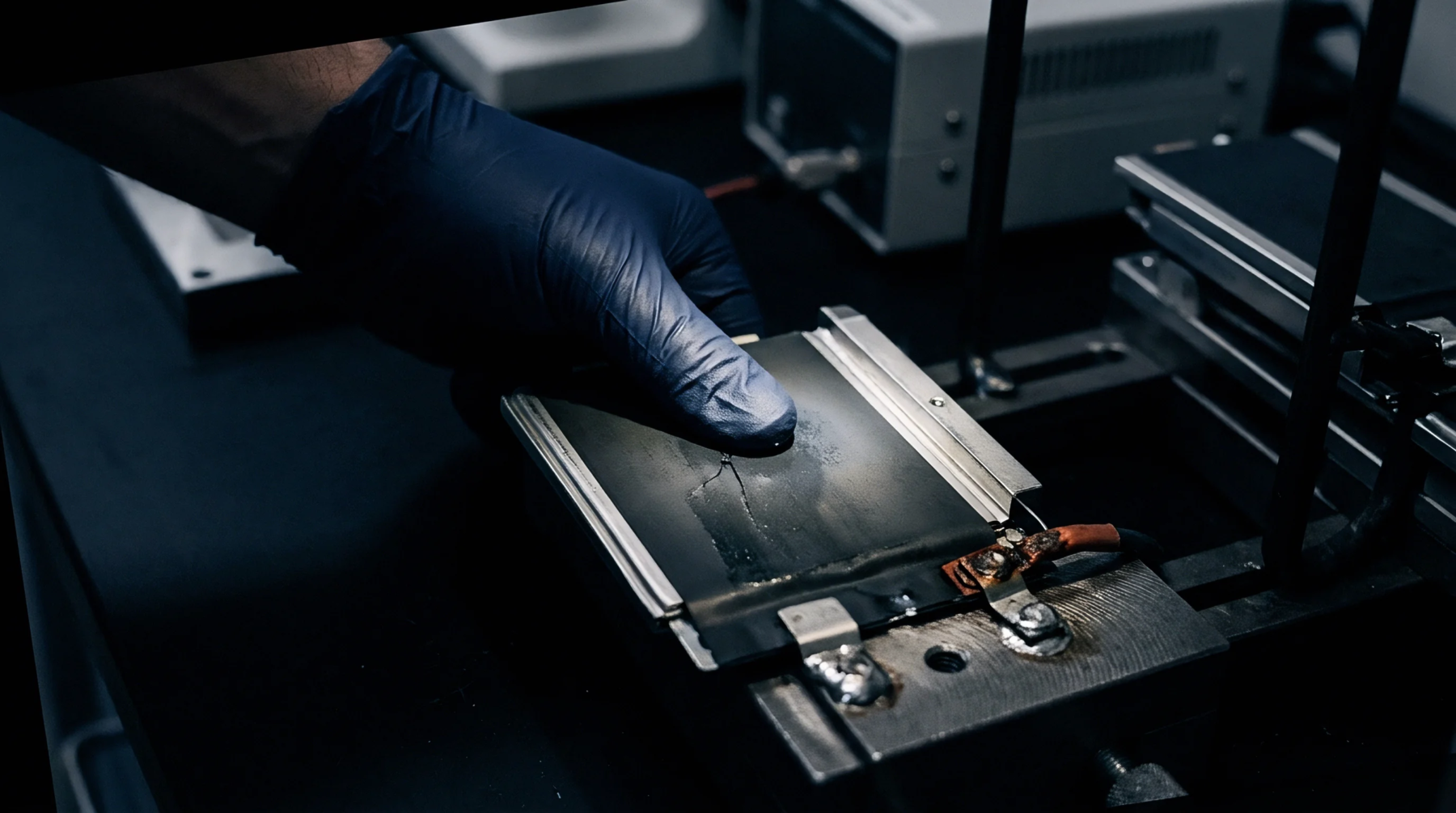
Cathode oxygen release in sodium pouch formation is quantified via inline mass spectrometry and differential pressure transducers to mitigate early cell degradation.

Controlled formation pressure and vacuum degassing profiles prevent interfacial gas trapping, optimizing cell yield and cycle life in sodium layered oxide pouch cells.

Sacrificial oxalate decomposition generates 186 mL of CO2 per gram, requiring precise vacuum degassing and stack pressure to prevent interfacial dry spots.
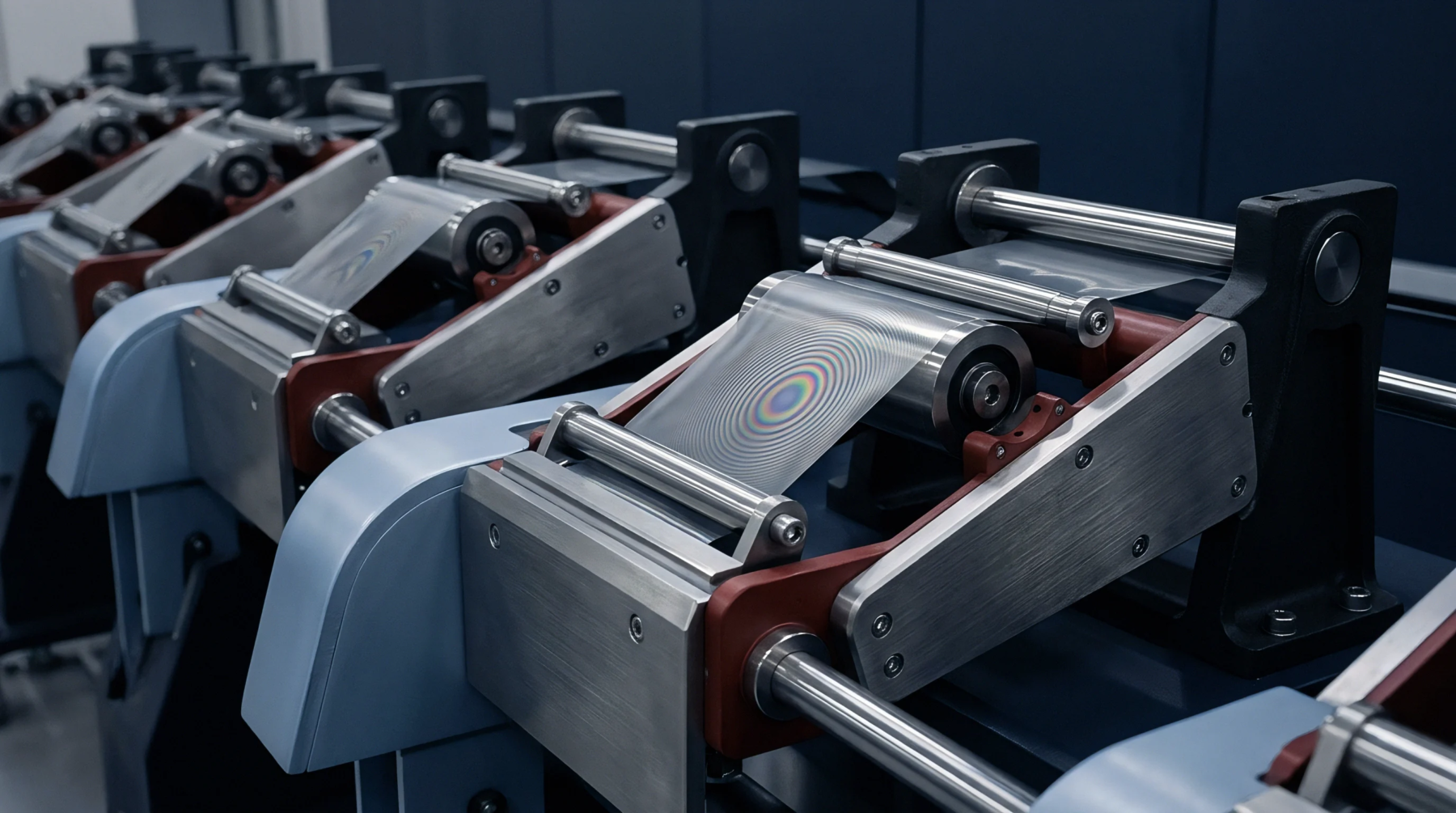
Sacrificial cathode additives donate excess sodium ions during initial formation to offset hard carbon interphase losses and boost cell energy density.

Tracking post-charge voltage relaxation at sub-zero temperatures eliminates SOC errors, detects lithium plating, and extends cold-storage battery life.

Hard carbon initial coulombic efficiency deficits of 15 to 35 percent require aggressive cathode over-coating, pre-sodiation, or precise low-rate formation tuning.

Extracting in situ voltage relaxation signatures during reefer rest intervals isolates sub-zero impedance growth and lithium plating across mixed cell fleets.

Differential voltage decay isolates the mixed-potential plateau during post-charge rest to quantify stripped versus irreversible plated lithium below freezing.

Subzero solid-state intercalation demands strict charging derating below critical current density thresholds to prevent interfacial voiding and dendrite growth.
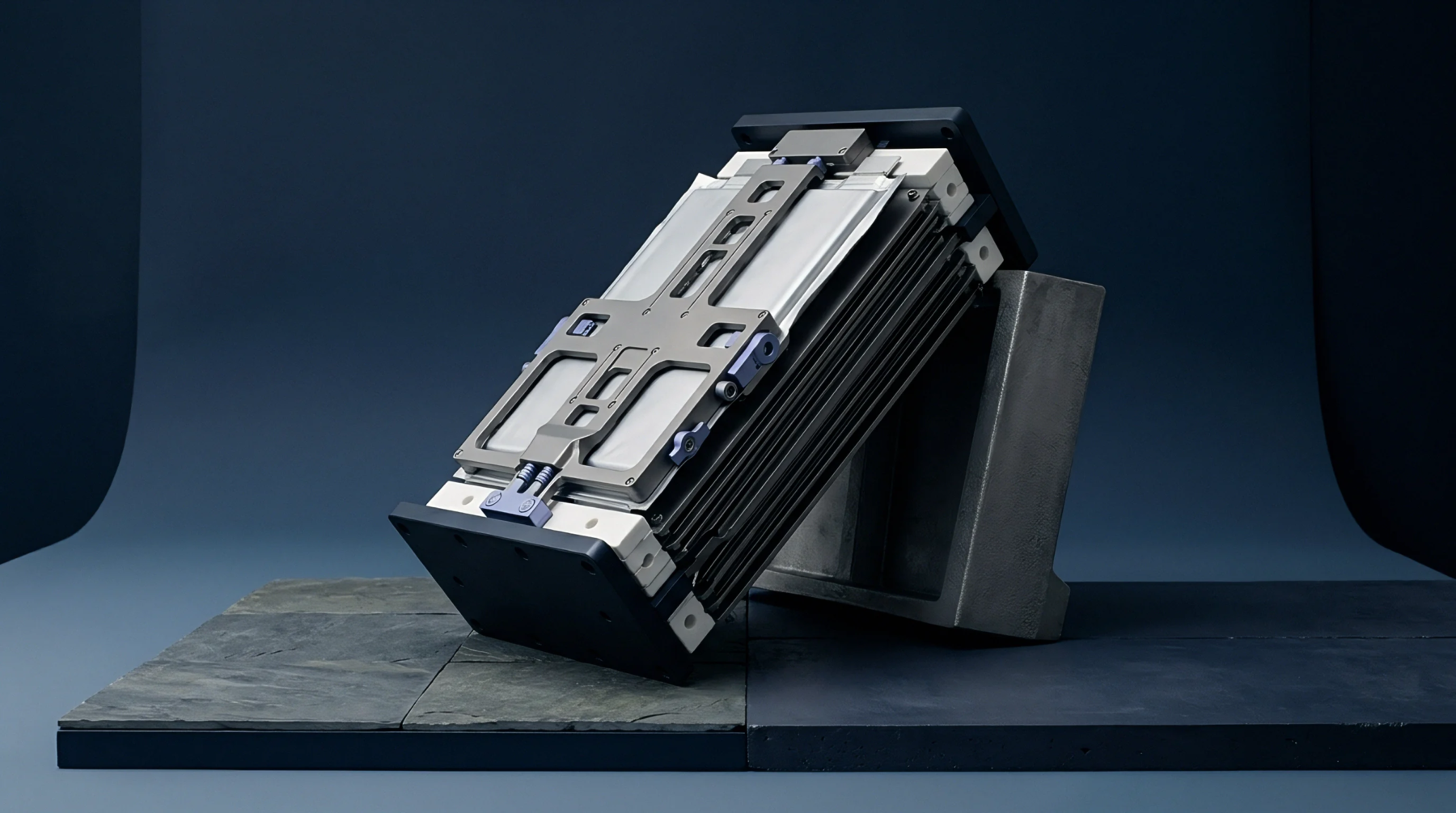
Real-time lithium plating detection under freezing conditions requires in-situ dV/dt stripping plateau analysis and high-frequency impedance telemetry.
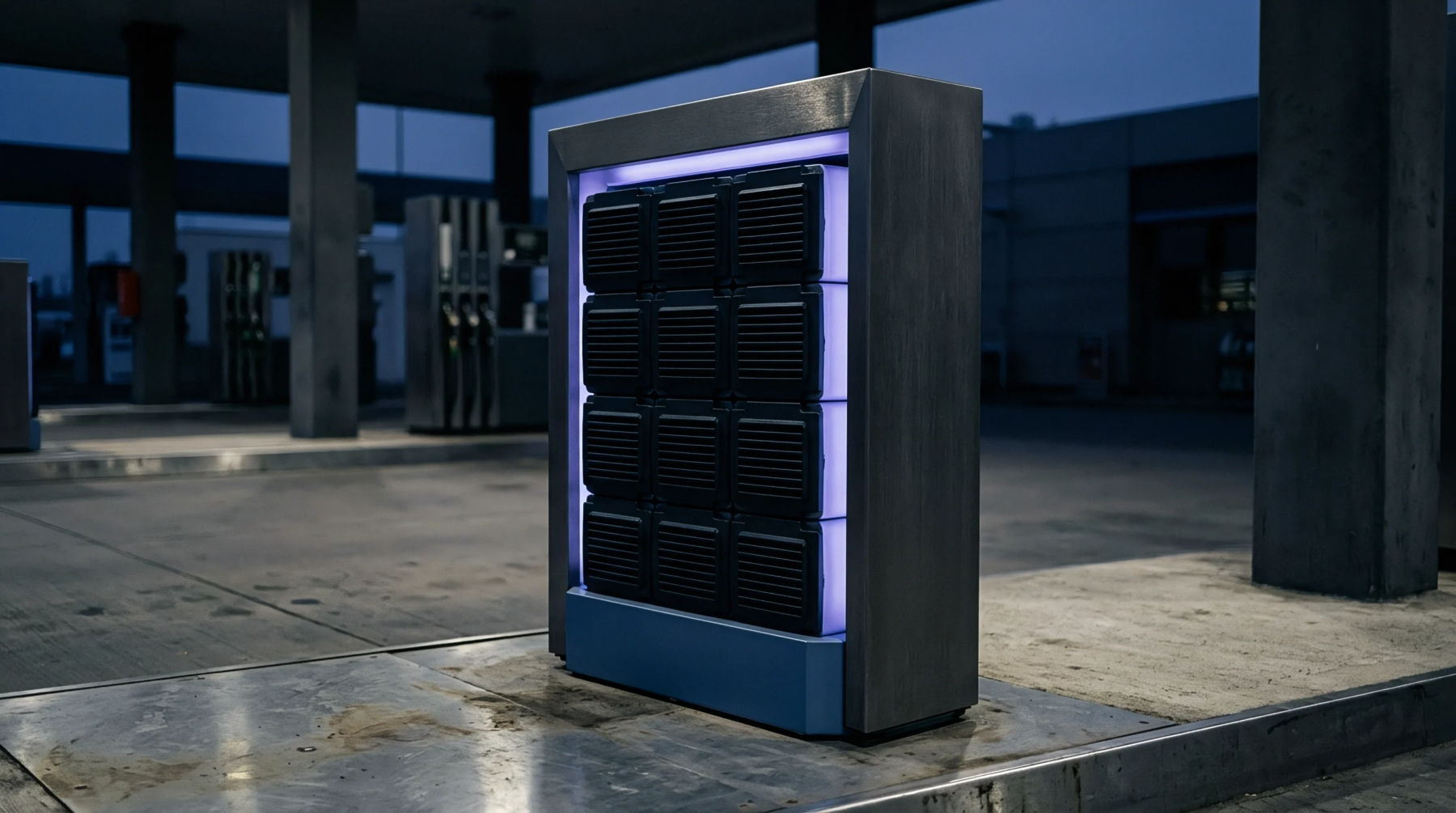
Sub-zero charging requires dynamic current derating below 0.05C at -20C to prevent local anode interface overpotential from crossing zero volts versus Li/Li+.
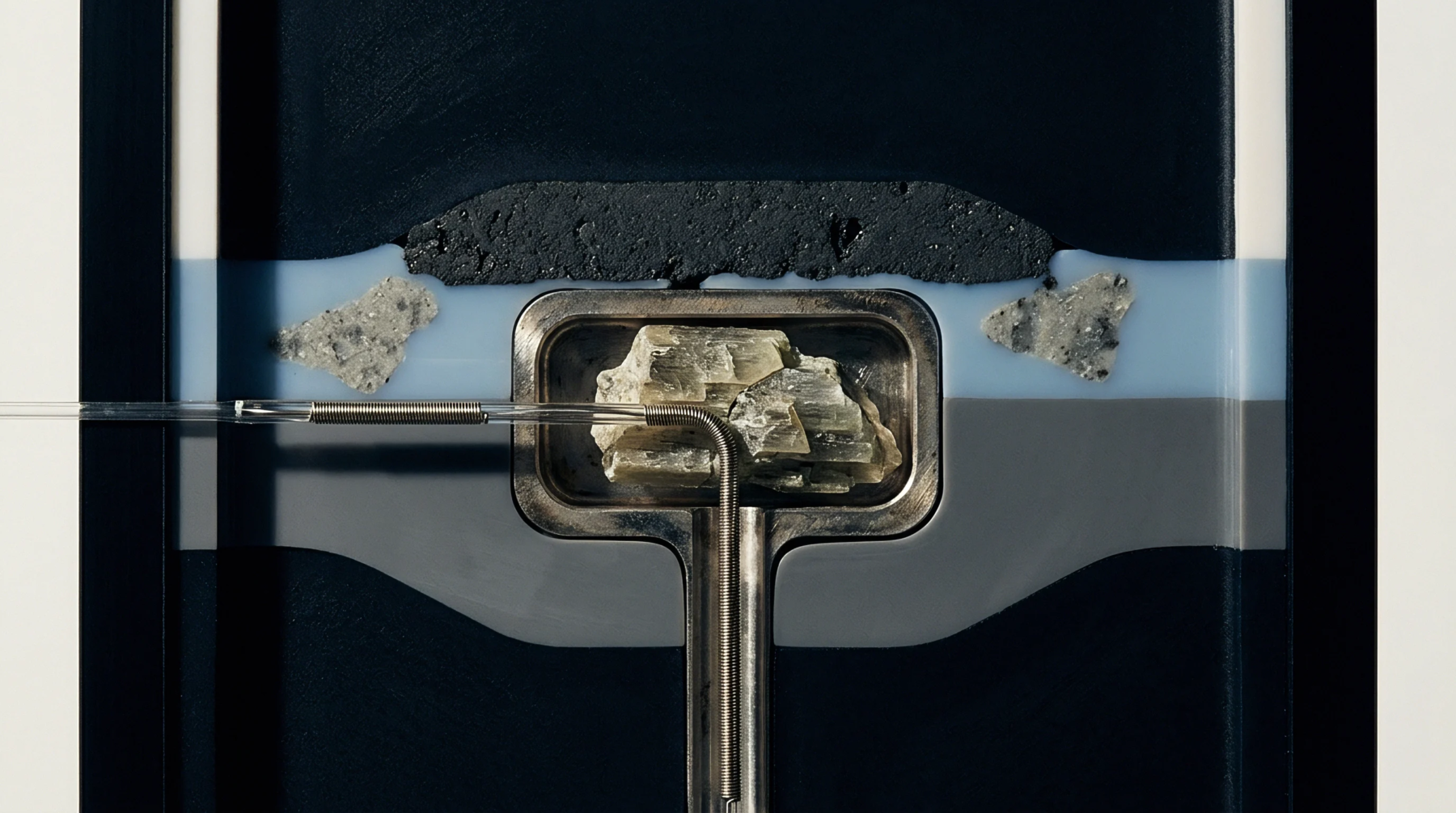
Sub-zero electrolyte design replaces cyclic carbonates with carboxylate esters and LiFSI salt to reduce charge transfer impedance and prevent anode plating.

Lithium titanate eliminates sub-zero pre-heating downtime and anode degradation, outperforming heated LFP in multi-shift cold logistics total cost of ownership.
Low temperature battery capacity retention metrics measure usable energy delivery against thermal impedance growth, cut-off voltage drops, and plating risks.
Expertise is a utility, not a secret. sentiention™ publishes its working knowledge as open reference: intelligence layer covering the materials it sources, the markets it enters, and the reference that serves both.