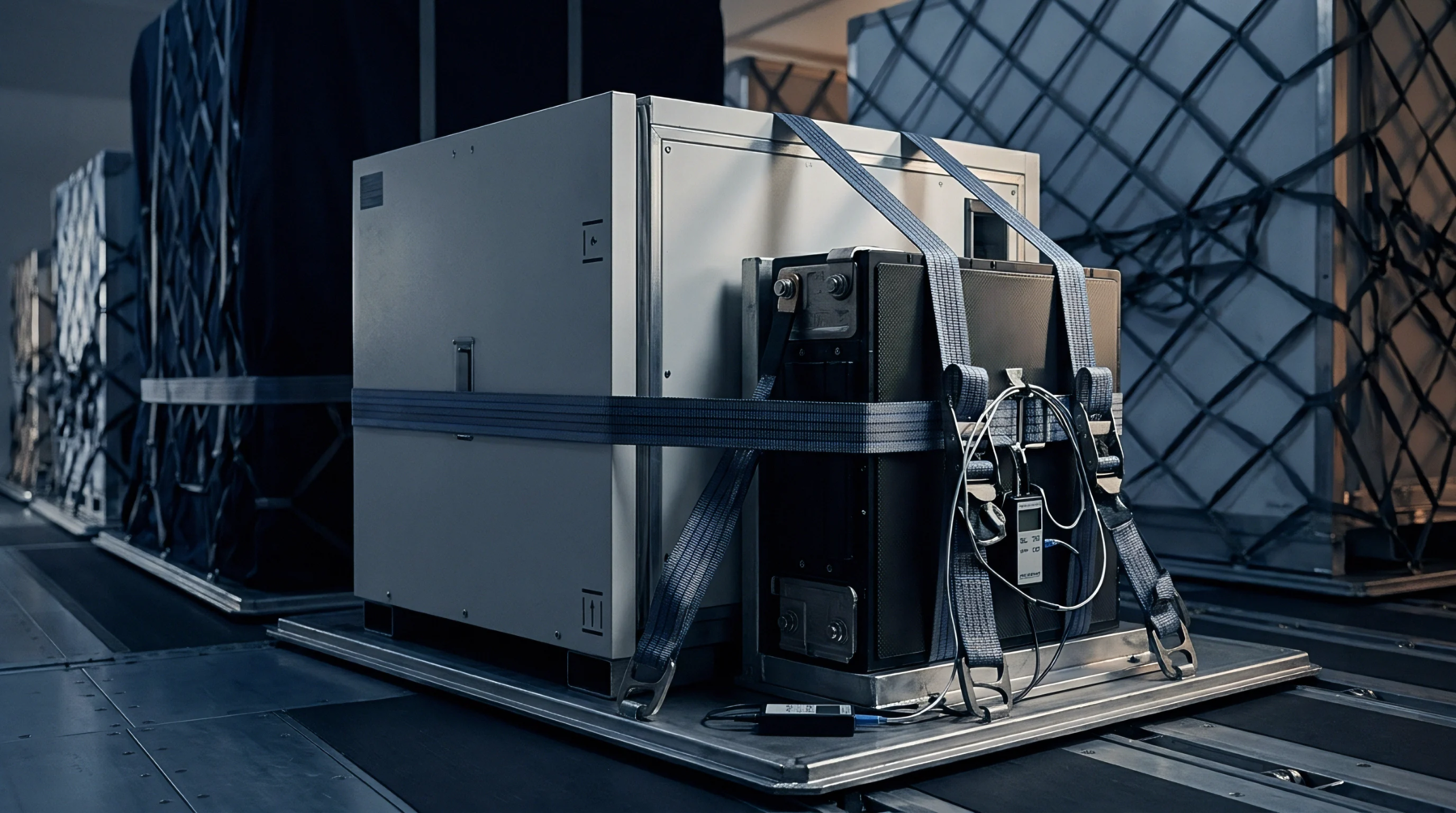
Air Flow Rates and Oxidation Thermal Windowing in Pitch Precursor Stabilization
Precise air flow rates and ramp controls prevent exotherm runaway during pitch stabilization, ensuring uniform cross-linking and high carbon yield.
Precise air flow rates and ramp controls prevent exotherm runaway during pitch stabilization, ensuring uniform cross-linking and high carbon yield.
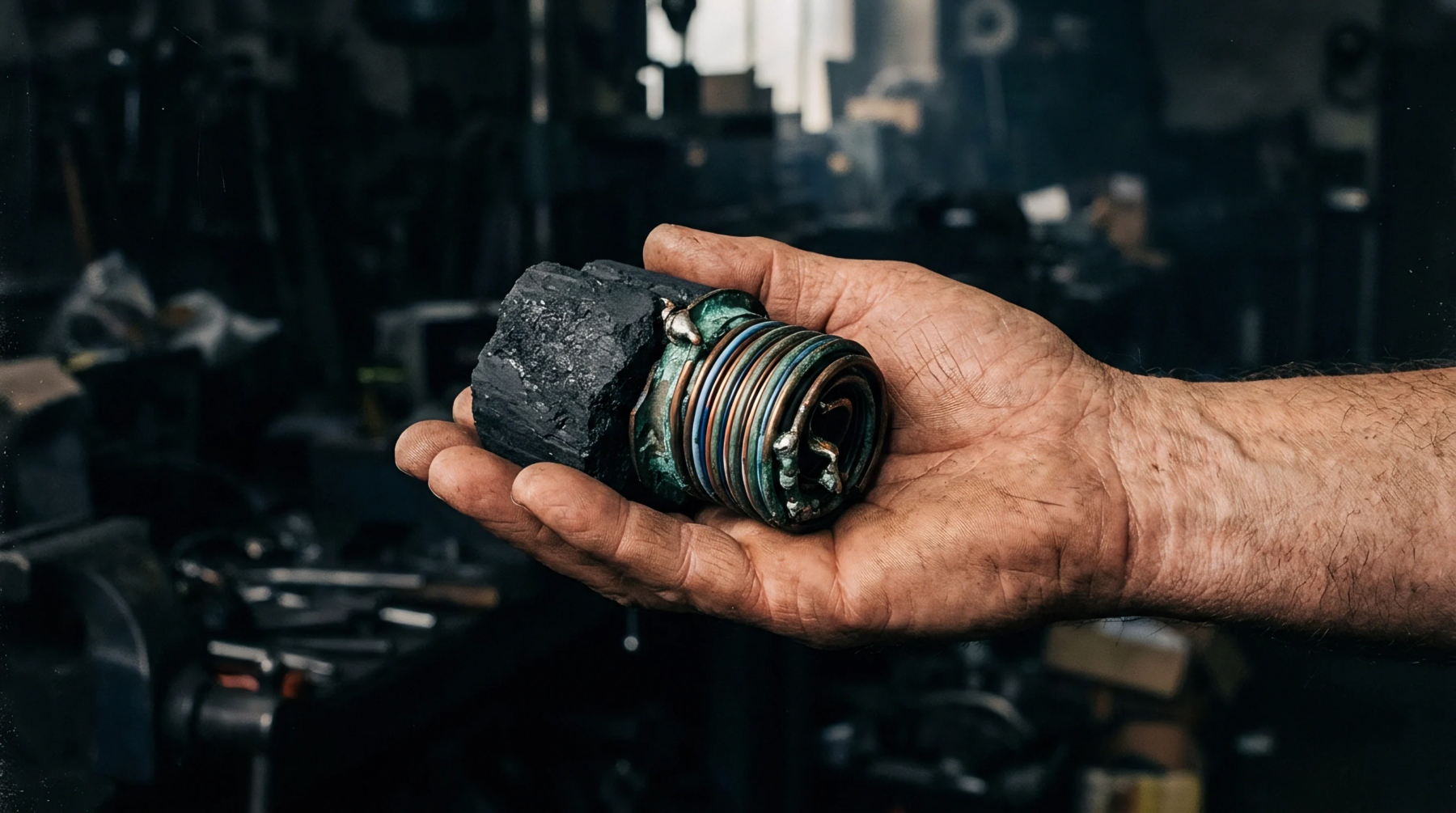
Sealing surface open pores below two square meters per gram while maintaining closed void volume elevates hard carbon initial coulombic efficiency above ninety percent.
Pitch softening point governs precursor coating viscosity, volatile loss, pyrolytic carbon yield, and closed pore formation in hard carbon battery anodes.
Sub-zero AC warming induces cyclic SEI shear stress; operating above 100 Hz caps strain below fracture limits, mitigating rapid capacity loss and impedance growth.
Alternating current pulses above 1 kHz bypass anode mass-transfer constraints, raising the lithium deposition threshold and extending pack cycle life.
Sub-zero pre-heating overpotentials force anode potentials below equilibrium, demanding excitation frequencies above one kilohertz to prevent lithium plating.
Sub-zero lithium plating initiates when anode overpotential drops below 0V vs Li/Li+, requiring real-time dV/dt or strain sensing to avoid fast failure.
Sub-zero charging forces anode overpotential below zero volts, causing lithium plating that dissipates via chemical re-intercalation only during enforced rest periods.
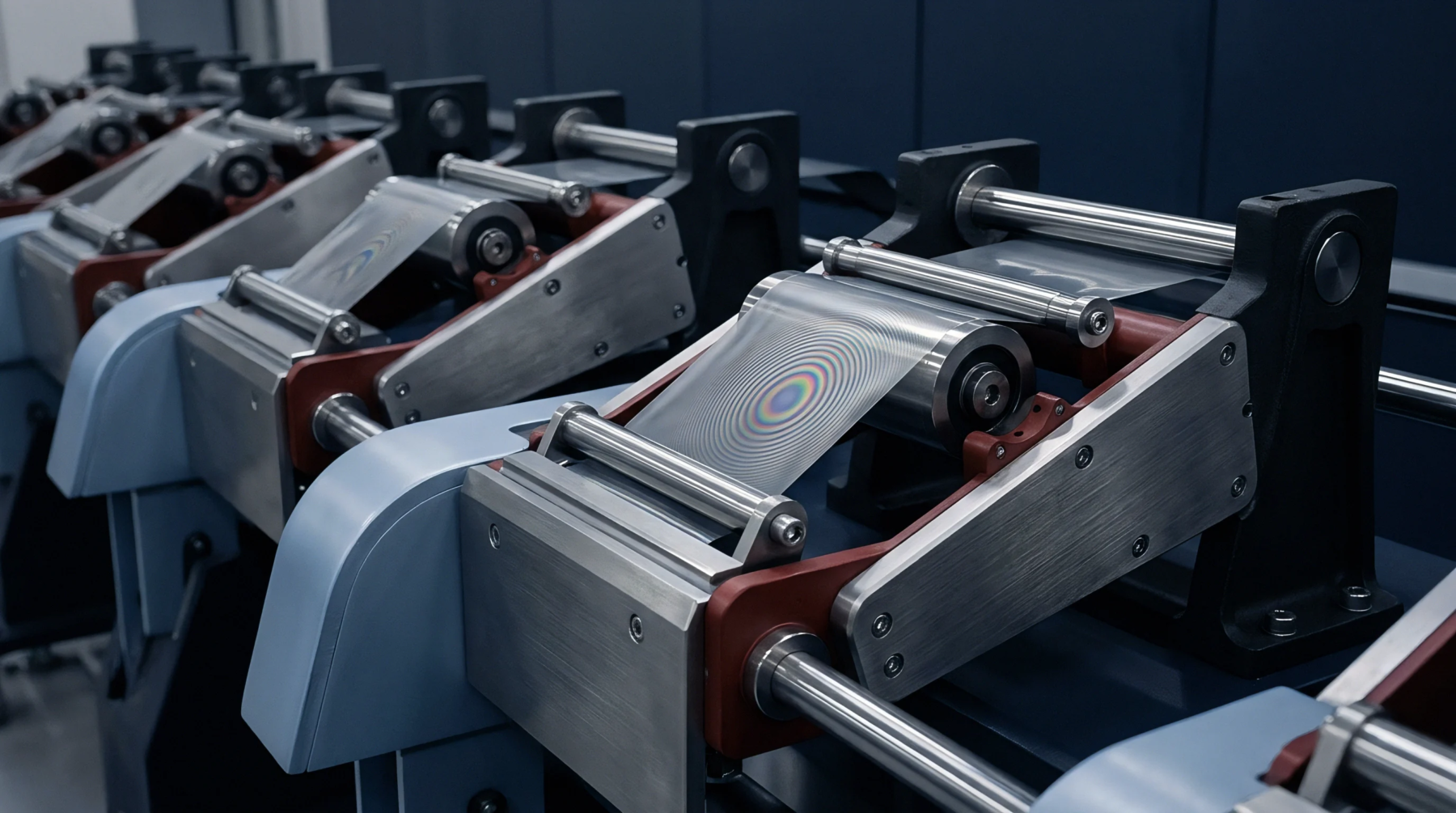
Micro reference electrode insertion requires precise probe positioning outside high-current paths and hermetic micro-glands to isolate individual electrode potentials without inducing impedance artifacts or cell seal leaks.

Extended sub-zero cycling drives exponential SEI impedance growth via lithium plating and film cracking, requiring low-desolvation additives to prevent roll-off.
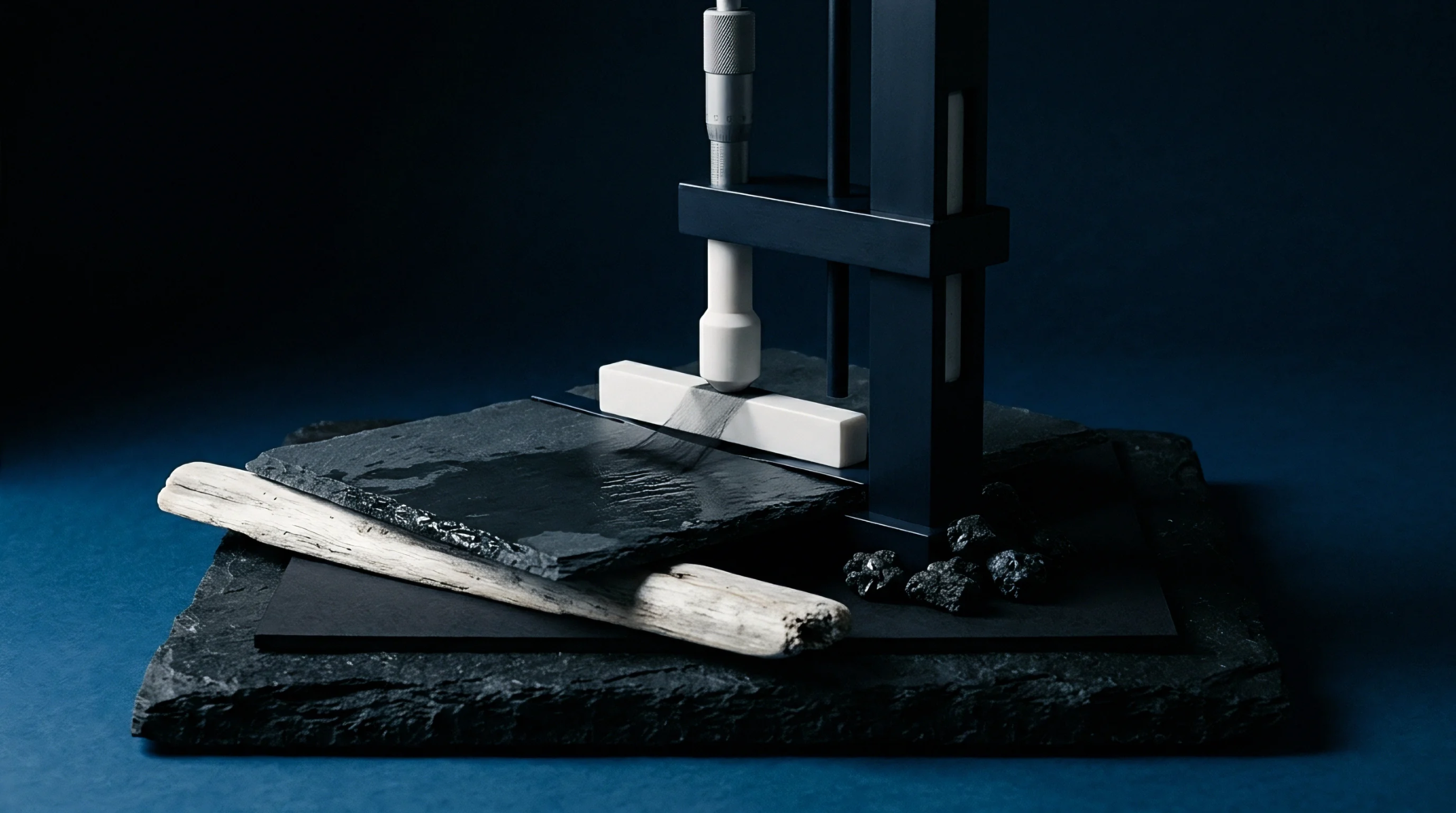
Sub-zero graphite anode charge acceptance requires balancing interfacial desolvation kinetics and solid diffusion to prevent lithium plating below zero volts.
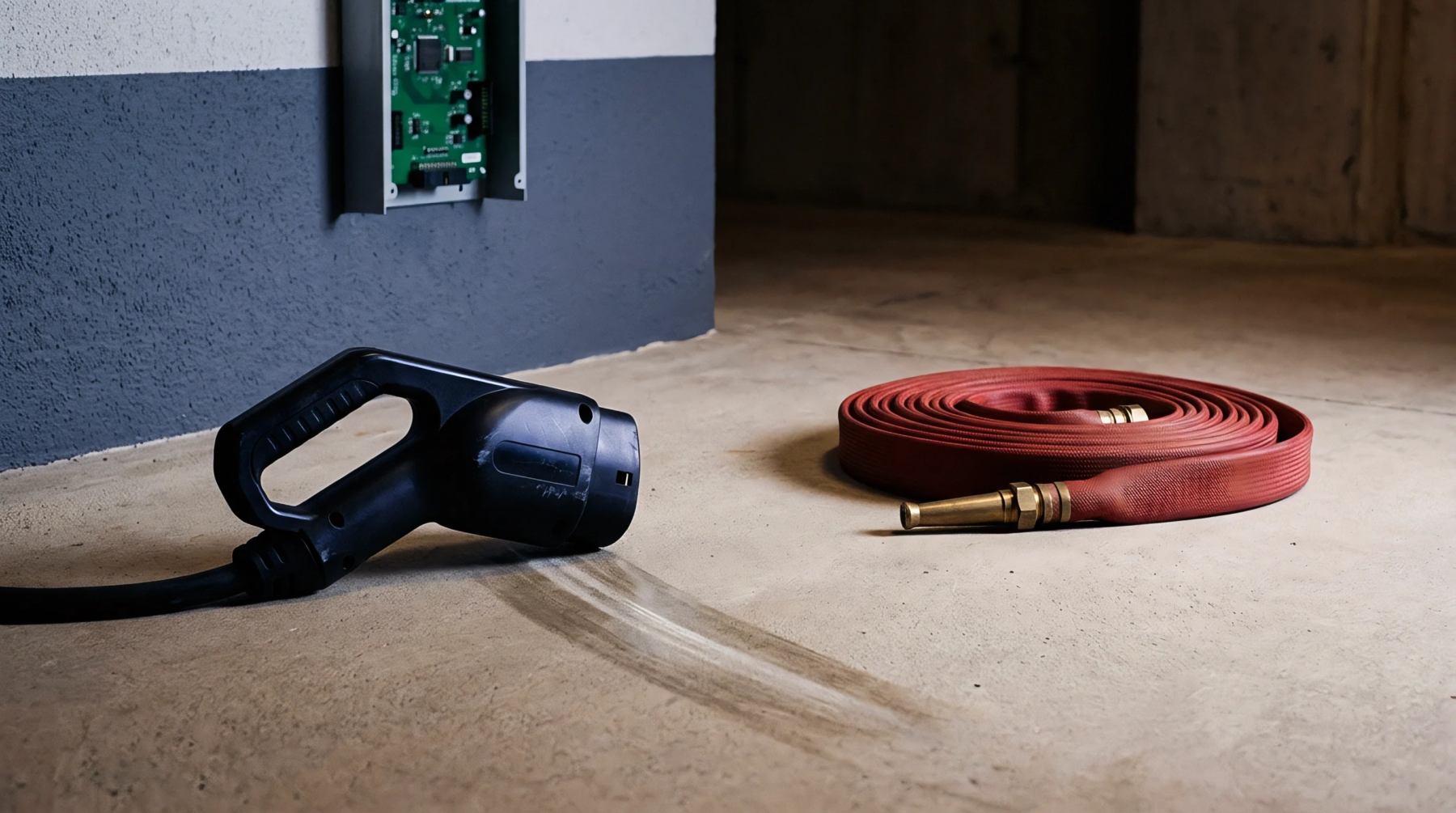
Three-electrode overpotential diagnostics define real sub-zero fast-charge boundaries by tracking negative electrode potential directly against lithium metal.
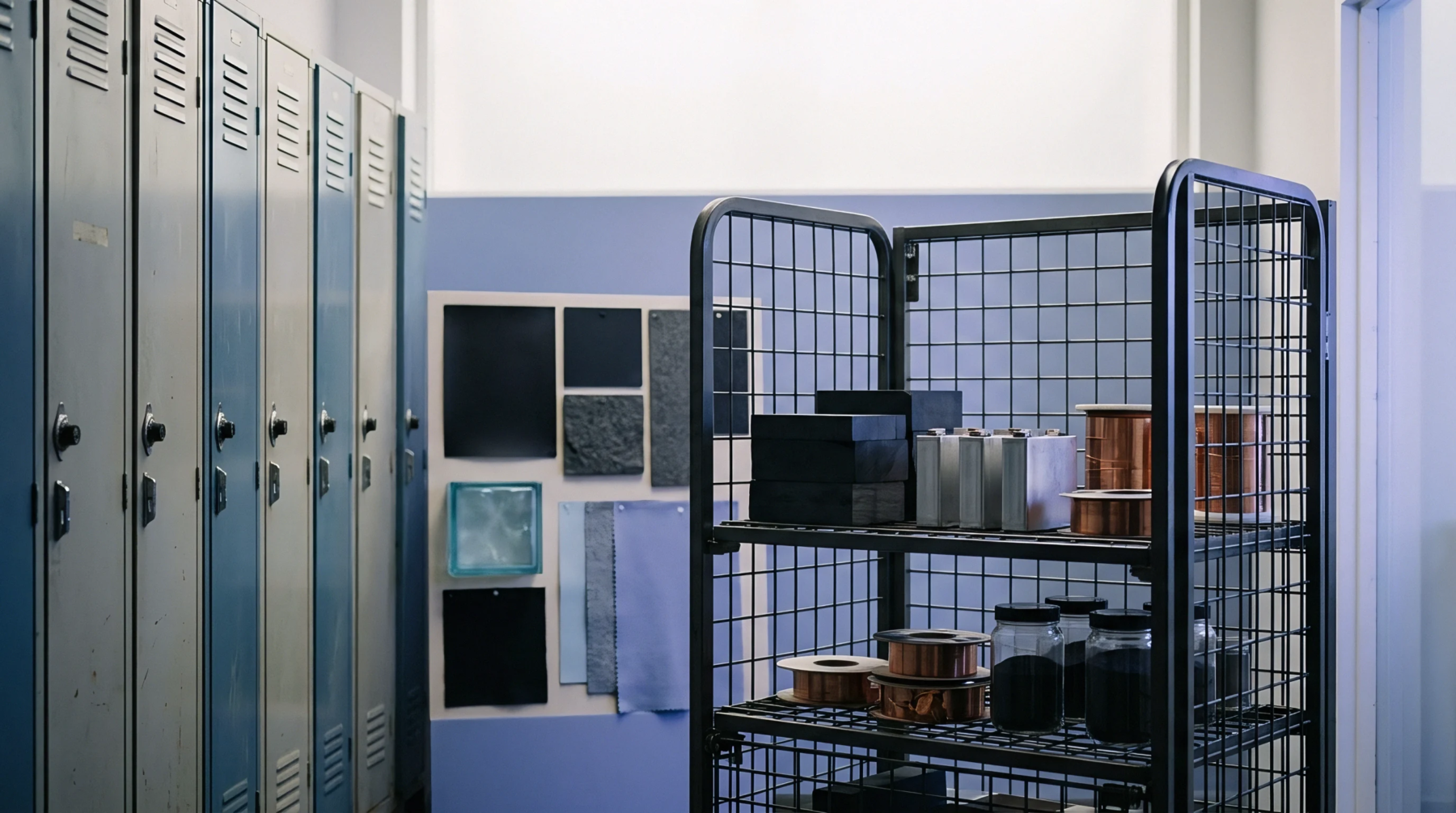
High temperature re-sintering kinetics and XRD microstrain modeling enable precise thermal dwell optimization to eliminate defects in regenerated NMC 811 cathode powders.
Hydrothermal relithiation and optimized sintering restore lithium stoichiometry and lattice order in degraded cathodes at lower operating cost than hydrometallurgy.

Direct cathode recycling restores spent NMC stoichiometry and crystal structure via solvent delamination, hydrothermal relithiation, and oxygen-annealing without elemental digestion

Single crystal synthesis converts degraded recycled high-nickel cathodes into monolithic particles, eliminating grain boundaries and suppressing cleavage.
Recycled precursor impurities alter high-voltage phase transitions, inducing severe anisotropic strain and particle microcracking above 4.20V.

High-nickel cathode microcracking is driven by anisotropic c-axis collapse at high states of charge, preventable via single-crystal synthesis or grain boundary dopants.
Recycled hydroxide cathodes require strict sodium control under 100 ppm to prevent high-voltage lattice strain, grain cracking, and rapid capacity fade.

Direct synthesis of recycled cathode active materials demands strict liquor purification below five parts per million iron and controlled calcination stoichiometry.
High-temperature thermal soak above 1100°C combined with dual-stage acid leaching yields hard carbon anodes exceeding 88 percent initial coulombic efficiency.
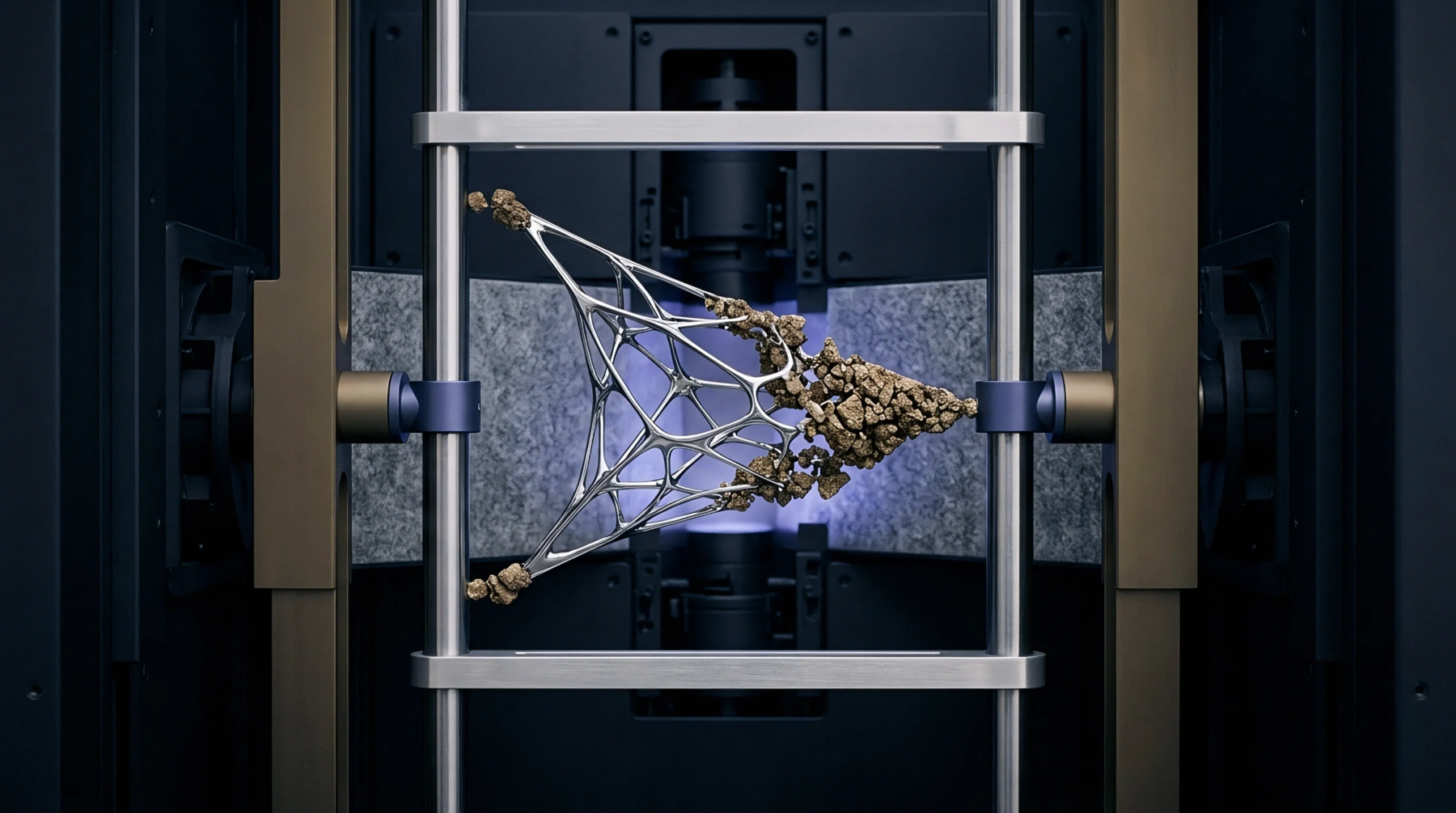
Rietveld microstrain quantification on transition metal hydroxide precursors sets baseline structural limits that govern calcination yields and cell cycle life.

Inorganic ash limits above 200 ppm in hard carbon anodes accelerate sodium cell capacity fade and reduce initial coulombic efficiency below acceptable thresholds.

Hard carbon precursor dehydration requires low-temp vacuum holds to remove hydroxyls, preventing pore collapse and driving initial coulombic efficiency over 87%.
Demineralizing hard carbon precursors below 0.05% ash compresses voltage hysteresis under 120 mV and raises initial coulombic efficiency above 88%.

Demineralizing hard carbon precursors with two molar hydrochloric acid lowers ash below 0.05 percent, maximizing first-cycle coulombic efficiency.
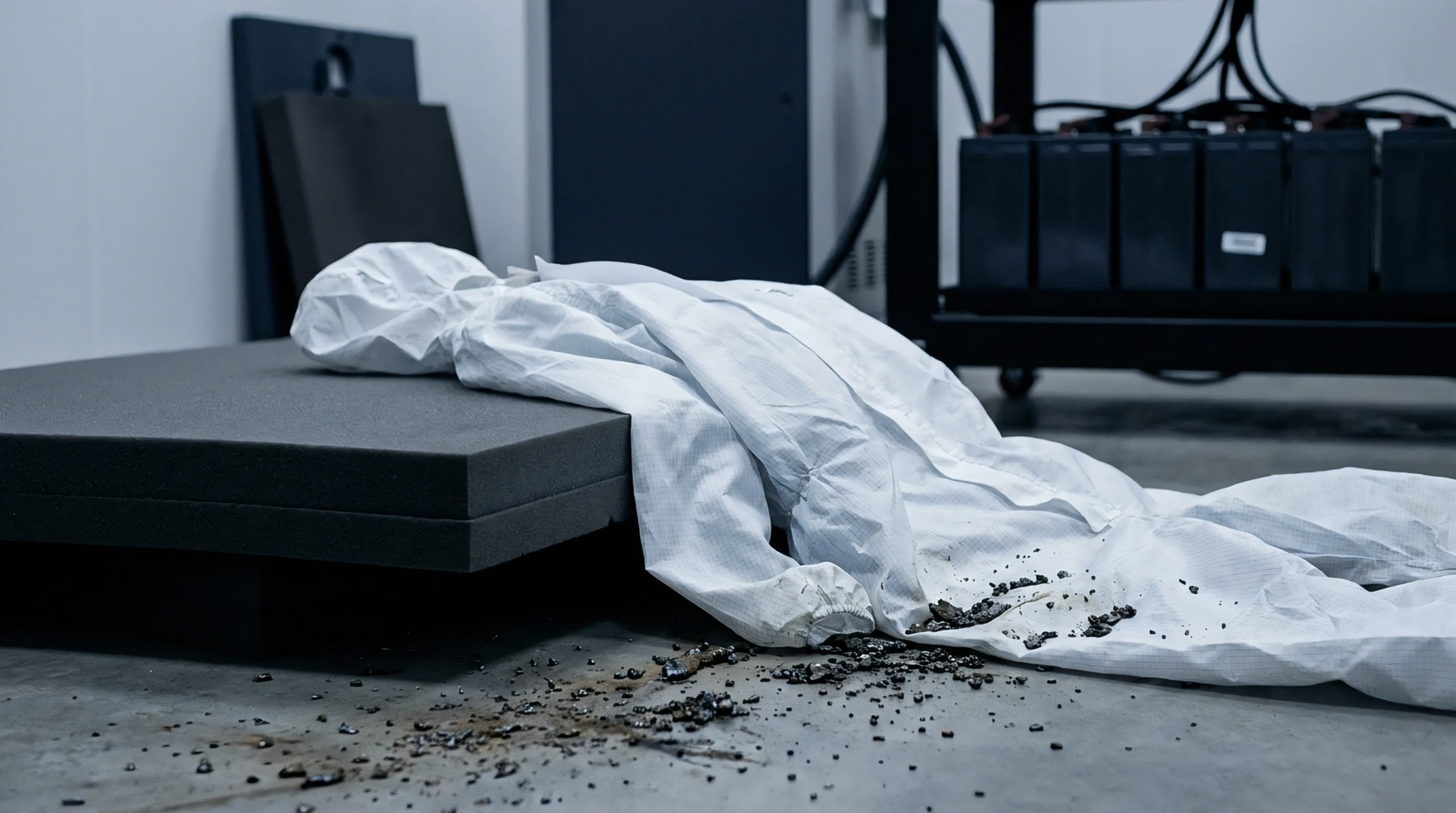
Acid demineralization reduces biomass precursor ash below 0.05 wt%, elevating hard carbon initial coulombic efficiency above 86% in sodium-ion cells.
Optimizing softwood hard carbon via acid leaching, 1300°C pyrolysis, and chemical vapor deposition maximizes closed pore volume and initial efficiency.
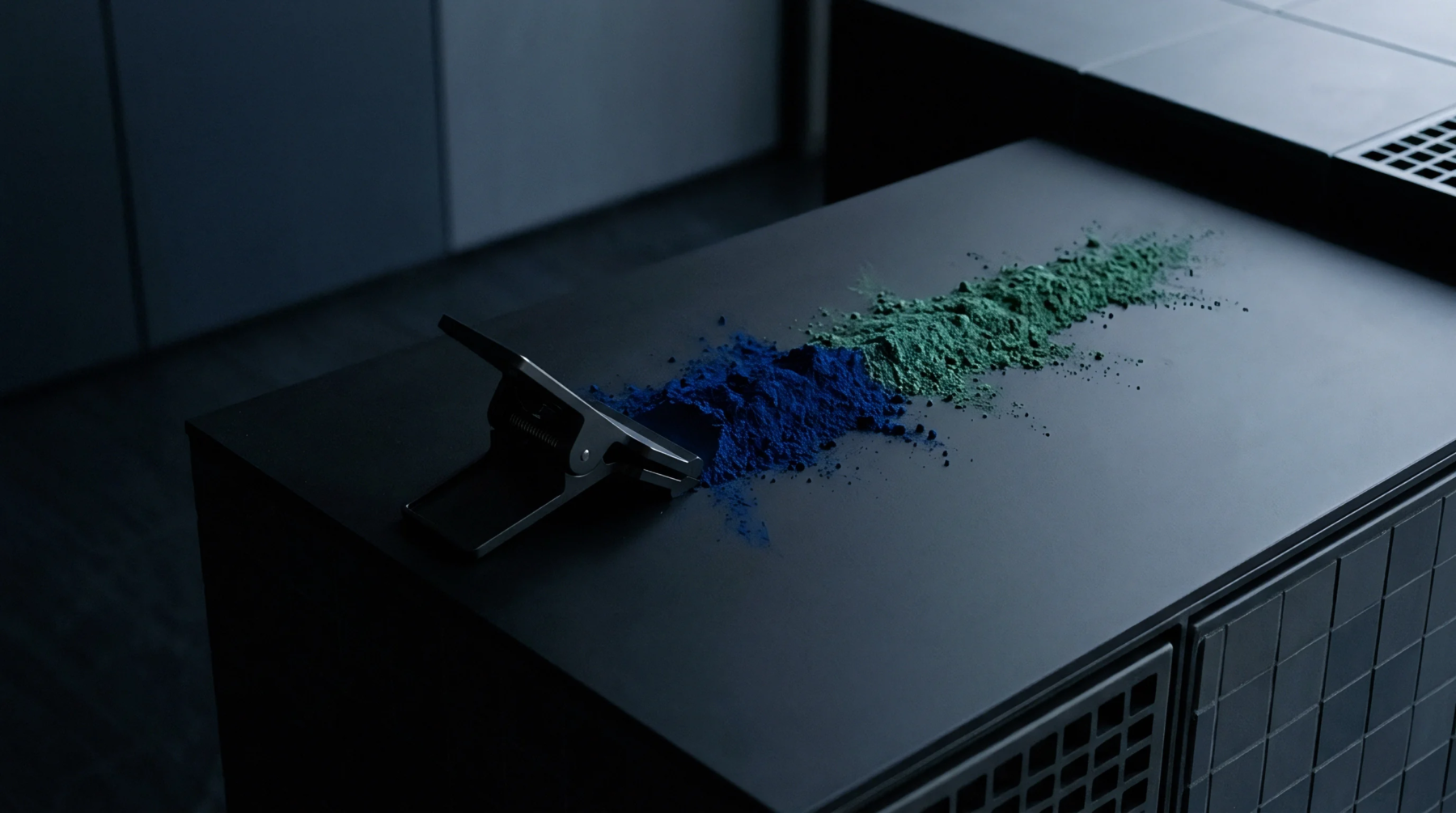
Acid deashing Kraft lignin below 100 ppm sodium using warm hydrochloric acid restores carbonization yields and elevates hard carbon initial coulombic efficiency.

Sub-zero charging drives localized LiPF6 supersaturation and salt crystallization, clogging porous anodes and triggering severe metallic lithium plating.
Expertise is a utility, not a secret. sentiention™ publishes its working knowledge as open reference: intelligence layer covering the materials it sources, the markets it enters, and the reference that serves both.