
Modeling Particle Surface Concentration Gradients to Correct State Lookup Errors
Particle surface concentration gradients distort terminal voltage lookups; embedded reduced-order diffusion models decouple surface and bulk states to prevent drift.
Particle surface concentration gradients distort terminal voltage lookups; embedded reduced-order diffusion models decouple surface and bulk states to prevent drift.
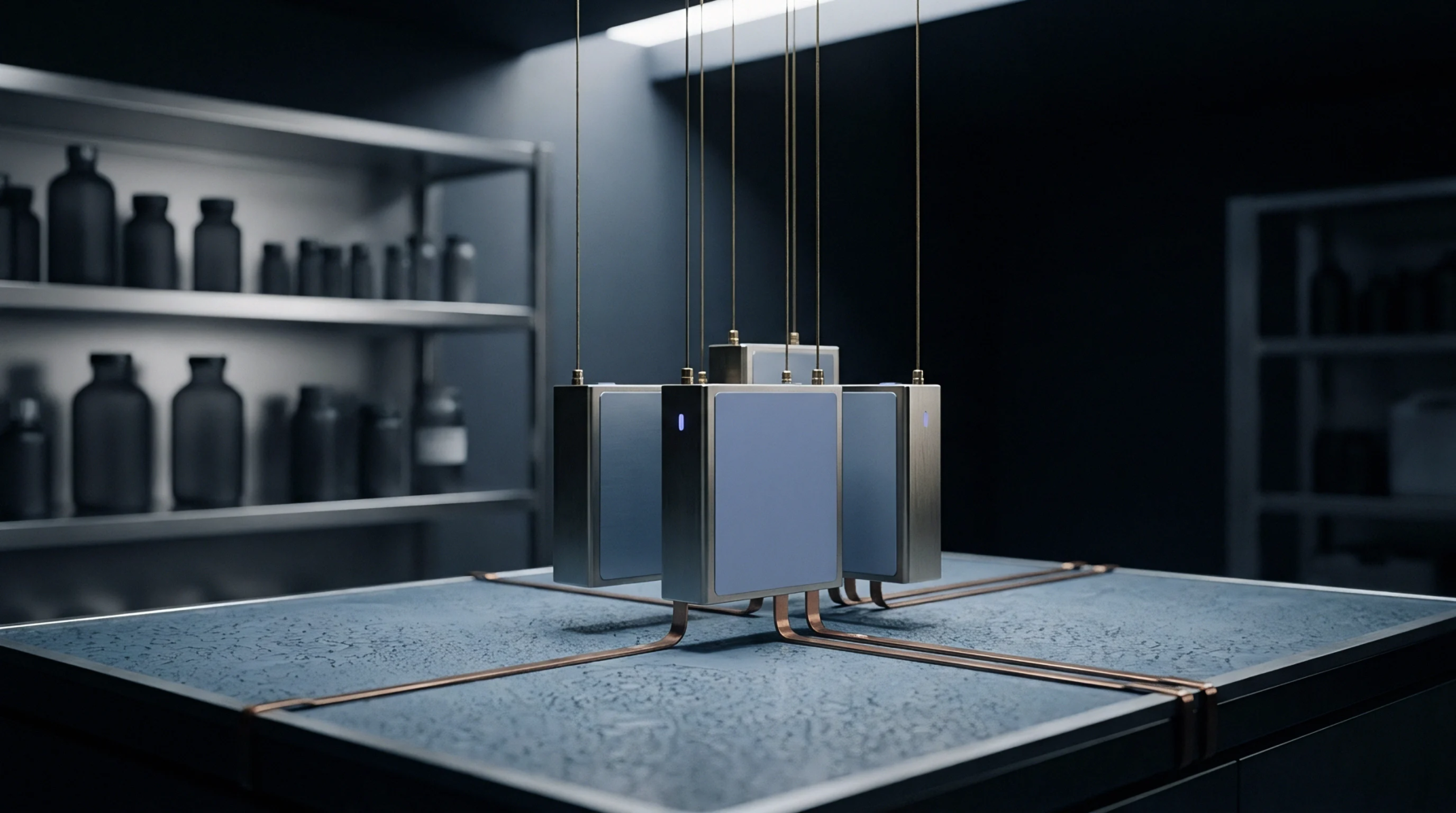
Solid phase diffusion creates surface concentration gradients that bias terminal voltage lookups, producing massive SOC estimation errors in flat OCV cells.
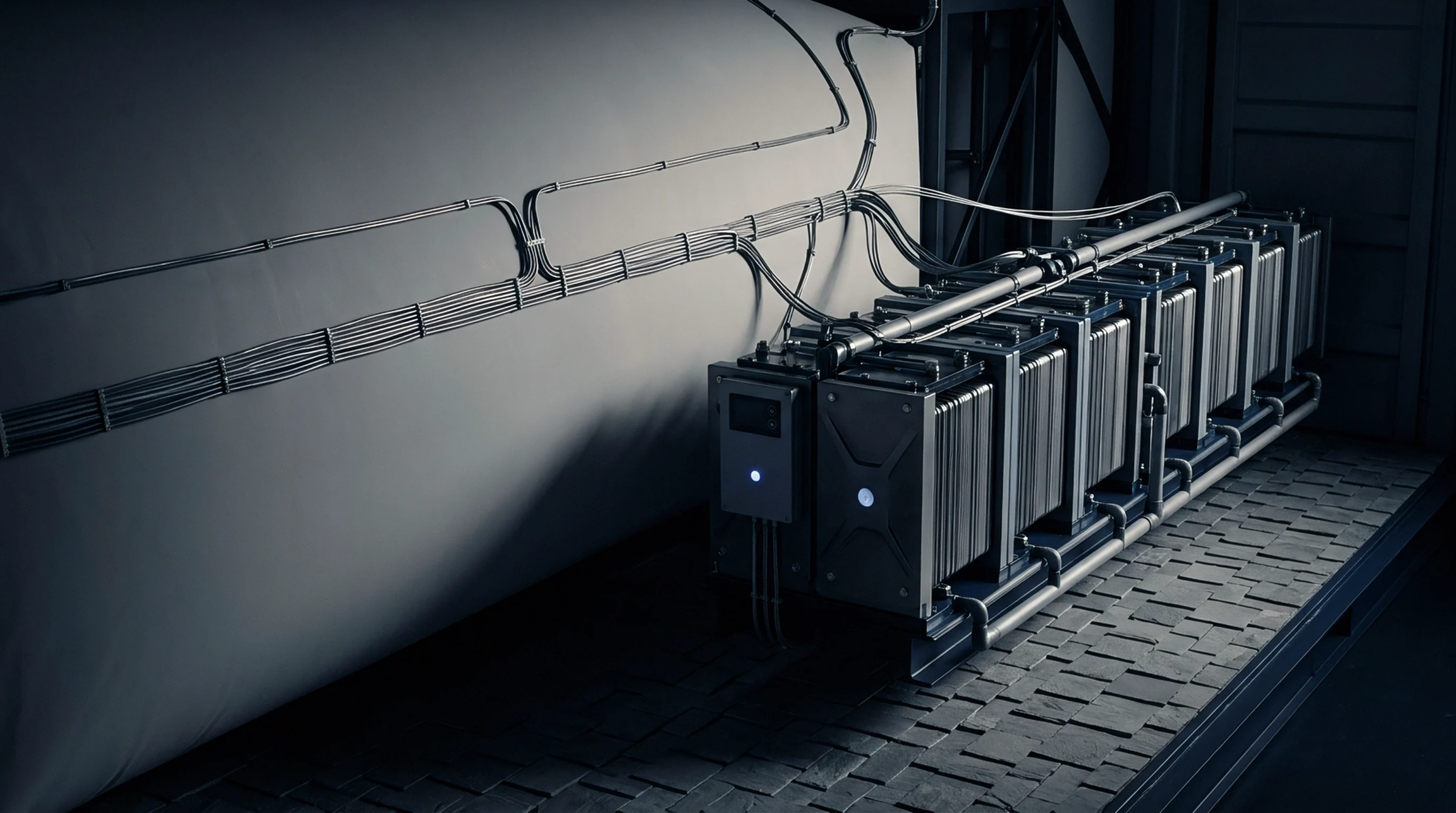
Low temperature storage freezes phase boundary migration in commercial cells, producing artificial capacity loss that resolves through controlled thermal dwell.
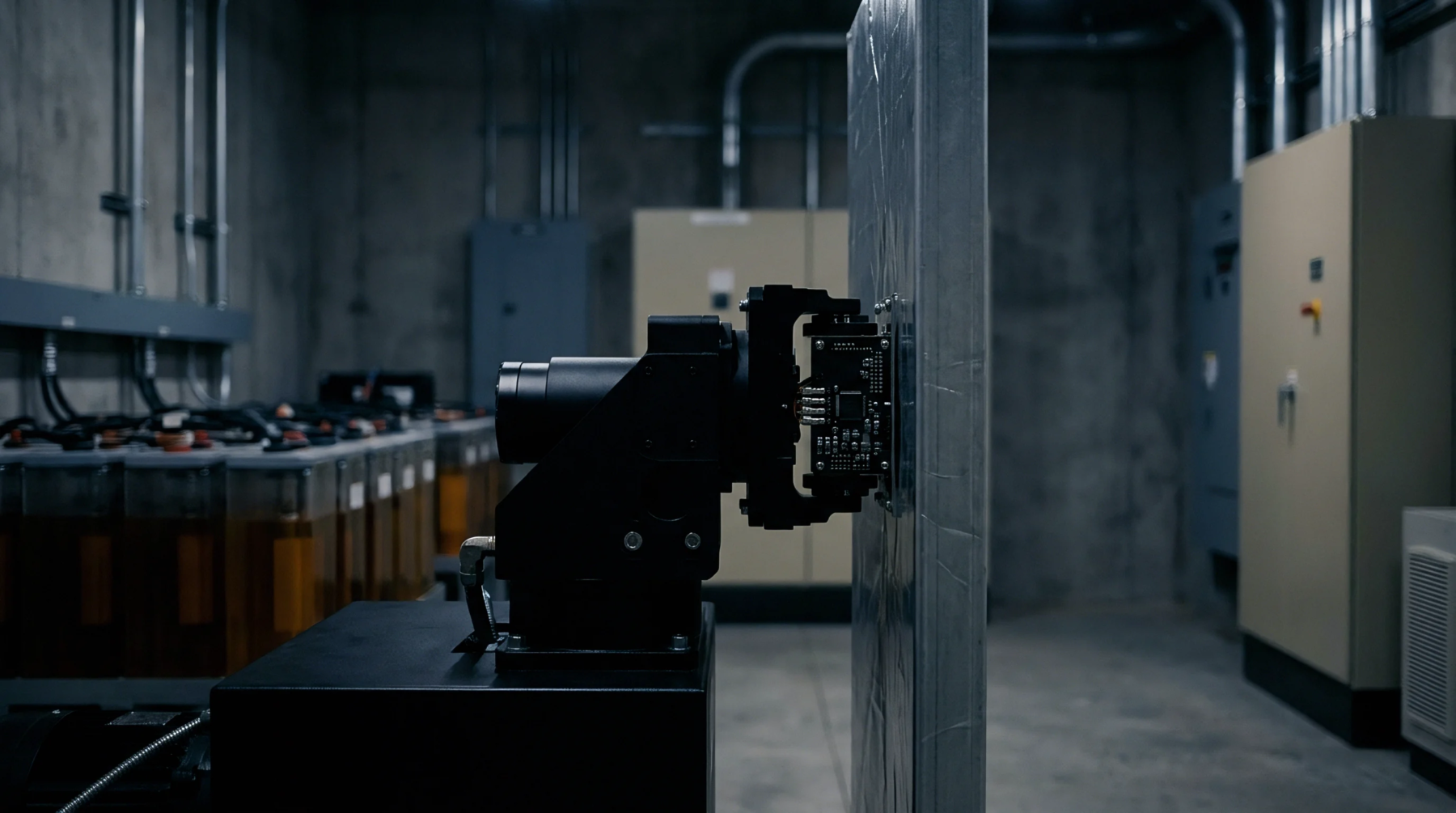
Factory K value measures prismatic cell voltage decay rate over storage dwell to screen out internal micro-shorts through high-resolution multimeter gates.
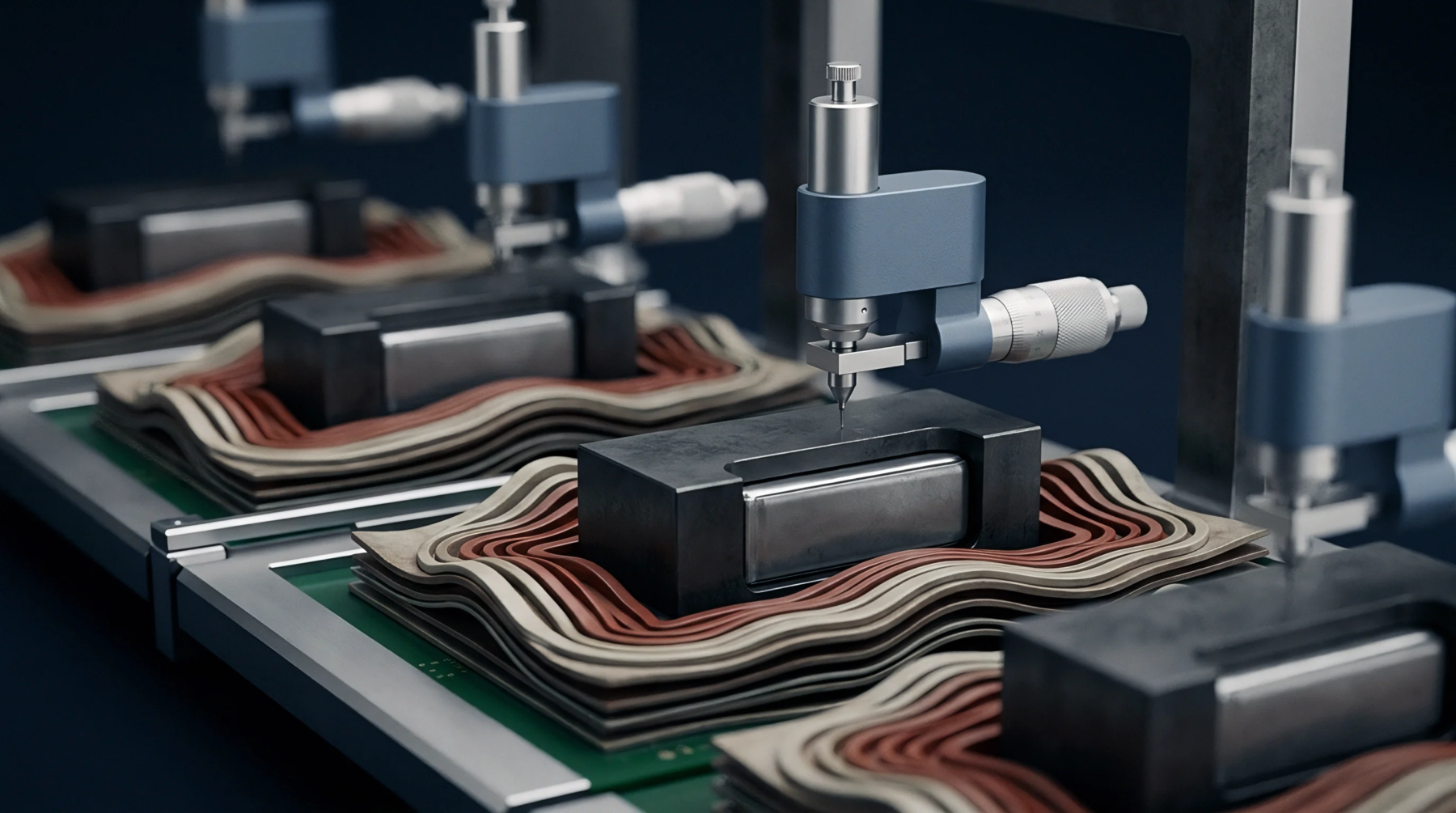
Lithium iron phosphate state of charge determination demands high-frequency current integration bound by deterministic calibration resets at steep voltage knees.

Closed pore volume dictates hard carbon plateau capacity, but high desolvation energy at narrow pore mouths triggers sodium plating under fast charging.

Low-temperature sodium charging in biomass carbon anodes requires tuning d002 spacing above 0.37 nm and using ether solvents to prevent plating overpotentials.

Bio-derived hard carbons enable direct sub-zero charging down to -30°C by lowering desolvation energy and preventing dangerous anode surface metal plating.

Closed pore shrinkage and desolvation limits force sodium plating below zero volts, demanding preheating above ten degrees Celsius to preserve cell life.
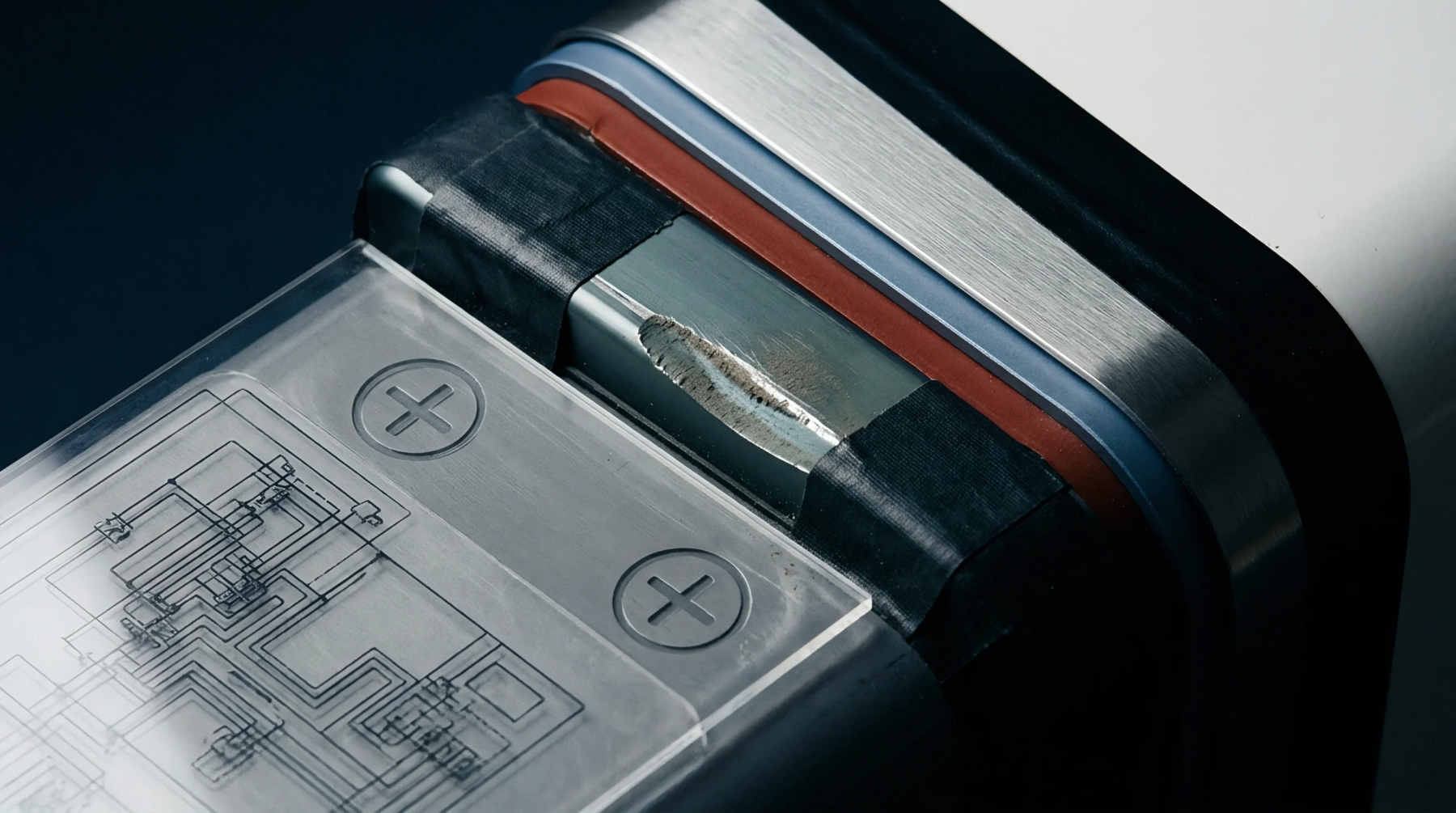
Thermal annealing between 1300°C and 1400°C heals vacancies, closes nanopores, and maximizes low-voltage plateau capacity to yield over 88% initial efficiency.

Carbonizing biomass between 1200°C and 1400°C maximizes low-potential plateau capacity, closes external micropores, and boosts initial coulombic efficiency.

Thermal closed pore shrinkage contracts internal ion reservoirs, slashing plateau capacity and inflating cathode mass requirements across scale cell manufacturing.
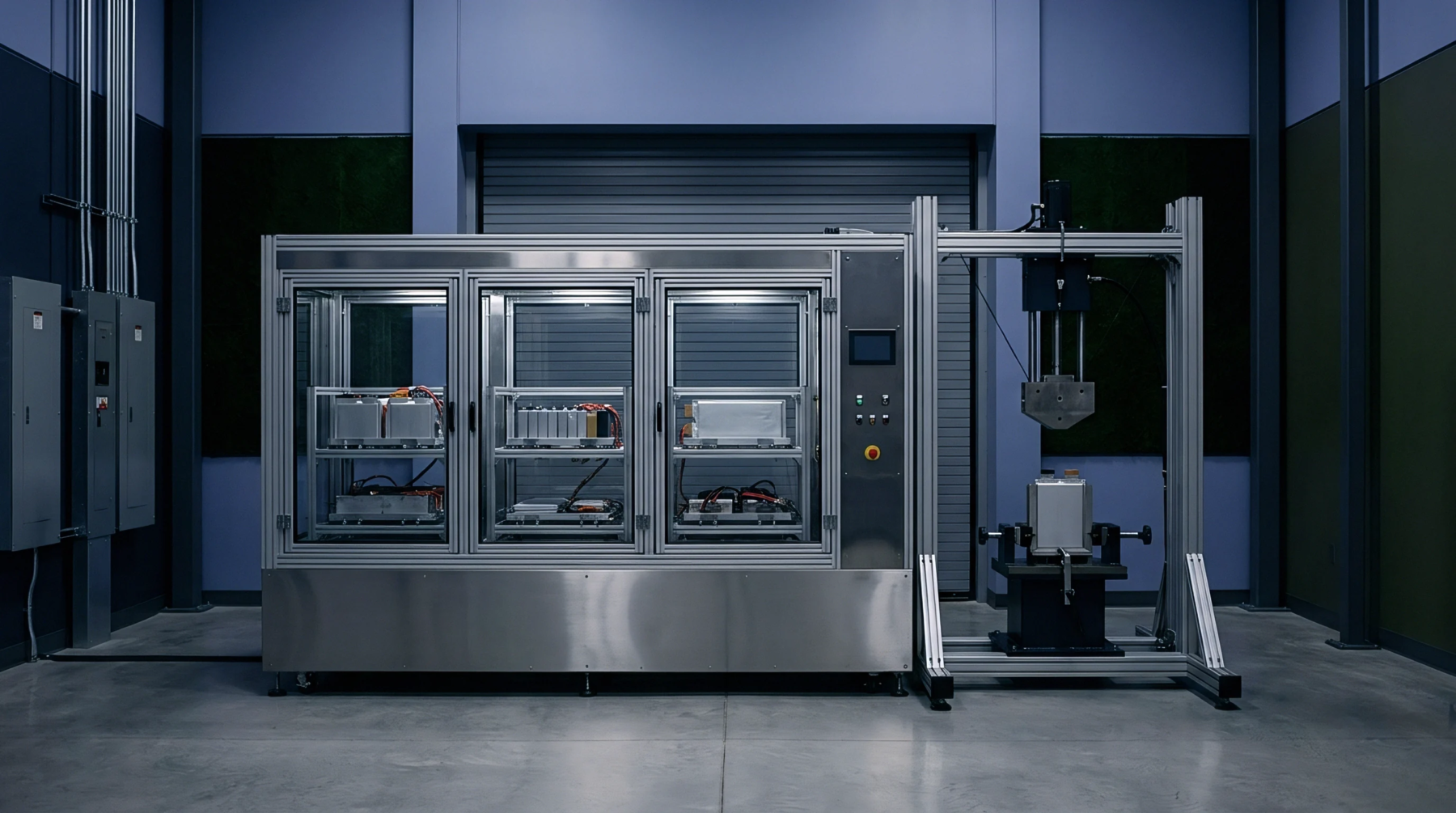
Precursor cross-linking freezes aromatic pitch ordering, preventing graphitization during pyrolysis to expand d002 spacing and maximize plateau capacity.
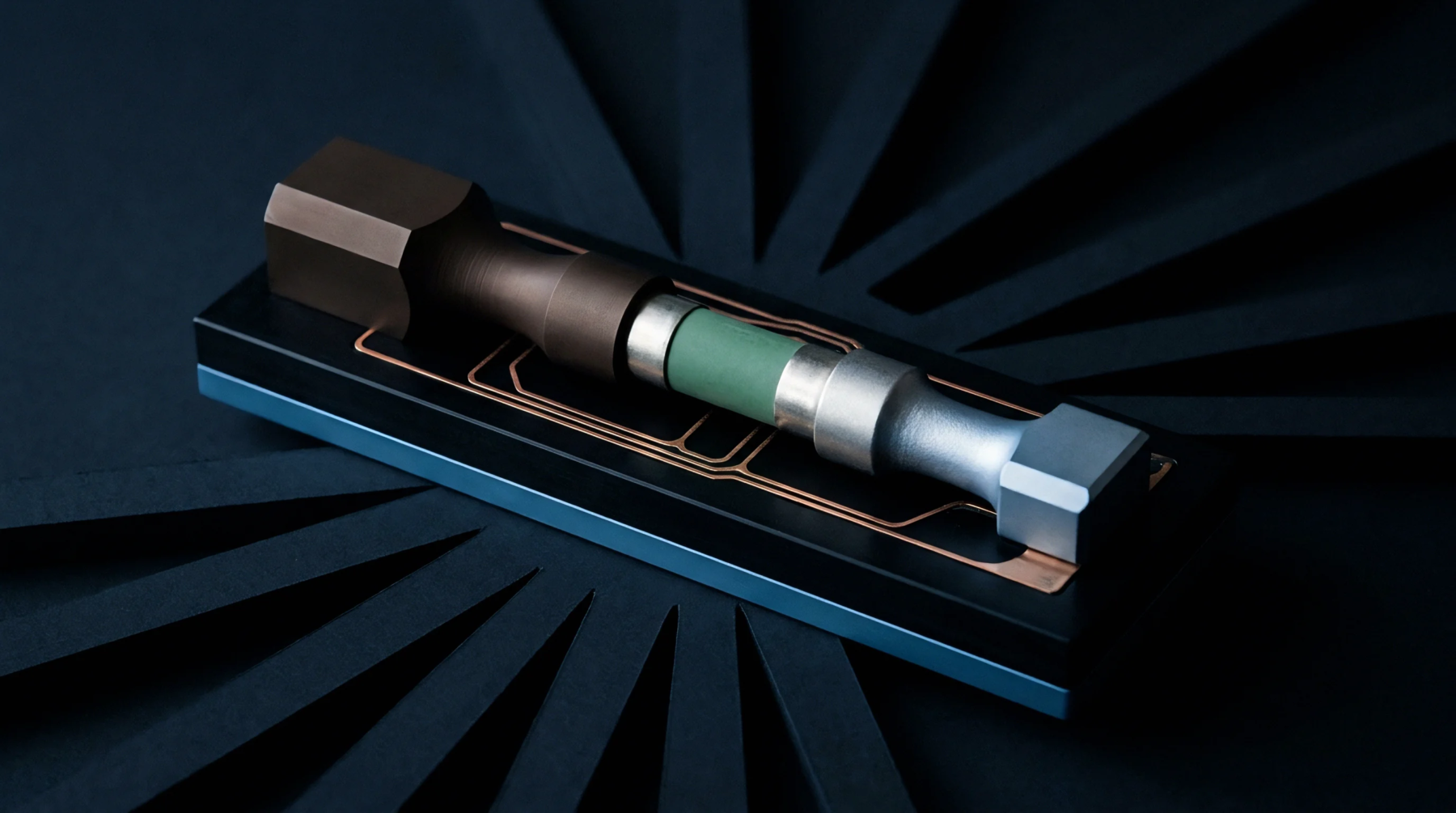
Hard carbon selection requires balancing closed pore volume against open surface area to maximize initial coulombic efficiency and low-voltage plateau capacity.
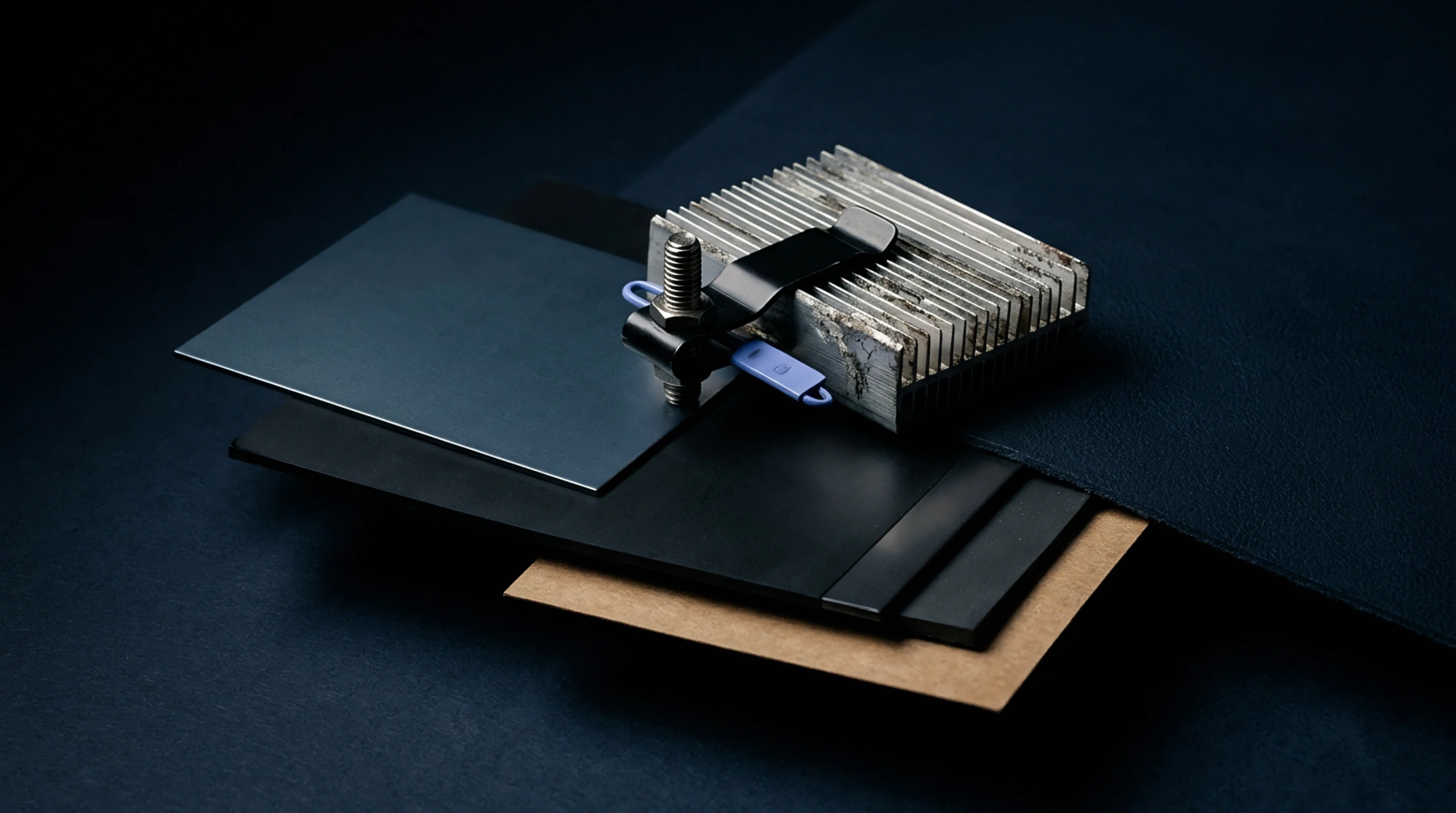
Reference potential shift during fast charging stems from uncompensated ohmic drops and fringe field geometry, requiring current-interrupt stripping validation.

Ceramic-shielded reference wires resist dynamic compression when shear-buffered, but micro-cracking and impedance growth require continuous drift calibration.
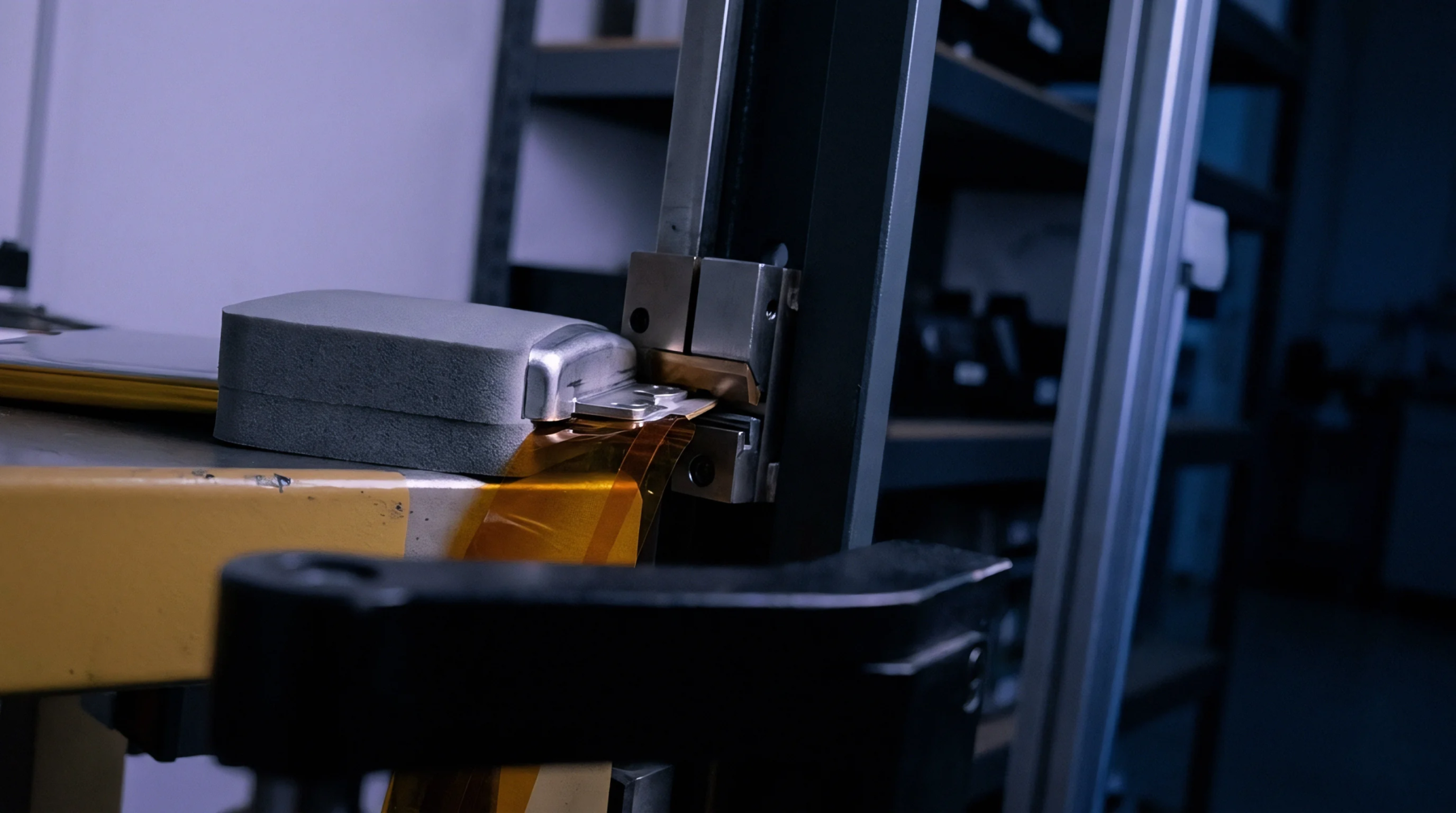
Solid state reference electrodes isolate anode overpotentials in pouch cells to prevent fast-charge lithium plating despite severe geometric field distortions.
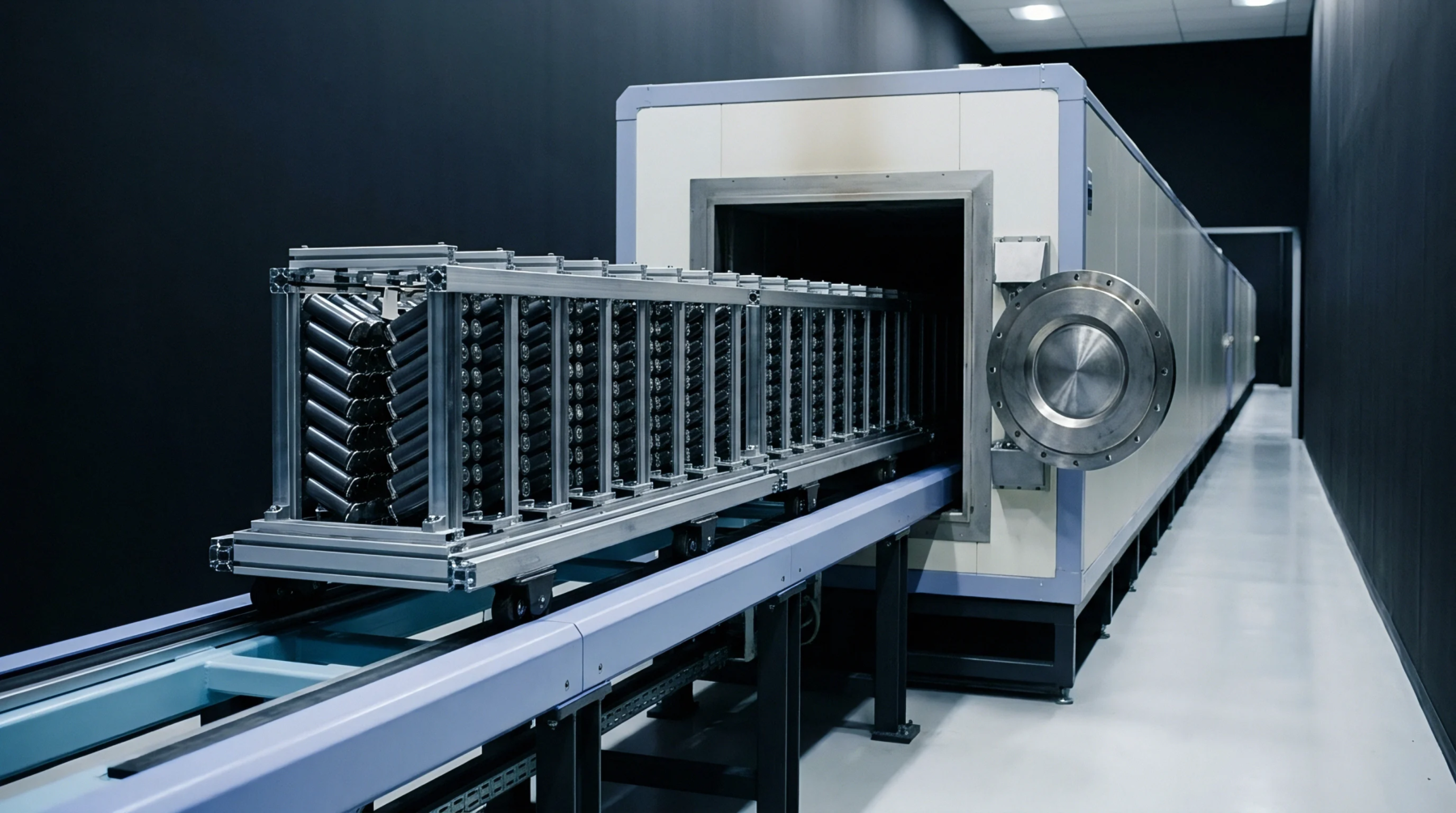
Dynamic thermal shock induces glass feedthrough microcracking and reference potential drift, demanding matched CTE alloys and real-time Nernst compensation.
Micro-reference electrodes dynamically regulate charging current to pin anode potential above zero volts, preventing lithium plating without cycle-life loss.
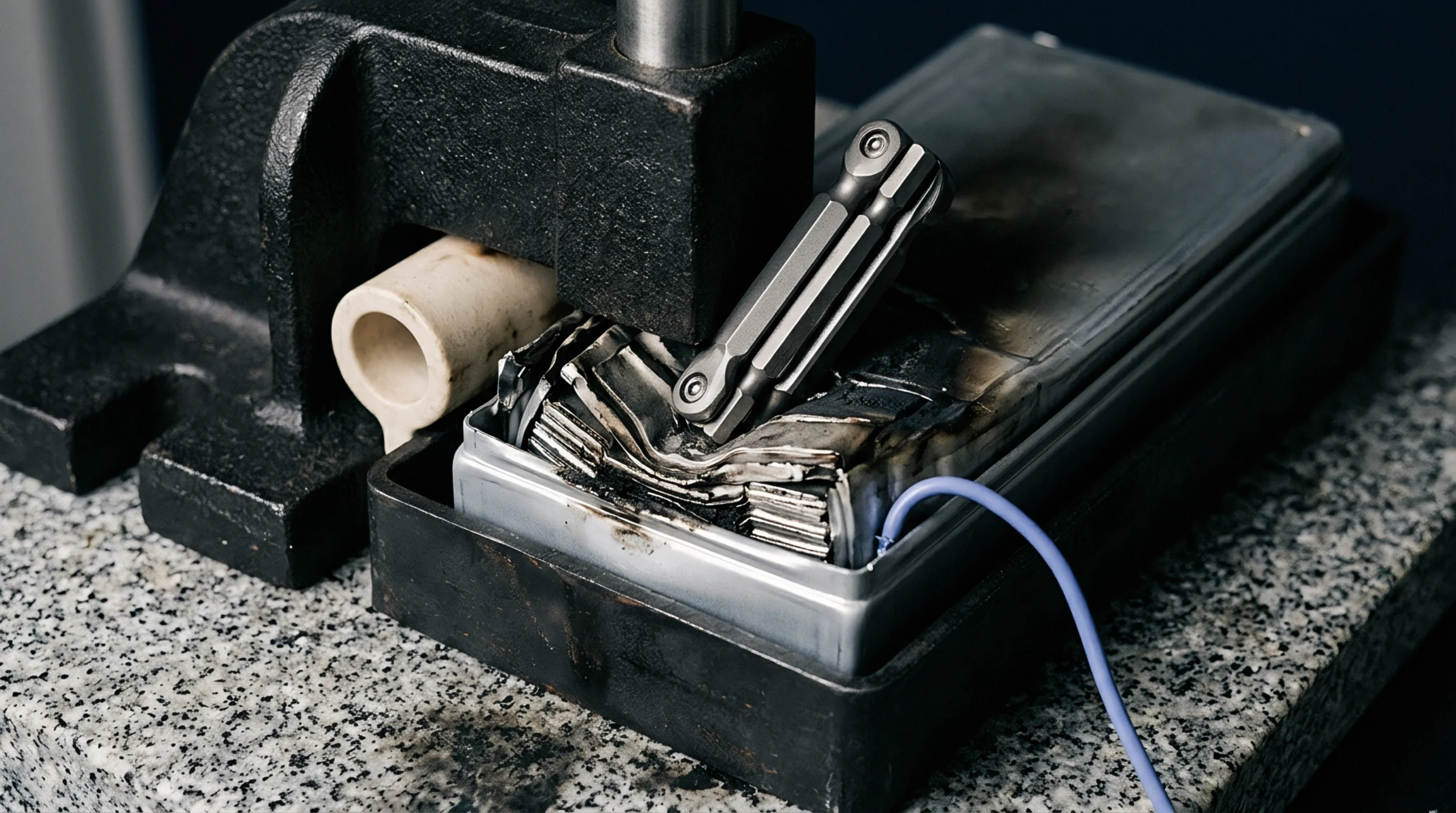
Anode overpotential monitoring decouples half-cell polarization to track the zero-volt lithium plating threshold during sub-zero fast charging.

Aged solid-state cells undergo severe interfacial contact loss and kinetic resistance growth at subzero temperatures, collapsing closed-loop tracking.

Three-electrode graphite overpotential calibration demands active uncompensated ohmic drop extraction to prevent false positive voltage readings during fast charge.
Low temperature charging triggers metallic lithium plating when anode polarization drops below zero volts, requiring strict thermal pre-heating or rate derating.

Post-charge thermal rest accelerates subsurface lithium re-intercalation, eliminating sub-zero plating impedance and restoring cold-weather cycle life.
Differential voltage analysis detects sub-zero lithium plating by identifying the distinct phase-transition stripping peak during relaxation or early discharge.
Cryogenic charging limits stem from desolvation kinetics and anode strain, demanding operando dilatometry to prevent catastrophic plating delamination.

Low-temperature graphite intercalation is limited by charge-transfer impedance and slow solid diffusion, forcing lithium plating unless charging current drops.
Pegging batch release to sub-zero direct current resistance limits insulates battery buyers from cold-weather derating penalties and field warranty exposure.
Charging cold graphite cells below zero volts versus lithium drives metallic dendrite plating that permanently degrades capacity and raises runaway hazards.

Asymmetric pack cooling generates local overpotentials and microstructural stresses that drive localized lithium plating during high rate fast charging.
Expertise is a utility, not a secret. sentiention™ publishes its working knowledge as open reference: intelligence layer covering the materials it sources, the markets it enters, and the reference that serves both.