
Spatial Temperature Gradients and Localized Degradation in Prismatic Formats
Spatial temperature gradients in prismatic cells drive localized lithium plating and accelerated SEI growth, shortening pack cycle life.
Spatial temperature gradients in prismatic cells drive localized lithium plating and accelerated SEI growth, shortening pack cycle life.

Real-time tracking of anode interfacial overpotential and cross-plane thermal gradients enables maximum fast-charging speeds while preventing lithium plating.
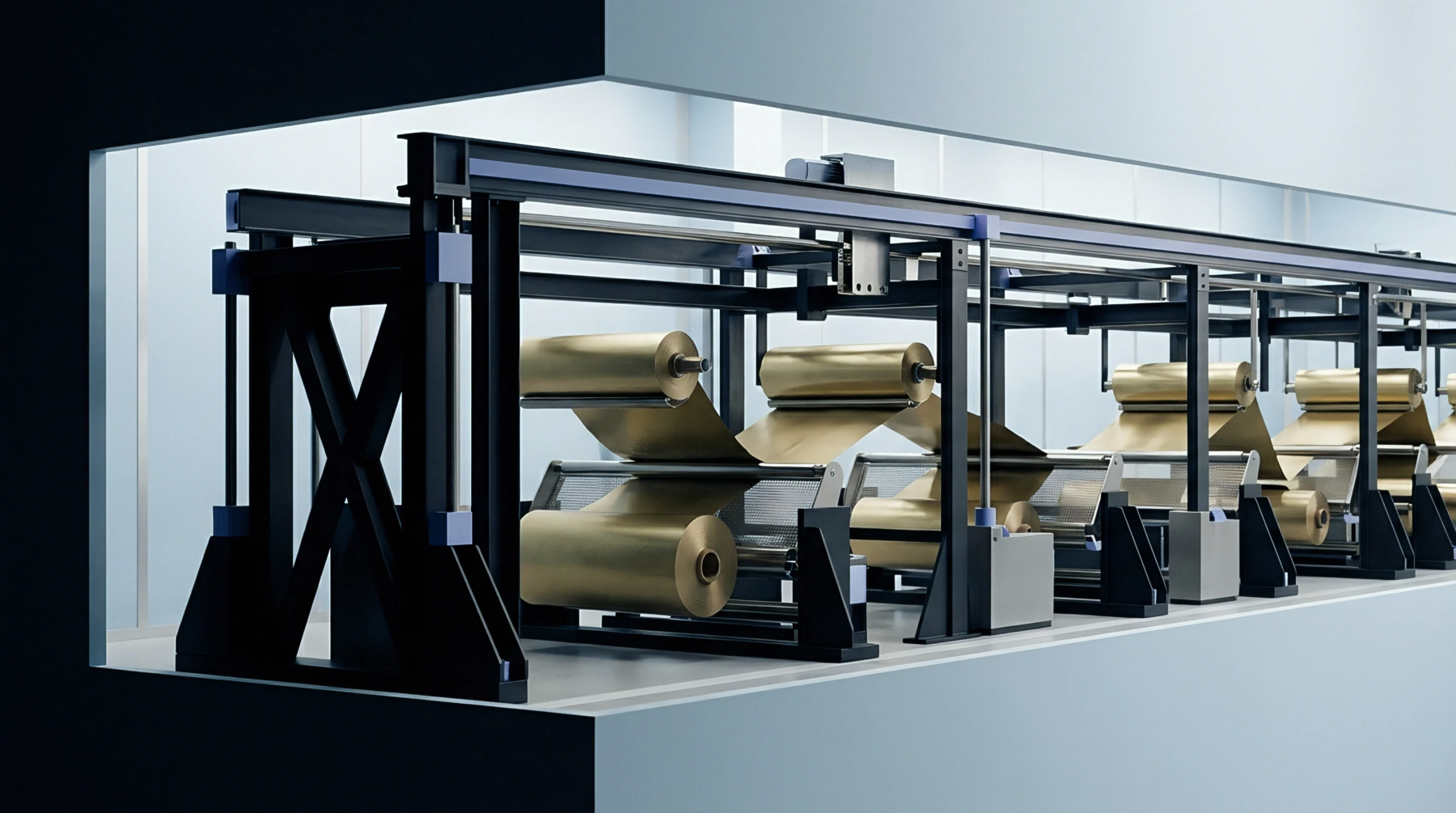
Continuous graphitization limits carbon lattice ordering, accelerating particle cleavage and lithium loss unless thermal residence times exceed four hours.

Dynamic power tariffs shift battery material tolling fees by up to thirty percent, requiring sub-metered energy indexing and strict thermal baselines.

Synthetic graphite graphitization draws 8 to 14 MWh per ton, fixing cell carbon footprints and pricing exposure to regional high-voltage industrial power tariffs.

Operando voltage relaxation spectroscopy isolates inflection points in dV/dt curves to separate reversible lithium from dead metal under dynamic thermal stress.

Differential capacity deconvolution separates active lithium loss from solid interphase growth by tracking peak voltage displacement against peak area decay.
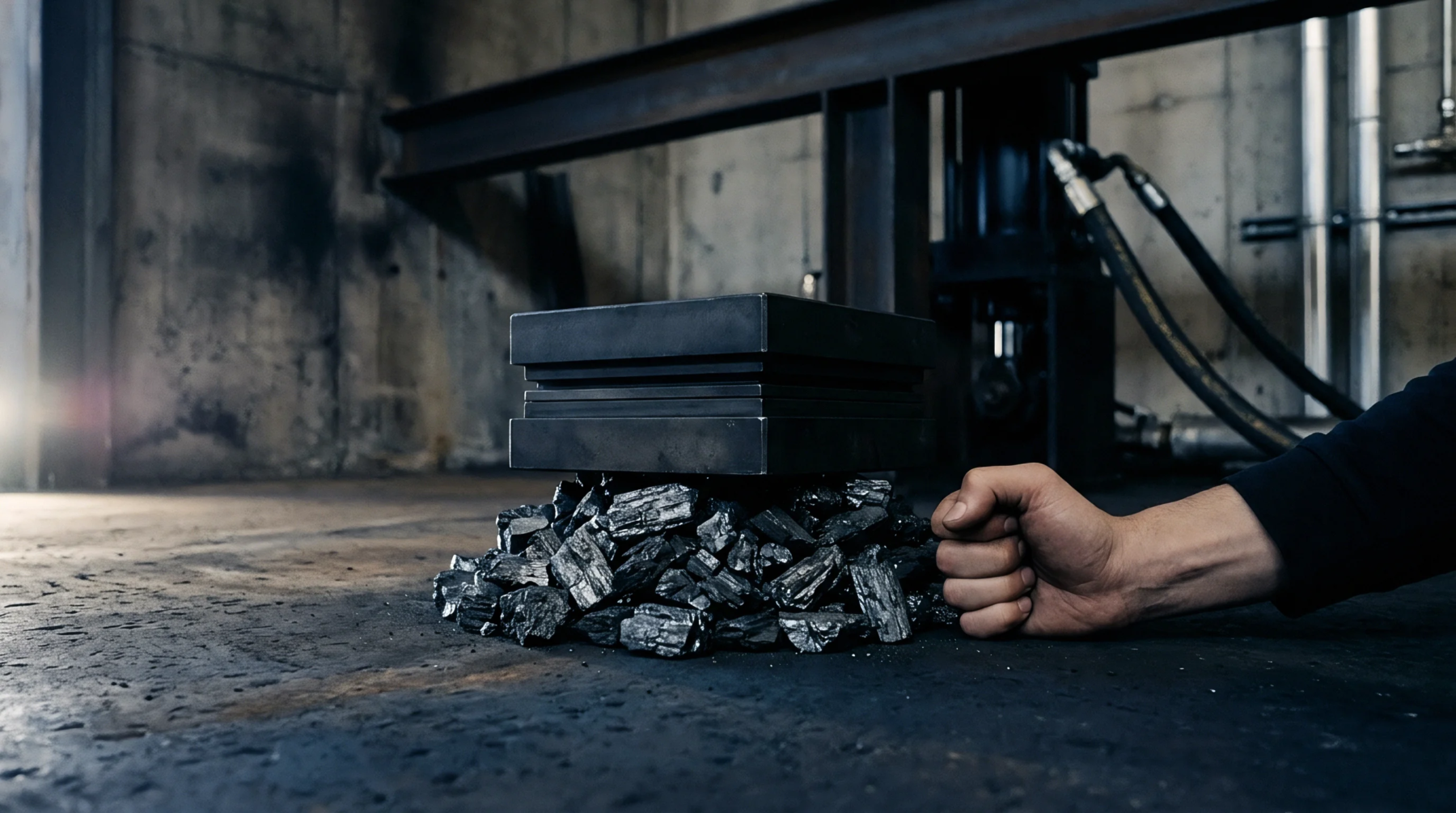
Voltage relaxation plateau tracking identifies metallic lithium stripping, separating reversible plating from chemical solid electrolyte consumption.

Combining 1 kHz AC ohmic offsets with 100-millisecond DC step pulses resolves charge transfer resistance without compromising high-throughput triage line speed.

Dynamic de-embedding of fixture inductance strips reactive voltage transients from cell measurements, preventing false DCIR sorting rejects in high-speed trays.

Four-wire Kelvin contact mechanics isolate terminal interface resistance to ensure milliohm precision in high-speed automated cell grading lines.

Precursor internal cavities retard lithium solid diffusion, demanding extended calcination cycles and risking residual salt slurry gelation downstream.

Recycled NMC precursors demand strict tap density above 2.05 g/cm³ and BET surface area under 6.5 m²/g to prevent cathode slurry gelation and compaction failure.
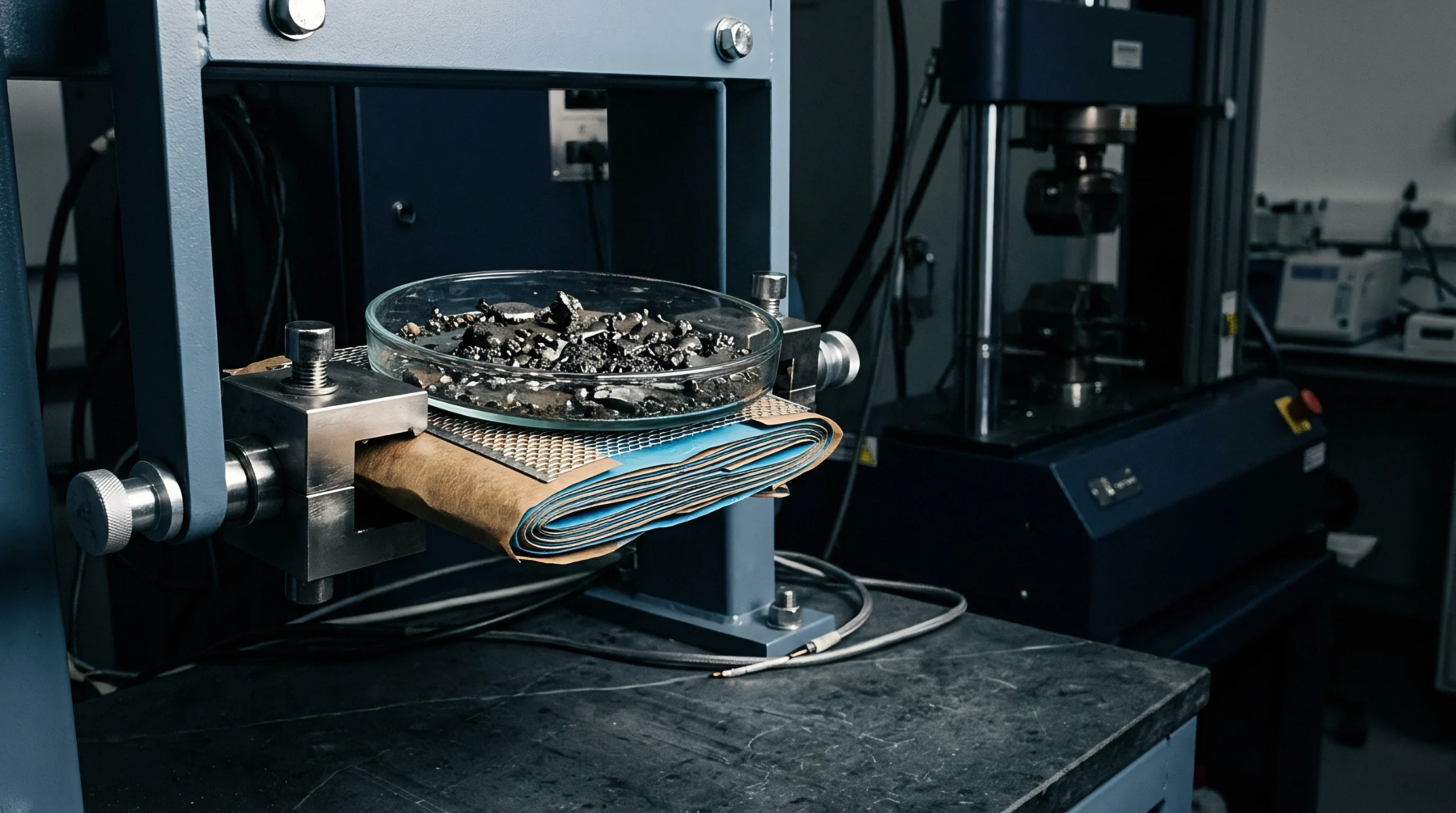
Verify recycled precursor lot quality by coupling laser diffraction, tap density, and Karl Fischer titration to intercept defective cathode active material batches.

Transient polarization decay modeling extracts sub-milliampere internal short circuits during post-charge rest to stop latent thermal runaway before module assembly.

Kelvin probe fixtures eliminate contact resistance in high-throughput sorting, but dynamic wear and loop inductance require rigid tooling and routine calibration.

AC 1 kHz checks catch weld defects, while DC pulse tests quantify true polarization thermal loads essential for cell grading and pack warranty validation.
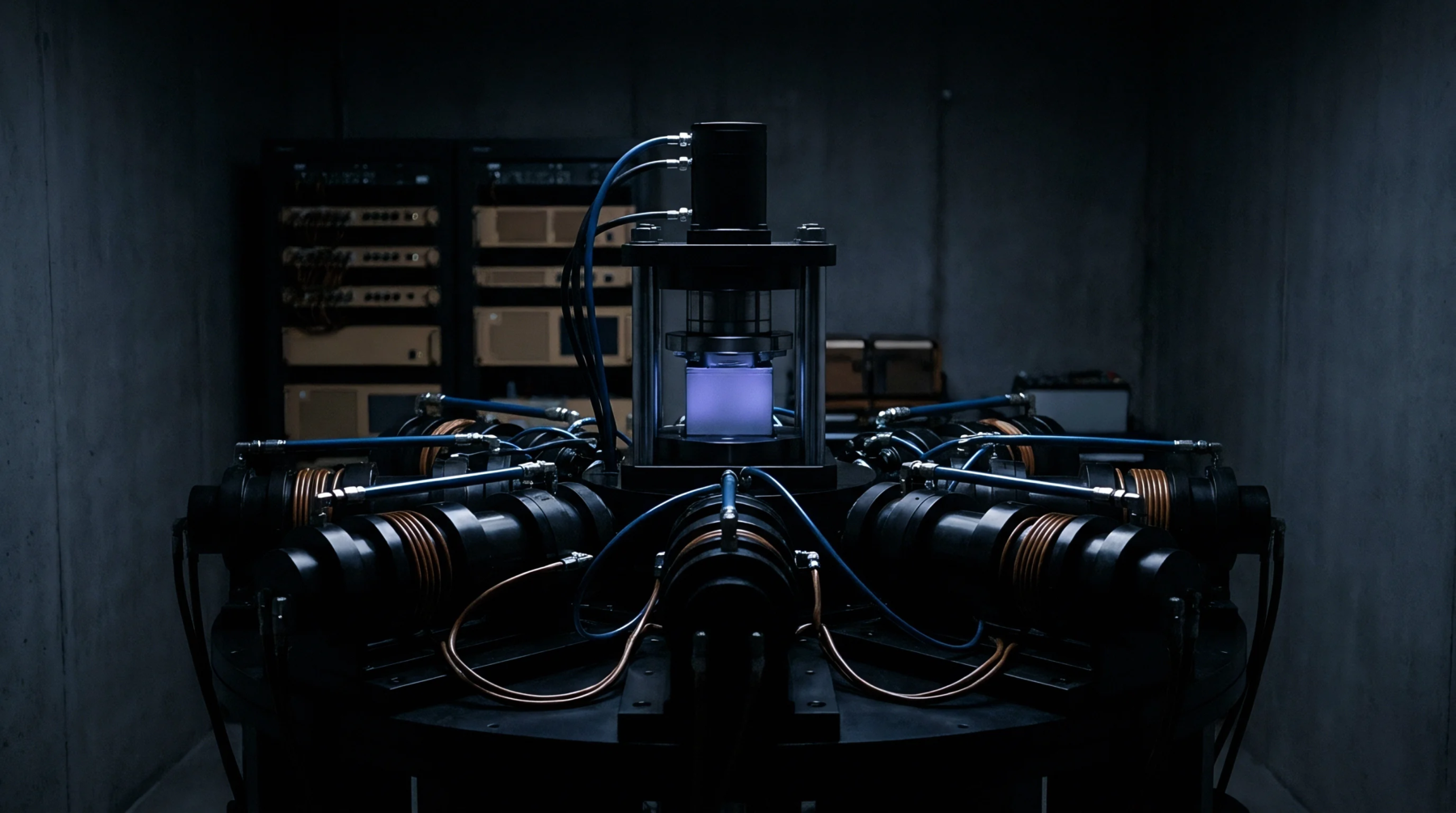
In situ pressure monitoring reveals that void-constrained core-shell silicon anodes arrest phase boundary migration when internal contact stress exceeds 300 MPa.

Maintain constant hydrostatic confinement between 0.30 and 0.60 MPa to prevent active silicon particle detachment without causing separator pore collapse.
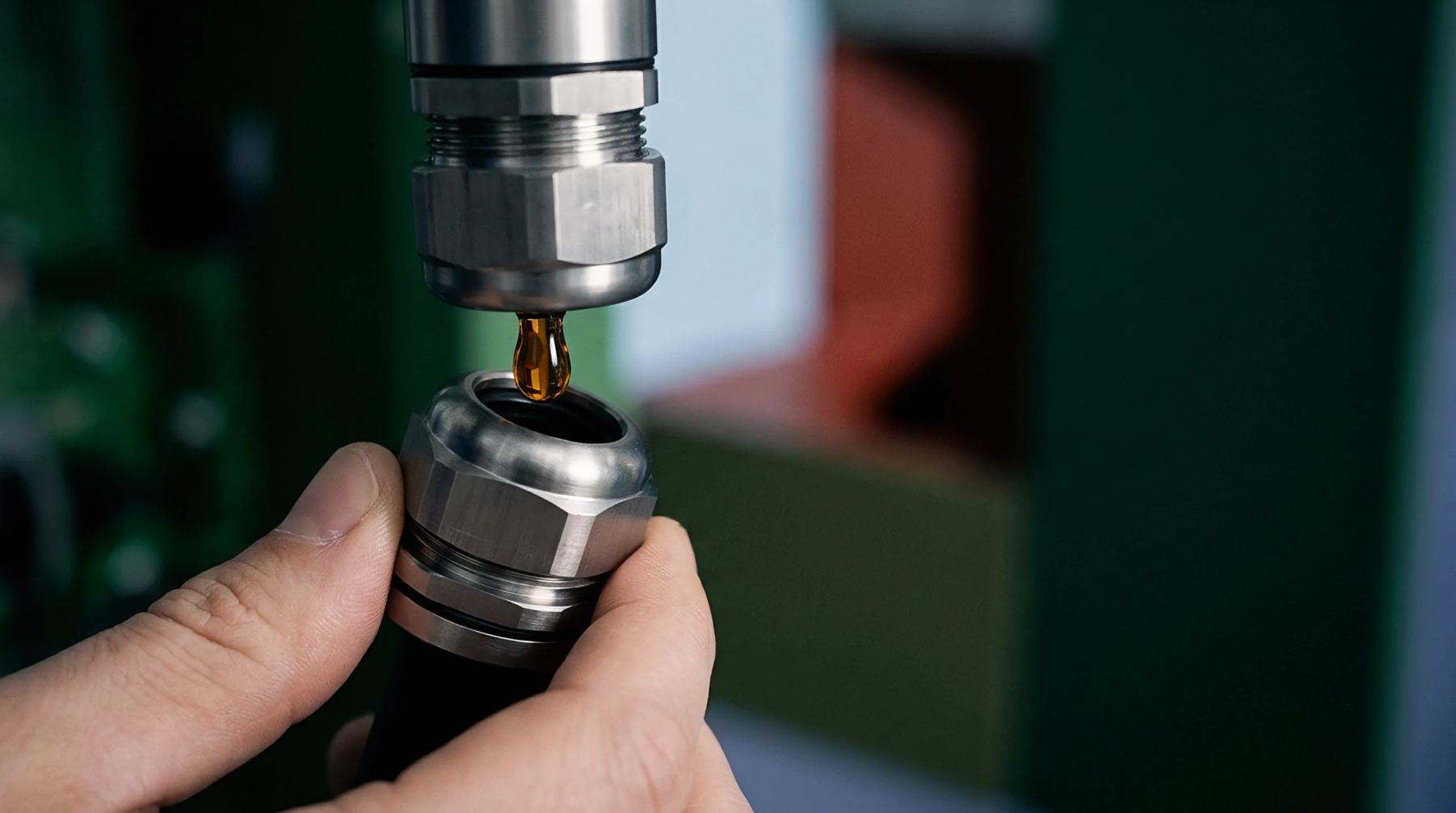
Solid silicon anode expansion demands 5 MPa stack clamping to prevent void delamination, imposing module hardware mass penalties that cut pack energy density.

Viscoplastic stress relaxation in silicon-lithium alloys mitigates localized current divergence only when charge rates remain below the material creep velocity.

Dynamic mechanical compression between 0.3 and 0.8 MPa suppresses silicon void nucleation and crack propagation to extend high-capacity pouch cell cycle life.

Interfacial compressive stress in silicon anodes elevates charge transfer overpotential and drives SEI rupture, requiring 0.3-0.8 MPa pack constraint.
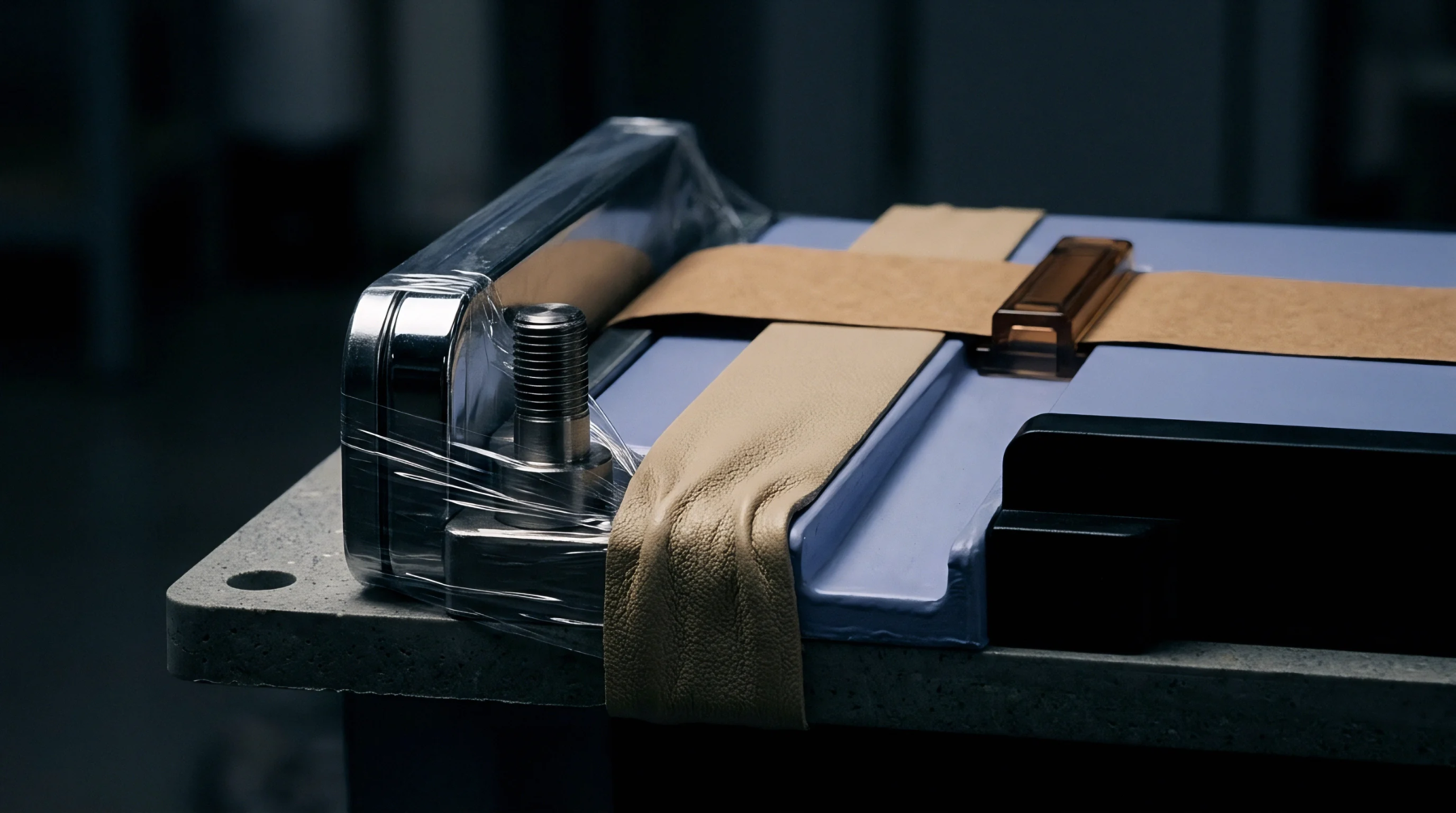
Compliant foam pads resolve microscale SEI heterogeneity by dampening edge pressure spikes and maintaining uniform local overpotential across pouch electrodes.

Fast-charge radial SEI thickening concentrates at the cylindrical core due to anisotropic thermal resistance, demanding core cooling to prevent premature fade.

Cross-plane thermal gradients drive localized overpotential spikes that trigger premature lithium plating, uneven passivation thickness, and warranty-killing fade.

Resolving oxygen evolution dynamics requires conformal atomic coatings, rigorous gas mass spectrometry validation, and binding residual lithium specs in contracts.

Cathode interfacial impedance surges during high-voltage storage through active surface reconstruction, demanding low storage voltage and cold pulse screening.

Surface reconstruction degrades high-nickel cathodes via rock-salt shell growth and oxygen release, requiring strict voltage derating to limit impedance fade.

Entrained organosodium ethers decompose inside hard carbon closed nanopores below 0.1V, consuming active sodium and accelerating long term capacity fade.
Expertise is a utility, not a secret. sentiention™ publishes its working knowledge as open reference: intelligence layer covering the materials it sources, the markets it enters, and the reference that serves both.