
Fiber Optic Sensing Principles for Battery Strain and Thermal Monitoring
Embedded Fiber Bragg Gratings deliver isolated internal strain and thermal metrics when polyimide coatings and dual-sensor decoupling geometries are specified.
Embedded Fiber Bragg Gratings deliver isolated internal strain and thermal metrics when polyimide coatings and dual-sensor decoupling geometries are specified.

Thermal gradients across solid-state cells drive Soret cation migration, inducing interfacial voiding that fails UN 38.3 thermal tests and invalidates dossiers.

Contractual allocation of EU Battery Passport diagnostic drift requires bench verification under IEC 62660-1 to enforce component indemnification caps.

Standard helium leak testing validates battery enclosure hermeticity down to 10^-8 mbar L/s, preventing moisture ingress and electrolyte degradation.
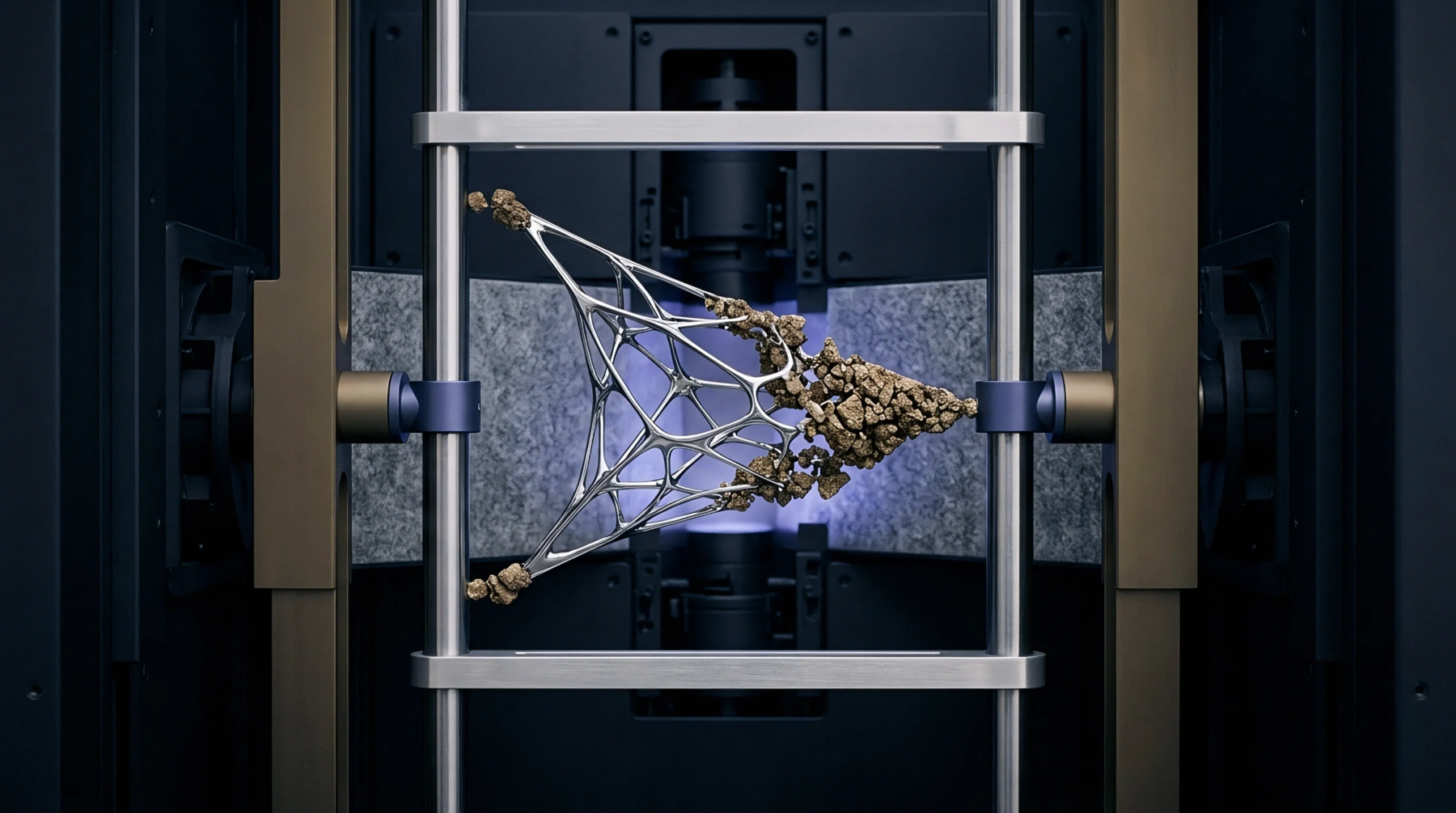
Sacrificial electrolyte additives stabilize high-voltage layered oxides at 4.35V but generate breakdown gases that alter transport safety and long-term liability.
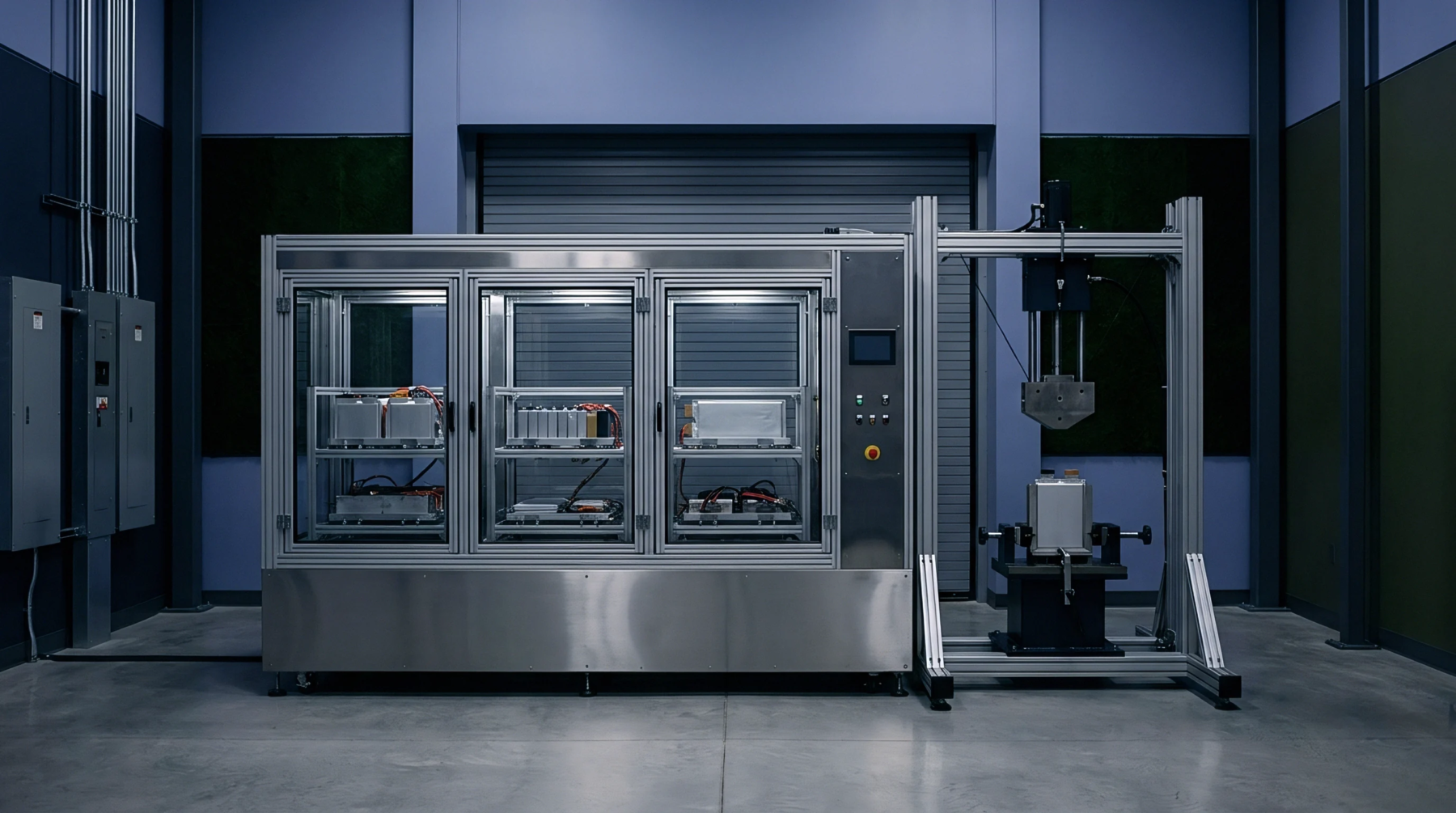
Microsecond timing skew between acquisition channels distorts cell ohmic resistance calculations, causing false batch grading and pack thermal imbalances.

Isothermal voltage relaxation analysis isolates lithium plating and anode degradation non-destructively by mapping voltage decay time constants after current cut-off.

Operando synchrotron X-ray spectroscopy provides non-destructive crystallographic proof of cell defect mechanisms to enforce supplier warranty indemnification.

Automated machine learning decouples analog filter phase delay and ringing artifacts from true battery microstructural noise to ensure diagnostic accuracy.

Reconstructed time-series timestamps, differential voltage phase tracking, and ADC noise thresholds expose fabricated cell qualification fade curves.

Structure entry-hold indemnities with strict admissibility covenants, uncapped demurrage allocations, immediate escrow drawdowns, and mandatory re-export duties.

Verify UN 38.3 test summaries by validating ISO 17025 scope, cross-checking 10 required fields, and confirming physical cell mass and Wh limits before air tender.

Dynamic stripping above critical diffusion limits nucleates interfacial voids, concentrating recharge current and causing catastrophic internal dendrite shorts.

Extreme fast charging drives tab-adjacent anode zones below zero volts, causing localized metallic lithium plating that evades standard bulk diagnostics.

True cell internal resistance splits into ohmic, charge-transfer, and diffusion parts; 1 kHz ACIR measures only ohmic paths, masking real polarization.

Differential capacity peak tracking isolates active lithium inventory loss from electrode degradation to verify true cell health before commercial acceptance.

Secure uncapped indemnification for third-party property damage and latent defect recalls by excluding catastrophic thermal events from liability caps.

Validate ISO/IEC 17025 schedules directly on ILAC registries to confirm specific battery test standards and ranges before signing cell procurement contracts.

Quantifying in situ passivation layer rupture energy under cold fast charging requires operando acoustic emission and impedance isolation to enforce supplier liability.

Interphase fracture under fast charging drives plating and fade, demanding rigorous receiving screening and strict carrier compliance.

Validate testing laboratory ISO 17025 scope annexes to ensure equipment ranges, current shunts, and thermal chambers cover actual cell safety test parameters.

Verify lithium ion cell type approval by matching laboratory ISO 17025 accreditation, raw thermocouple abuse logs, and physical cell mass to shipping manifests.

Solid-state cell import verification requires modified UN 38.3 testing under active stack pressure and UN 3090 dangerous goods compliance.

Sampling phase skew between current and voltage channels entrains charge transfer polarization into ohmic DCIR calculations, inflating cell resistance.

Pressure drops drive toxic gas effusion through cathode microcracks, requiring sub-ppm spectroscopic validation to survive dangerous goods carriage limits.

Hermetic containment below 1.0e-8 mbar l/s prevents fatal sulfide electrolyte hydrolysis, demanding helium tracer verification to clear safety regulations.

Battery open circuit voltage profiling measures relaxed cell equilibrium potentials to map thermodynamic state metrics, requiring strict rest criteria.

Managing fluorinated electrolyte imports requires aligning chemical identities with diverging PFAS rules, UN drum packaging, and strict contractual indemnities.

Importers carry strict liability for invalid UN 38.3 certificates when subcontracted labs lack accredited scope, driving mandatory direct accreditation audits.

Legal importers face strict liability and full financial recall exposure for cell shipments backed by unaccredited subcontracted UN 38.3 transport test schedules.
Expertise is a utility, not a secret. sentiention™ publishes its working knowledge as open reference: intelligence layer covering the materials it sources, the markets it enters, and the reference that serves both.