
Busbar Materials and the Corrosion Nobody Budgets
Galvanic corrosion across bare copper-aluminum busbar joints creates escalating thermal interfaces that erode pack life and trigger unbudgeted warranty claims.
Galvanic corrosion across bare copper-aluminum busbar joints creates escalating thermal interfaces that erode pack life and trigger unbudgeted warranty claims.

Recycled cathode precursors match virgin cell performance when hydrometallurgical refining limits trace iron and copper contaminants below 10 and 5 ppm respectively.
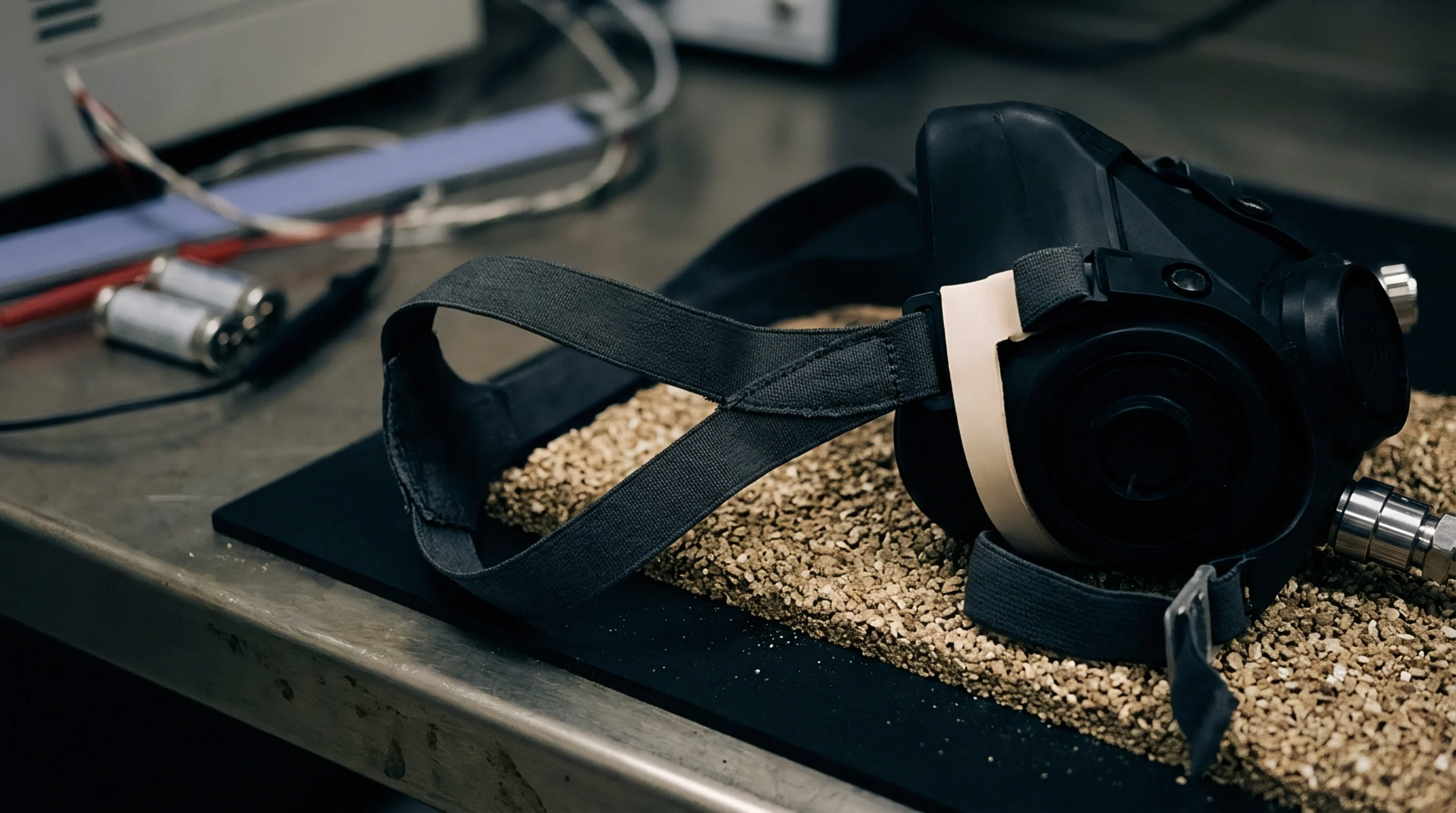
Transport certificates for fresh cells fail to cover chemically aged stock, exposing buyers to severe maritime customs rejections and uninsured liability.

Inbound hazardous goods certificate validation requires cross-checking UN 38.3 test summaries, SDS Section 14, and dock voltage readings against shipper declarations.

EU Battery Framework enforcement turns carbon metrics into absolute market entry barriers governed by strict legal indemnification seams.
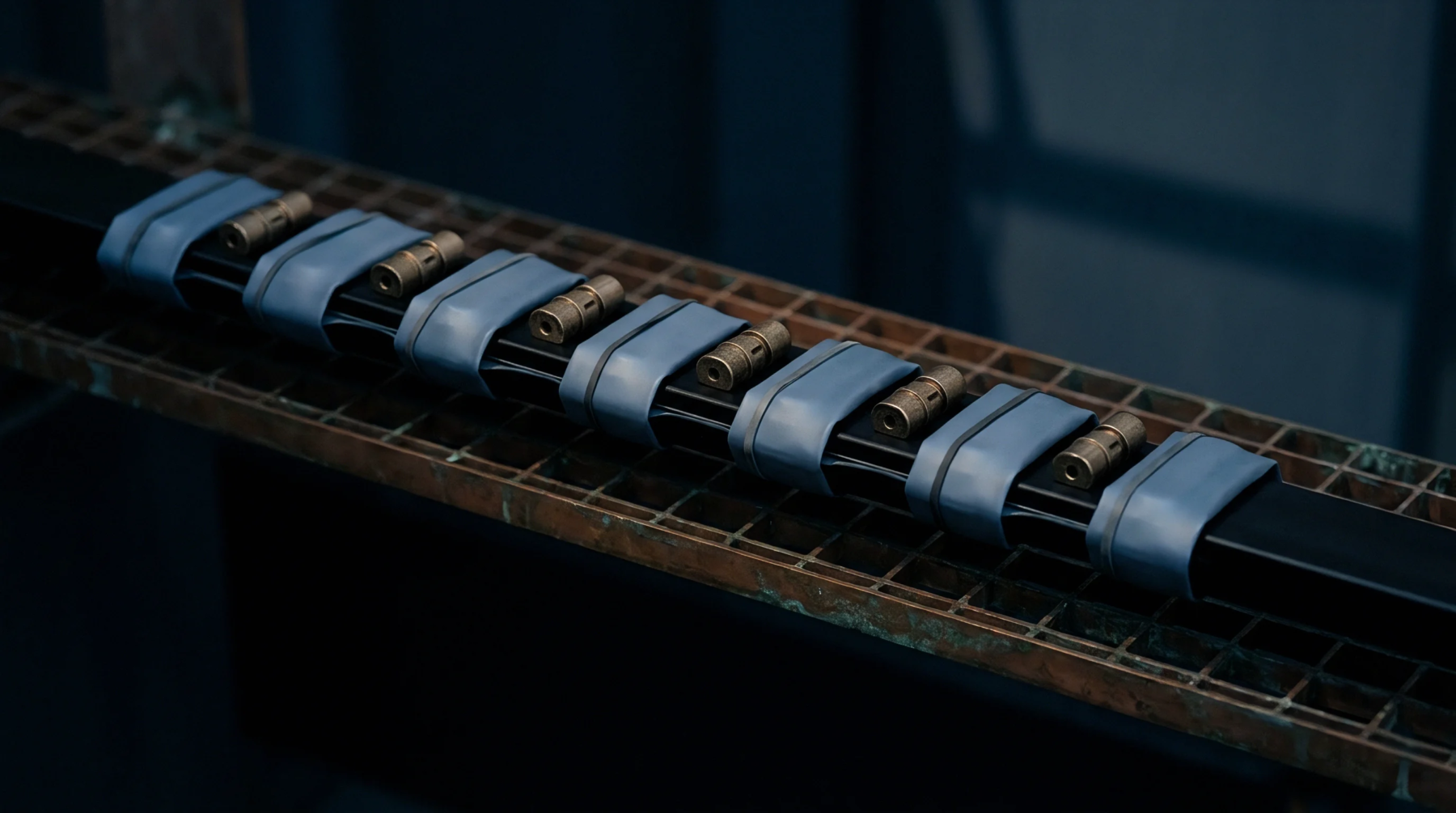
Allocating interconnect warranty risk relies on strict micro-ohm baseline tracking, 1000V creepage isolation, and serial batch traceability.
Align EU Regulation 2023/1542 importer duties with cross-border supply contracts using escrow technical files, letters of credit, and SOH reference test protocols.
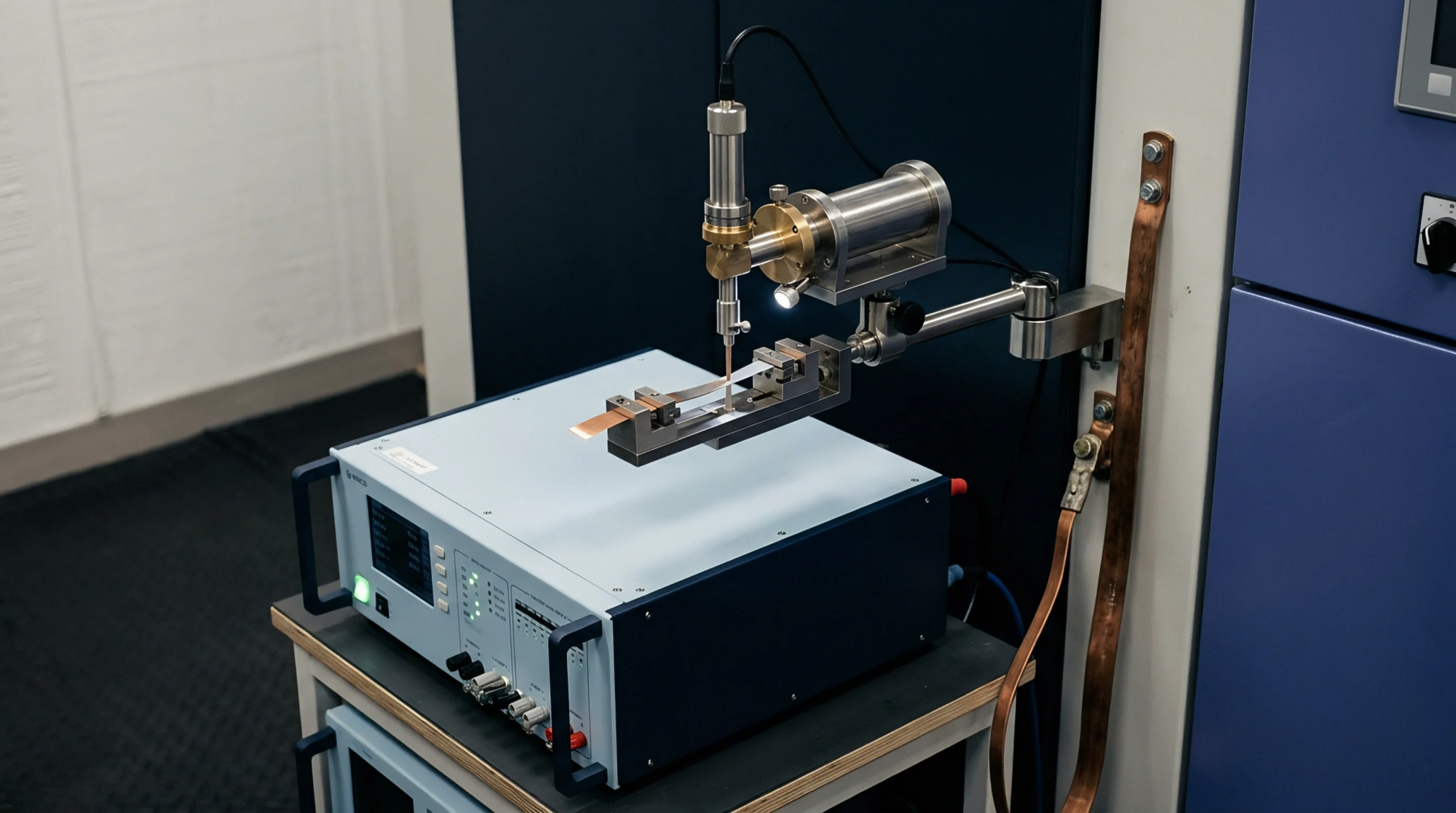
Optimal mechanical constraint extends lithium cell cycle life by suppressing electrode delamination while avoiding separator pore collapse and intergranular cathode fracture
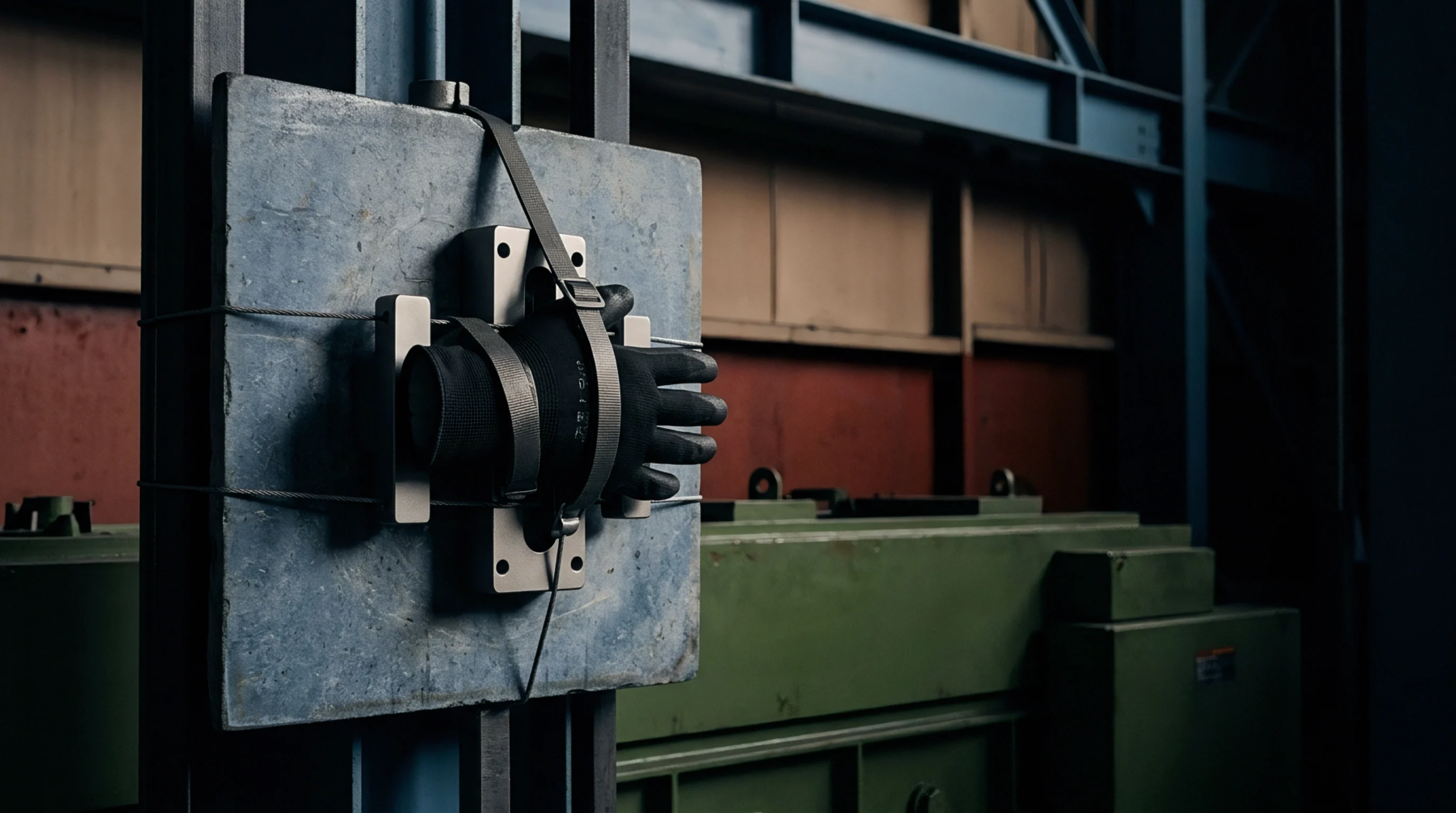
Unverified third-party battery test scopes leave importers legally liable for transport fines, customs seizures, and uninsurable thermal failures.

Electrolyte solvent headspace gas leakage testing uses GC-MS and SPME to quantify linear carbonate vapor loss, preventing cell degradation and transport rejections.
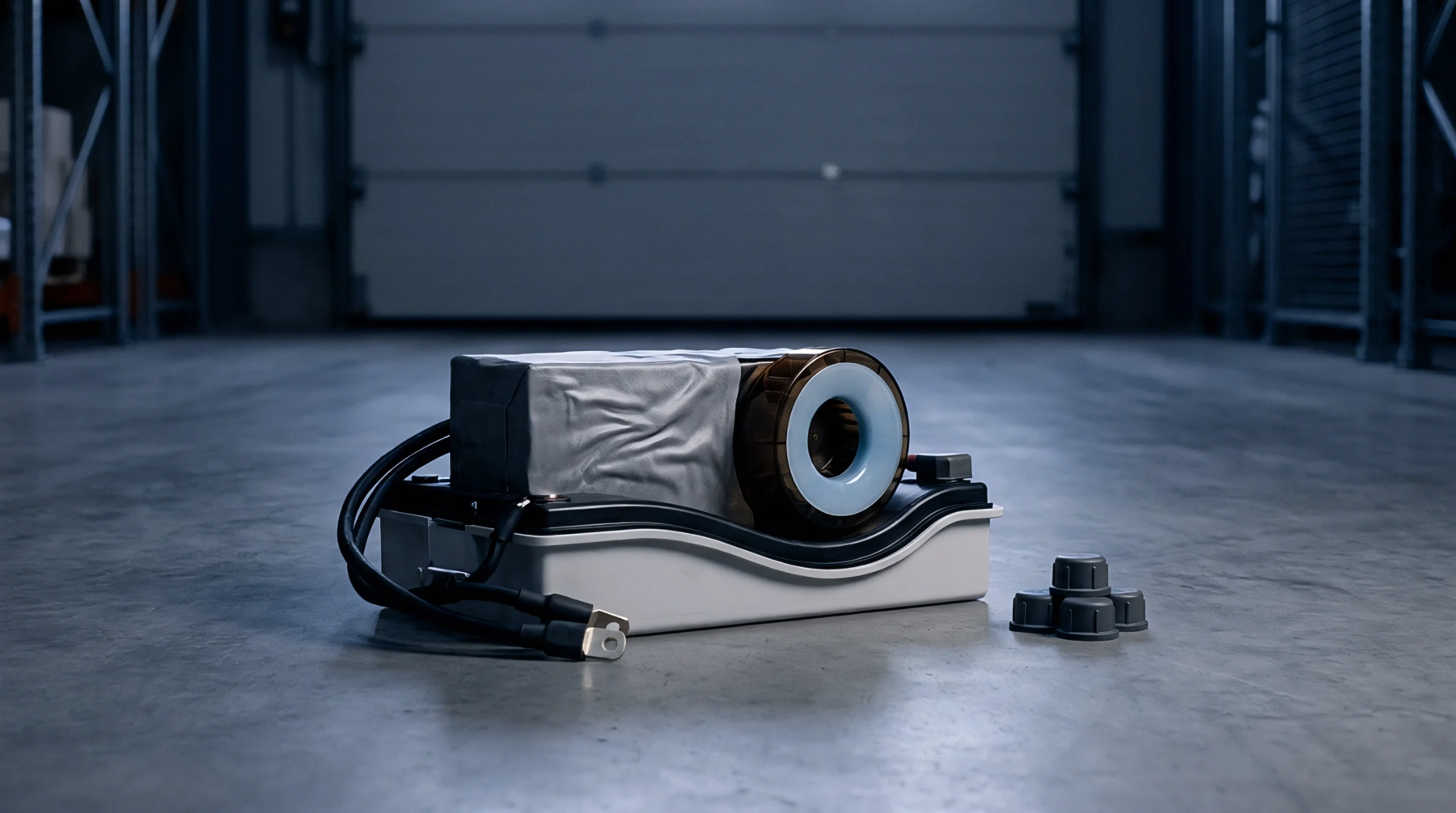
Statutory liabilities for European Union battery storage importers span joint product liability, extended producer responsibility, and customs hold financial risk.

Auditing UN 38.3 summary files against lab accreditations and physical cell parameters before export prevents dock holds, demurrage charges, and carrier rejections.
High-voltage operation accelerates cathode surface reconstruction and transition metal dissolution, demanding operando impedance testing and warranty risk controls.
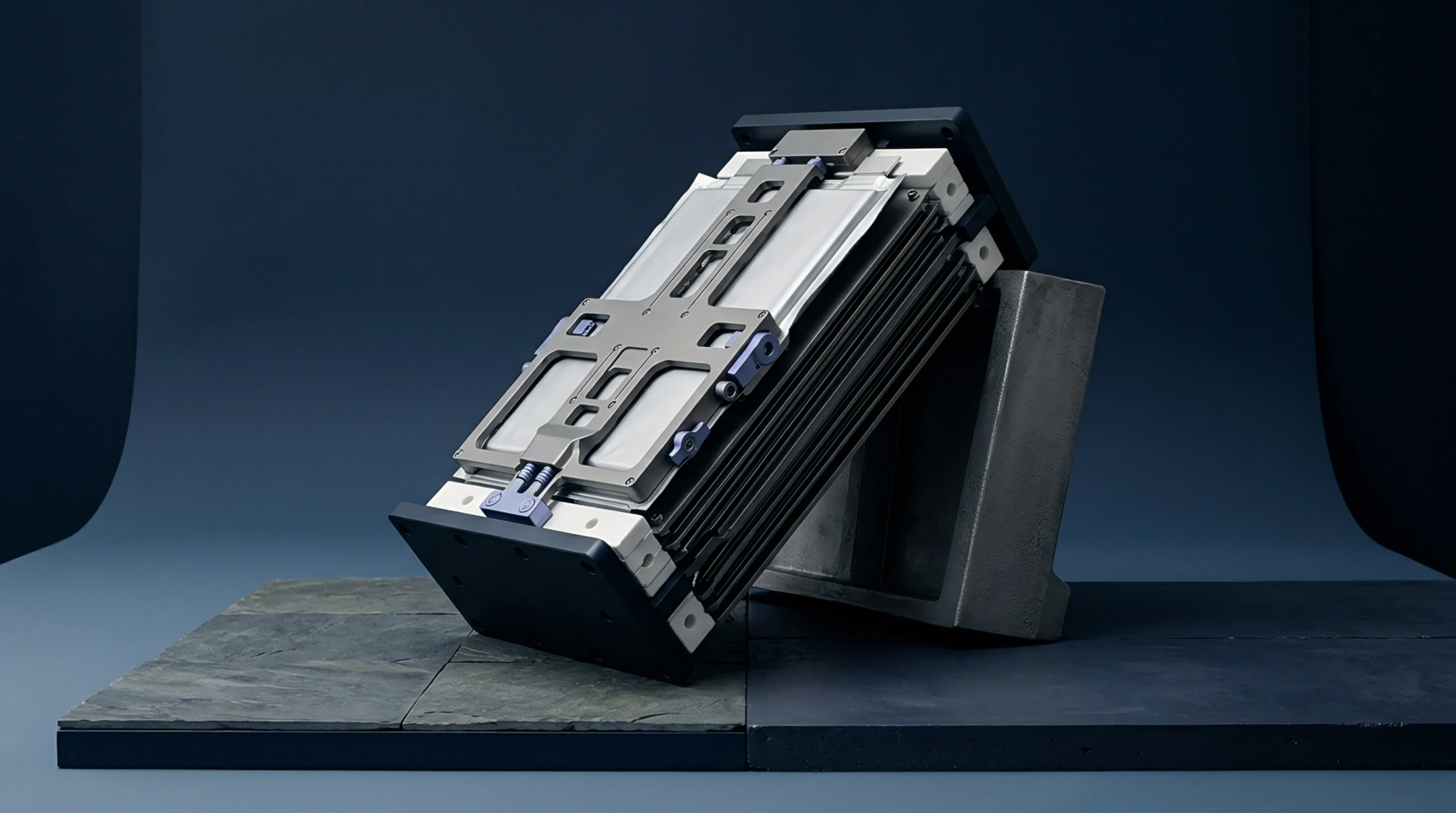
Optimal static compression between 200 and 400 kPa maximizes prismatic cell cycle life by preventing delamination while avoiding separator pore collapse.

Differential capacity analysis extracts thermodynamic phase boundaries to deconvolve lithium inventory loss from active material degradation non destructively.

Calibrated GC-MS selected ion monitoring measures electrolyte solvent micro-leaks down to 10^-9 mbar L/s, isolating true seal defects from surface outgassing.
Standard operating procedures for dangerous goods document audits require rigorous verification of UN 38.3 parameters, SDS details, and modal rules to ensure cargo compliance.
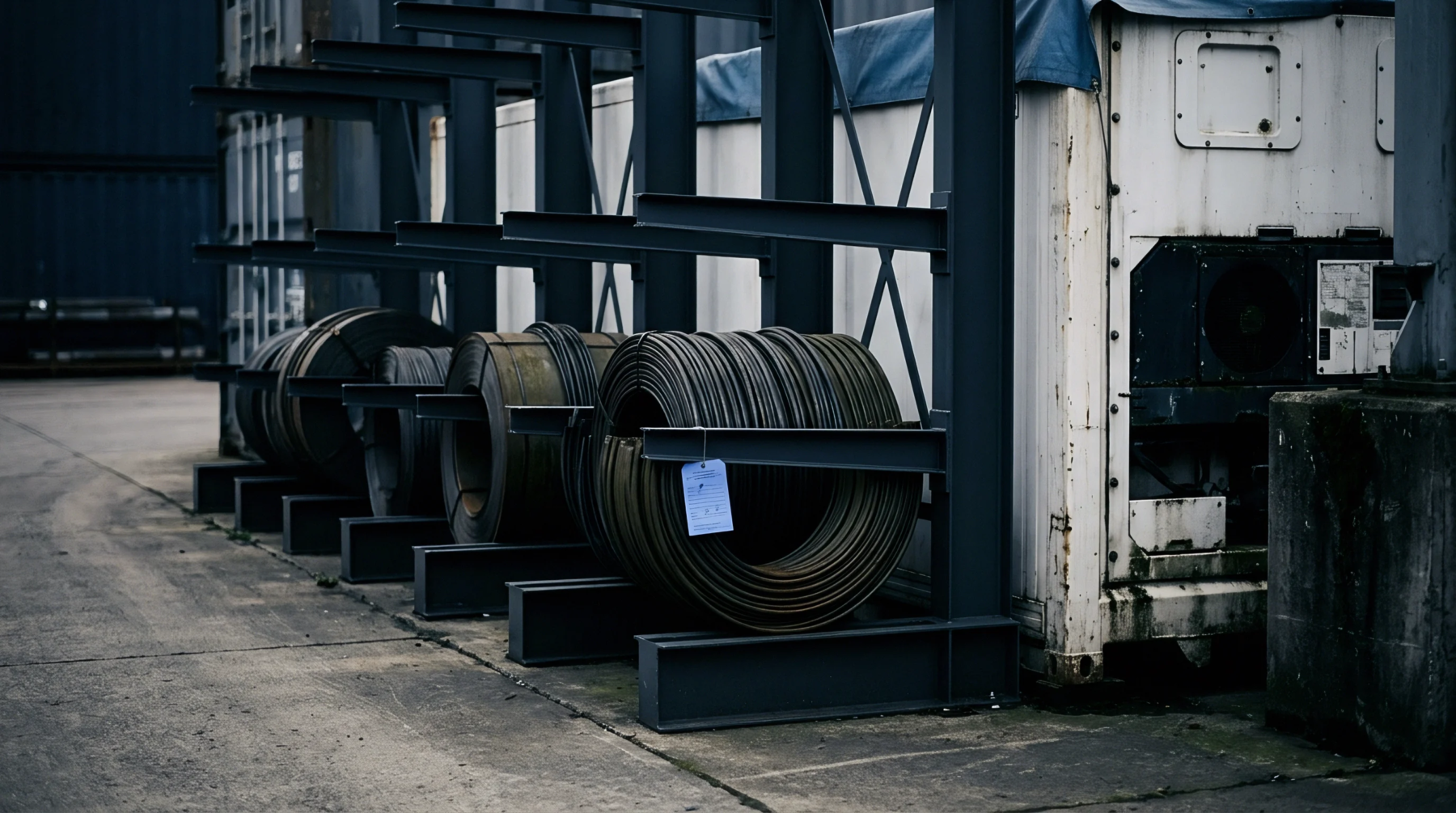
Contractual risk transfer for battery logistics requires strict UN 38.3 documentation covenants, state-of-charge limits, and un-capped seller indemnities.
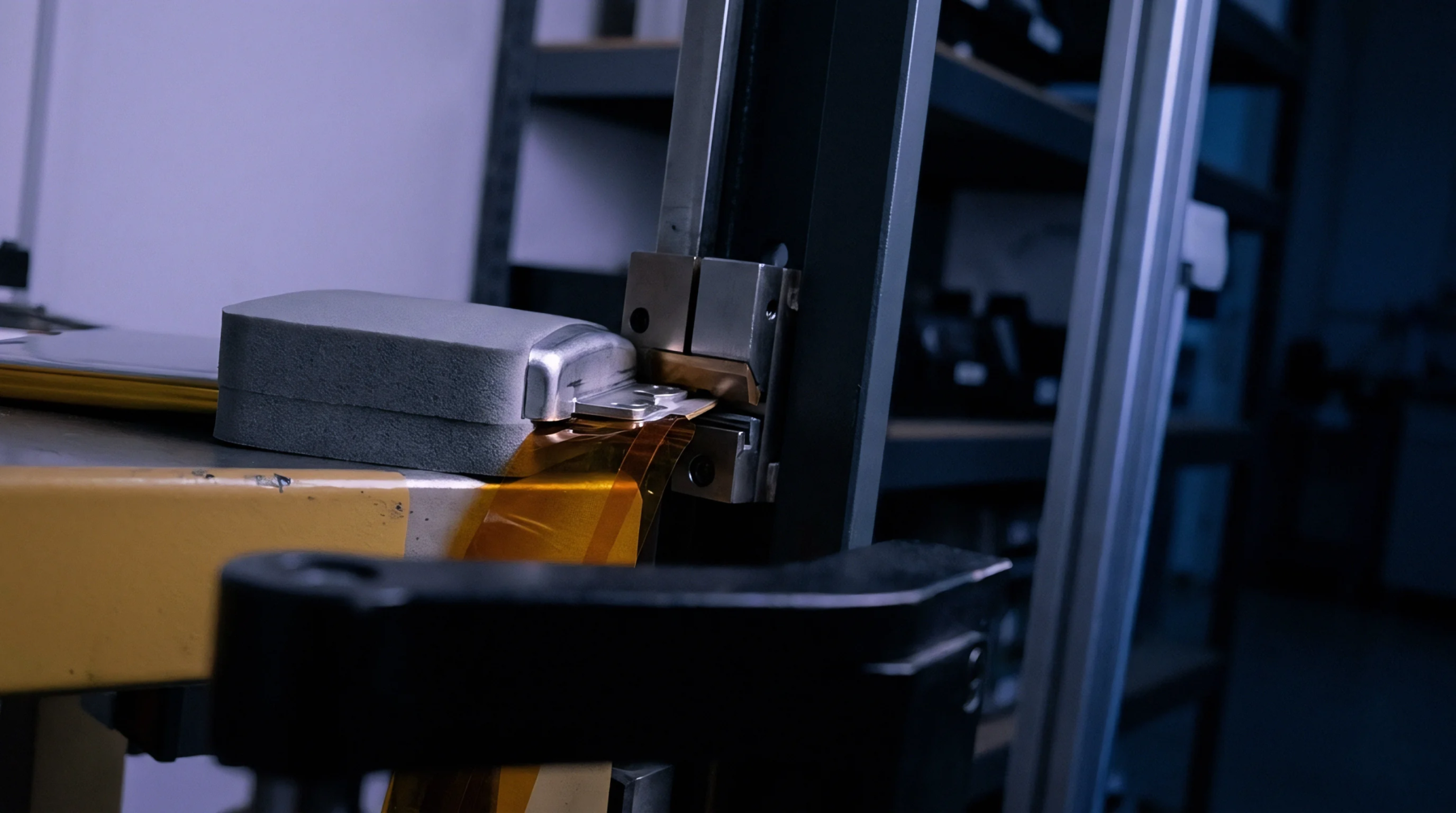
Multi-tab current imbalance distorts capacity derivative peaks, requiring rate-scaled differential voltage filtering to isolate true active material degradation.

Dynamic cycling of solid-state cells demands active dynamic pressure retention fixtures to prevent interfacial voiding and early capacity loss.
Customs holds on battery imports compound per-diem liabilities, requiring explicit contractual indemnity structures and rapid bonded transfer procedures to mitigate risk.

Verify ISO/IEC 17025 lab accreditation before issuing cell purchase orders to ensure cross-border transport document legality and protect against customs detention.
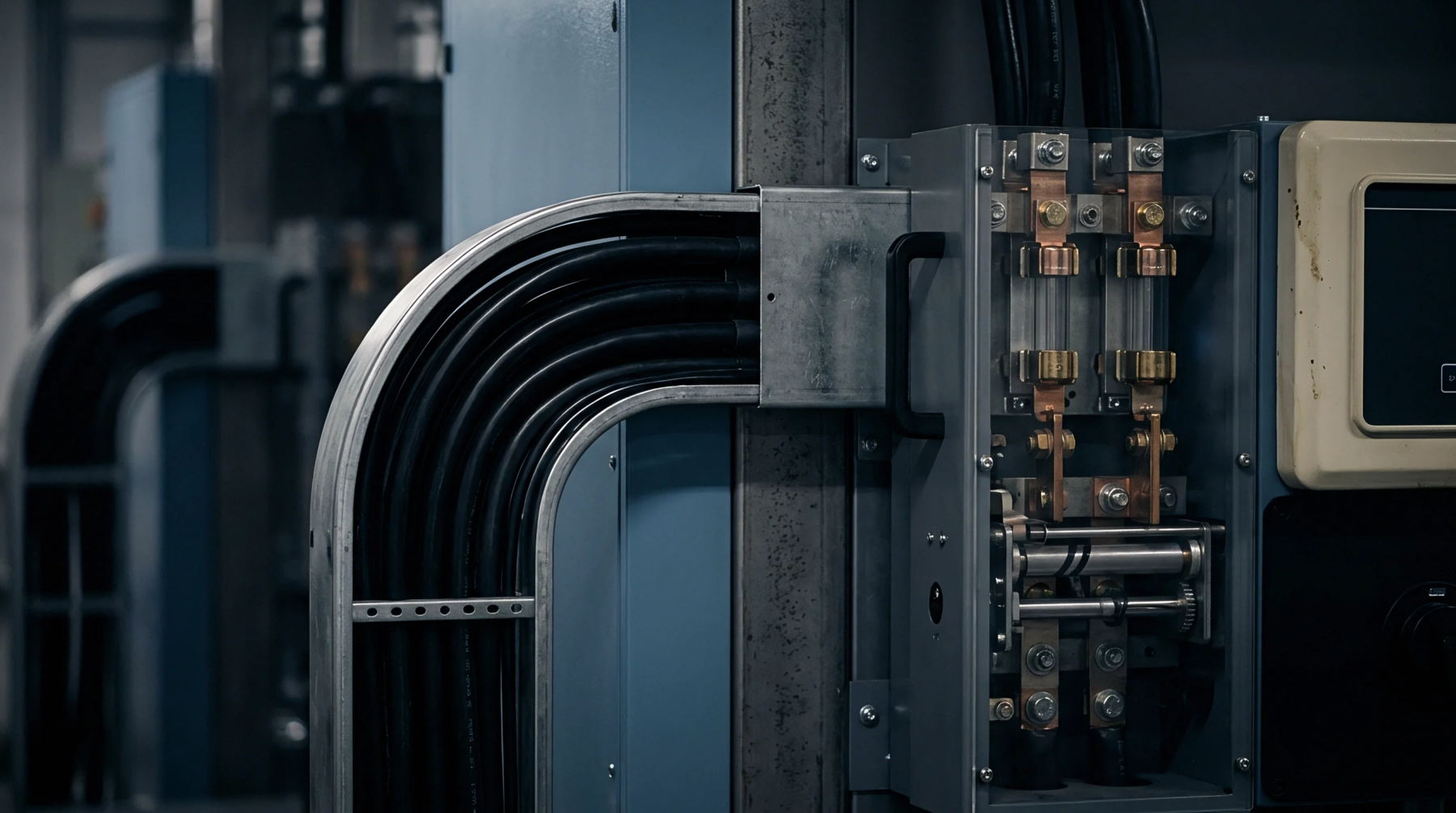
Subtracting thermo-galvanic voltage offsets from post-pulse relaxation telemetry prevents state-of-charge drift and protects battery warranty diagnostics.
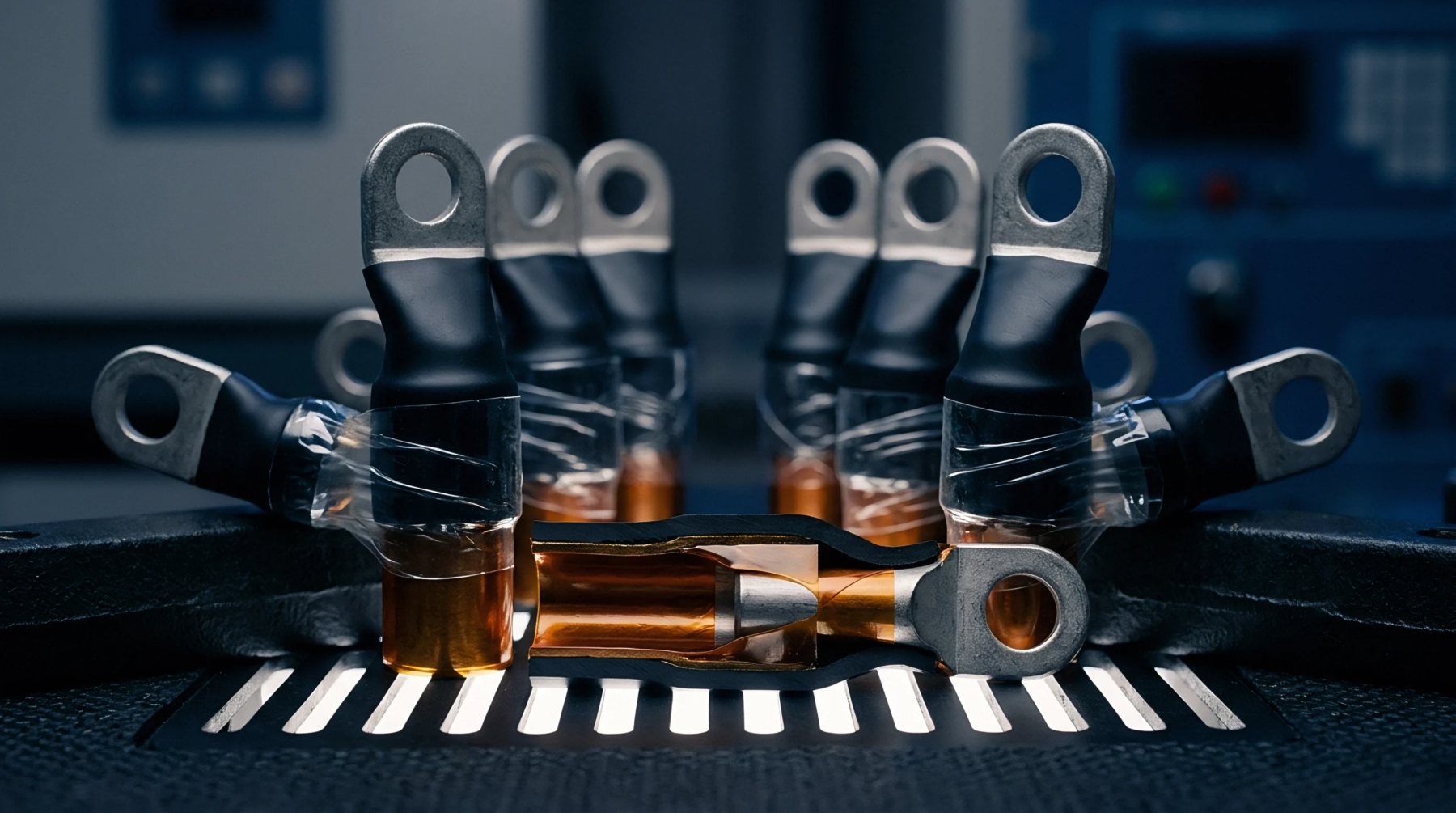
Importers mitigate cross-border forged lab schedules by enforcing primary ISO 17025 direct testing, independent ILAC verification, and escrow gates.

Auditing UN 38.3 dossiers requires verifying full lab reports against 38.3.5 summaries, checking ILAC accreditation, and confirming physical cell mass tolerances.
High-voltage cathode metal leaching drives anode cross-talk, destroying SEI layers and causing cell swelling that invalidates warranty and shipping files.
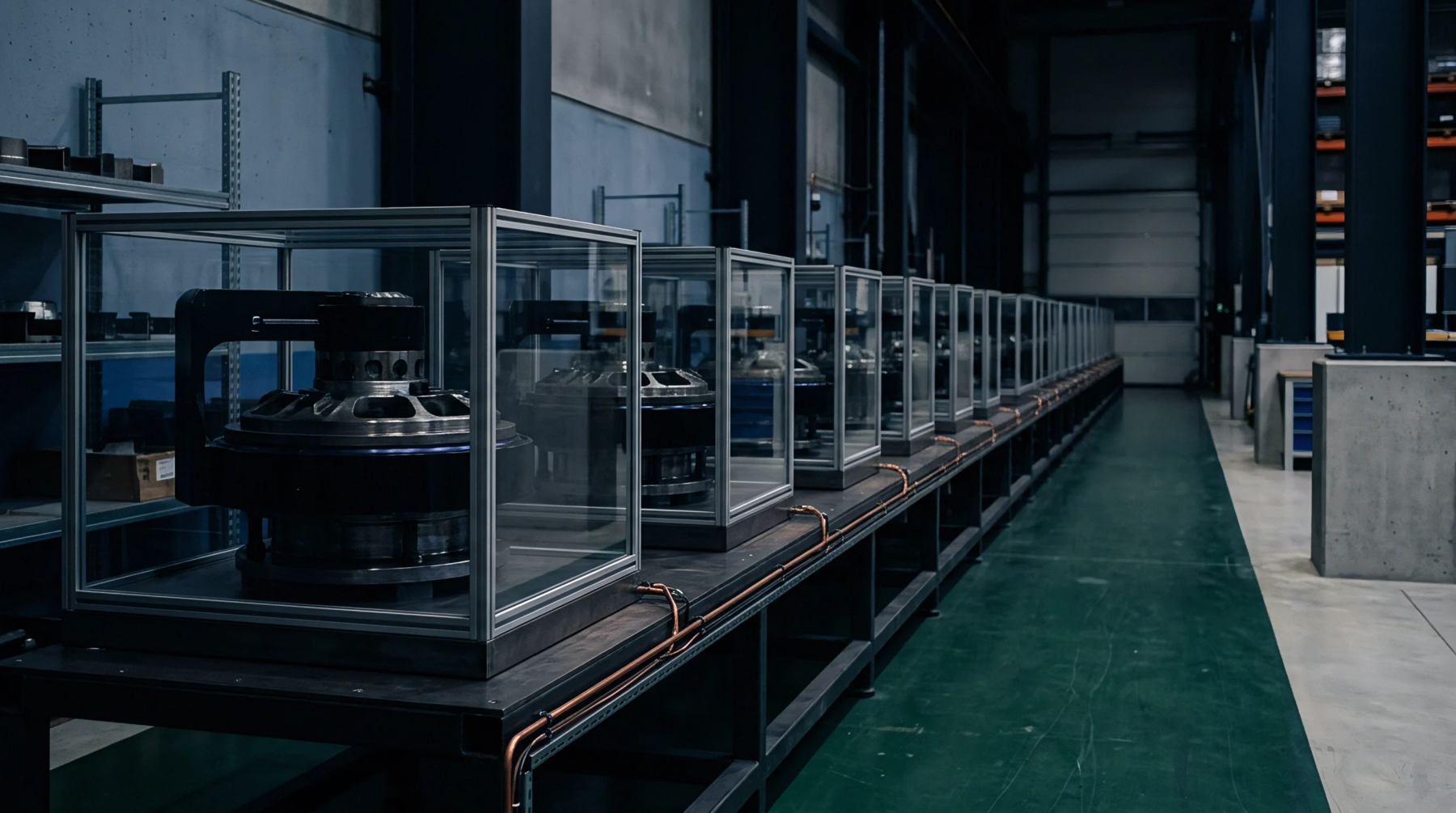
Maintaining active spring load above zero point three megapascals prevents localized pressure drop and anode lithium plating in oversized prismatic cells over extended service life.
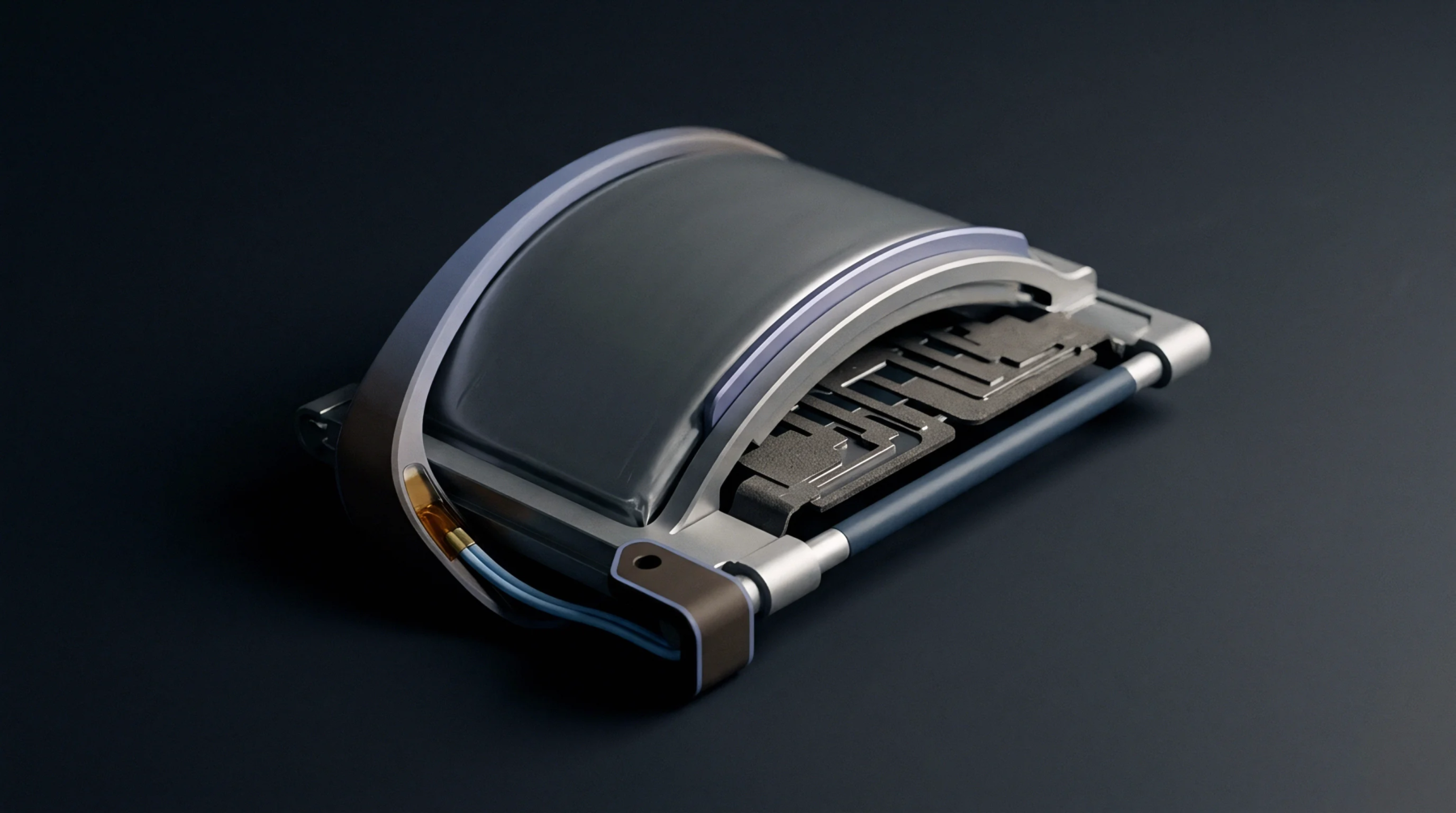
Active tab cooling decouples core phase-change heat from pouch surface gradients, extending high-voltage fast-charge cycle life while lowering warranty costs.
Non-linear viscoelastic creep and solvent-induced micro-void growth in pouch cell seals determine hermetic failure limits under internal gas pressure.

Verify UN 38.3 test summaries against accredited lab databases and audit physical batch metrics at receiving to prevent demurrage and cargo seizure.
Expertise is a utility, not a secret. sentiention™ publishes its working knowledge as open reference: intelligence layer covering the materials it sources, the markets it enters, and the reference that serves both.