Meaning
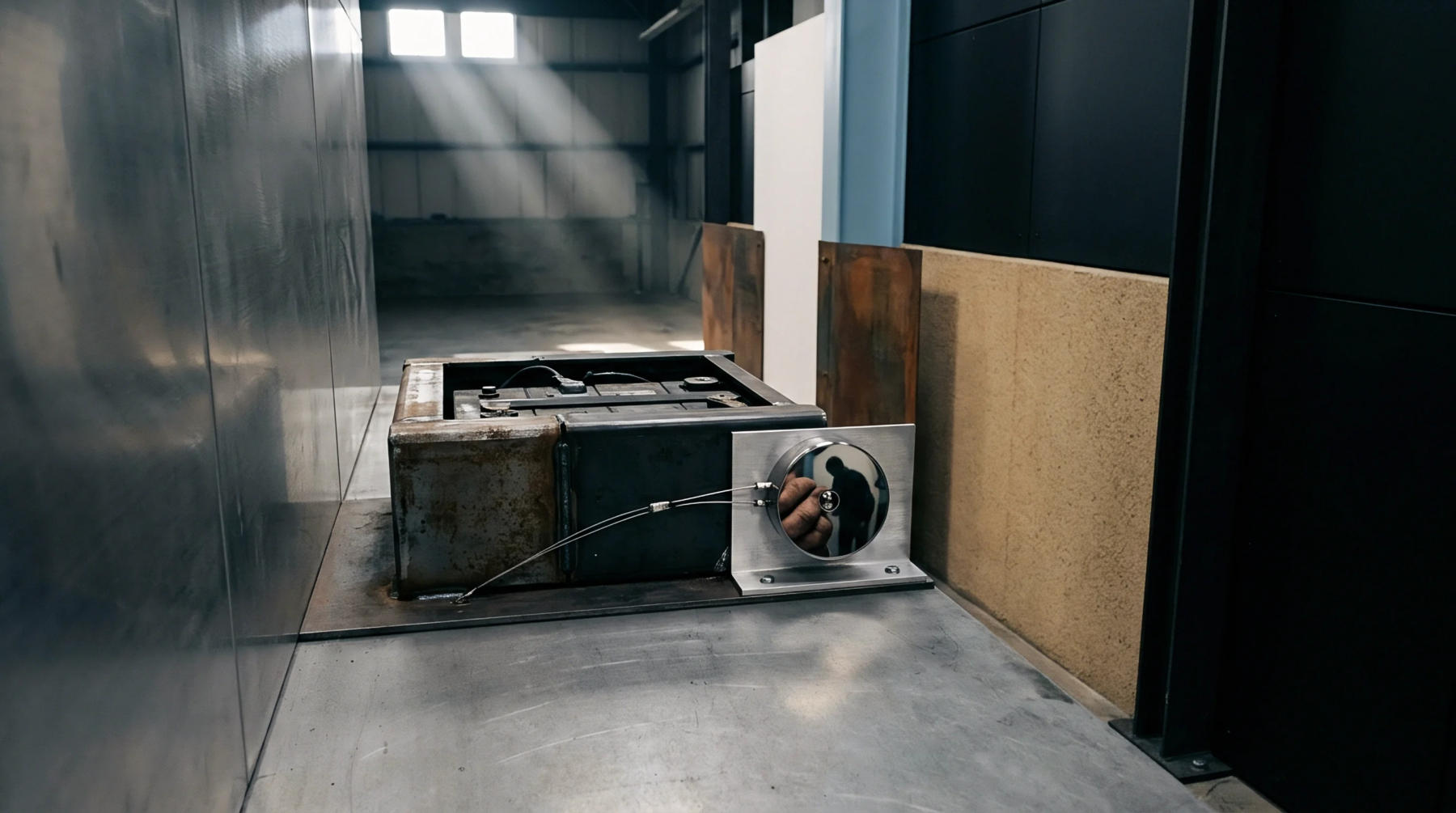
Mechanical failure represents the structural degradation that occurs when a component is subjected to repetitive plastic deformation under high cyclic loads. Engine mounts and battery enclosure brackets experience low-cycle fatigue during severe driving maneuvers or when the battery pack undergoes rapid thermal expansion. This failure mode occurs at relatively low numbers of cycles, typically under ten thousand, because the stress levels exceed the yield strength of the material.
The boundary of this degradation mechanism is defined by the transition to high-cycle fatigue.
Stress Concentration
Components within the battery pack are exposed to complex multi-axial loads that are concentrated at mounting points and joints. These localized stresses cause plastic yielding in the metal, which leads to microscopic dislocation movement and eventual crack initiation. The growth of these cracks is accelerated by the thermal cycles that the pack experiences during charging and discharging.
Engineers must use finite element analysis to identify high-stress regions and design reinforcement features to distribute the loads more evenly. Failure to address these stress points can lead to premature cracking of the protective housing and a loss of structural integrity.
Experimental Testing
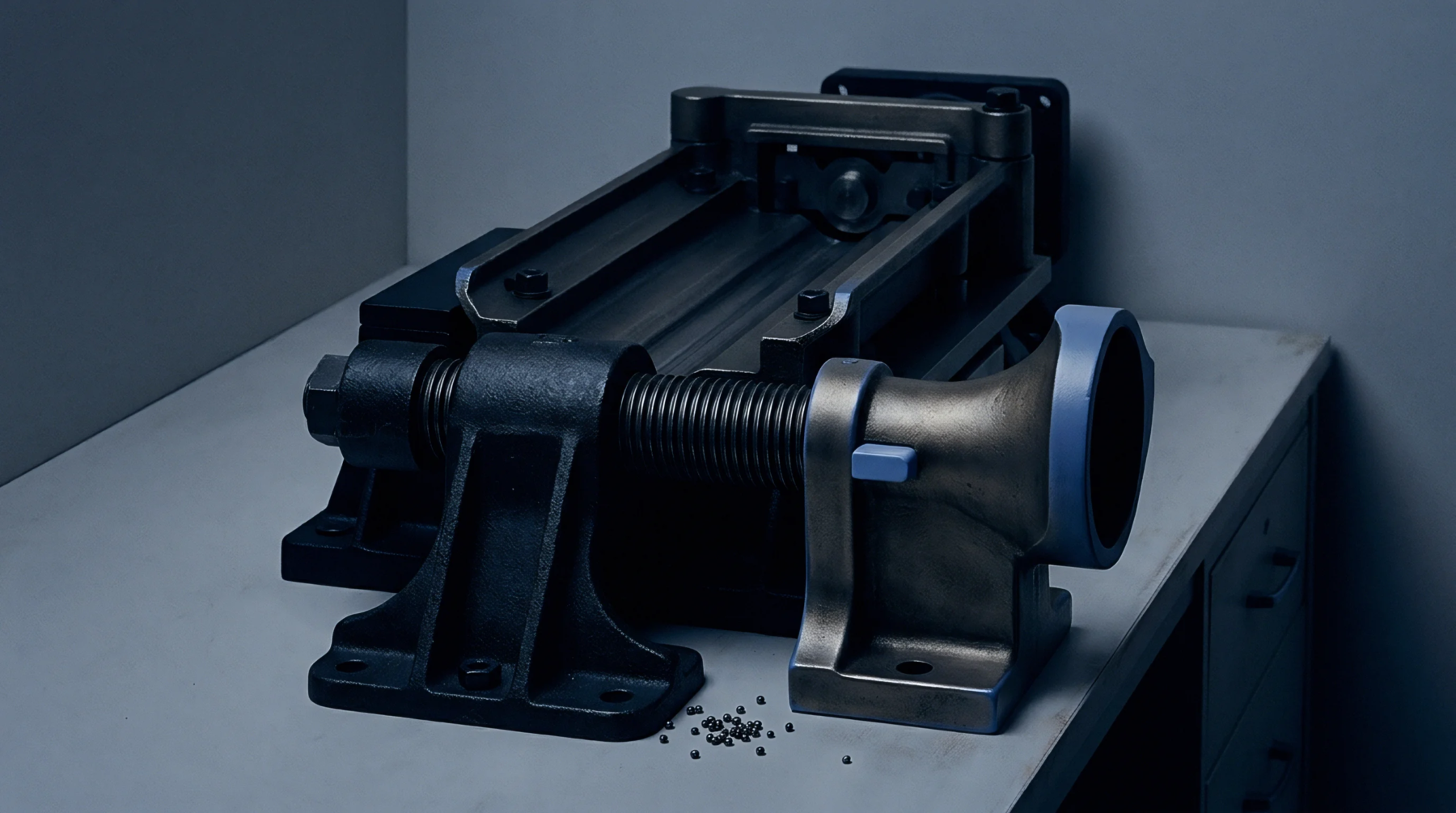
Material scientists conduct strain-controlled fatigue tests on specimens to characterize the material behavior under cyclic plastic loading. These tests measure the relationship between the applied strain amplitude and the number of cycles to failure. This data is used to construct strain-life curves that are essential for predicting the fatigue life of the structural enclosure.
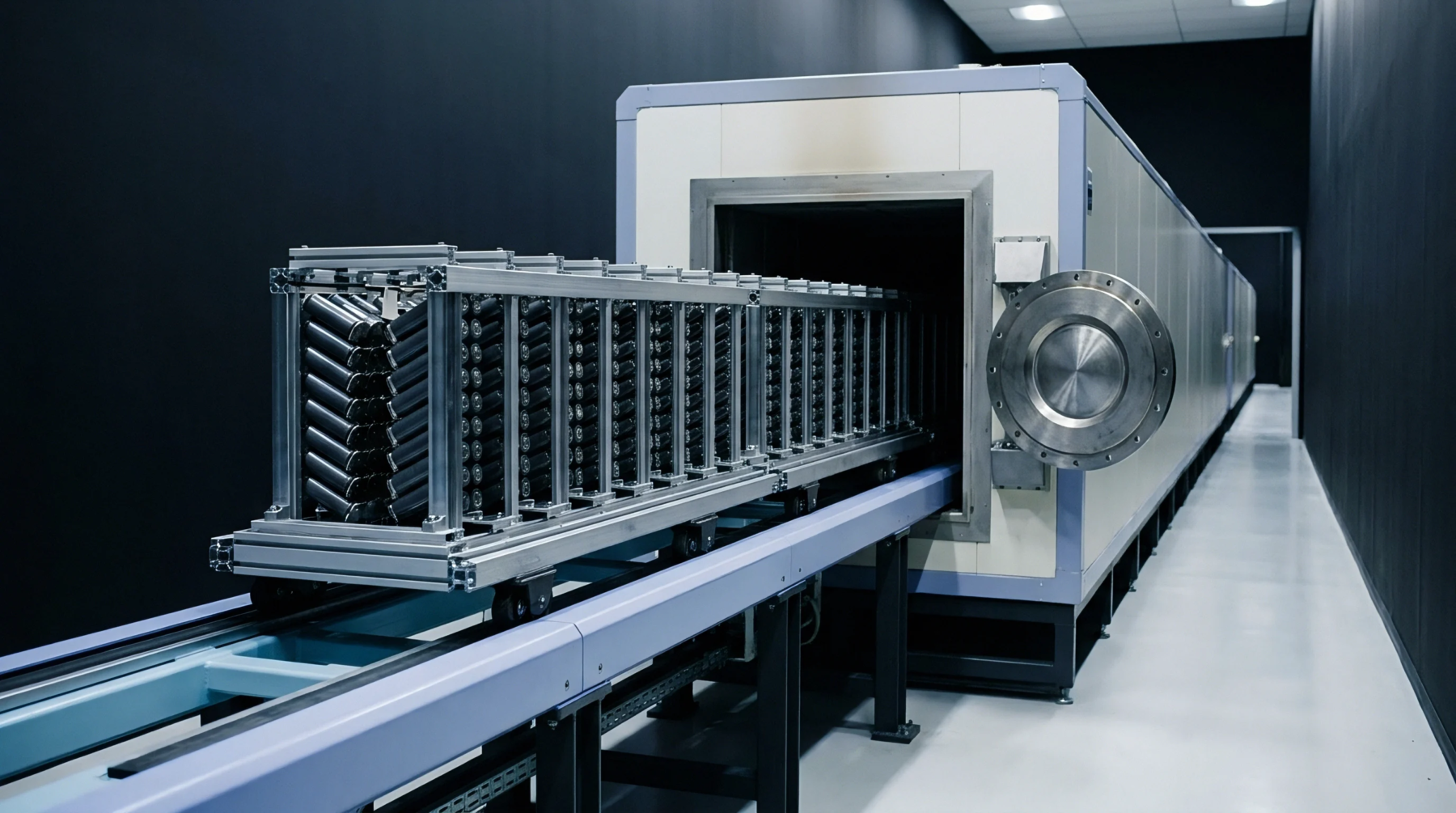
Sourcing teams use these test results to compare different alloy formulations and choose the most durable option for the vehicle platform. By selecting materials with high low-cycle fatigue resistance, the purchasing organization ensures the long-term safety of the battery pack. Advanced test chambers simulate both the mechanical loads and the extreme temperature swings that occur during high-drain operations.
Material Optimization
Sourcing specifications often require the use of materials with high ductility and fine grain structures, which naturally resist crack propagation. Purchasing contracts for critical structural stampings must define the surface finish requirements, as surface roughness and micro-defects act as initiation sites for fatigue cracks. This focus on material quality prevents field failures that could lead to costly product recalls.