Lithium Titanate versus Heated LFP Total Cost Analytics in Cold Logistics Facilities
Lithium titanate eliminates sub-zero pre-heating downtime and anode degradation, outperforming heated LFP in multi-shift cold logistics total cost of ownership.
Lithium titanate eliminates sub-zero pre-heating downtime and anode degradation, outperforming heated LFP in multi-shift cold logistics total cost of ownership.
Spatial thermal gradients distort cell terminal voltage, corrupting battery management state estimators and accelerating real degradation under active load.
Uncalibrated cell tab thermal gradients distort qualification cycle-life data, exposing battery buyers to massive unhedged field warranty liabilities.
Non-stationary thermal gradients distort differential capacity peaks by shifting overpotentials non-uniformly across storage cells, demanding thermal-model inversion before state-of-health estimation.
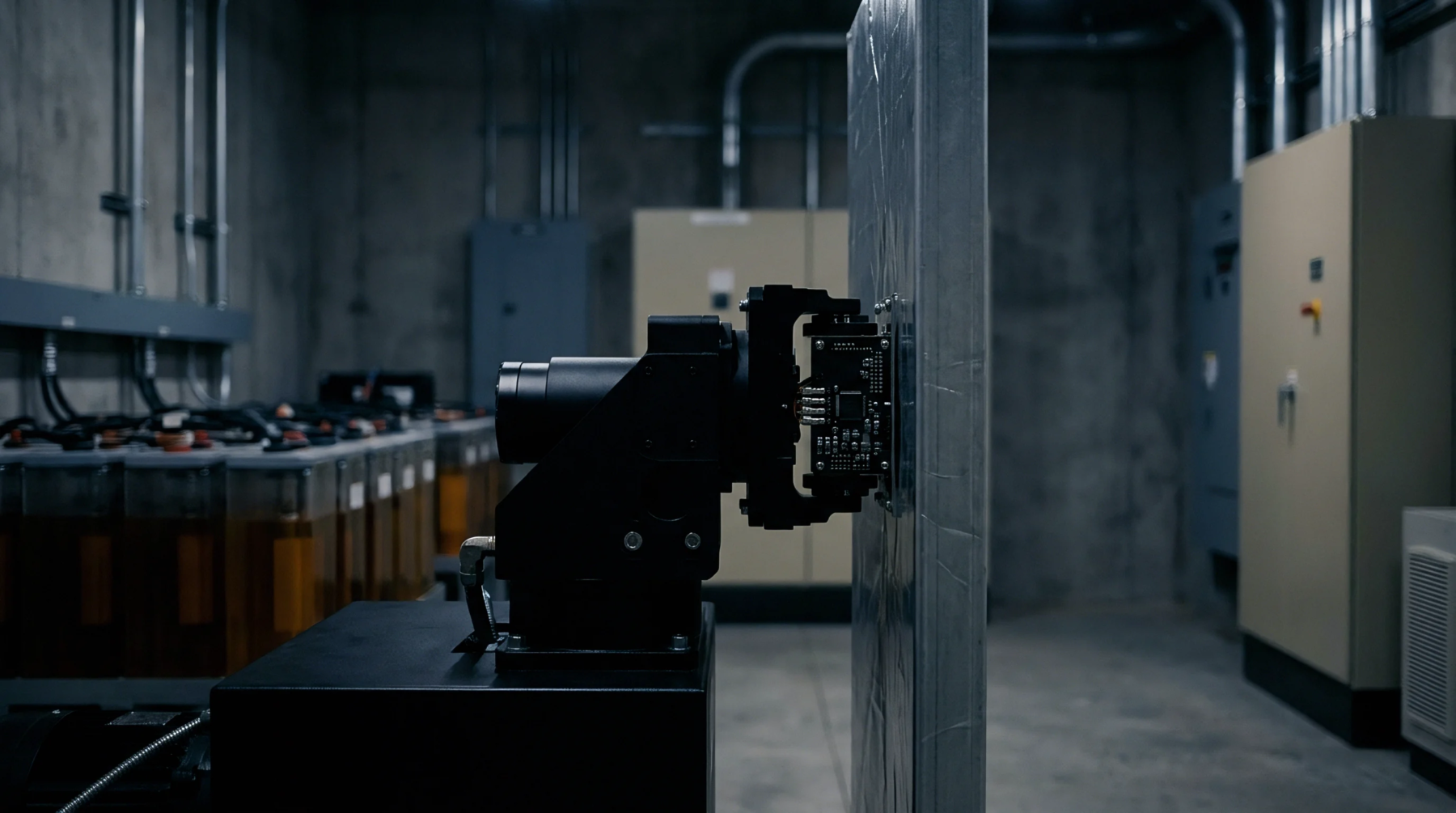
Factory K value measures prismatic cell voltage decay rate over storage dwell to screen out internal micro-shorts through high-resolution multimeter gates.
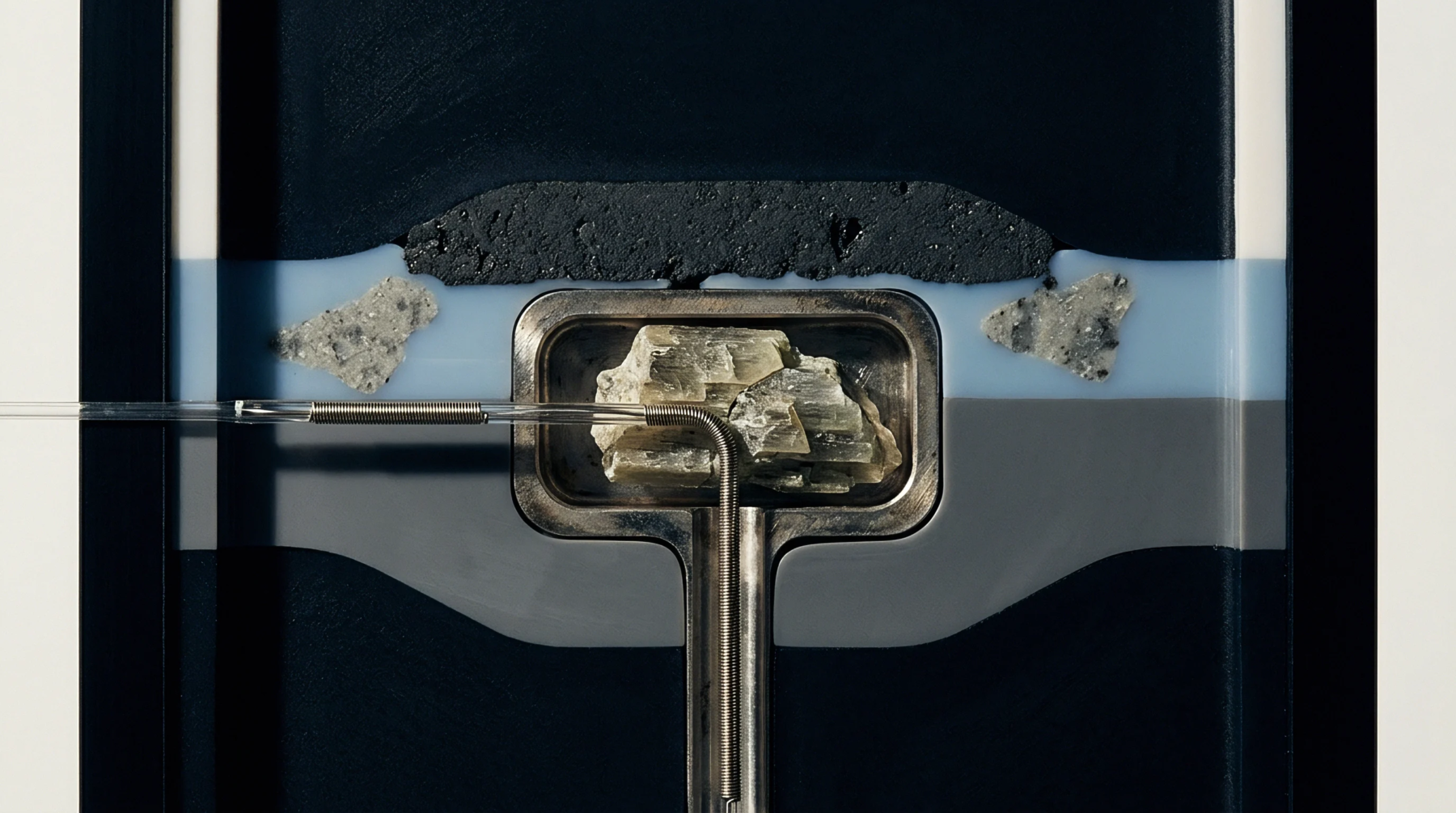
Tracking dual-phase cathode current divergence under thermal gradients protects cells from localized overcharge and premature capacity rejection.
Micro-reference electrodes dynamically regulate charging current to pin anode potential above zero volts, preventing lithium plating without cycle-life loss.

Anisotropic thermal conduction in prismatic cells creates steep internal temperature gradients, concentrating lithium plating on cold edges and SEI growth at hot zones.
Dynamic thermodynamic hysteresis mapping eliminates up to six percent state of charge error across flat voltage plateaus, protecting storage project revenue.
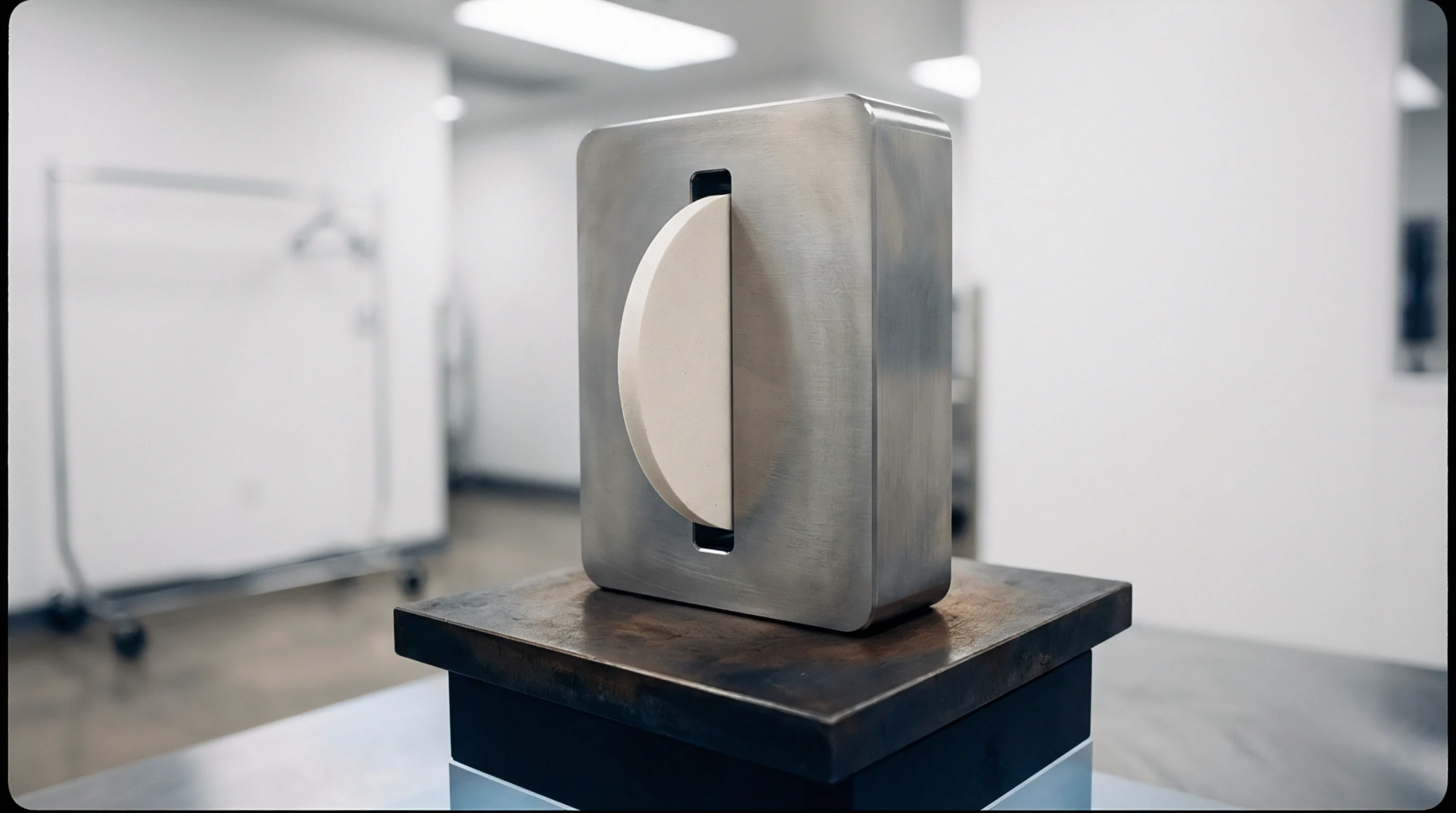
Uncorrected Soret diffusion in post-fast-charge diagnostics inflates measured SEI resistance by up to 40 percent, skewing life and safety dossiers.
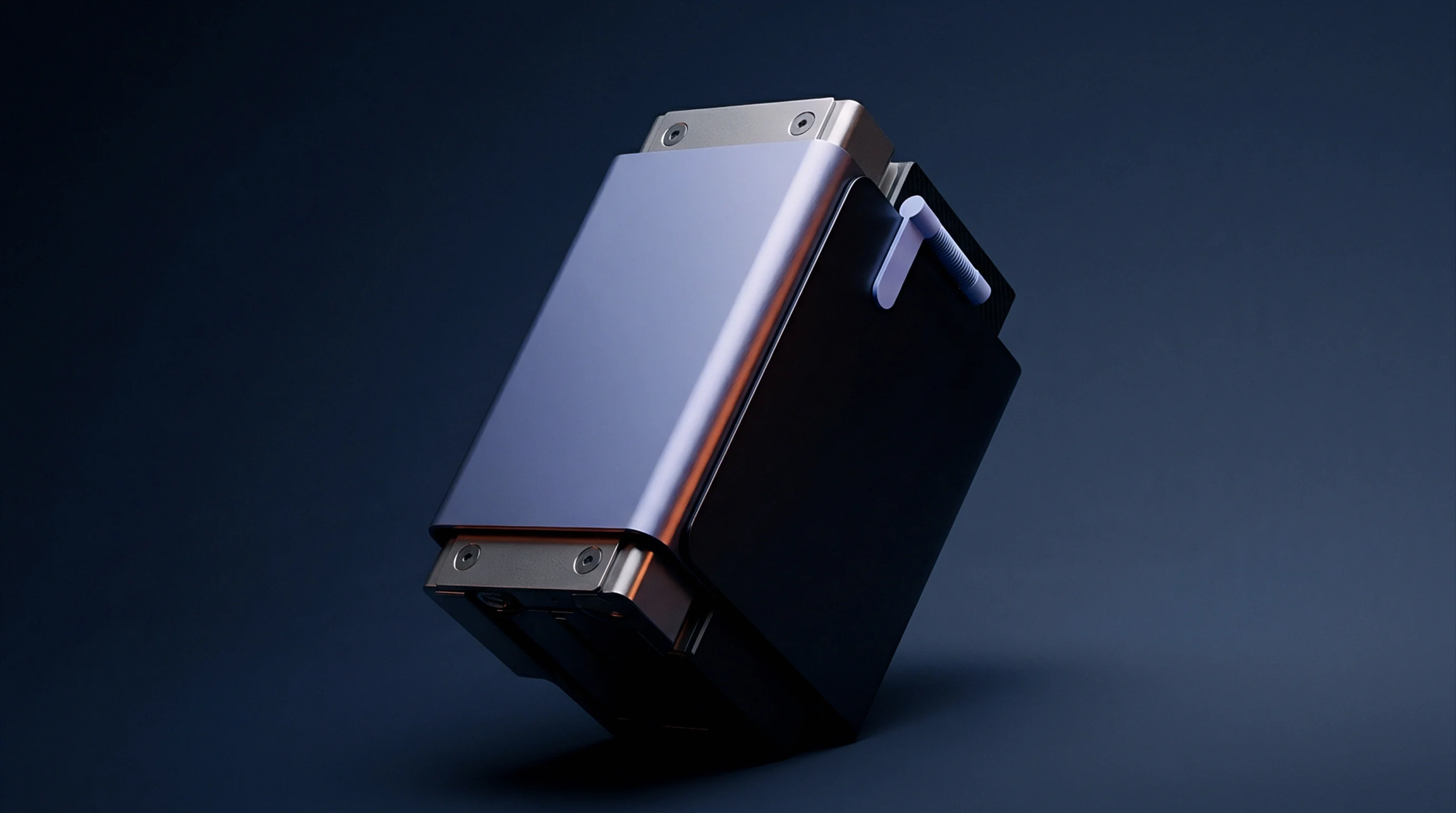
Prismatic cell spatial thermal gradients stem from anisotropic heat path resistance and tab current crowding, accelerating localized lithium plating and capacity fade.
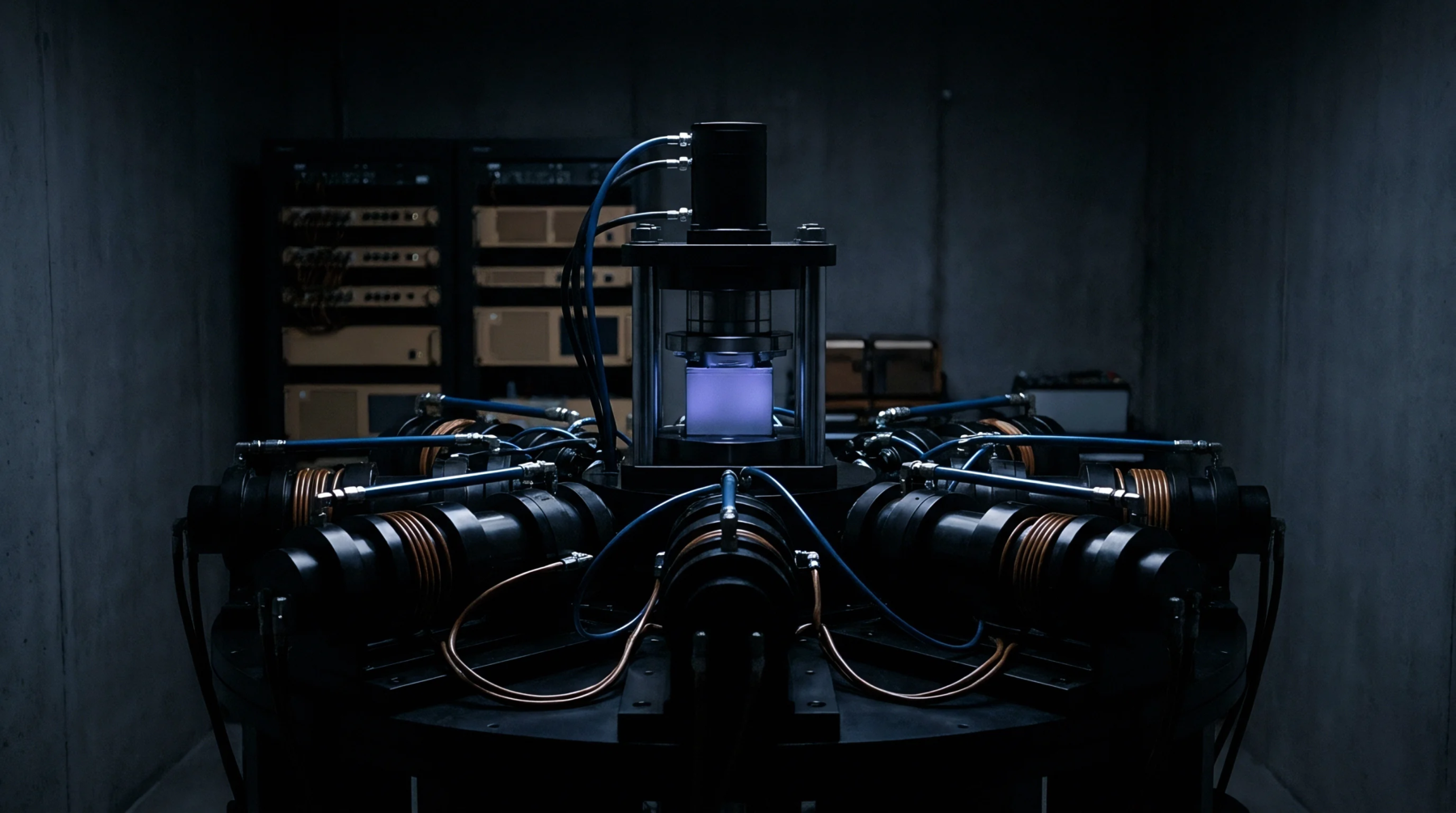
Dynamic fast-charge swelling pressure in structural cell-to-pack enclosures requires bounded preloads to suppress lithium plating without crushing separators.
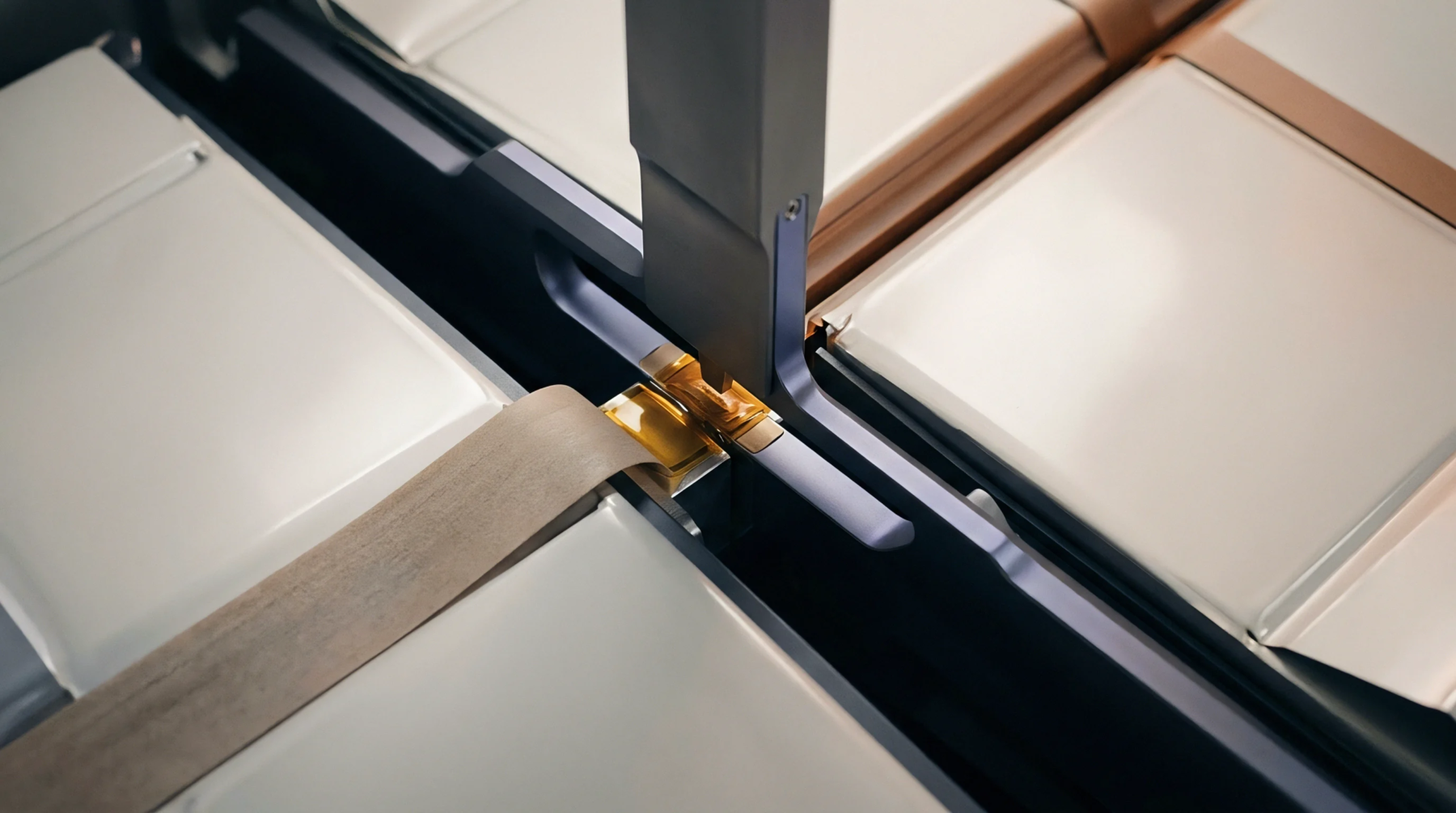
Internal thermal gradients accelerate prismatic cell active material loss by driving localized current crowding, high-temperature SEI growth, and particle cracking.
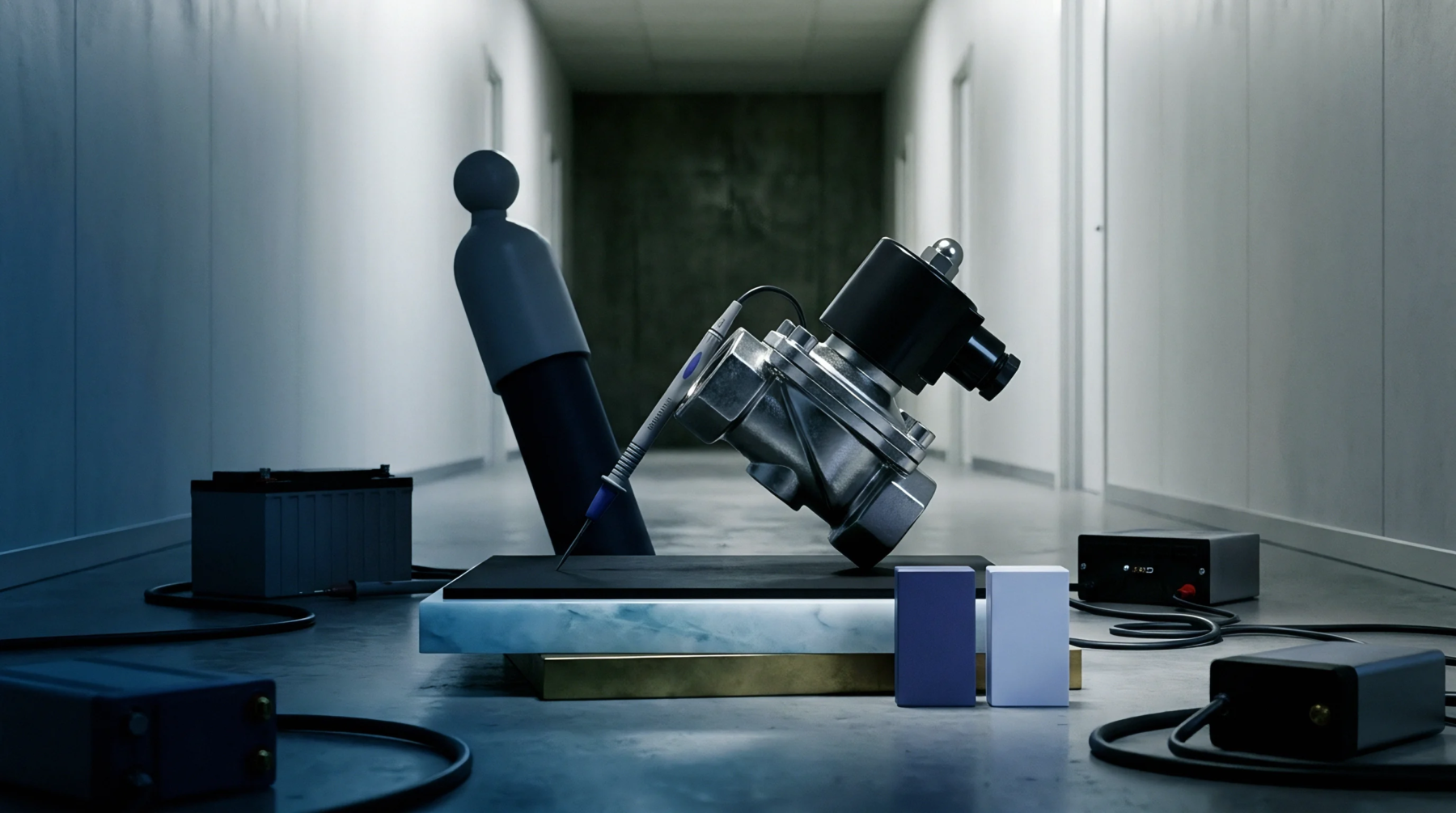
Subzero fleet battery warranties require high-frequency edge telemetry capturing transient overpotentials to defend claims against lithium plating denial excuses.
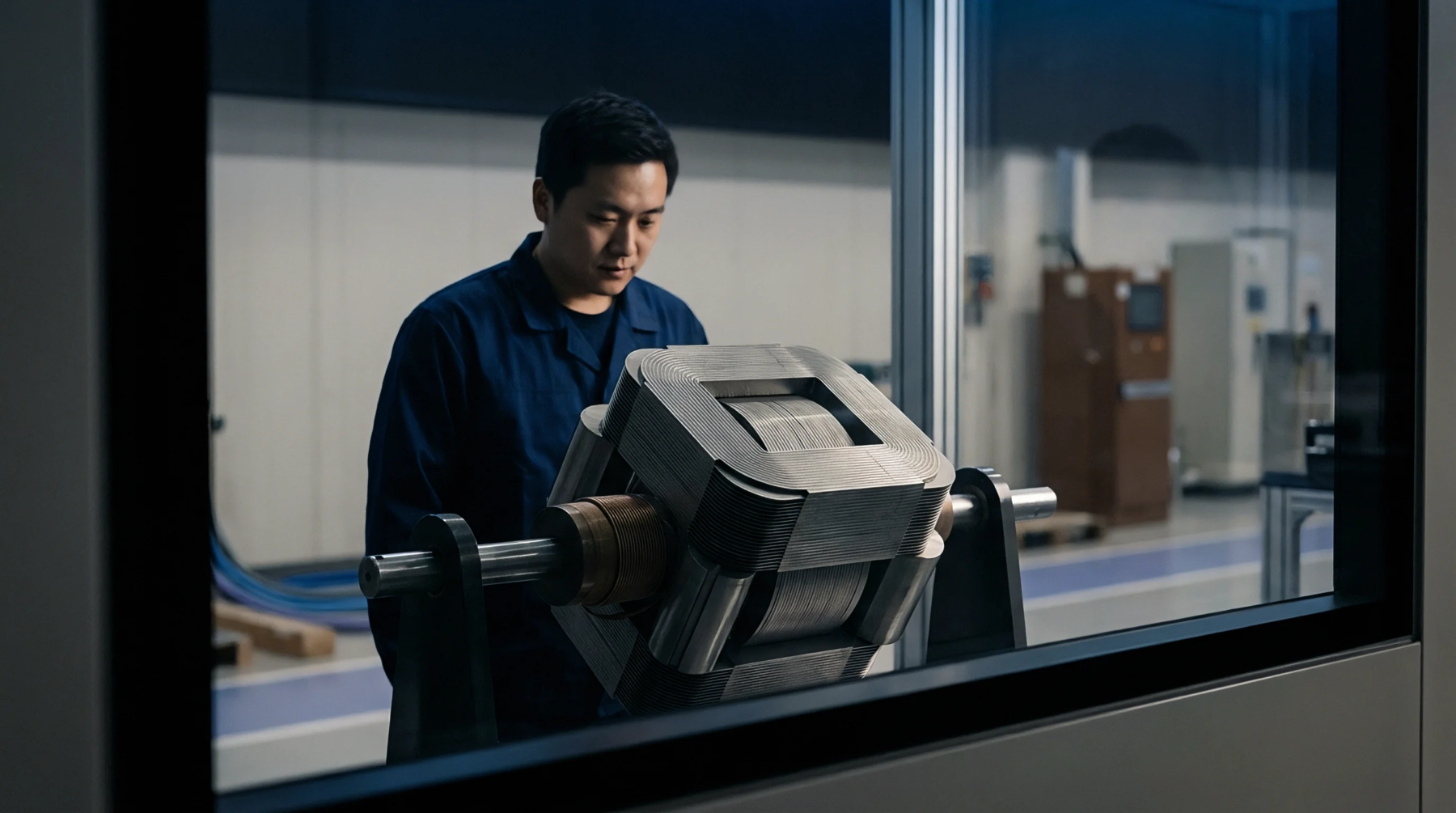
Core-to-surface thermal gradients in prismatic cells drive localized plating and SEI growth, requiring 3D electro-thermal models to prevent early fade.
Constraining prismatic cells between 300 and 500 kPa prevents electrode delamination and suppresses localized lithium plating over long cycle life.
Expertise is a utility, not a secret. sentiention™ publishes its working knowledge as open reference: intelligence layer covering the materials it sources, the markets it enters, and the reference that serves both.