Auditing Factory Quality Dossiers for Hidden Life Test Anomalies
Auditing raw battery cycling time-series exports reveals hidden test anomalies, temperature manipulations, and truncated statistical data in vendor dossiers.
Auditing raw battery cycling time-series exports reveals hidden test anomalies, temperature manipulations, and truncated statistical data in vendor dossiers.

Determining capacity fade parameters demands high precision cycling data, strict thermal regulation, and kinetic fitting across standard laboratory profiles.

Planar cooling gradients split local current density, driving lithium plating at cold cell margins and rapid electrolyte consumption in warm regions.
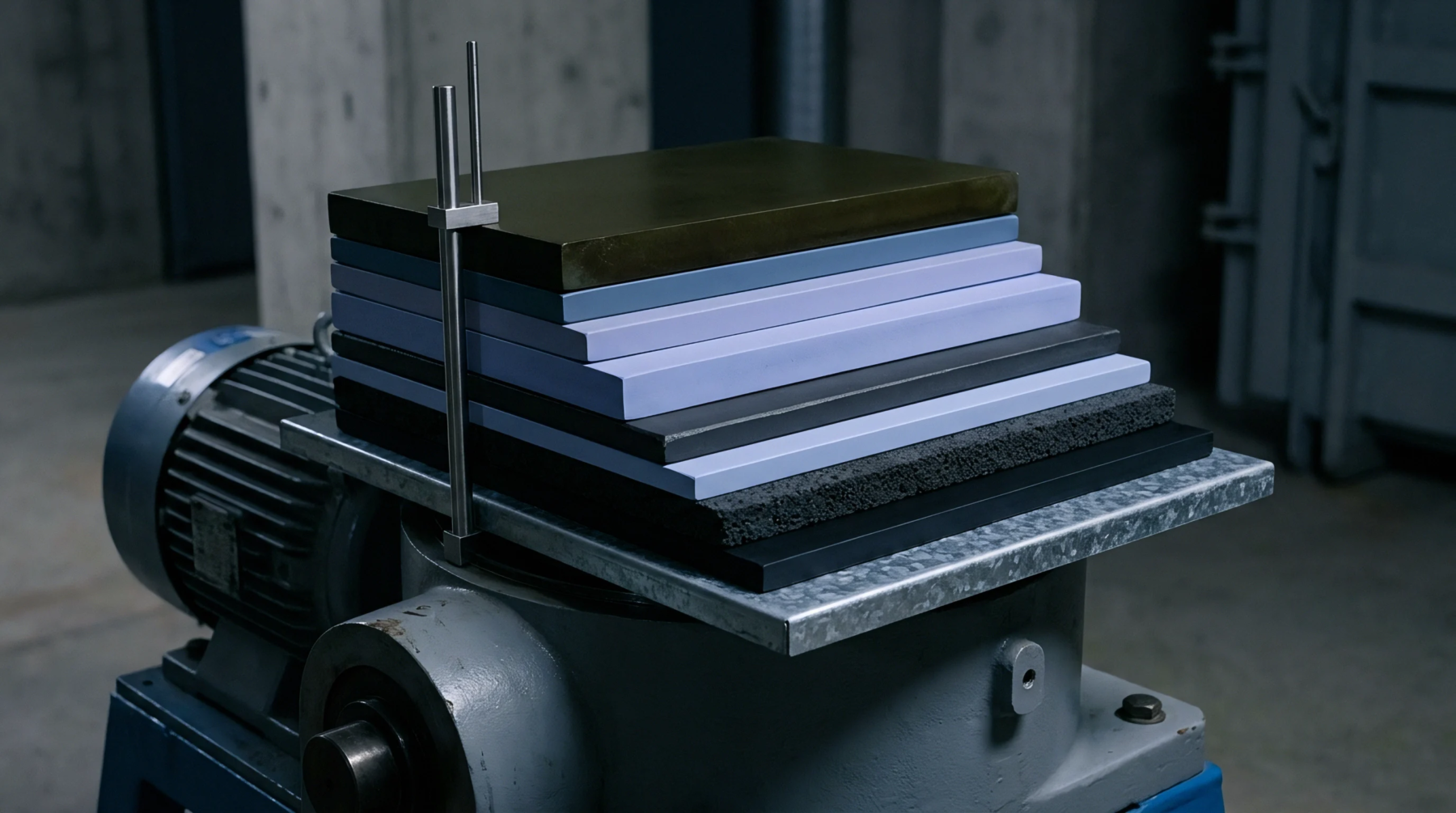
Quantifying interface thickness variances across pack thermal layers prevents localized hot spots, cell degradation splits, and unallocated warranty exposure.

Dynamic anode potential control above 50 mV suppresses crystalline silicide formation, preserving amorphous silicon structure and extending cycle life.

Upper full cell voltage cutoff calibration limits local anode lithiation potential above 50 mV vs Li/Li+ to prevent crystalline silicon phase breakdown.

Tuning cell lower cutoff voltage above 2.8V prevents silicon crystallization into c-Li15Si4, suppressing volumetric failure and tripling total cycle life.
Thermally corrected degradation mode quantification decouples kinetic impedance masking from true lithium inventory loss to prevent false warranty claims.
Quantifying microstructural phase transition relaxation prevents mistaking mechanical lattice heat for parasitic oxidation, lowering projected ten-year battery warranty risks.

Prismatic cell lifetime depends on balancing initial mechanical preload pressure between 0.2 and 0.4 MPa to suppress lithium plating while accommodating end-of-life swell within structural limits.

Microcalorimetric heat flow paired with differential voltage profiling separates passive chemical oxidation from active lithium loss during elevated storage.

Differentiating diffusion relaxation from chemical self-discharge requires multi-point voltage decay modeling to isolate transient overpotentials from constant Faradaic leakage.

Sacrificial sodium preloading compensates hard carbon initial capacity loss, lowering desolvation resistance when inorganic sodium fluoride inner films dominate.

Sodium oxide outgassing reaches 18.7 mL/Ah during formation, requiring 0.25 MPa mechanical clamping and precise vacuum extraction to prevent pouch delamination.

Sacrificial cathode additives offset hard carbon initial sodium loss, raising cell energy density when decomposition potential and off-gassing match formation limits.

Post-charge voltage relaxation inflection tracking reveals sub-zero metallic lithium plating before irreversible dendrite growth damages cold storage battery packs.

Sub-zero charging forces anode potentials below zero volts, causing metallic lithium plating that requires real-time telemetry and strict current derating.

Sub-zero cell performance requires selecting chemistries with low desolvation energy, active thermal pre-heating, and verified low-viscosity electrolytes.

Controlled stack pressure suppresses terminal crystalline phase transitions in silicon alloy anodes, doubling cell cycle life through mechanical containment.

Lattice micro-strain accelerates baseline entropic potential drift, shifting cell thermal profiles and skewing long-term state-of-charge estimation accuracy.
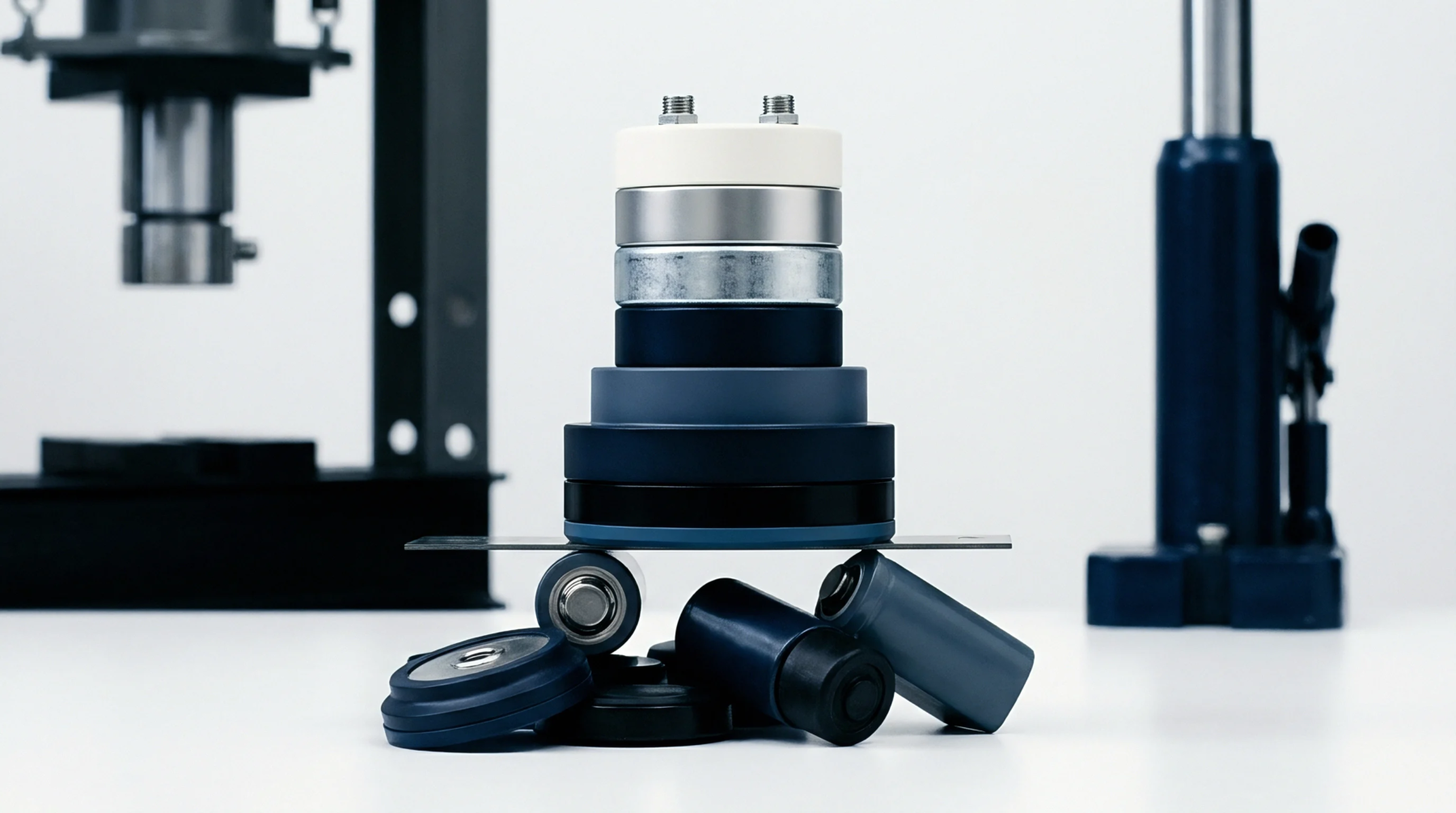
Three electrode impedance testing decouples anode and cathode degradation by isolating half cell charge transfer resistance without breaking full cell geometry.

Nonlinear knee fade in LFP cells occurs when SEI growth exhausts cyclable lithium inventory, triggering rapid anode overpotential escalation and plating.

Laboratory qualification of LiFePO4 cells demands precise mechanical clamping, strict IEC cycling regimes, and Arrhenius acceleration to verify true capacity retention.

Operando deconvolution isolates ion desolvation from interfacial charge transfer, enabling electrolyte formulations that eliminate low-temperature power loss.
LFP capacity loss stems primarily from active lithium loss via interphase growth, requiring differential capacity screening and precise thermal control.

Controlled oxidative cross-linking of pitch precursors balances carbon yield and closed porosity to optimize hard carbon capacity and initial coulombic efficiency.

High frequency AC pulsing minimizes SEI overpotential, but excessive amplitudes induce thermomechanical cracking and accelerated lithium inventory loss.

Micro reference electrodes reveal sub-zero lithium plating by detecting negative graphite anode potentials relative to metallic lithium equilibrium in real time.

Low temperature charging shifts graphite potential below zero volts against lithium, initiating destructive metallic plating when polarization exceeds kinetic intercalation limits.
Anisotropic c-axis contraction in recycled high-nickel cathodes accelerates intergranular microcracking, requiring impurity controls and stress screening.
Expertise is a utility, not a secret. sentiention™ publishes its working knowledge as open reference: intelligence layer covering the materials it sources, the markets it enters, and the reference that serves both.