
Solid Electrolyte Interphase Degradation Kinetics under Subzero Fast Charging Profiles
Subzero fast charging accelerates SEI growth and irreversible plating via elevated desolvation resistance, demanding pre-heating or multi-stage current tapering.
Subzero fast charging accelerates SEI growth and irreversible plating via elevated desolvation resistance, demanding pre-heating or multi-stage current tapering.

Sub-zero high-rate charging forces graphite anode potential below zero volts, causing irreversible metallic lithium plating and premature thermal runaway.
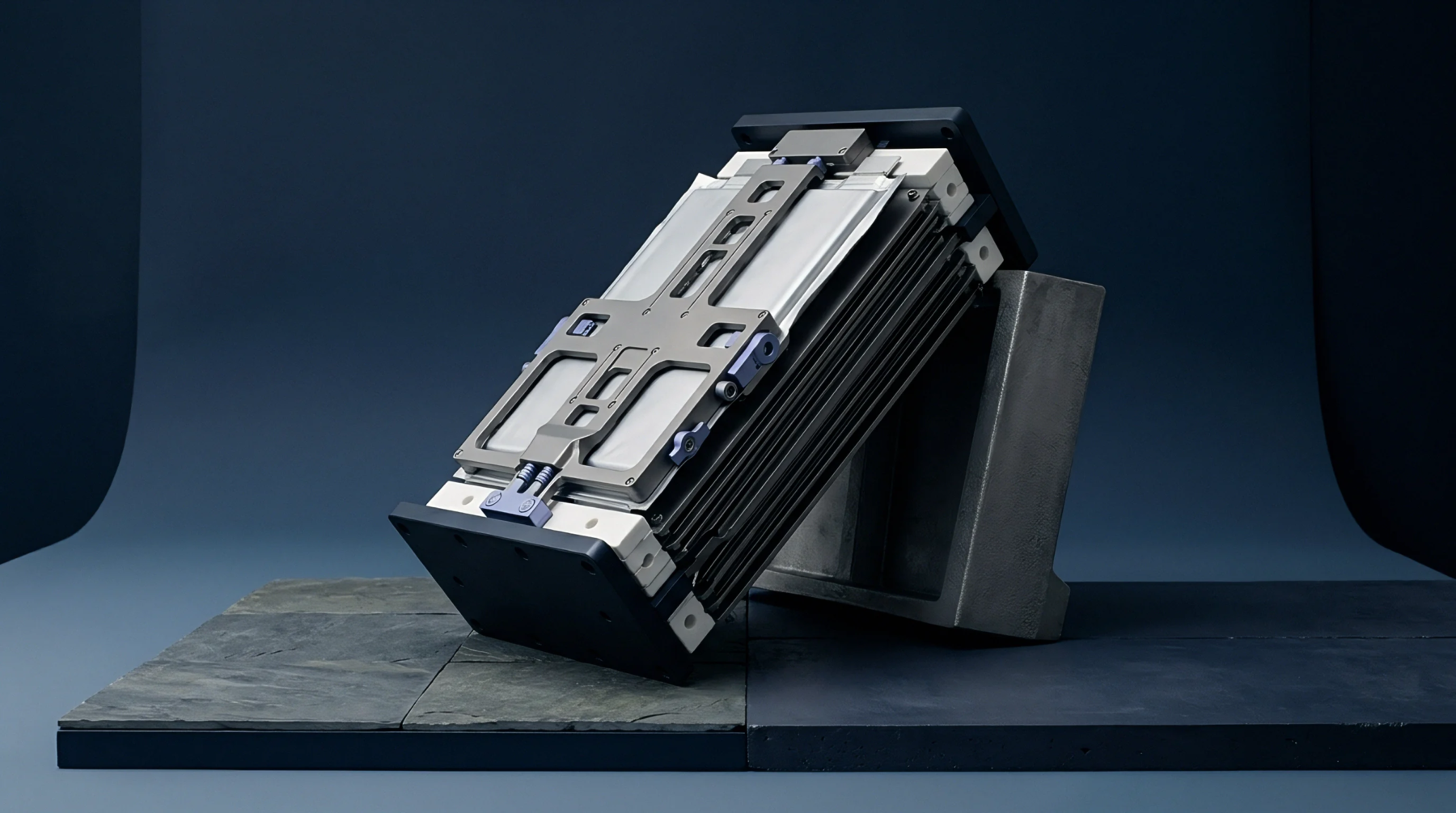
Optimize module stack compression between 0.20 and 0.50 MPa to balance active layer contact against separator pore collapse and impedance growth.
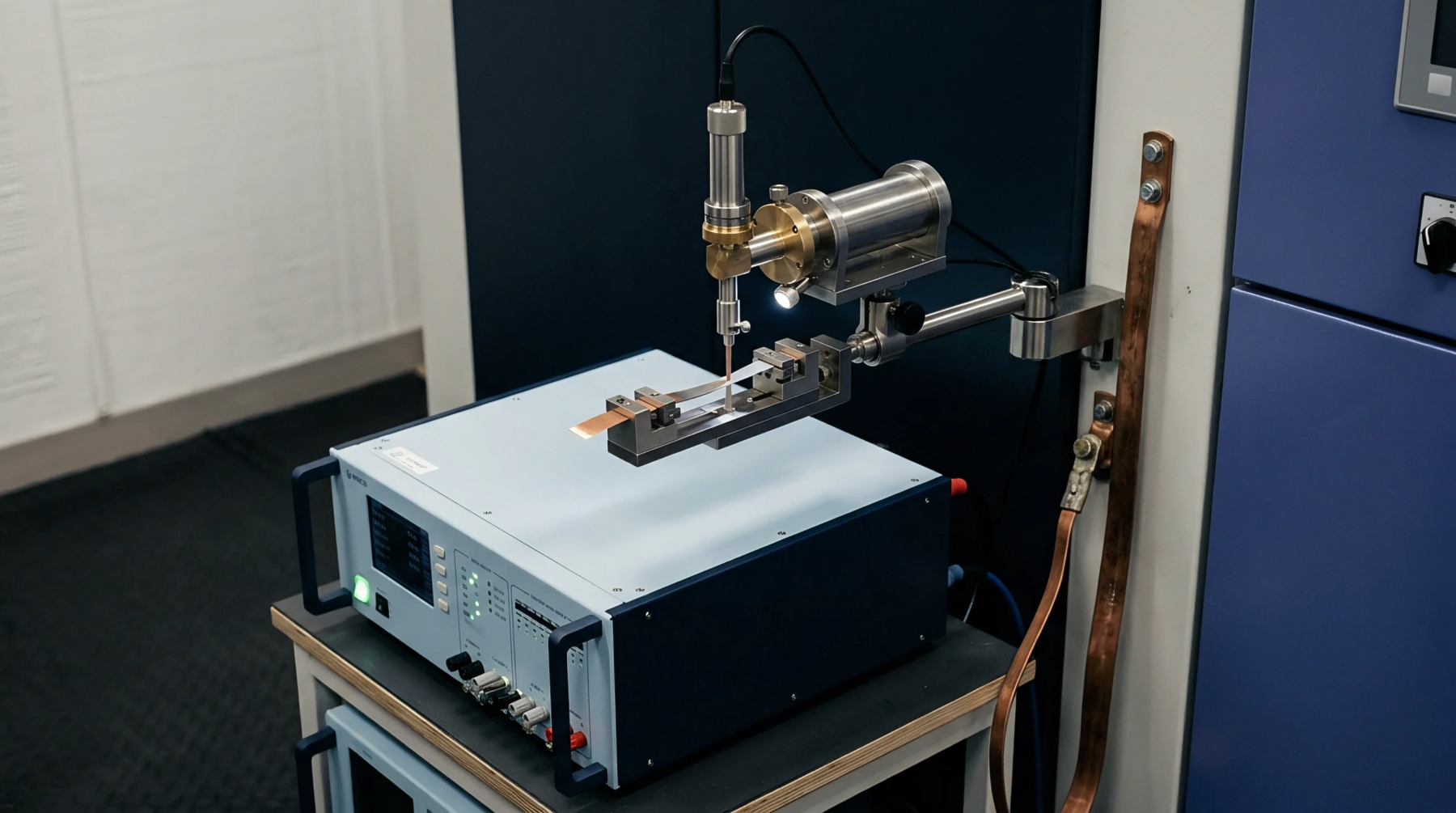
Evaluate end-of-life cell swelling by testing under module-equivalent spring compliance to balance initial interfacial contact against structural failure limits.

Maintain beginning of life cell preload between 0.08 and 0.15 MPa to prevent electrode delamination while preventing separator collapse and end plate deformation.

Municipal acceptance of computational deflagration modeling requires physical UL 9540A vent gas data, grid convergence verification, and peak overpressure caps below enclosure yield.
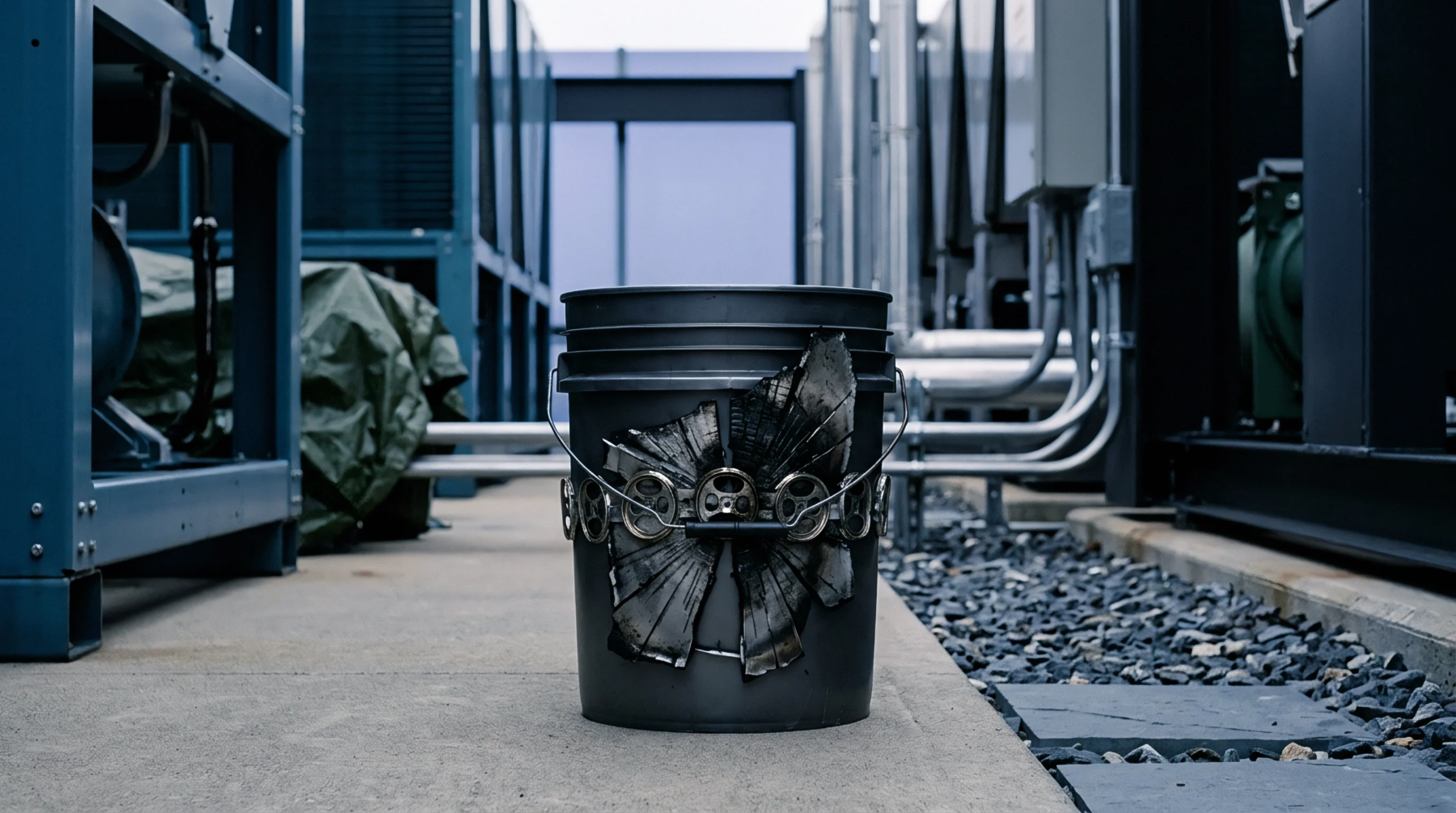
Enclosure spacing and fire area compartmentalization enforce physical air buffers, rated structural walls, and UL 9540A testing to stop cascading thermal propagation.
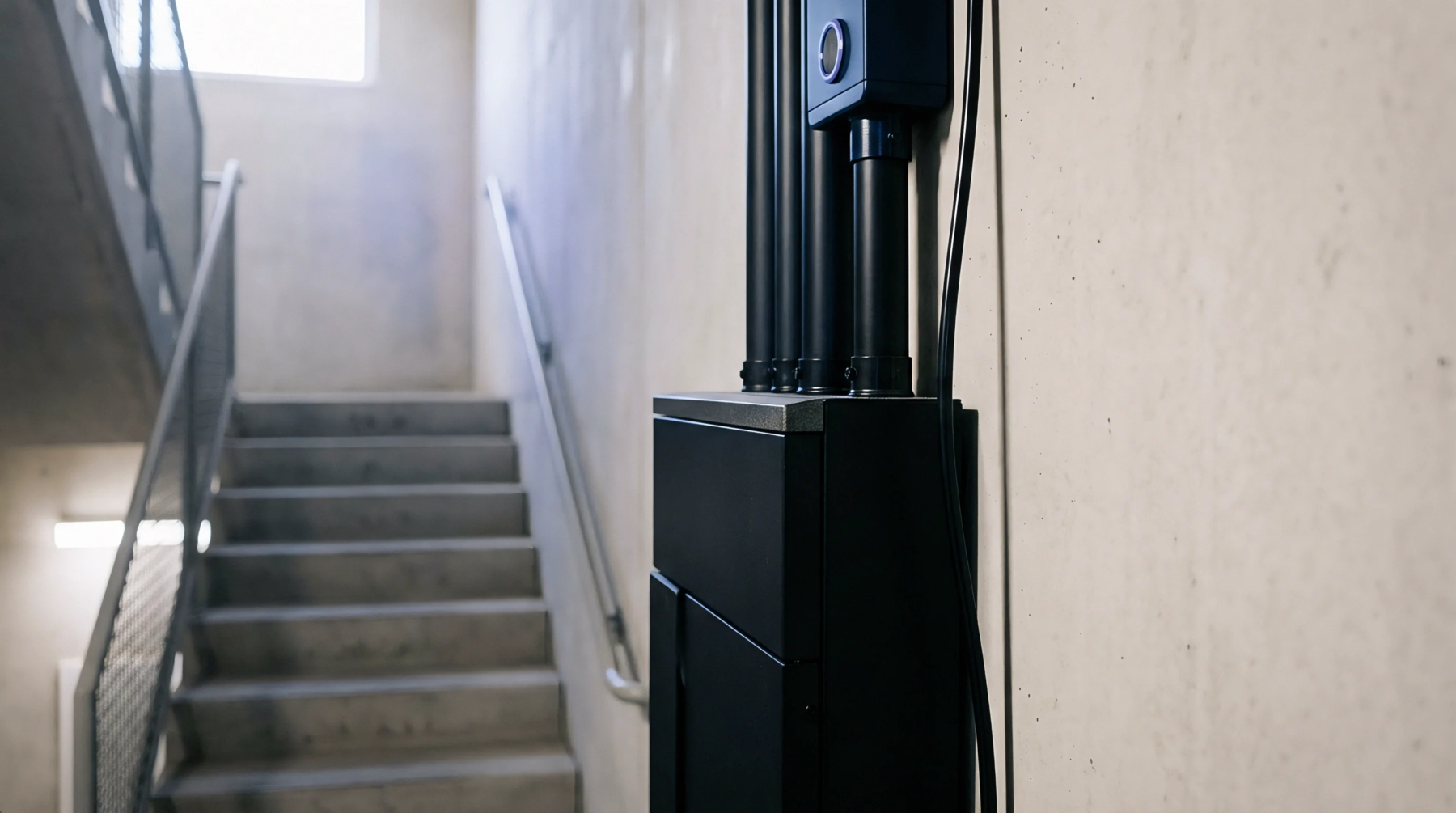
IFC Chapter 12 caps indoor lithium-ion storage at 20 kWh unless UL 9540 listing, UL 9540A testing, 2-hour partitions, and 3-foot clearances permit higher limits.

Interphase fracture under fast charging drives plating and fade, demanding rigorous receiving screening and strict carrier compliance.

Parasitic electrolyte reduction continuously consumes cyclable lithium under float storage, driving premature capacity knee-point failure in scaled battery systems.

Controlled formation cycle protocols govern graphite interphase passivation, bounding irreversible capacity loss, transport stability, and warranty liability.

Verify ISO/IEC 17025 accreditation schedules directly against current UN 38.3 revisions to prevent customs interdiction and port demurrage penalties.
Validate testing laboratory ISO 17025 scope annexes to ensure equipment ranges, current shunts, and thermal chambers cover actual cell safety test parameters.

Verify the laboratory ISO 17025 scope annex directly with the accreditation body to ensure testing standards, ranges, and specific clauses match shipped cells.

Integrating insurer loss survey telemetry into cell contracts converts ambient transit logging into binding warranty triggers that assign liability immediately.

Actuarial defect models price tail-risk exposures by replacing zero-defect assumptions with compound Poisson-Weibull distributions and contractual escrow sizing.

Underwriters price battery storage risk by converting cell lot formation logs, K-value decay rates, and UL 9540A test dossiers directly into asset premium basis points.

Operando analytical methods quantify high-voltage transition metal dissolution, preventing unmitigated anode interphase failure and regulatory shipment rejection.

Manganese deposition on graphite anodes catalytically breaks down the SEI, causing continuous lithium consumption and rapid cell capacity loss.

Transition metal transport across separators causes rapid anode SEI decay; quantify crossover via ICP-MS to enforce supplier coating and cycle-life contracts.

Destructive teardown inspection quantifies internal dimensional variances in mass-produced cells, protecting buyers against transport liability and safety defects.

Lock bills of materials and enforce incoming statistical Cpk gates on cell mass, ACIR, and anode overhang to halt manufacturing drift before pack assembly.

Verify lithium ion cell type approval by matching laboratory ISO 17025 accreditation, raw thermocouple abuse logs, and physical cell mass to shipping manifests.
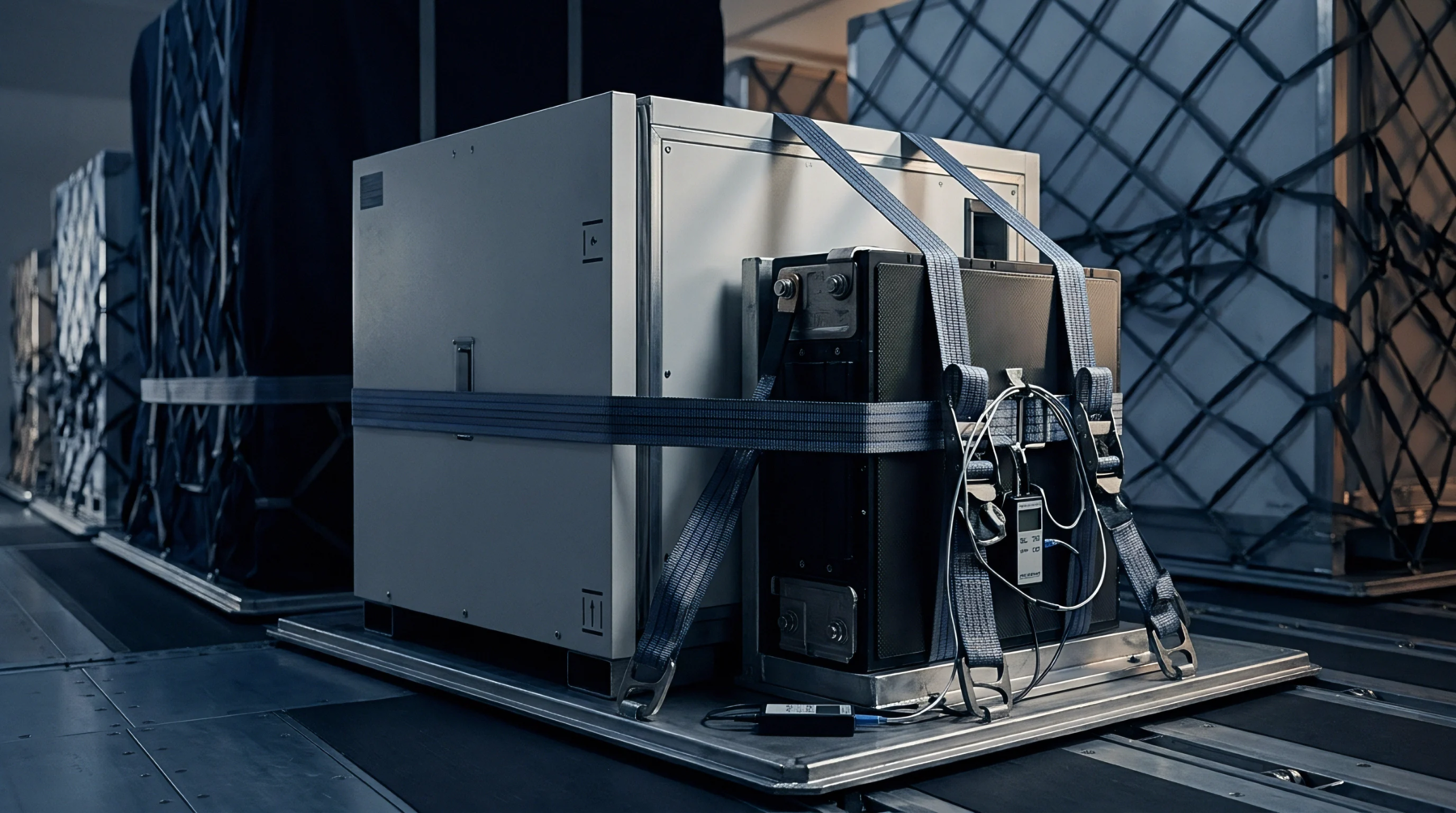
Statutory IMDG compliance permits maritime transport, but carrier-specific safety rules dictate vessel loading, requiring matched dossiers before gate-in.

Air transit compliance demands cell state of charge verification below thirty percent using calibrated current integration and relaxation-corrected voltage lookups.

Laser weld micro-defects drive preferential linear carbonate vapor loss under storage and transport pressure deltas, degrading cell life and voiding transit safety files.

Air cargo intake verification requires cross-checking the ten mandatory UN 38.3.5 data parameters directly against physical cell labels and manifest records.

Solvent diffusion through polymer seals depletes linear carbonates, raising pack resistance and creating flammable headspace vapors that breach UN 38.3 limits.

Electrolyte volatility drives latent cell mass loss, requiring buoyancy-corrected analytical balances to verify hermetic integrity before transit acceptance.

Foreign arbitral awards for battery test summary fraud enforce successfully by joining subcontractors via agency doctrines and garnishing global OEM receivables.
Expertise is a utility, not a secret. sentiention™ publishes its working knowledge as open reference: intelligence layer covering the materials it sources, the markets it enters, and the reference that serves both.