
Surface Phase Transformation Mechanisms in High Voltage Lithium Cathodes
High voltage operation drives cathode surface phase restructuring into an insulating rocksalt layer, accelerating capacity loss and warranty exposure.
High voltage operation drives cathode surface phase restructuring into an insulating rocksalt layer, accelerating capacity loss and warranty exposure.

ISO 17025 audit verification demands validating test parameters against the lab schedule on the ILAC MRA portal to prevent compliance holds

Verify UN 38.3.5 summary authenticity and lab ISO 17025 scope before tendering battery cargo to prevent customs seizure and catastrophic demurrage.

Nonlinear knee fade in LFP cells occurs when SEI growth exhausts cyclable lithium inventory, triggering rapid anode overpotential escalation and plating.

Laboratory qualification of LiFePO4 cells demands precise mechanical clamping, strict IEC cycling regimes, and Arrhenius acceleration to verify true capacity retention.
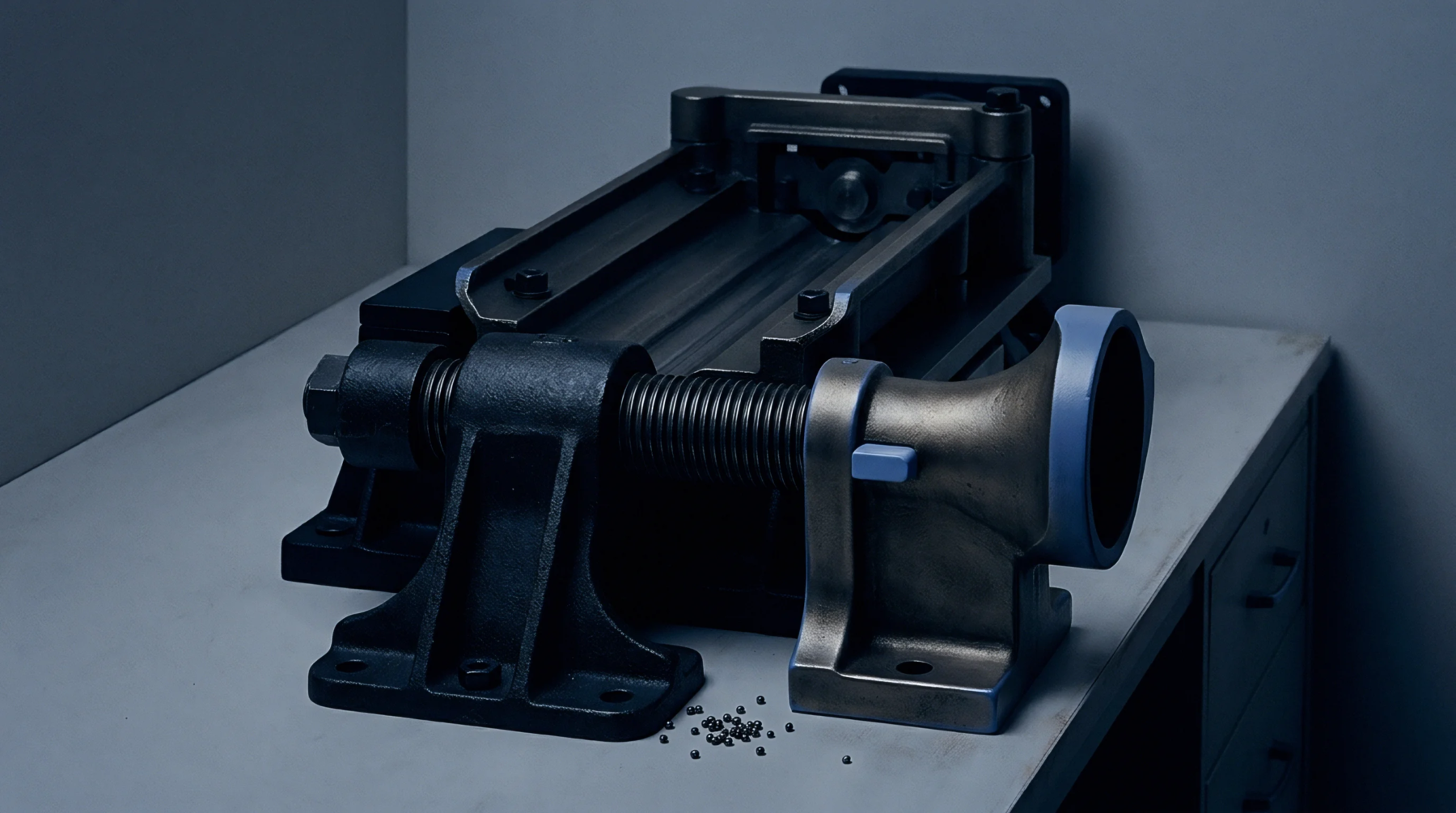
LFP capacity loss stems primarily from active lithium loss via interphase growth, requiring differential capacity screening and precise thermal control.

Dynamic load transients introduce non-deterministic phase shifts and isoSPI frame delay across distributed AFE controllers, breaching short-circuit timing budgets.

Hardware timestamps and EtherCAT distributed clocks eliminate backplane bus jitter, preventing false differential capacity peaks in cell test data.

Hardware clock synchronization across high-density battery test cabinets eliminates microsecond phase skew to ensure valid EIS and dQ/dV degradation data.

Managing transsemantic battery compliance requires direct alignment of cell test summaries, customs records, and shipping labels with destination border laws.

Auditing UN 38.3 dossiers requires verifying full lab reports against 38.3.5 summaries, checking ILAC accreditation, and confirming physical cell mass tolerances.

Air freight acceptance demands verifying all ten UN 38.3.5 fields against physical cargo labels to prevent cargo holds, civil fines, and insurance voidance.

Three-electrode anode overpotential testing isolates uncompensated potential thresholds to prevent lithium plating during fast charge algorithm design

Sub-zero charging forces graphite anode potential negative, driving metallic lithium deposition, accelerating internal short risks, and invalidating safety transport certifications.

Utility BESS deflagration overpressure depends on off-gas burning velocity and corridor blockage turbulence rather than open-air venting calculations.

Grid battery enclosures require passive inter-cell thermal barriers to limit conductive heat flux below 120 kW/m² and contain thermal runaway propagation.

Stationary storage spatial clearance requires balancing NFPA 855 baseline setbacks against UL 9540A fire test metrics to optimize usable site acreage.

Cathode transition metals leach via acid attack during warm storage, migrating through polyolefin separator pores to degrade anode SEI and escalate K-value self-discharge.

Thermal storage above 45°C drives hydrofluoric acid attack on lithiated iron cathodes, causing iron dissolution and anode SEI degradation.
Dangerous goods demurrage escalates exponentially; transferring holds to off-dock bonded hazmat yards stops terminal fees and protects landed margins.

Containerized battery shipments require strict IMDG segregation, state of charge caps under thirty percent, and passive thermal isolation on deck.

Verify air cargo cell charge limits below 30 percent using rested open-circuit voltage lookups or bench discharges backed by signed UN 38.3 test records.
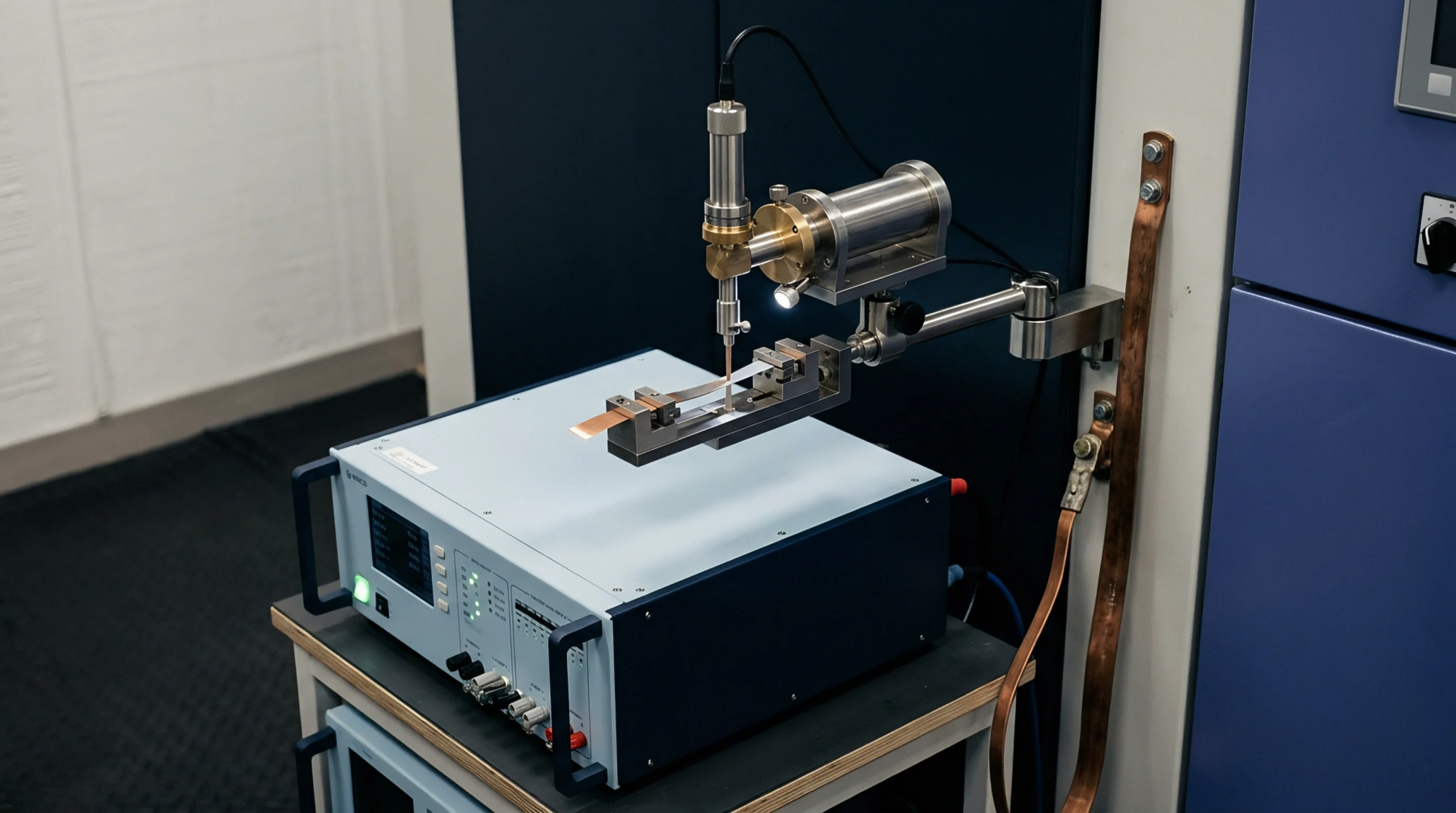
Mandatory UN 38.3 test summaries must link cell serial numbers to verified lab results across ten required data fields before cargo enters transport networks.
Importers mitigate cross-border forged lab schedules by enforcing primary ISO 17025 direct testing, independent ILAC verification, and escrow gates.

Auditing foreign ISO 17025 links requires validating the laboratory scope schedule against ILAC MRA databases to ensure UN 38.3 safety file compliance.

Port entry verification of UN 38.3 test summaries requires cross-referencing laboratory ISO 17025 scope schedules against cell mass and test parameters.

Helium micro leak rates above 1.0e-6 mbar L/s drive water ingress that hydro-analyzes LiPF6 into hydrofluoric acid, degrading high nickel cathodes within months.

Standard air equivalent leak conversions transform empirical helium mass spectrometer readings into precise air ingress and solvent loss metrics for pouch cells.
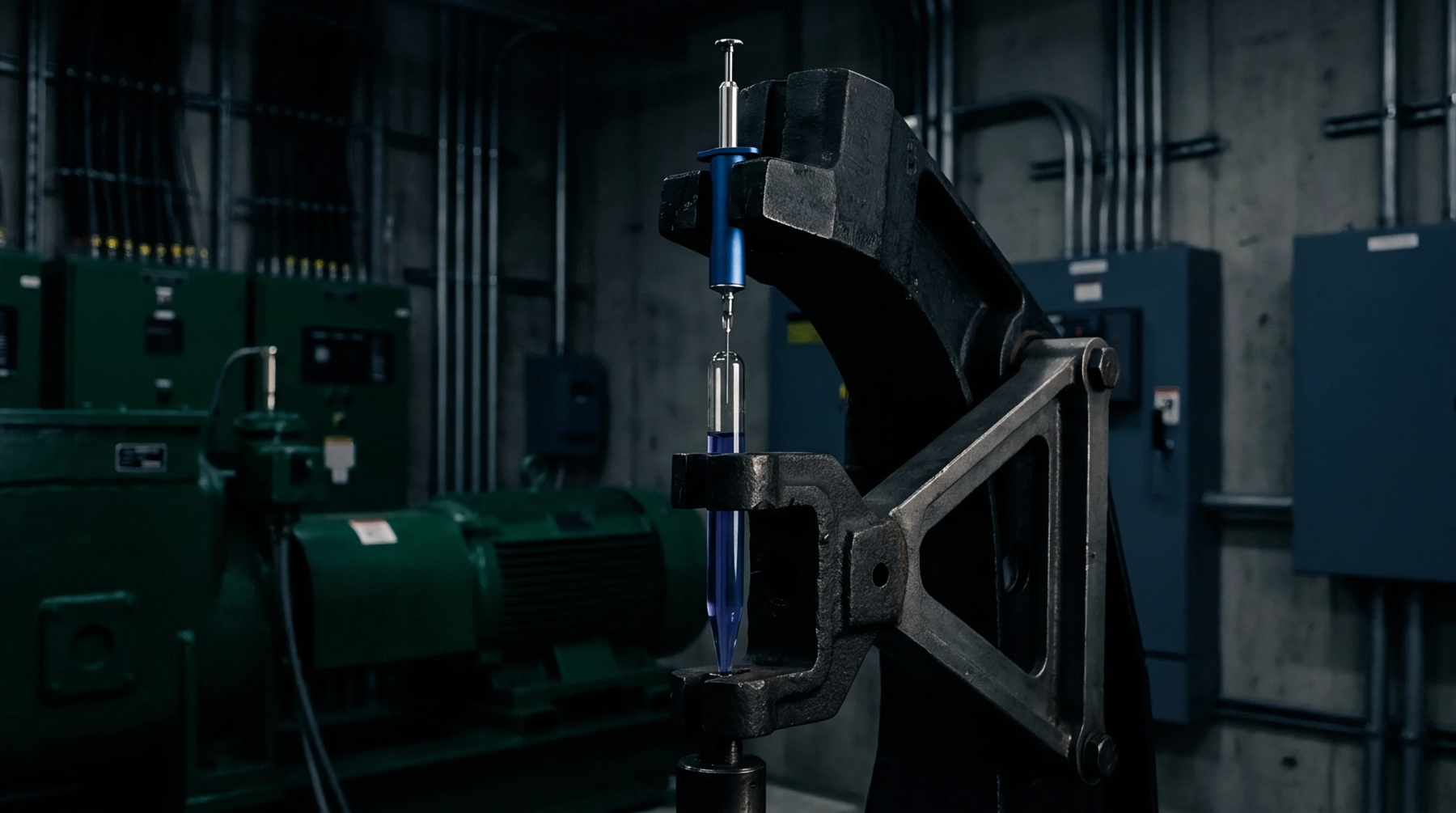
Resolve transborder cell test liabilities by enforcing ILAC-MRA accredited retesting, securing escrow retentions, and substituting compliant dangerous goods dossiers.
Auditing factory process control indices validates cell test certificates by proving batch uniformity and preventing latent field defects.
Expertise is a utility, not a secret. sentiention™ publishes its working knowledge as open reference: intelligence layer covering the materials it sources, the markets it enters, and the reference that serves both.