Meaning
This statistical procedure is used to determine whether a production lot of battery cells or materials should be accepted or rejected based on a representative sample. The acceptance sampling process governs the quality verification of incoming cell shipments without requiring the inspection of every individual cell. It defines the sample size and the maximum allowable number of defective units in that sample.
This approach ceases to apply when zero-defect policies are mandated for primary safety components. Sourcing teams use this statistical method to balance the cost of inspection against the risk of receiving substandard materials.
Statistical Method
The procedure begins by defining the batch size and the desired confidence level. Technicians extract a random sample from the delivery lot of cells. The sample size is determined using standard tables like ISO 2859 or ANSI ASQ Z1.4.
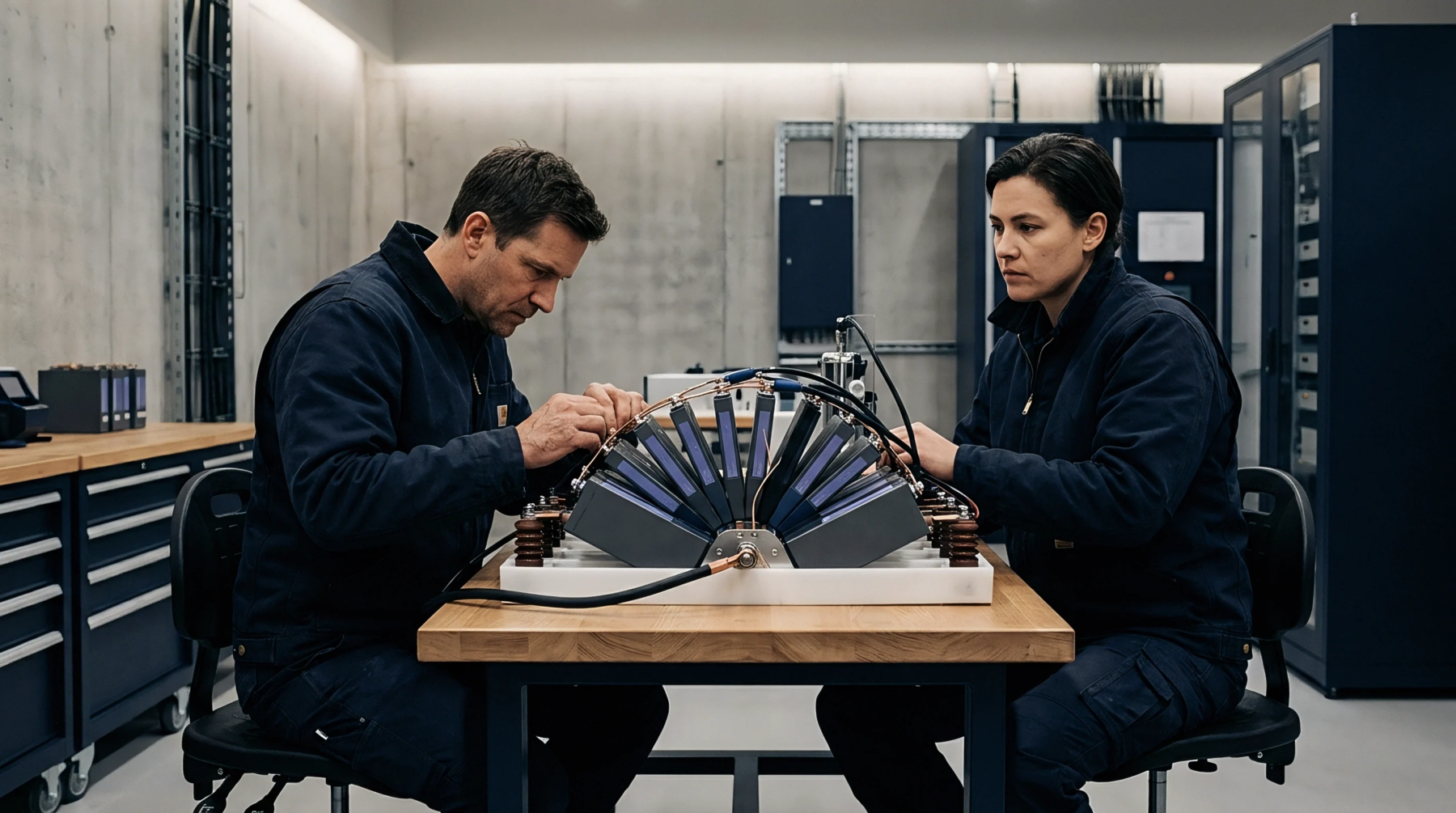
Each cell in the sample undergoes rigorous electrical and mechanical testing to verify its performance against specifications. If the number of failed cells is below the acceptance threshold, the entire batch is accepted and sent to the assembly line. When the count exceeds this threshold, the batch is rejected and returned to the supplier.
Quality Protocol
This testing regime reduces the time and expense associated with full-scale quality control. Since testing every cell for capacity or cycle life is destructive or too time-consuming, acceptance sampling offers a practical alternative. Sourcing agreements specify the acceptable quality limit that the manufacturer must maintain.
This limit ensures that the probability of rejecting a good batch is kept low, while also protecting the buyer from accepting a batch with excessive defects. This protocol creates a clear framework for resolving quality disputes between the buyer and the cell manufacturer.
Supply Chain
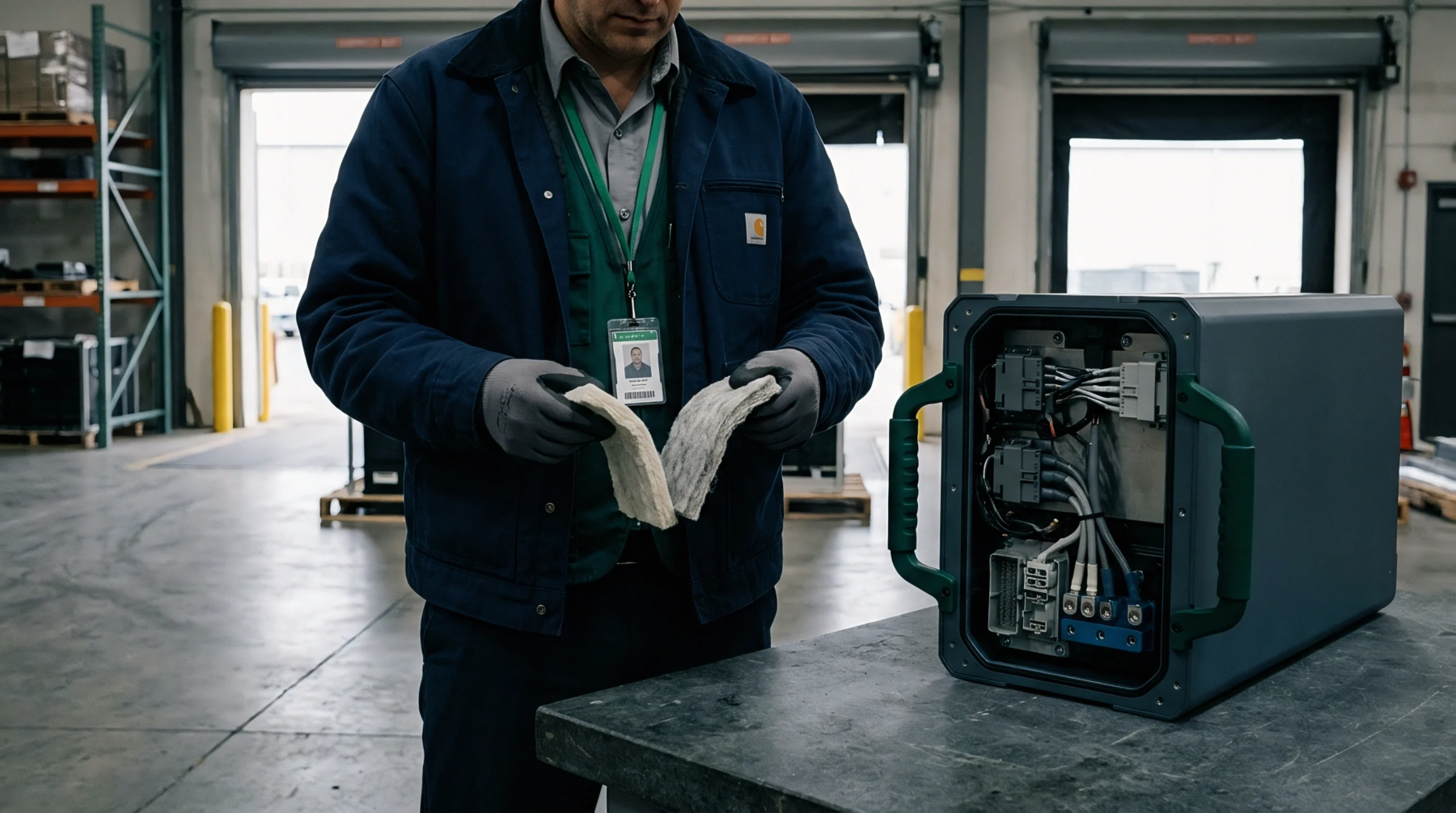
Sourcing teams use this method to monitor the long-term performance and consistency of different suppliers. When a supplier consistently passes the sampling tests, the buyer may transition to a reduced inspection frequency. If a batch fails, the contract may require the supplier to bear the cost of sorting or replacing the entire shipment.
This commercial pressure forces manufacturers to maintain tight process controls in their gigafactories. Consequently, the procedure serves as a primary tool for managing risk in the battery cell procurement process.