
Inbound Lithium Ion Cell Receiving Inspection and Standard Operating Procedures
Inbound cell receiving mandates thermal quarantine, UN 38.3 documentation verification, four-wire impedance sampling, and strict AQL defect thresholding.
Inbound cell receiving mandates thermal quarantine, UN 38.3 documentation verification, four-wire impedance sampling, and strict AQL defect thresholding.

Verify UN 38.3 test summaries against accredited lab databases and audit physical batch metrics at receiving to prevent demurrage and cargo seizure.

Eliminating lithium plating in fast-charging silicon anodes requires reducing out-of-plane tortuosity and maintaining stack pressure between 0.3 and 0.8 MPa.
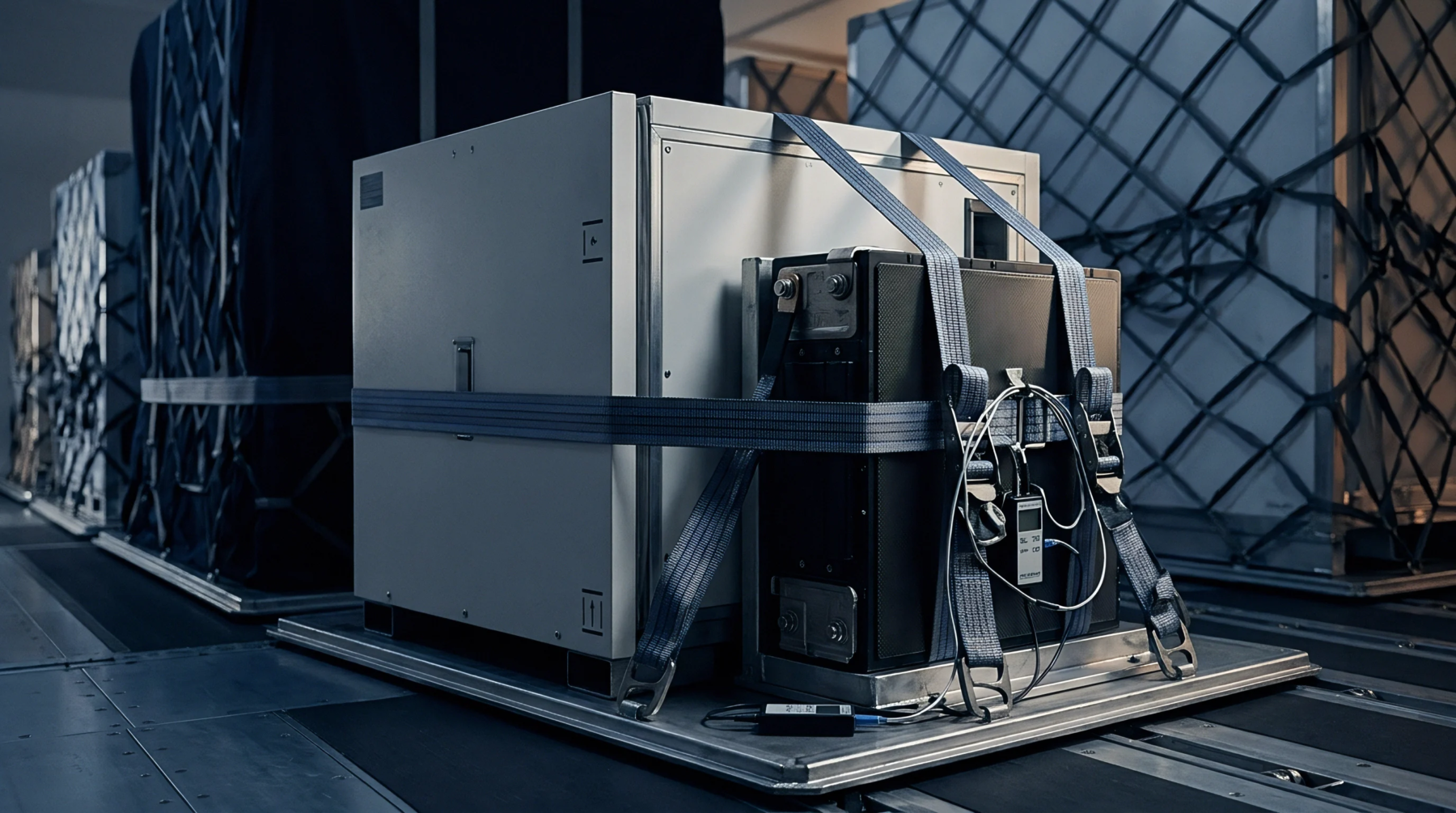
Aligning HS classification codes with UN dangerous goods labeling prevents customs holds, duty penalties, and carrier rejections for battery imports.

Verify UN 38.3 test summaries, enforce the 30% state of charge ceiling, and audit packaging specs to ensure compliant battery air freight.

Asset owners must require HIL testing, dual-key signing, and written vendor regulatory indemnities before authorizing remote third-party firmware updates.

Dynamic anode potential control above 50 mV suppresses crystalline silicide formation, preserving amorphous silicon structure and extending cycle life.
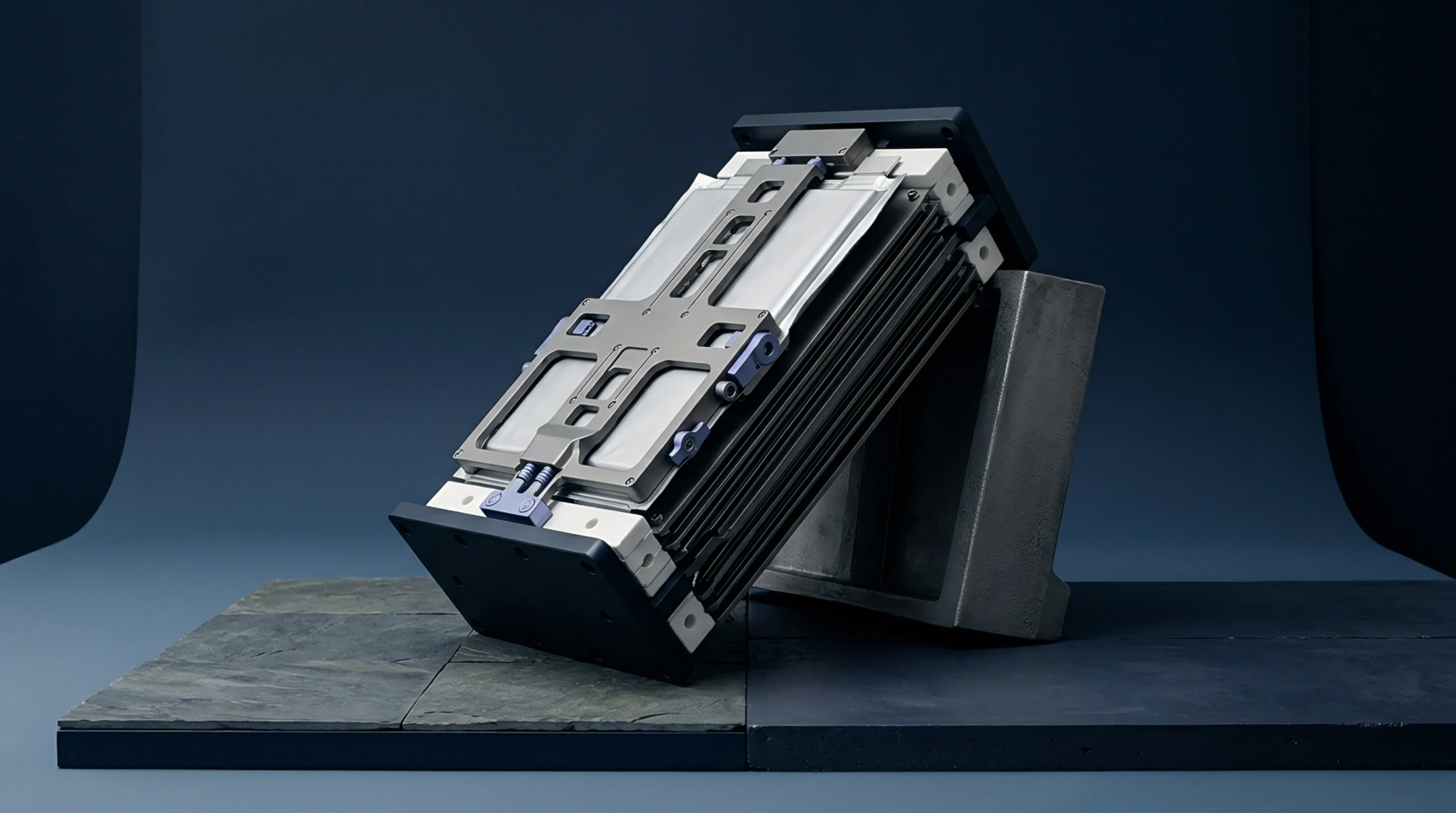
Isothermal swelling protocols isolate pure electrochemical lattice expansion from thermal artifacts to deliver precise thickness limits for module engineering.

Verify UN 38.3.5 summary authenticity and lab ISO 17025 scope before tendering battery cargo to prevent customs seizure and catastrophic demurrage.

Nonlinear knee fade in LFP cells occurs when SEI growth exhausts cyclable lithium inventory, triggering rapid anode overpotential escalation and plating.

Laboratory qualification of LiFePO4 cells demands precise mechanical clamping, strict IEC cycling regimes, and Arrhenius acceleration to verify true capacity retention.

Three-electrode anode overpotential testing isolates uncompensated potential thresholds to prevent lithium plating during fast charge algorithm design

Containerized battery shipments require strict IMDG segregation, state of charge caps under thirty percent, and passive thermal isolation on deck.

Verify air cargo cell charge limits below 30 percent using rested open-circuit voltage lookups or bench discharges backed by signed UN 38.3 test records.

Precision state of charge settings and active reefer climate control prevent capacity loss and internal resistance growth during oceanic container transit.

Calibrating reduced order particle observers optimizes usable cell capacity and fast charging rates while preventing lithium plating through precise surface state tracking.

Validating UN 38.3 lithium cell test summaries requires verifying all ten statutory fields, checking ISO/IEC 17025 lab scope, and matching physical cell mass.

Uncertified cell freight moves legally under Special Provision exemptions; contract terms must shift dangerous goods declaration liabilities to origin shippers.
Validating ISO 17025 lab schedules and continuous cell batch traceability prevents air transport cargo rejection and shifts regulatory liability to suppliers.
Expertise is a utility, not a secret. sentiention™ publishes its working knowledge as open reference: intelligence layer covering the materials it sources, the markets it enters, and the reference that serves both.