
Buying Cells against Buying Packs and Where Responsibility Sits
Buying cells requires owning BMS development, weld quality, thermal isolation, and pack safety files; buying packs trades unit margin for transferred liability.
Buying cells requires owning BMS development, weld quality, thermal isolation, and pack safety files; buying packs trades unit margin for transferred liability.

Rigorous dangerous goods document audits verify UN 38.3 test summaries, safety data sheets, and shipper declarations to prevent costly port delays and cargo holds.

LFP cells resist thermal runaway during transport due to stable olivine crystal structures, whereas NMC chemistries require strict 30 percent state of charge caps to prevent catastrophic thermal breakdown under logistics stress.

Clear BMS ownership requires unbundled NRE terms, immutable toolchain escrows, static memory rules, and defined regulatory re-certification liabilities.

Air cargo limits lithium-ion cells to 30% SOC under IATA PI 965, whereas sea freight allows higher SOC to prevent voltage collapse during transit.

Liability follows the Incoterm risk transfer point unless dangerous goods misdeclaration or unseaworthiness invalidates carrier and insurance protections.

Unenforced warehouse storage rules leave bulk lithium inventory exposed to catastrophic fire risks and uninsured multi-million dollar liability losses.

UN 38.3 test summary audits require verifying ten mandatory 38.3.5 elements against ISO 17025 lab scope data to prevent carrier dock rejections.

Standard fire codes cap bulk lithium battery storage at 600 kWh per control area unless protected by dedicated ESFR sprinklers and 2-hour fire barriers

Cross-border cell movement requires an unbroken paper trail linking UN 38.3 lab tests, 30% SOC limits, GHS safety data sheets, and local customs filings.
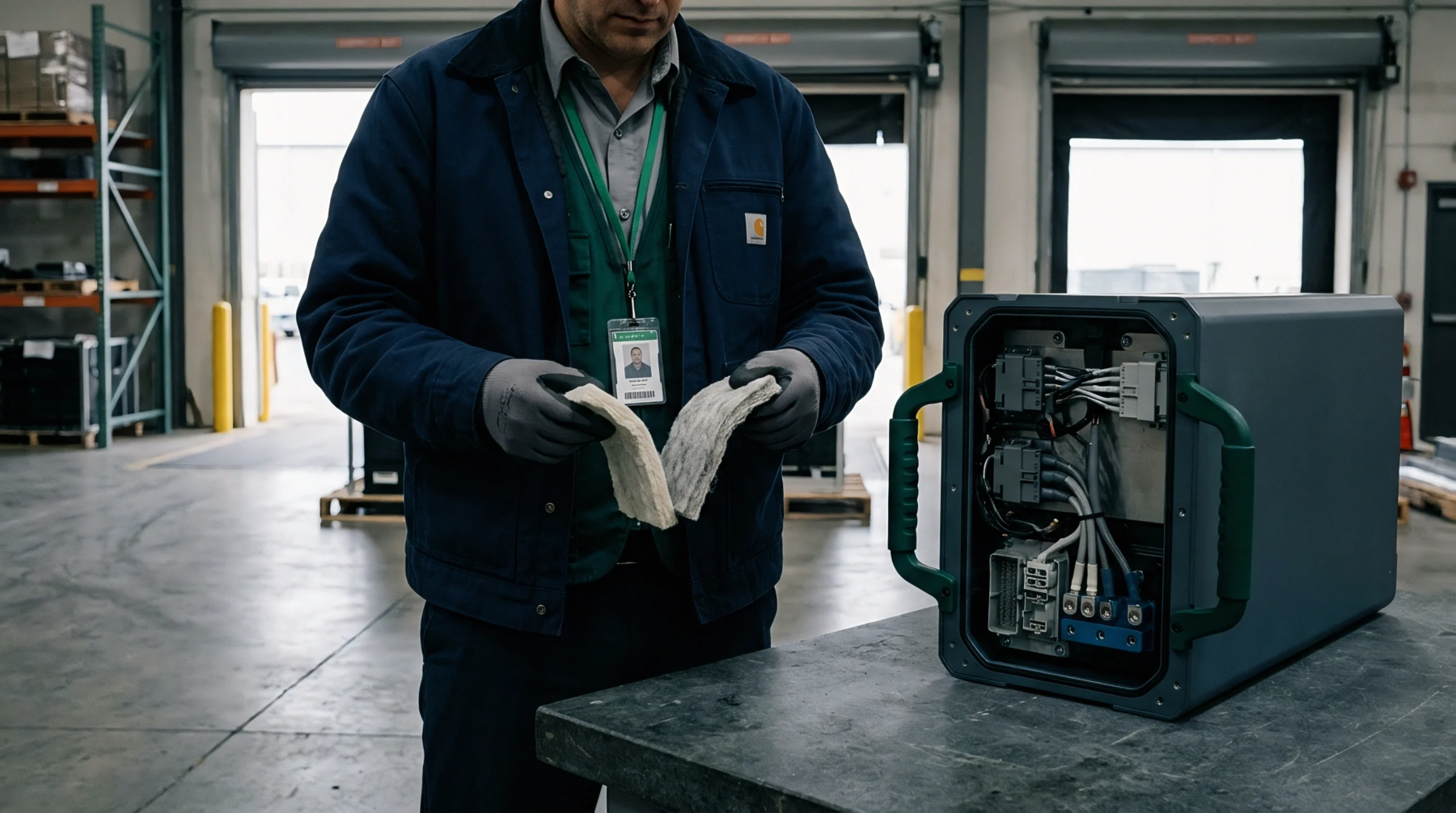
LFP phase transitions and voltage relaxation kinetics create severe OCV hysteresis and multi-hour voltage drift requiring dynamic BMS filtering to prevent SOC errors.

Verifying UN 38.3 test summaries requires matching physical cell markings, mass, and laboratory ISO 17025 scope against mandatory section 38.3.5 fields.

A UN 38.3 test summary requires ten mandatory data fields, lab accreditation validation, and exact serial batch matching to clear dangerous goods air freight.
Verify UN 38.3 test summaries by matching technical report fields against accredited lab databases, factory trace codes, and physical SOC transport limits.
Hazardous goods audit frameworks require verified UN 38.3 test summaries, strict state of charge caps, and compliant packaging to ensure legal transport authorization.
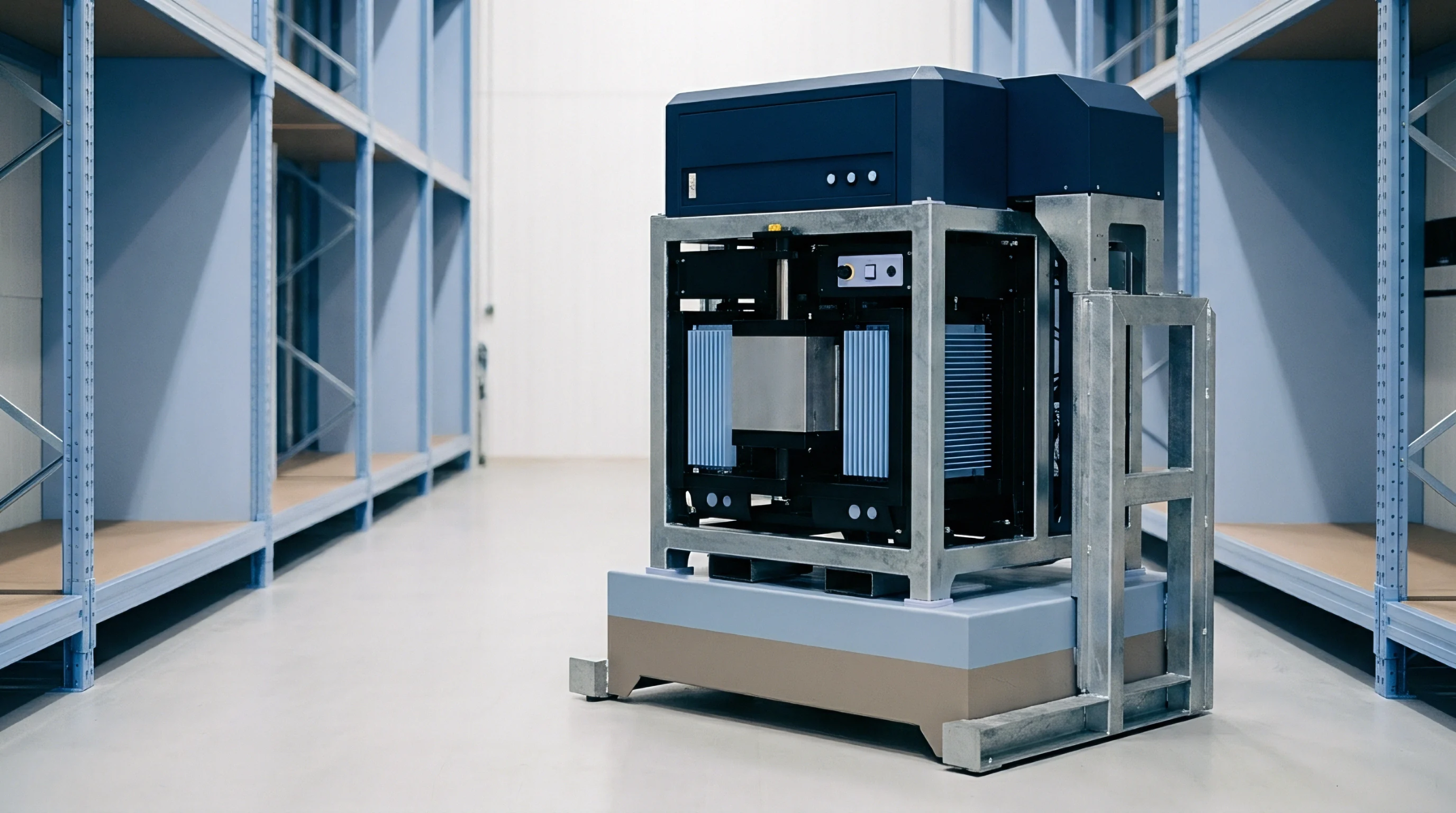
Customs holds on non-compliant cell shipments generate compounding dangerous goods demurrage fees that require enforceable supplier indemnities and payment holdbacks.

Early lithium cell resistance rise stems from passive layer growth and cathode microcracking, shifting procurement risk to initial DCIR specifications.
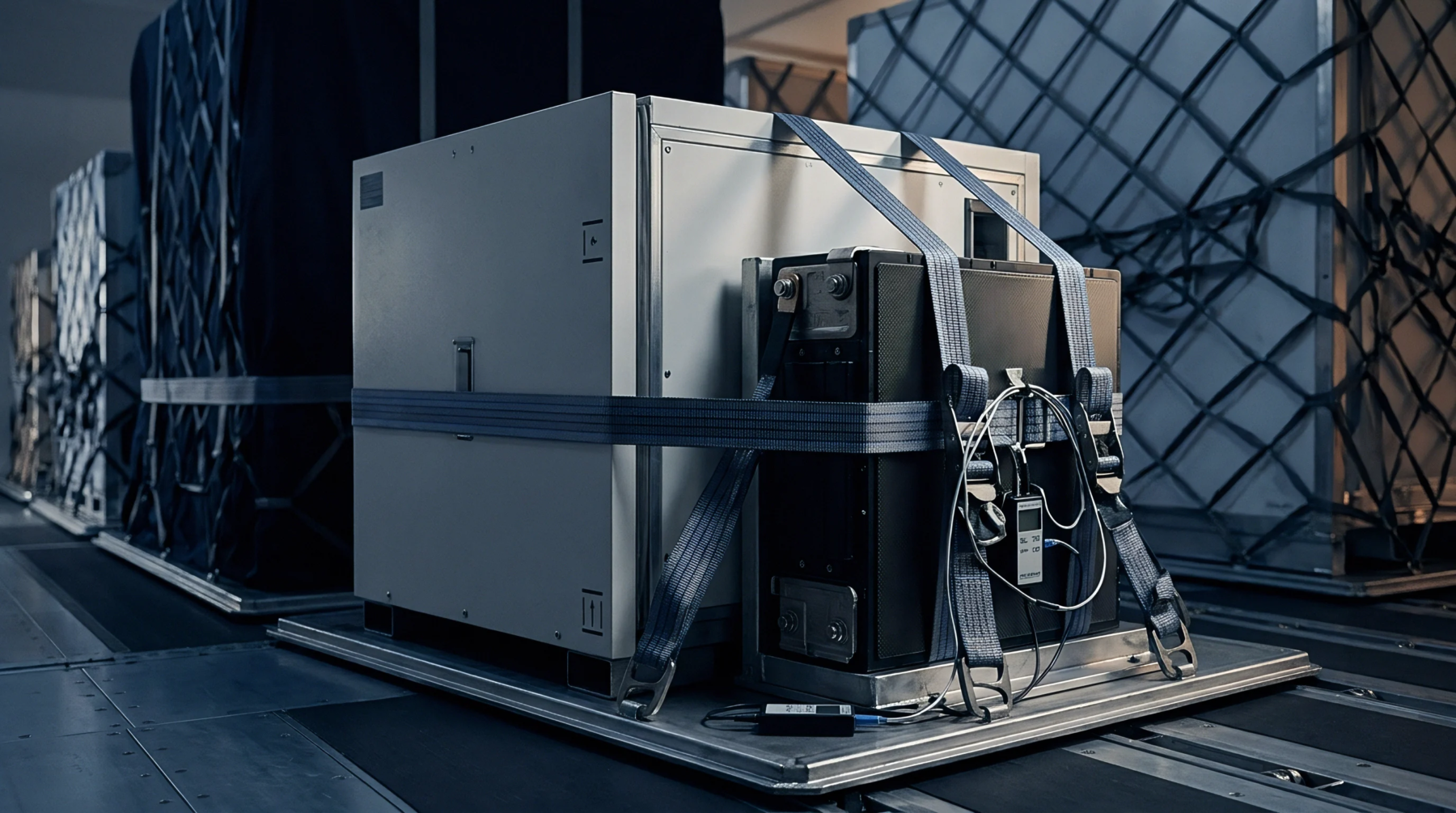
Cell screening protocols isolate thermodynamic voltage hysteresis from active capacity deficits to defend contract compliance and warranty reserve calculations.

Distinguishing high-temperature self-discharge from solid-state relaxation requires isolating irreversible lithium loss from reversible particle diffusion via microcalorimetry and extended rest protocols.

Verify inbound cell compliance using ISO 2859-1 sampling, microvolt OCV screening, K-value decay tracking, and UN 38.3 audit chains before pack assembly.
Cross referencing battery test summaries with freight manifests verifies watt-hour limits, state of charge compliance, and lot trace numbers before cargo tender.

Customs clearance for imported cells requires an authenticated UN 38.3.5 test summary, compliant SDS, and validated laboratory scopes to pass border entry audits.

Dynamic fast charging below zero degrees requires real-time overpotential feedback control to prevent lithium plating and maintain safety certification validity.

Extended electrochemical relaxation time constants induce residual overpotential that corrupts zero-point Coulomb counting calibration in battery packs.
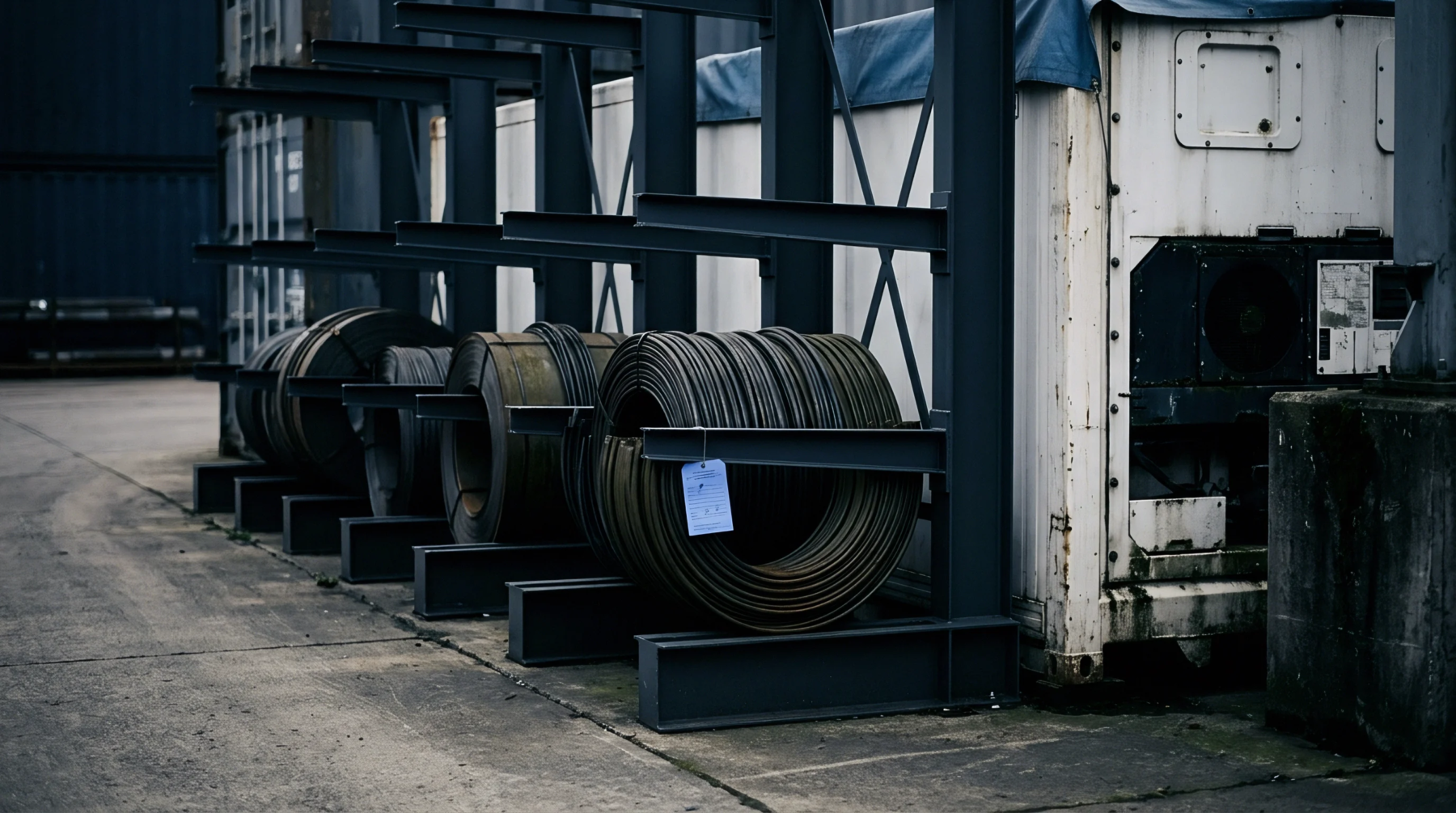
Contractual risk transfer for battery logistics requires strict UN 38.3 documentation covenants, state-of-charge limits, and un-capped seller indemnities.
Hydrostatic pressure elevates lithium chemical potential and raises nucleation energy barriers, suppressing destructive phase fracture in encapsulated silicon anode powders.

Lithium cell importation demands strict UN number classification, verified UN 38.3 test summaries, thirty percent state of charge, and compliant packaging.

Customs transit suspends EU carbon passport requirements until economic release, requiring bonded warehouse verification of primary freight carbon data.

Air cargo acceptance mandates matching UN 38.3.5 test summary parameters against physical carton markings and declaration sheets to prevent ground impoundment.

LFP open circuit voltage settling requires at least 14 days post-charge to distinguish structural phase equilibrium from latent micro-short decay.
Expertise is a utility, not a secret. sentiention™ publishes its working knowledge as open reference: intelligence layer covering the materials it sources, the markets it enters, and the reference that serves both.