
Online Fast Charge Impedance Derating Protocols under Subzero Temperatures
Online impedance derating adjusts subzero charging current dynamically to prevent lithium plating while maintaining maximum safe energy transfer.
Online impedance derating adjusts subzero charging current dynamically to prevent lithium plating while maintaining maximum safe energy transfer.
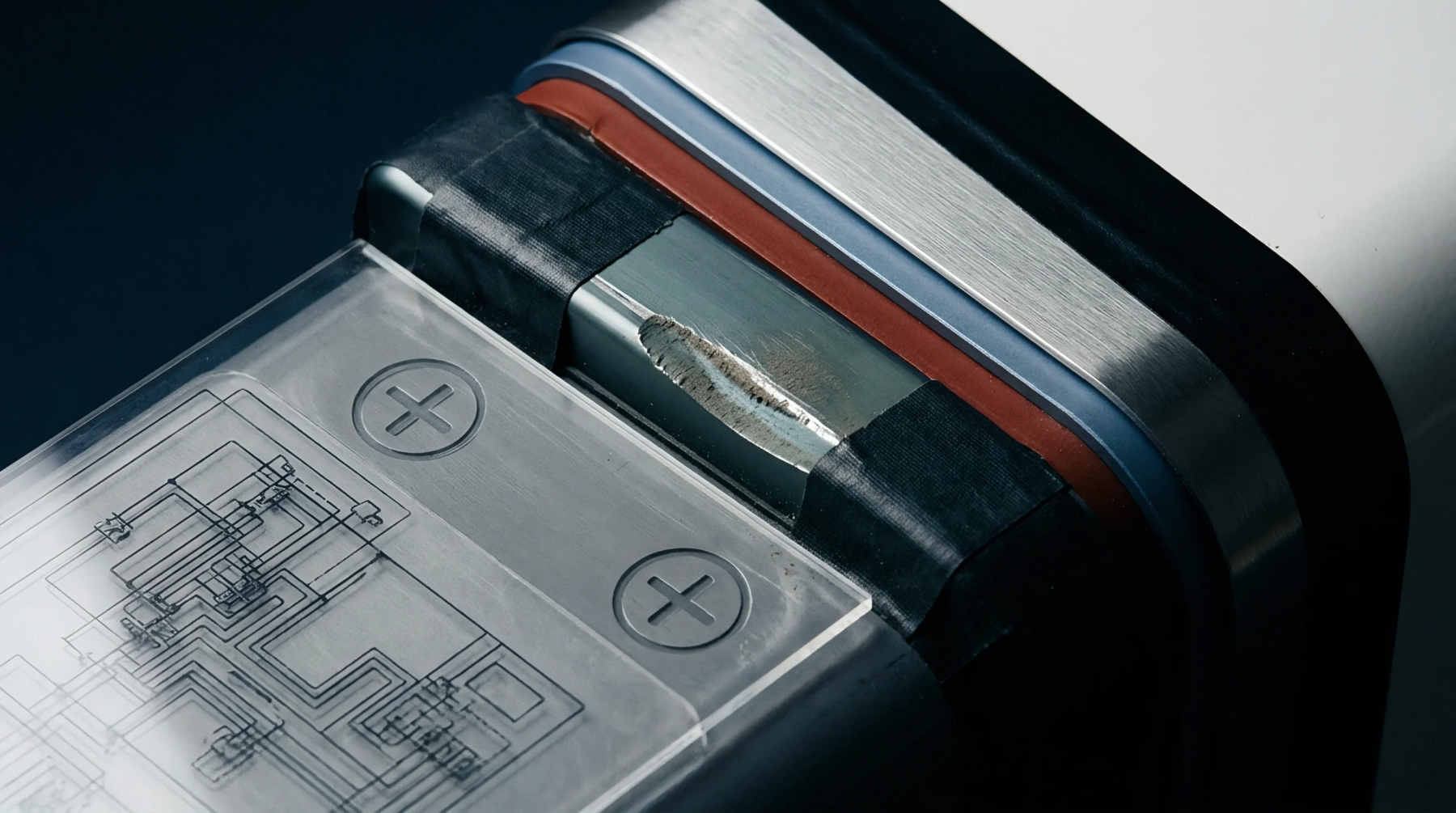
Electrochemical impedance spectroscopy identifies lithium plating through charge-transfer resistance drops, DRT peak splits, and post-charge relaxation shifts.

Three-electrode differential voltage relaxation analysis maps sub-zero lithium plating thresholds, preventing irreversible anode decay and thermal risk.

Active preheating circuits prevent sub-zero lithium plating by raising core temperatures above five degrees Celsius before high-rate charging commences.

Sub-zero cell qualification requires verifying charge-transfer impedance and anode overpotential thresholds to prevent irreversible field lithium plating.

Subzero storage increases charge transfer resistance and fractures the solid electrolyte interphase, requiring low SoC levels and post-storage equilibration.

Subzero capacity retention drops primarily due to desolvation impedance and electrolyte viscosity rise, making active pre-heating mandatory to avoid plating.
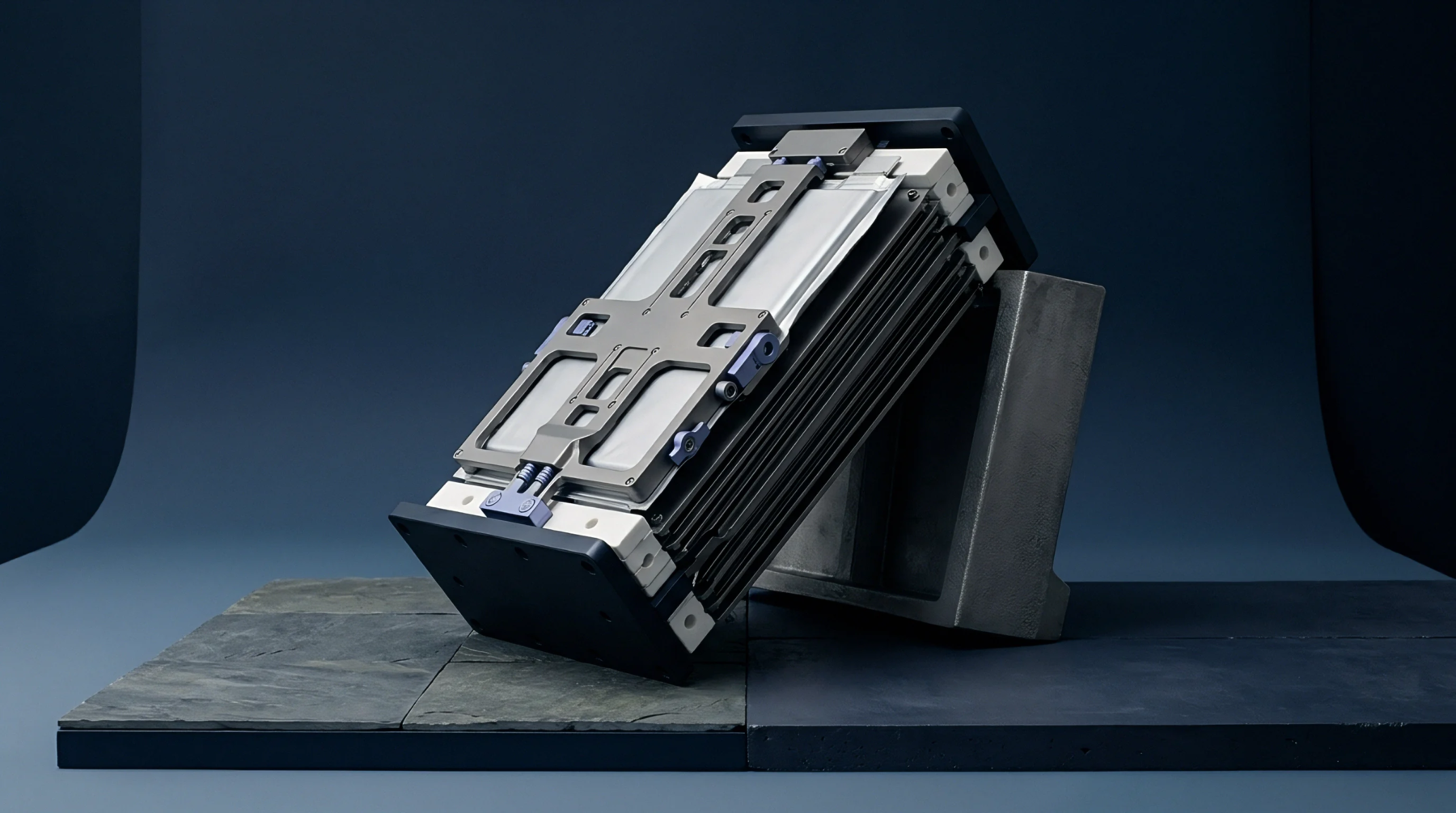
Subzero capacity testing requires calibrated thermal soak times and strict voltage cutoff standardization to prevent artificial capacity truncation and unrecorded lithium plating risks.

Decoupling mechanical swelling signals isolates reversible sub-zero lithium plating from permanent capacity loss to optimize low-temperature fast charging limits.

Manganese crossover accelerates anode impedance growth by catalytic SEI breakdown, demanding elevated temperature diagnostic screening and strict contract terms.
Elevated temperature formation accelerates passivation while requiring strict thermal control to prevent excessive active lithium inventory loss.

Interphase stability hinges on controlled initial reductive decomposition, sacrificial additive consumption, and uniform high-temperature stabilization.

XPS depth profiling quantifies nanoscale rock-salt reconstruction on aged cathodes, parameterizing localized solid-diffusion resistance for predictive models.

Cryptographic telemetry oracles isolate sub-zero lithium plating from manufacturing defects, driving deterministic warranty execution via smart contracts.

Statistical verification of raw binary cycler logs isolates hardware noise floors, timestamp jitter, and kinetic pulse responses to prevent cell lot fraud.

Subzero warranty defense requires high-frequency cell telemetry that logs transient current pulses and core thermal lag to disprove vendor claims of illegal freezing charge.

Electrochemical impedance parameter extraction isolates manufacturing defects from operational abuse, converting baseline spectra into defensible warranty claims.

Passivation interphase growth follows diffusion-limited parabolic kinetics, scaling interfacial resistance and demanding direct current pulse lot screening.

Resolving overlapping SEI and charge transfer arcs requires multi-sine excitation and DRT deconvolution to prevent latent low-temperature plating failures.
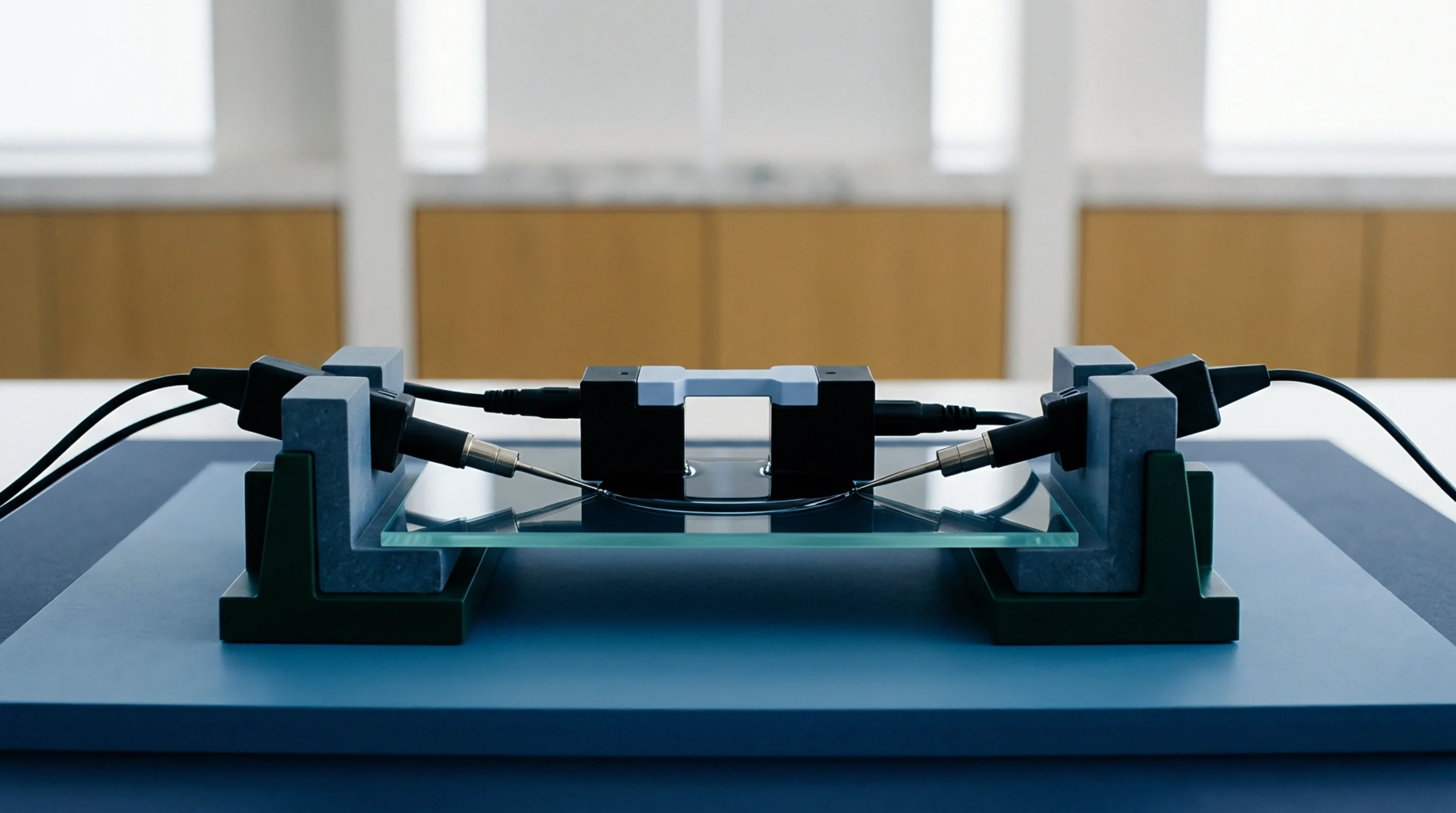
Multi-frequency impedance spectroscopy separates bulk and interfacial cell resistances, isolating manufacturing flaws that static DC and 1 kHz checks miss.

Calibrate particle observer matrices by mapping empirical diffusion and impedance data directly to discretized radial state space operators.
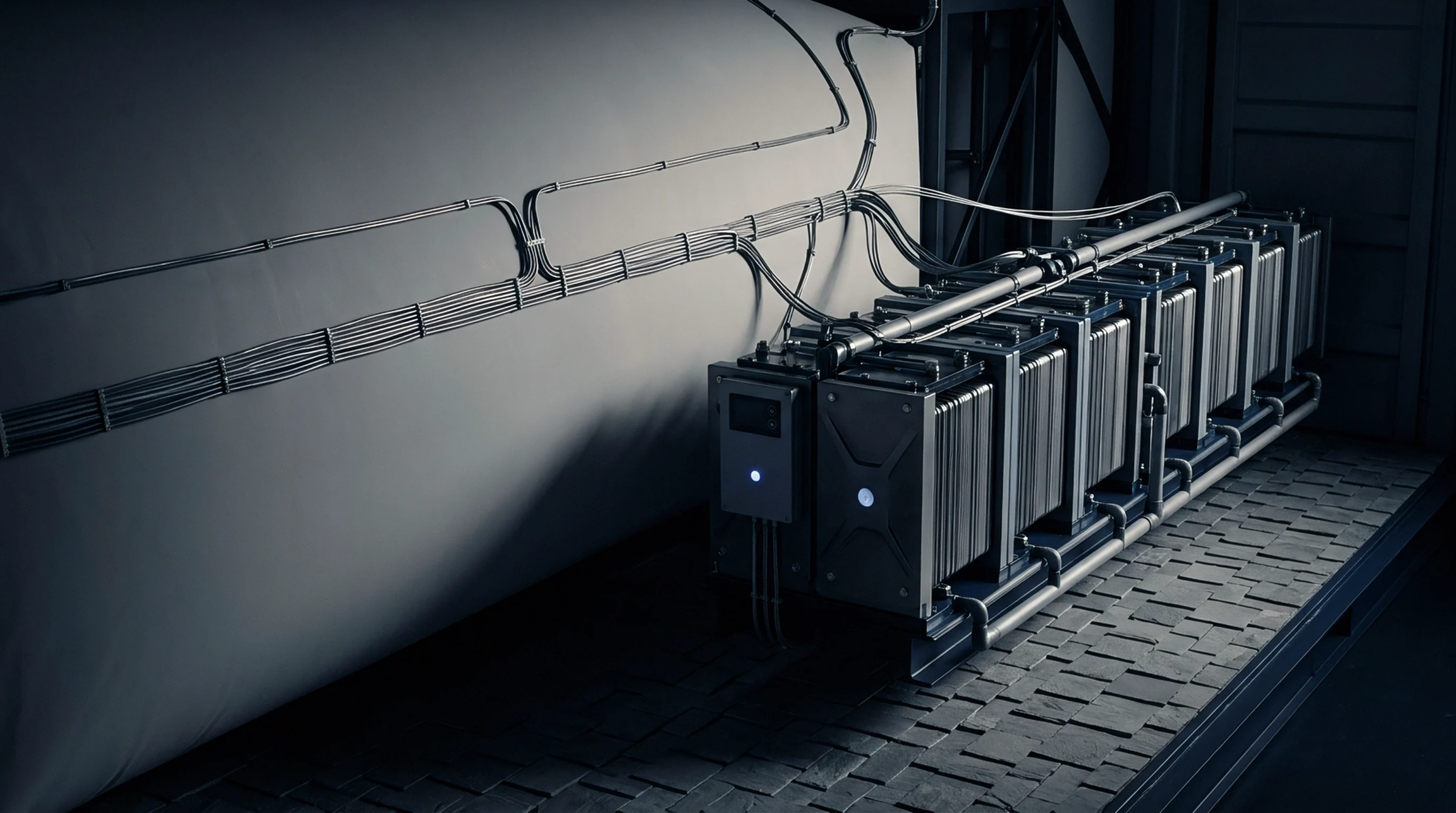
Low temperature storage freezes phase boundary migration in commercial cells, producing artificial capacity loss that resolves through controlled thermal dwell.

Closed pore volume dictates hard carbon plateau capacity, but high desolvation energy at narrow pore mouths triggers sodium plating under fast charging.
Low-temperature sodium charging in biomass carbon anodes requires tuning d002 spacing above 0.37 nm and using ether solvents to prevent plating overpotentials.

Bio-derived hard carbons enable direct sub-zero charging down to -30°C by lowering desolvation energy and preventing dangerous anode surface metal plating.
Thermal annealing between 1300°C and 1400°C heals vacancies, closes nanopores, and maximizes low-voltage plateau capacity to yield over 88% initial efficiency.
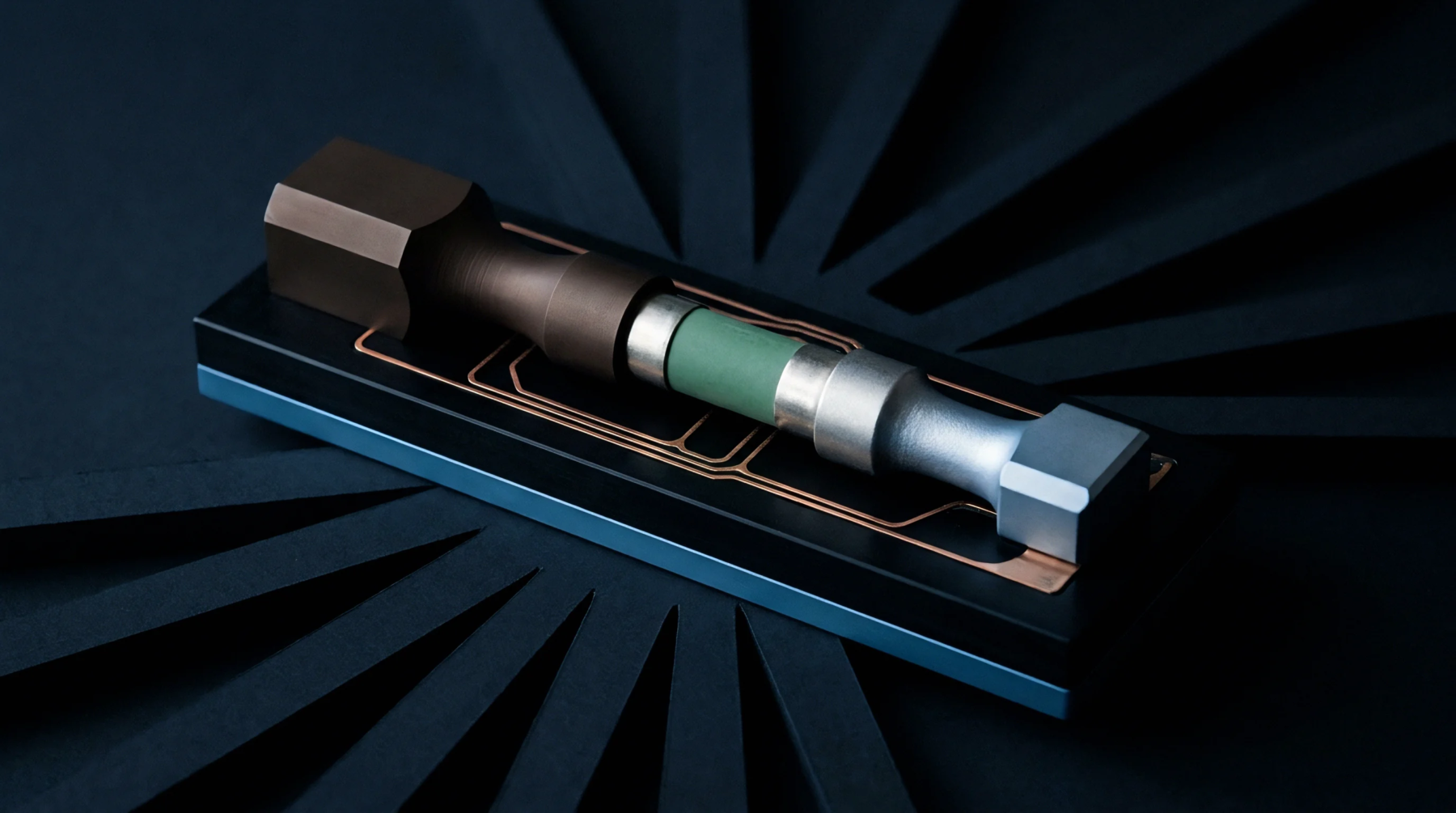
Hard carbon selection requires balancing closed pore volume against open surface area to maximize initial coulombic efficiency and low-voltage plateau capacity.

Ceramic-shielded reference wires resist dynamic compression when shear-buffered, but micro-cracking and impedance growth require continuous drift calibration.
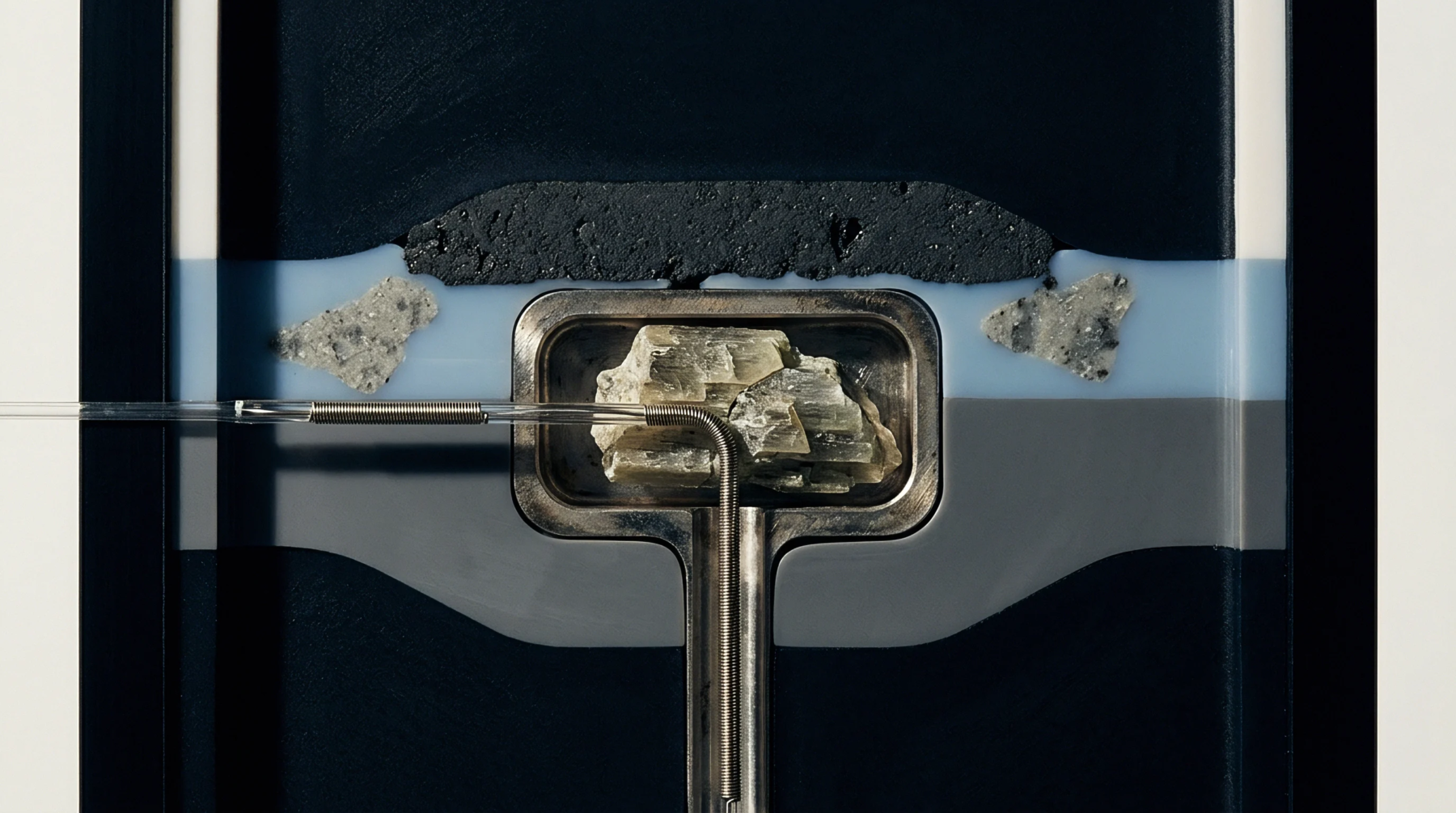
Tracking dual-phase cathode current divergence under thermal gradients protects cells from localized overcharge and premature capacity rejection.
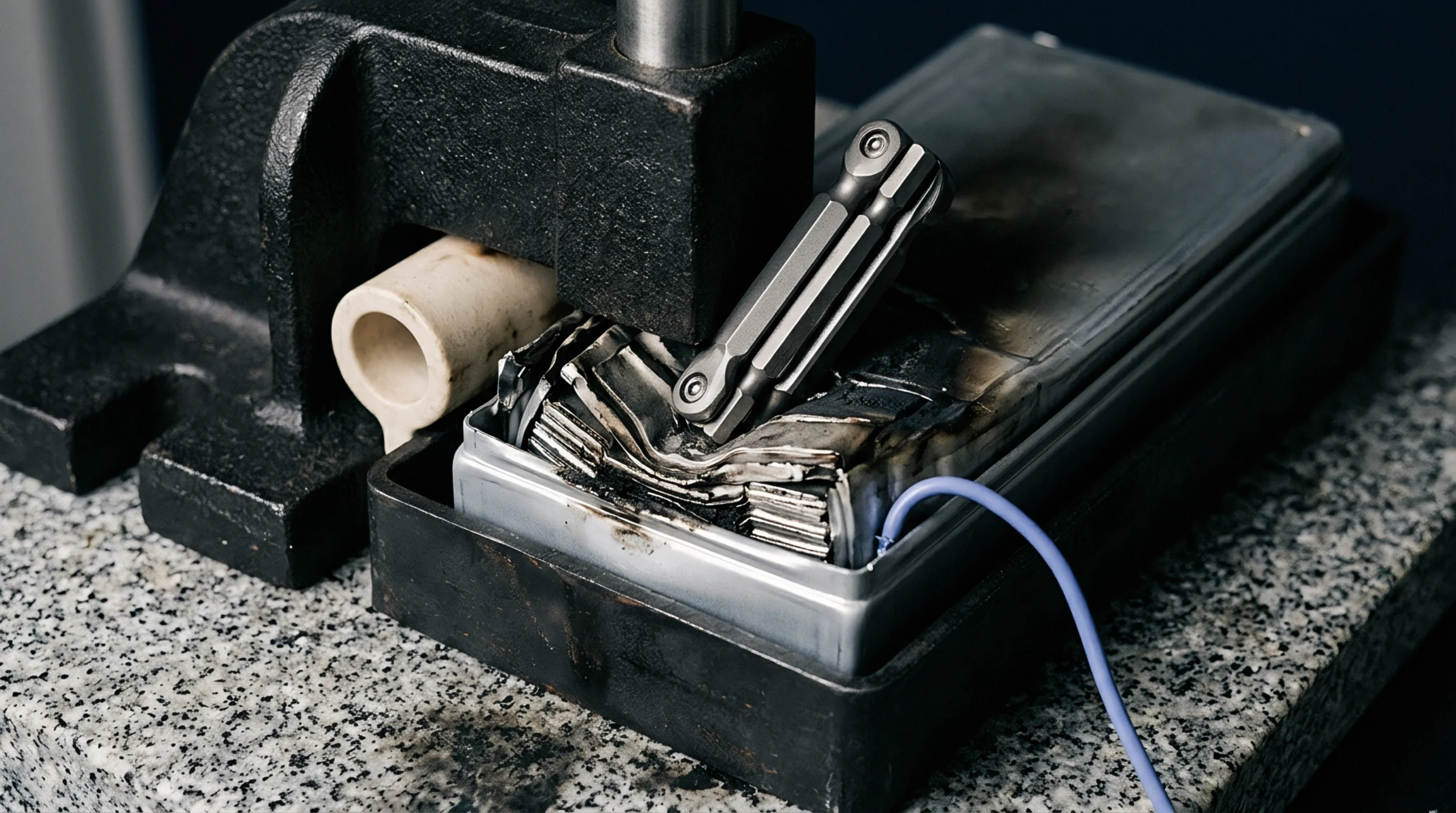
Anode overpotential monitoring decouples half-cell polarization to track the zero-volt lithium plating threshold during sub-zero fast charging.
Expertise is a utility, not a secret. sentiention™ publishes its working knowledge as open reference: intelligence layer covering the materials it sources, the markets it enters, and the reference that serves both.