
Iron Dissolution Pathways in Lithiated Cathode Formulations under Thermal Storage
Thermal storage above 45°C drives hydrofluoric acid attack on lithiated iron cathodes, causing iron dissolution and anode SEI degradation.
Thermal storage above 45°C drives hydrofluoric acid attack on lithiated iron cathodes, causing iron dissolution and anode SEI degradation.

Reversible lithium stripping under cold operation requires voltage relaxation or dQ/dV diagnostic tracking to adjust BMS derating and protect cycle life.

Subzero charging forces graphite anode potential below zero volts against lithium, driving metallic plating over intercalation and causing rapid battery capacity loss.
Subzero fast charging induces metallic lithium plating detectable via mid-frequency impedance arc splitting and phase angle drops near zero degrees.

Evaluating subzero cell capacity requires measuring charge transfer resistance and verifying thermal equilibration before accepting supplier datasheet claims.

Nickel dissolution in high-nickel cells causes anode passivation breakdown, accelerating lithium plating and demanding contractual upper cutoff voltage caps.
Contractual impedance guarantees depend on ten-second DC resistance metrics, bridging microstructural interphase degradation models to commercial warranty enforcement.

Combining high-frequency impedance metrics with dQ/dV peak shifting catches early cell resistance variations before cycling degradation becomes visible.

Sacrificial electrolyte additives stabilize high-nickel cathode surface phases by forming inorganic passivation films that inhibit nickel reduction and oxygen gas release.

Data acquisition delay inflates cell transient resistance measurements by capturing double-layer charging decay rather than pure ohmic voltage drops.

Closed loop micro reference sensing measures anode potential directly to eliminate sub-zero lithium plating during fast charging without compromising cell life.

Dynamic tracking of graphite anode potential prevents sub-zero metallic lithium plating by throttling charging current before interfacial overpotentials breach 0V.
Sub-zero charging forces graphite anode potential below zero volts relative to lithium, initiating metallic plating driven by desolvation and diffusion barriers.

Sub-zero battery procurement requires matching electrolyte desolvation limits with strict non-plating charge cutoffs to protect landed cell life and warranties.
Deconvolution isolates activation, ohmic, and diffusion overpotentials, enabling exact boundary setting for fast charging without lithium plating risks.

Surface phase transitions from layered to rock-salt structures drive impedance growth and oxygen release, requiring targeted surface modifications to preserve cycle life.

Local overpotential gradients drive localized anode plating in high-capacity prismatic cells, requiring edge-welded tab designs and precise voltage margins.
Subzero fast charging forces severe SEI fracture and lithium plating, creating internal short risks that invalidate standard UN 38.3 safety credentials.
Controlled initial reductive decomposition forms a dual-layer interphase that blocks electron tunneling while enabling lithium transport and transport compliance.

Controlled mechanical preload pressures between 0.10 and 0.35 MPa prevent electrode delamination while avoiding separator pore creep and particle microcracking.

Dynamic impedance matching and symmetrical busbar resistance prevent destructive circulating currents and accelerated capacity fade in parallel cell strings.

Dynamic fast charging below zero degrees requires real-time overpotential feedback control to prevent lithium plating and maintain safety certification validity.

Sub-zero graphite charging is constrained by desolvation and pore diffusion limits that induce lithium plating when anode potential drops below zero volts.

Subzero charge drives graphite surface potential below 0V vs Li/Li+, causing metallic lithium plating that demands temperature-compensated derating.
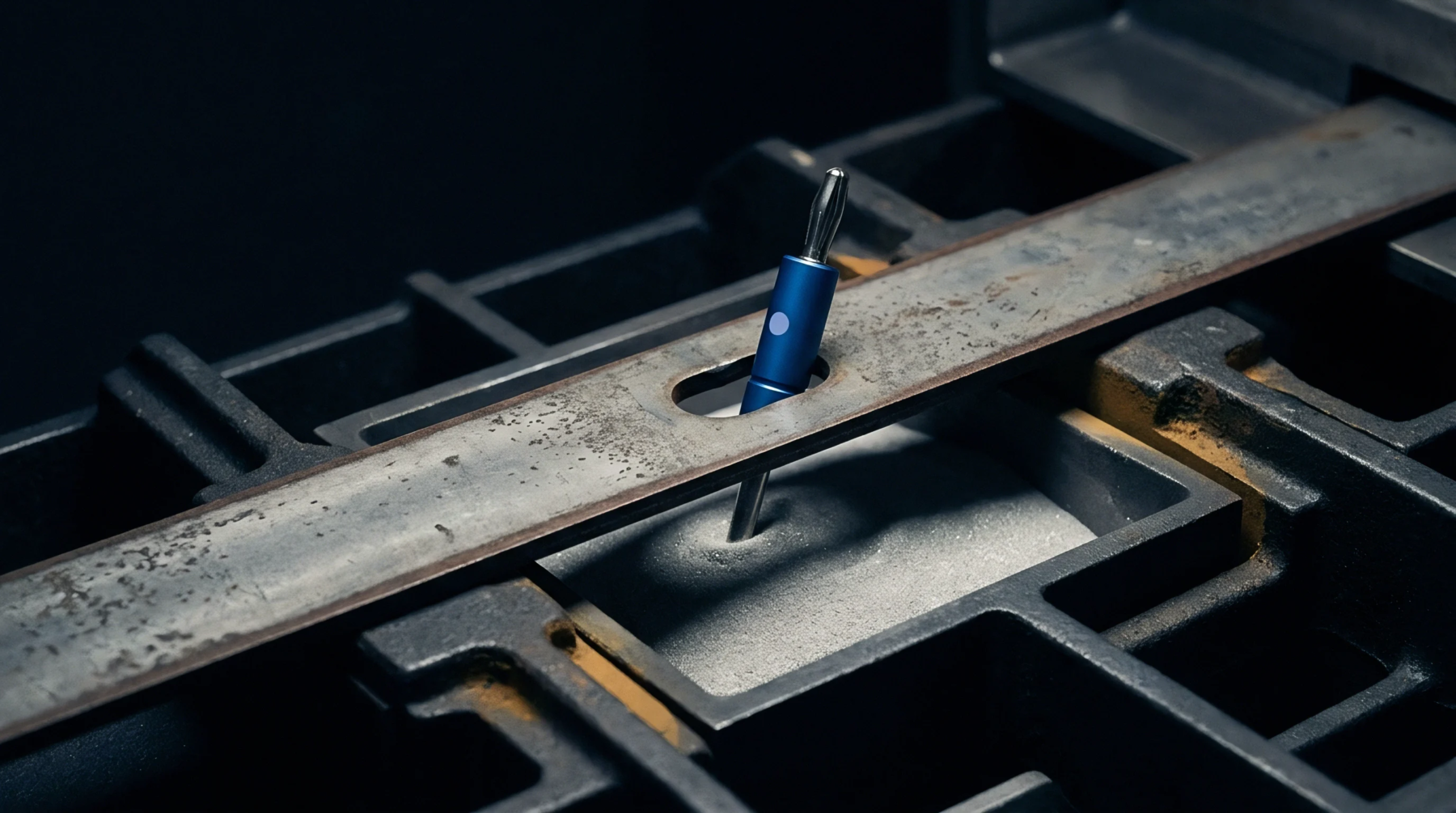
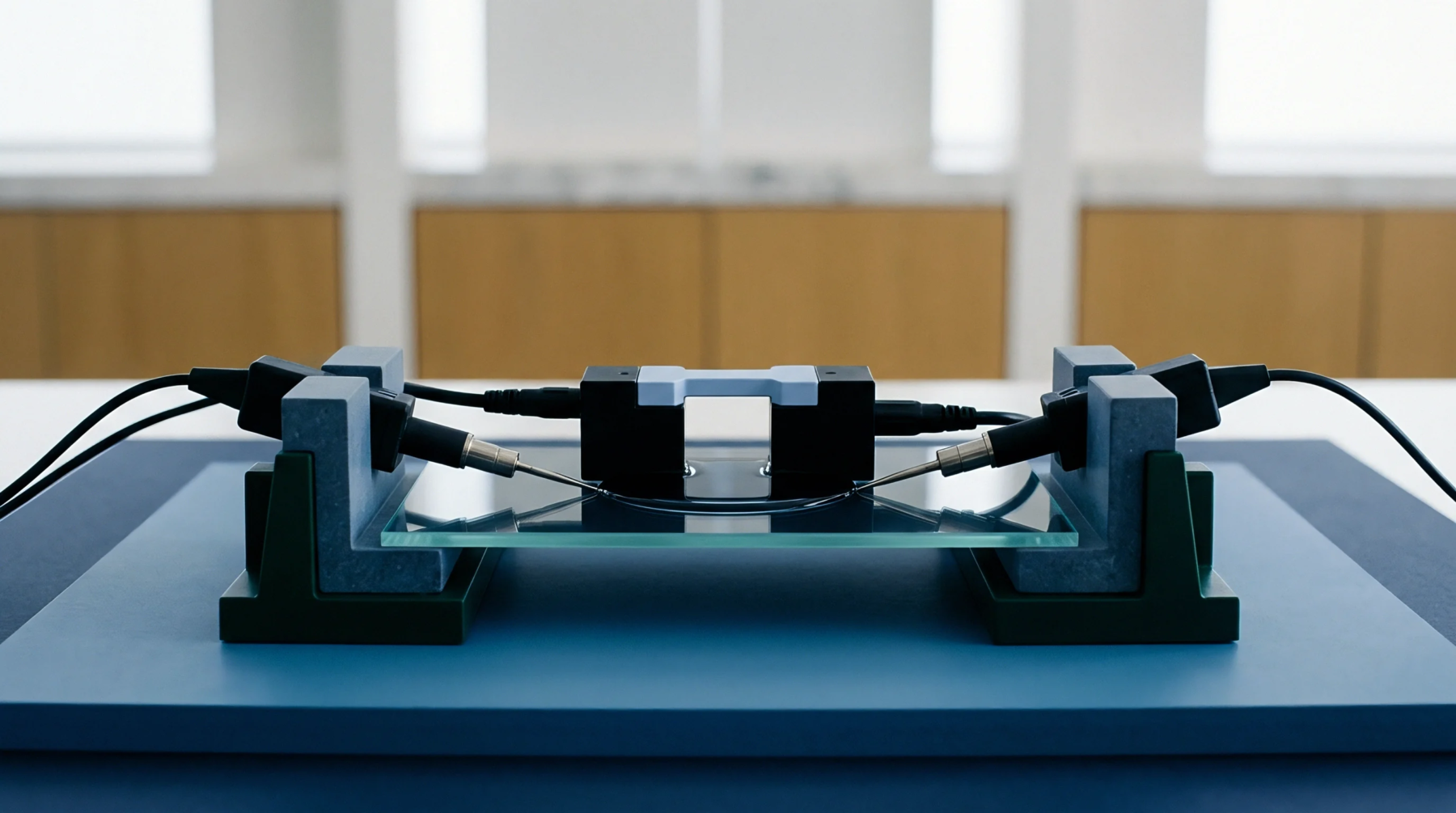
Four-wire Kelvin testing eliminates lead and contact resistance errors, enabling precise micro-ohm battery internal resistance measurement for cell grading.

Electrochemical impedance transmission line modeling isolates micro-structural electrolyte salt depletion under continuous high-C discharge before voltage collapse.
SAXS combined with contrast-matching solvent intrusion isolates closed pore volume loss during calendering to prevent over-compaction and lithium plating.

Standardized cold weather thermal protocols prevent subzero lithium plating by aligning chamber soak times, charge derating, and impedance verification.

High voltage thermal cycling accelerates electrolyte salt depletion and interphase resistance growth, requiring combined spectroscopic and mass transport verification.

Automotive incoming cell acceptance requires four-wire Kelvin 1 kHz AC impedance screening combined with statistical Cpk thresholding at strict thermal equilibrium.
Expertise is a utility, not a secret. sentiention™ publishes its working knowledge as open reference: intelligence layer covering the materials it sources, the markets it enters, and the reference that serves both.