
Winter Charging Limits and the Cost of Ignoring Them
Sub-zero lithium-ion charging without precise current derating triggers irreversible anode plating, driving immediate capacity loss and fire hazards.
Sub-zero lithium-ion charging without precise current derating triggers irreversible anode plating, driving immediate capacity loss and fire hazards.
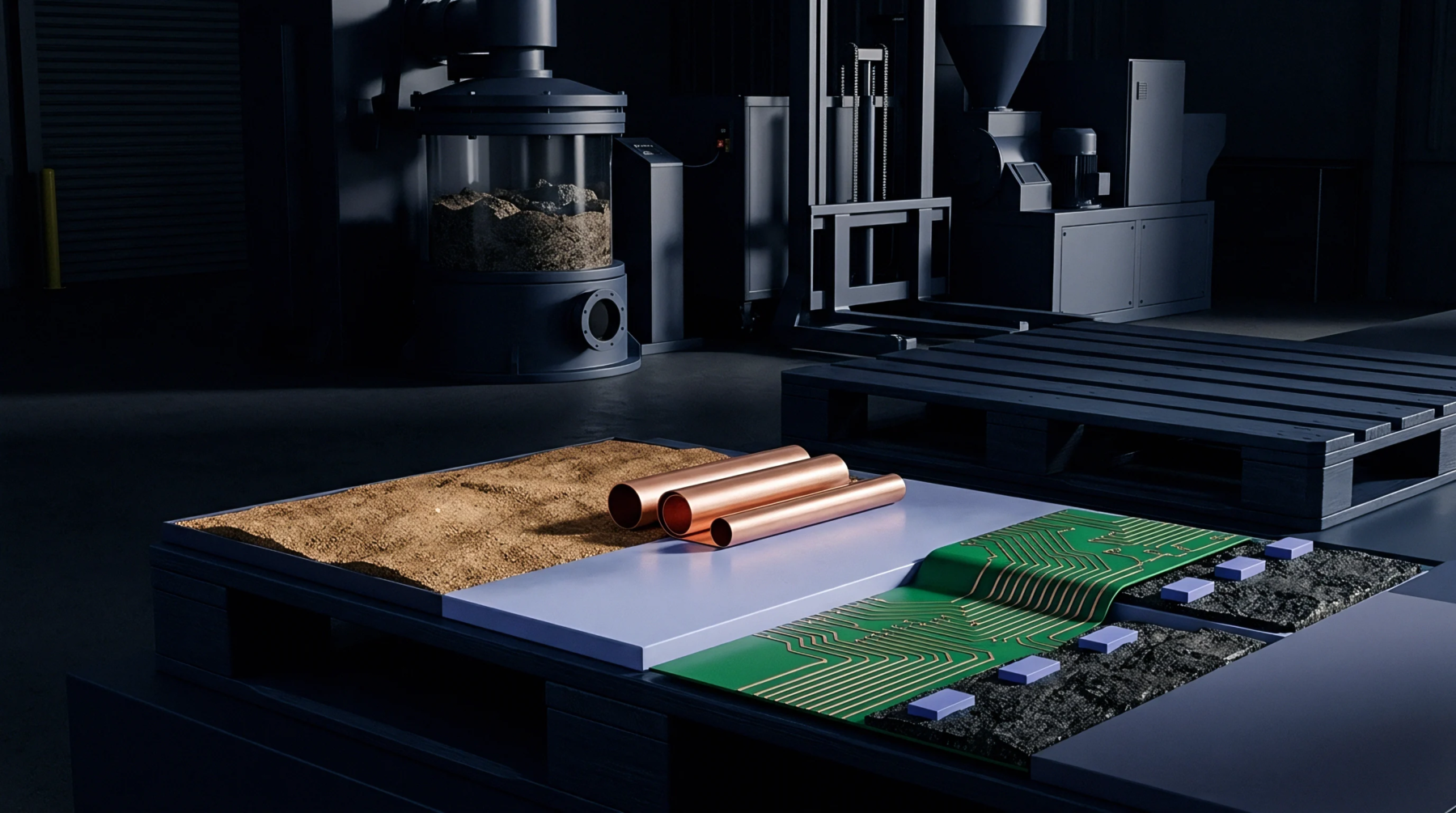
LFP outperforms NMC in non-resting duty cycles by maintaining lattice stability, eliminating continuous microcracking, and cutting cooling costs over 4,000 cycles.

Transporting lithium cells safely obligates buyers to match rigorous electrochemical characterization with enforceable contractual transport riders.

Sub-zero lithium plating occurs when kinetic polarization drives anode surface potential below zero volts against reference lithium, demanding dynamic current derating profiles in cell procurement contracts.
Electrolyte additive depletion accelerates cathode rock-salt phase shifts, raising charge transfer impedance and triggering transport safety failures.
Prismatic LFP degradation stems primarily from loss of active lithium to anode SEI growth, accelerated by high state-of-charge storage and stack pressure.
Quantifying capacity knee initiation requires tracking differential voltage peak shifts and post-charge relaxation kinetics under combined dynamic stresses.

Sub-zero fast charging shifts anode kinetics from intercalation to metallic plating; controlling overpotential via pre-heating or step-down profiles prevents rapid cell failure.

High nickel cathode calendar aging stems from surface oxide reduction and parasitic electrolyte oxidation, requiring strict SOC derating below forty percent.

Sub-zero graphite lithiation causes anode potential drops below 0V vs Li/Li+, triggering metallic lithium plating that demands temperature-dependent BMS current limits.
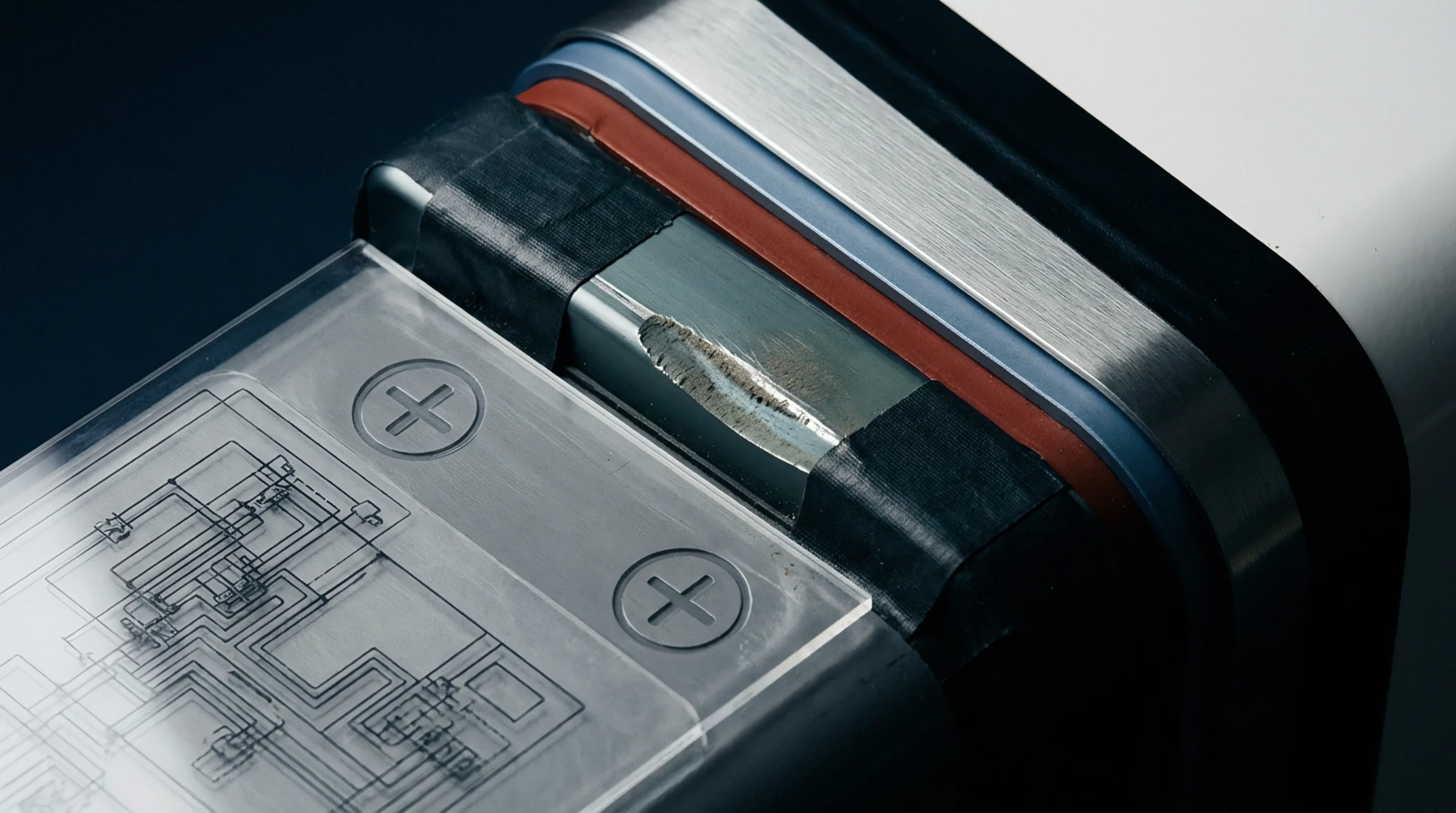
Thermal pyrolysis tuning and defect passivation reduce volumetric lattice strain while maximizing initial coulombic efficiency in hard carbon anodes.

Early impedance growth exposes internal battery interphase degradation long before standard capacity tests reveal physical performance loss.

Sub-zero fast charging shifts anode overpotential negative, forming non-reversible plated lithium that degrades cell capacity and demands strict BMS thermal thresholds.
High temperature storage accelerates iron dissolution and anode migration in prismatic cells, causing self-discharge, SEI breakdown, and irreversible capacity loss.
Sub-zero charging forces graphite overpotential past zero volts, causing lithium plating that demands dynamic BMS C-rate derating to prevent rapid battery fade.

Direct anode potential tracking prevents sub-zero lithium plating by dynamically modulating charge current to hold graphite surface potential above zero volts vs Li/Li+.

Anode potential suppression below zero volts triggers irreversible lithium plating during sub-zero fast charging, requiring closed-loop potential control.
LFP cell voltage relaxation spans milliseconds to weeks, requiring structured rest periods to separate kinetic polarization from factory K-value self-discharge.

Early lithium cell resistance rise stems from passive layer growth and cathode microcracking, shifting procurement risk to initial DCIR specifications.

LFP capacity fade originates from lithium inventory loss at the anode interface, requiring strict dockside screening and precise SOC calculation for freight compliance.

Subzero fleet battery warranties require high-frequency edge telemetry capturing transient overpotentials to defend claims against lithium plating denial excuses.
High-voltage operation accelerates cathode surface reconstruction and transition metal dissolution, demanding operando impedance testing and warranty risk controls.

LFP OCV relaxation requires multi-hour decay modeling and hysteresis tracking to prevent large SOC estimation errors across the flat voltage plateau.
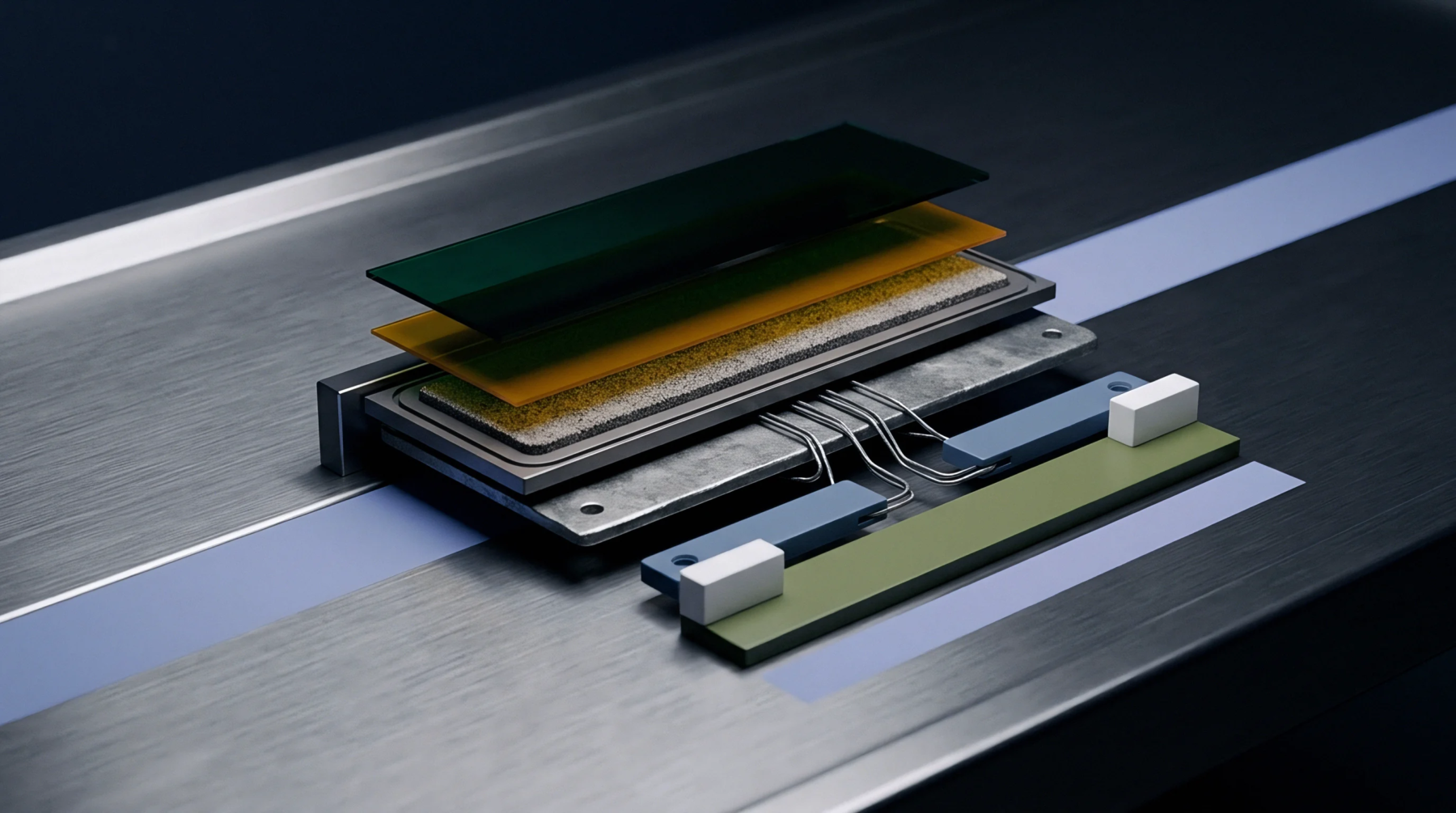
Variable thermal boundary layers create local cell temperature spreads that accelerate solid electrolyte interphase growth and void supplier warranties.

High-nickel cell passivation growth follows diffusion-limited kinetics driven by cathode lattice oxygen loss and transition metal dissolution cross-talk.

Low temperature battery testing requires rigorous cold soak protocols, four-wire Kelvin sensing, and impedance analysis to ground supplier performance claims.
Sub-zero battery charging induces severe kinetic overpotentials, forcing metallic lithium plating over intercalation and demanding strict thermal step-down controls.

Recycled precursor microstrain drives severe intergranular cathode cracking, requiring XRD strain screening below 0.08 percent to prevent early cell failure.

Sub-zero fast charging accelerates graphite anode overpotential past 0 V vs Li/Li+, triggering metallic lithium plating that demands active pre-heating.

Operando three-electrode metrology isolates desolvation energy barriers from charge transfer kinetics, defining true lithium plating overpotential limits.
Expertise is a utility, not a secret. sentiention™ publishes its working knowledge as open reference: intelligence layer covering the materials it sources, the markets it enters, and the reference that serves both.