
Galvanostatic Relaxation Protocols for Mass Transport Separation in Prismatic Batteries
Galvanostatic relaxation protocols decouple ohmic, interfacial, and transport overpotentials in prismatic cells to identify electrolyte starvation.
Galvanostatic relaxation protocols decouple ohmic, interfacial, and transport overpotentials in prismatic cells to identify electrolyte starvation.

Aged solid-state cells undergo severe interfacial contact loss and kinetic resistance growth at subzero temperatures, collapsing closed-loop tracking.
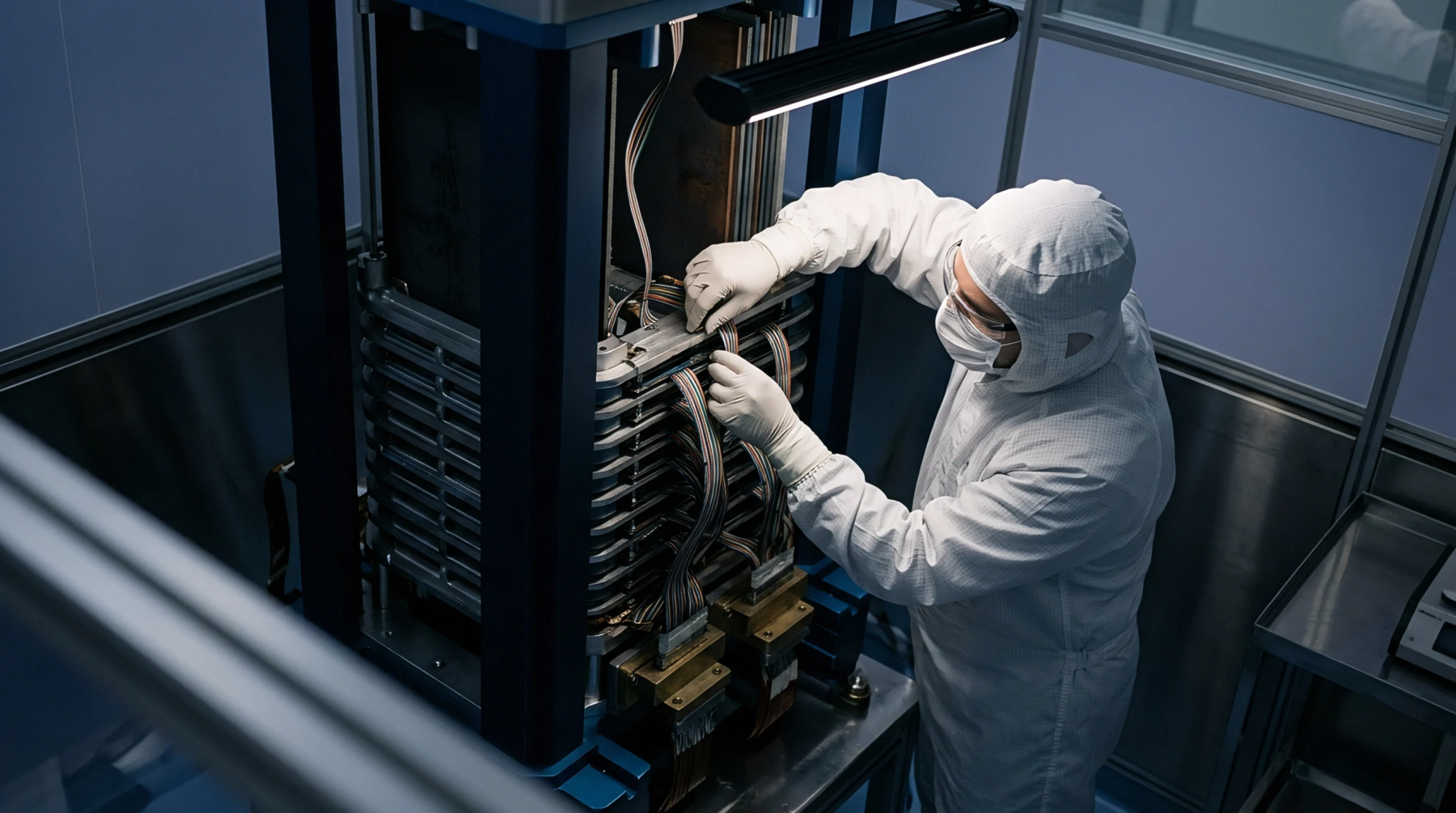
True cell internal resistance splits into ohmic, charge-transfer, and diffusion parts; 1 kHz ACIR measures only ohmic paths, masking real polarization.
Cathode cracking and lithium trapping separate through relaxation voltage plateaus, acoustic emission bursts, and differential voltage inventory shifts.
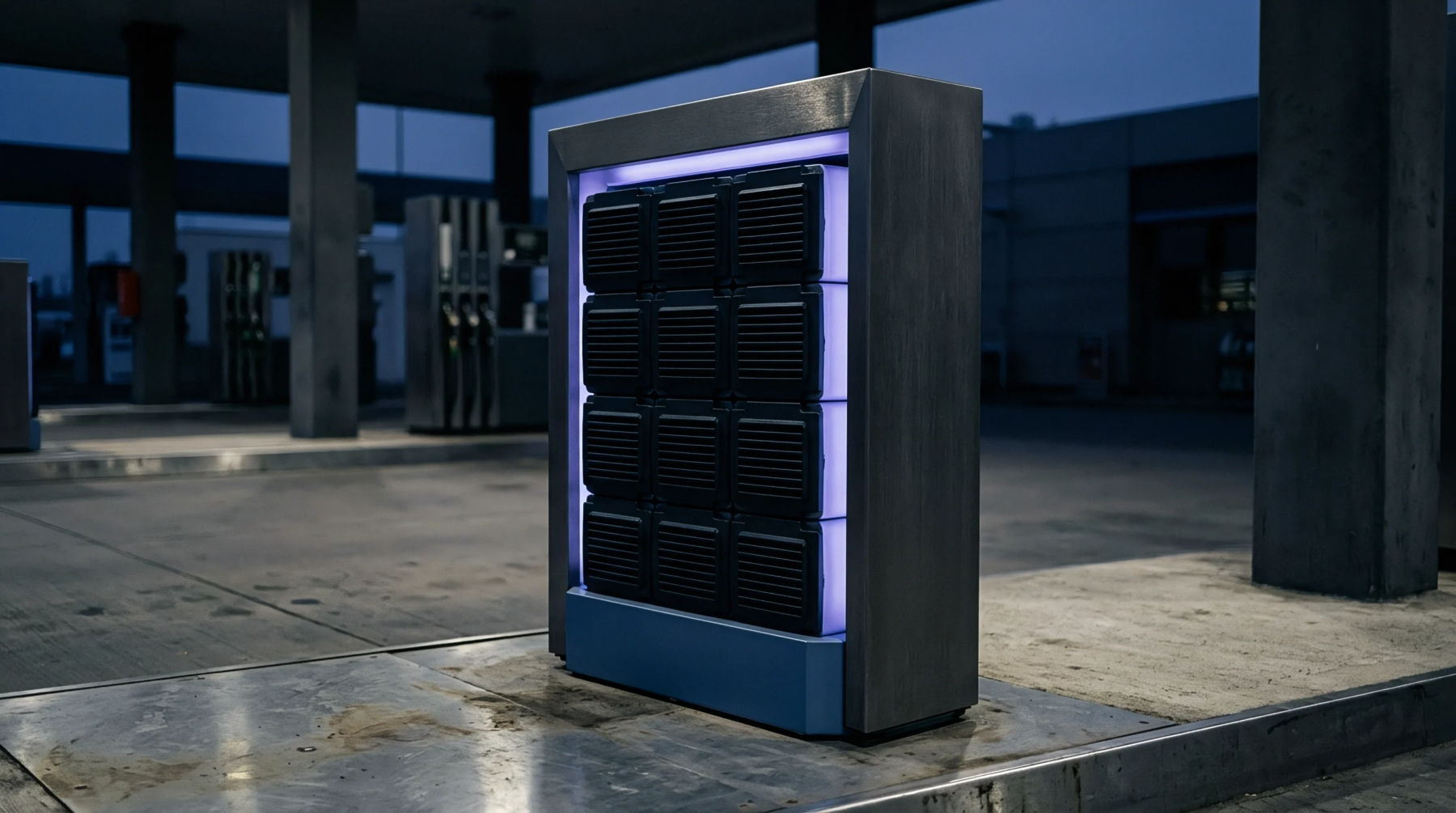
Low temperature charging triggers metallic lithium plating when anode polarization drops below zero volts, requiring strict thermal pre-heating or rate derating.

Post-charge thermal rest accelerates subsurface lithium re-intercalation, eliminating sub-zero plating impedance and restoring cold-weather cycle life.
Cryogenic charging limits stem from desolvation kinetics and anode strain, demanding operando dilatometry to prevent catastrophic plating delamination.

Pegging batch release to sub-zero direct current resistance limits insulates battery buyers from cold-weather derating penalties and field warranty exposure.

Charging cold graphite cells below zero volts versus lithium drives metallic dendrite plating that permanently degrades capacity and raises runaway hazards.

Asymmetric pack cooling generates local overpotentials and microstructural stresses that drive localized lithium plating during high rate fast charging.
Voltage relaxation plateau tracking identifies metallic lithium stripping, separating reversible plating from chemical solid electrolyte consumption.

Combining 1 kHz AC ohmic offsets with 100-millisecond DC step pulses resolves charge transfer resistance without compromising high-throughput triage line speed.
Applied stack pressure of 0.5 to 1.2 MPa suppresses anode overpotential loss, raising fast-charge lithium plating thresholds without crushing separator pores.

Subzero fast charging accelerates SEI growth and irreversible plating via elevated desolvation resistance, demanding pre-heating or multi-stage current tapering.

Sub-zero high-rate charging forces graphite anode potential below zero volts, causing irreversible metallic lithium plating and premature thermal runaway.

AC 1 kHz checks catch weld defects, while DC pulse tests quantify true polarization thermal loads essential for cell grading and pack warranty validation.

Interfacial compressive stress in silicon anodes elevates charge transfer overpotential and drives SEI rupture, requiring 0.3-0.8 MPa pack constraint.

Cross-plane thermal gradients drive localized overpotential spikes that trigger premature lithium plating, uneven passivation thickness, and warranty-killing fade.

Thermal gradients across parallel solid-state cells skew branch impedance exponentially, concentrating high current into warmer cells and triggering local shorts.

Cathode interfacial impedance surges during high-voltage storage through active surface reconstruction, demanding low storage voltage and cold pulse screening.

Surface reconstruction degrades high-nickel cathodes via rock-salt shell growth and oxygen release, requiring strict voltage derating to limit impedance fade.

Entrained organosodium ethers decompose inside hard carbon closed nanopores below 0.1V, consuming active sodium and accelerating long term capacity fade.

Operando analytical methods quantify high-voltage transition metal dissolution, preventing unmitigated anode interphase failure and regulatory shipment rejection.
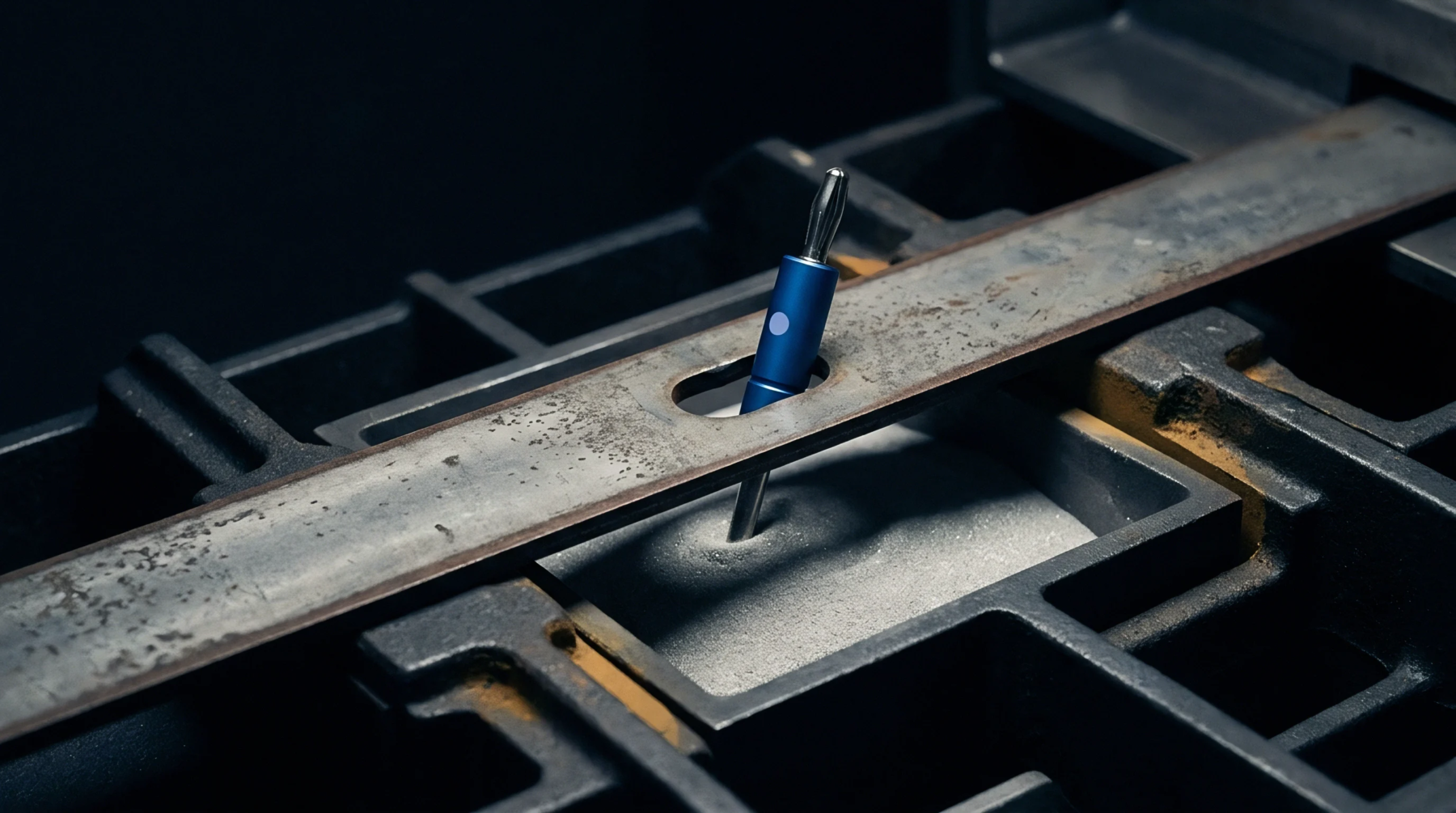
Dynamic temperature compensation and probe wear modeling prevent contact impedance drift from corrupting high-throughput production cell classification.

True cell impedance testing requires dedicated four-point Kelvin paths, inductive loop cancellation, and mechanical scrub to bypass contact resistance.
Sodium accelerates liquid phase sintering causing grain coarsening, while calcium segregates to grain boundaries, retarding densification and increasing cell impedance.

Air transit compliance demands cell state of charge verification below thirty percent using calibrated current integration and relaxation-corrected voltage lookups.

Laser weld micro-defects drive preferential linear carbonate vapor loss under storage and transport pressure deltas, degrading cell life and voiding transit safety files.
Vapor capping with sub-five-nanometer ceramic films stabilizes sodium cell interphases, stopping SEI dissolution and extending cycle life at modest cost.

Unrelaxed concentration overpotentials across the flat lithium iron phosphate voltage plateau corrupt BMS state-of-charge tables unless multi-hour rest holds are enforced.
Expertise is a utility, not a secret. sentiention™ publishes its working knowledge as open reference: intelligence layer covering the materials it sources, the markets it enters, and the reference that serves both.