
High Voltage Cathode Dissolution Mechanics in Lithium Ion Battery Cells
High-voltage cathode dissolution leaches transition metals via acid attack and lattice destabilization, poisoning graphite anodes and forcing premature pack fade.
High-voltage cathode dissolution leaches transition metals via acid attack and lattice destabilization, poisoning graphite anodes and forcing premature pack fade.

Engineering the primary solvation sheath with low-donor fluorinated solvents drops interfacial desolvation energy, preventing cold fast-charging lithium plating.

High-voltage cycling drives anisotropic c-axis lattice collapse in nickel-rich cathodes, propagating microcracks that multiply interfacial impedance.

Deconvolving impedance spectra into relaxation times separates cathode film growth from charge transfer fade to catch high-voltage cell degradation early.
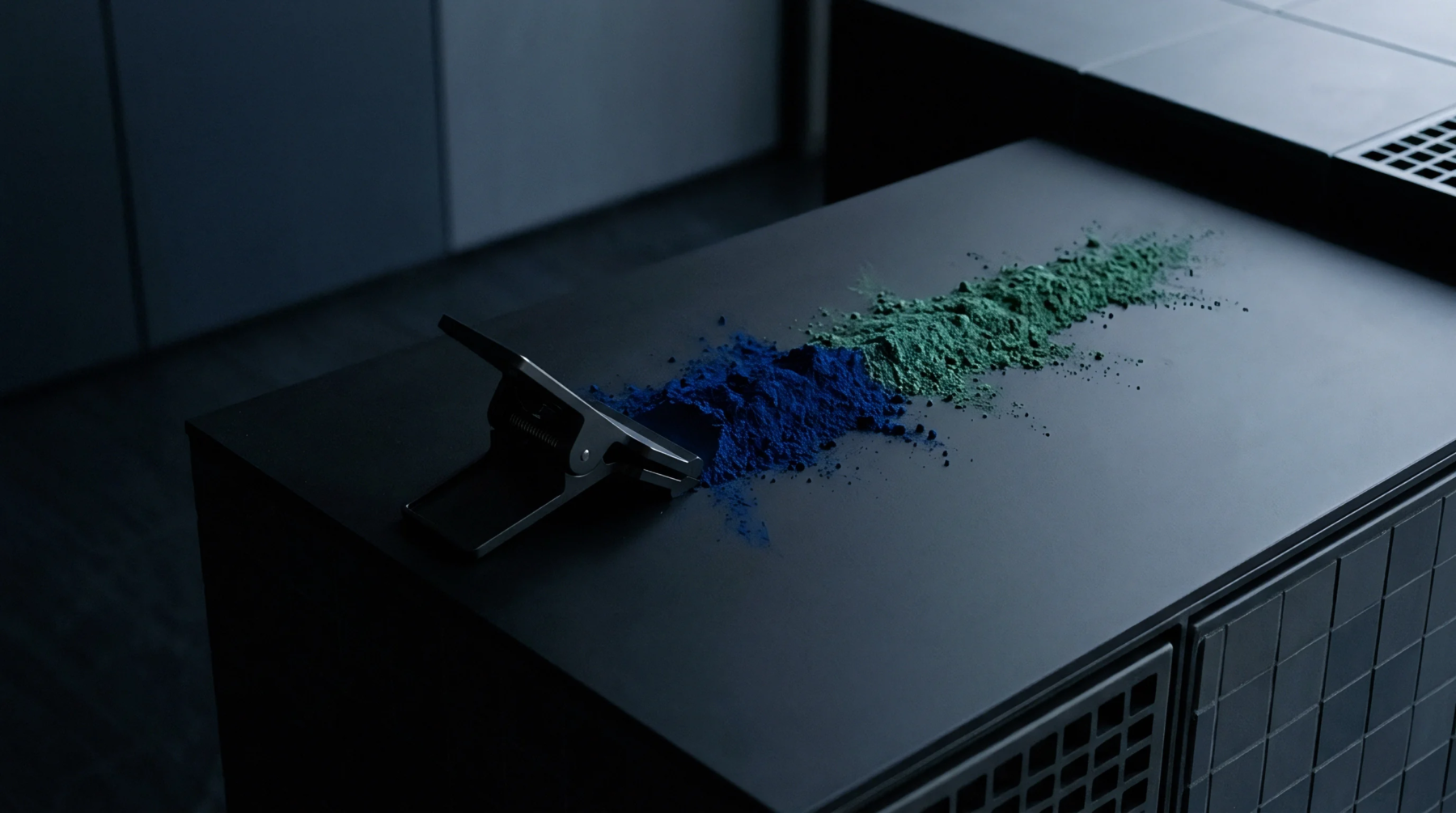
Subzero charging in standard carbonate electrolytes is limited by lithium desolvation activation energy, requiring BMS current derating to prevent plating.

Industrial subzero lithium electrolytes depend on low-viscosity ester co-solvents and LiFSI to bypass desolvation barriers and suppress lithium plating below minus twenty degrees Celsius.
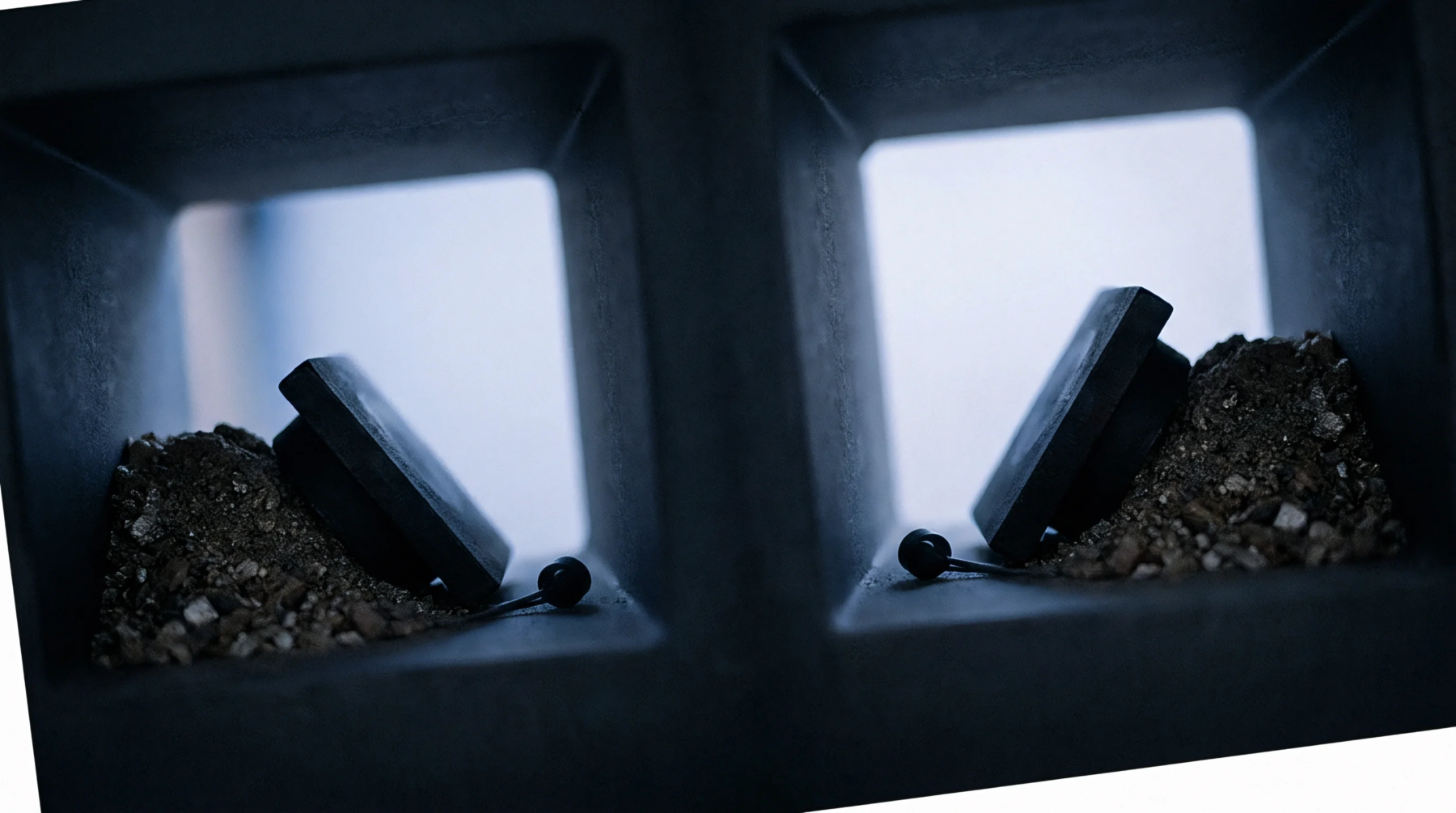
Selecting low-viscosity fluorinated carbonate ester blends prevents lithium plating down to minus forty degrees Celsius while maintaining cell thermal safety.

Cathode interfacial impedance spikes accelerate anode polarization, requiring step-down fast-charge maps to suppress metallic lithium plating below 15°C.

High nickel cathode microcracking stems from anisotropic lattice strain above 4.1V, mitigated by single crystal synthesis or capping upper charge voltages.

Analyzing raw cycle life data curves and differential capacity shifts reveals artificial degradation flattery in supplier cell quality dossiers.

Accelerated thermal cycling and overcharge stress drive exponential interphase growth, increasing cell charge-transfer resistance and thermal runaway risk.

Dynamic thermal gradients invalidate LTI assumptions during fast charging, driving online impedance observer drift and miscalculating lithium plating thresholds.

Dynamic temperature derating and pulse relaxation prevent sub-zero lithium plating caused by silicon lithiation overpotential in large-format battery packs.

Static stack pressures above three megapascals prevent solid-state interfacial voiding during high C-rate stripping at ambient temperatures.

Quantifying structural relaxation decay rates in single crystal high-nickel cathodes defines overpotential decay and surface reconstruction to bound calendar life.
Isolating parasitic heat from phase transition entropy requires subtracting calculated entropic coefficient profiles and overpotential losses from raw isothermal power.

Isothermal microcalorimetry and differential voltage analysis decouple cathodic solvent oxidation from anodic interphase breakdown during elevated thermal storage.

Uncompensated wiring inductance in multi-channel EIS cabinets causes severe phase distortion, skewing low-impedance battery cell parameter extraction.

Sacrificial additives form inorganic-rich interphases that stabilize film resistance and double sodium-ion cell cycle life when additive consumption kinetics are controlled.

Direct three-electrode overpotential measurement prevents lithium plating by establishing dynamic fast-charge current limits above zero volts versus lithium.

Tracking post-charge voltage relaxation at sub-zero temperatures eliminates SOC errors, detects lithium plating, and extends cold-storage battery life.

Extracting in situ voltage relaxation signatures during reefer rest intervals isolates sub-zero impedance growth and lithium plating across mixed cell fleets.

Differential voltage decay isolates the mixed-potential plateau during post-charge rest to quantify stripped versus irreversible plated lithium below freezing.

Subzero solid-state intercalation demands strict charging derating below critical current density thresholds to prevent interfacial voiding and dendrite growth.
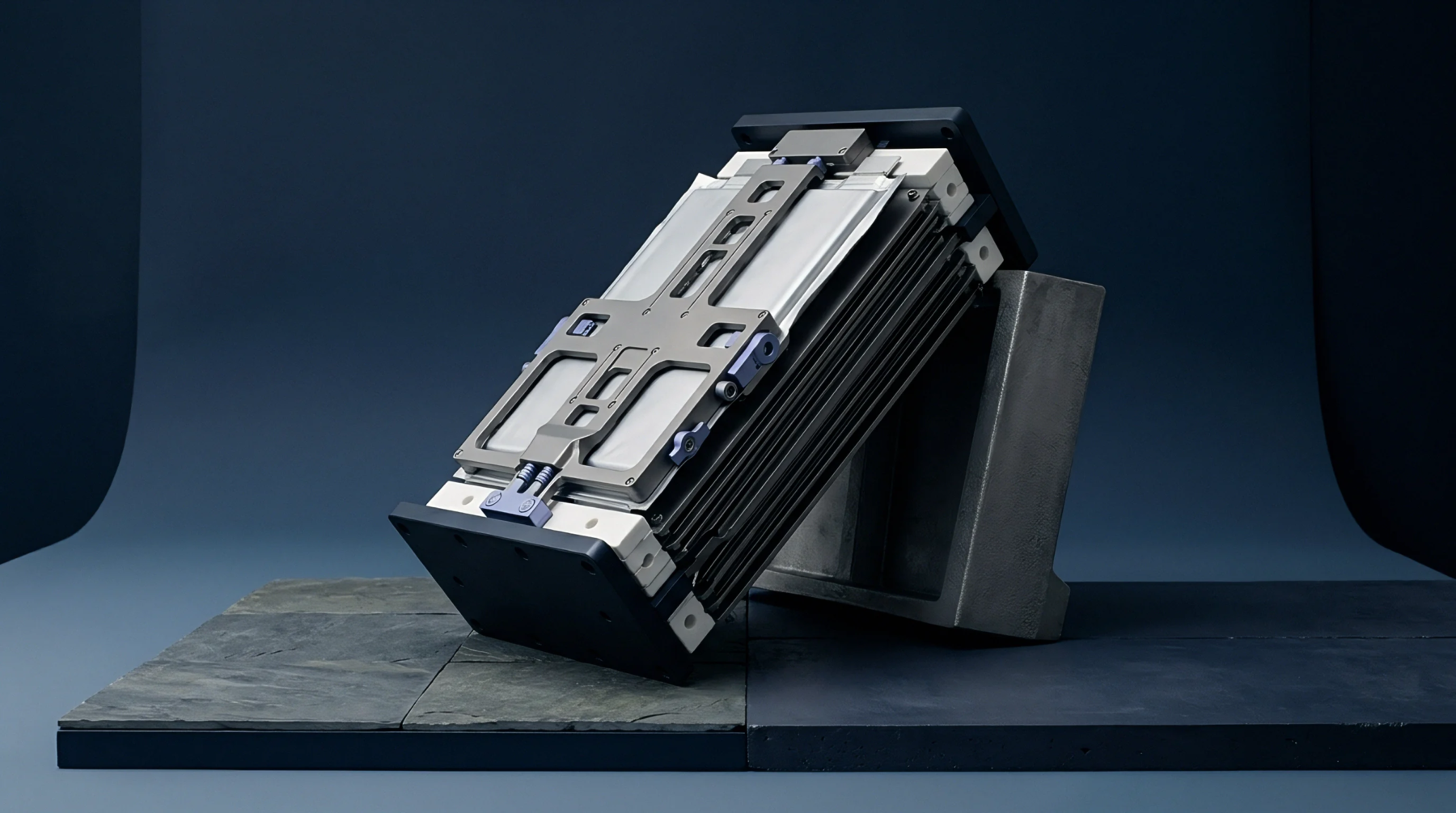
Real-time lithium plating detection under freezing conditions requires in-situ dV/dt stripping plateau analysis and high-frequency impedance telemetry.
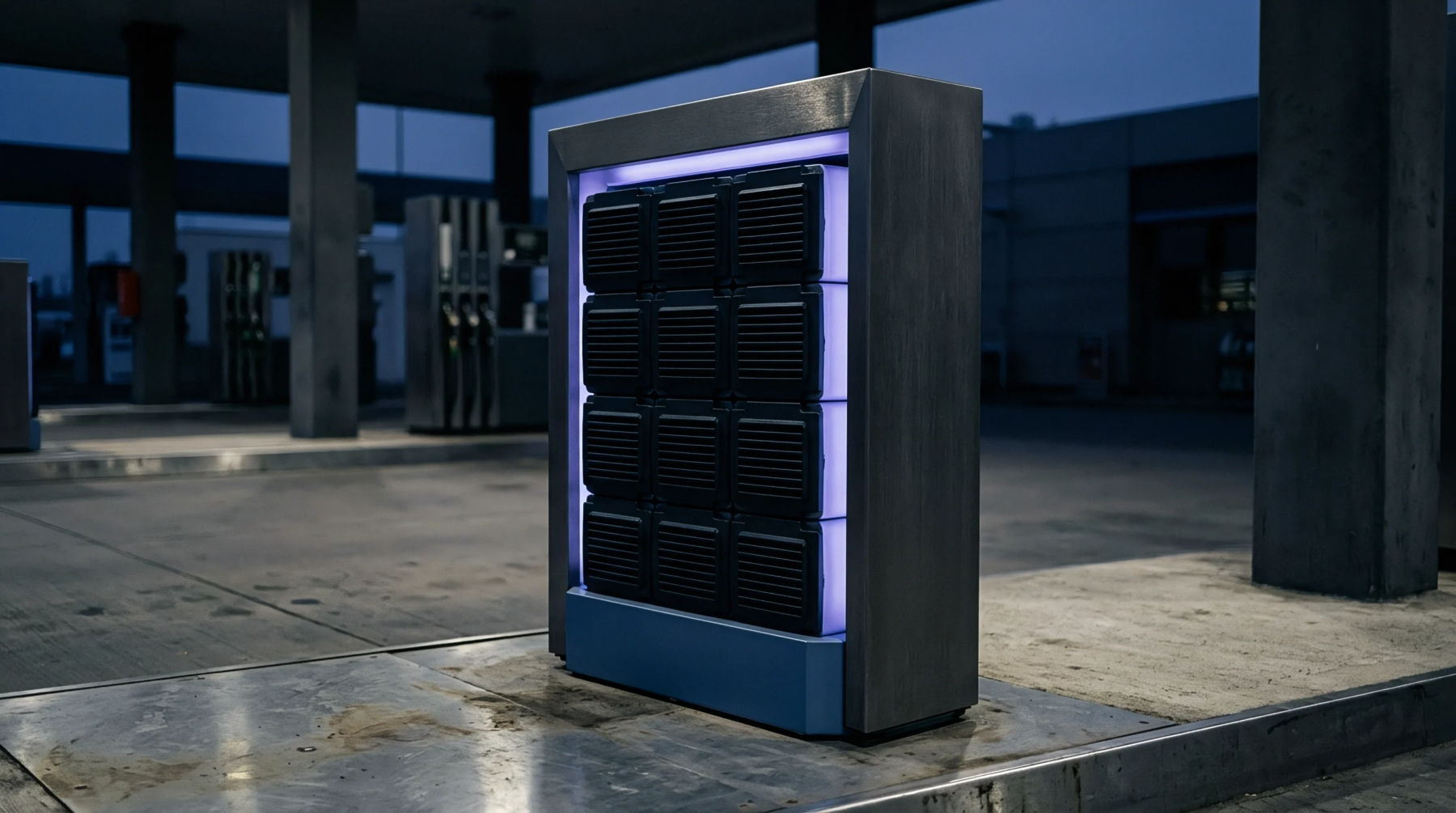
Sub-zero charging requires dynamic current derating below 0.05C at -20C to prevent local anode interface overpotential from crossing zero volts versus Li/Li+.

Sub-zero graphite charging drives anode potential below 0V vs Li/Li+, causing destructive lithium metal plating that voids cell warranties and risks thermal failure.
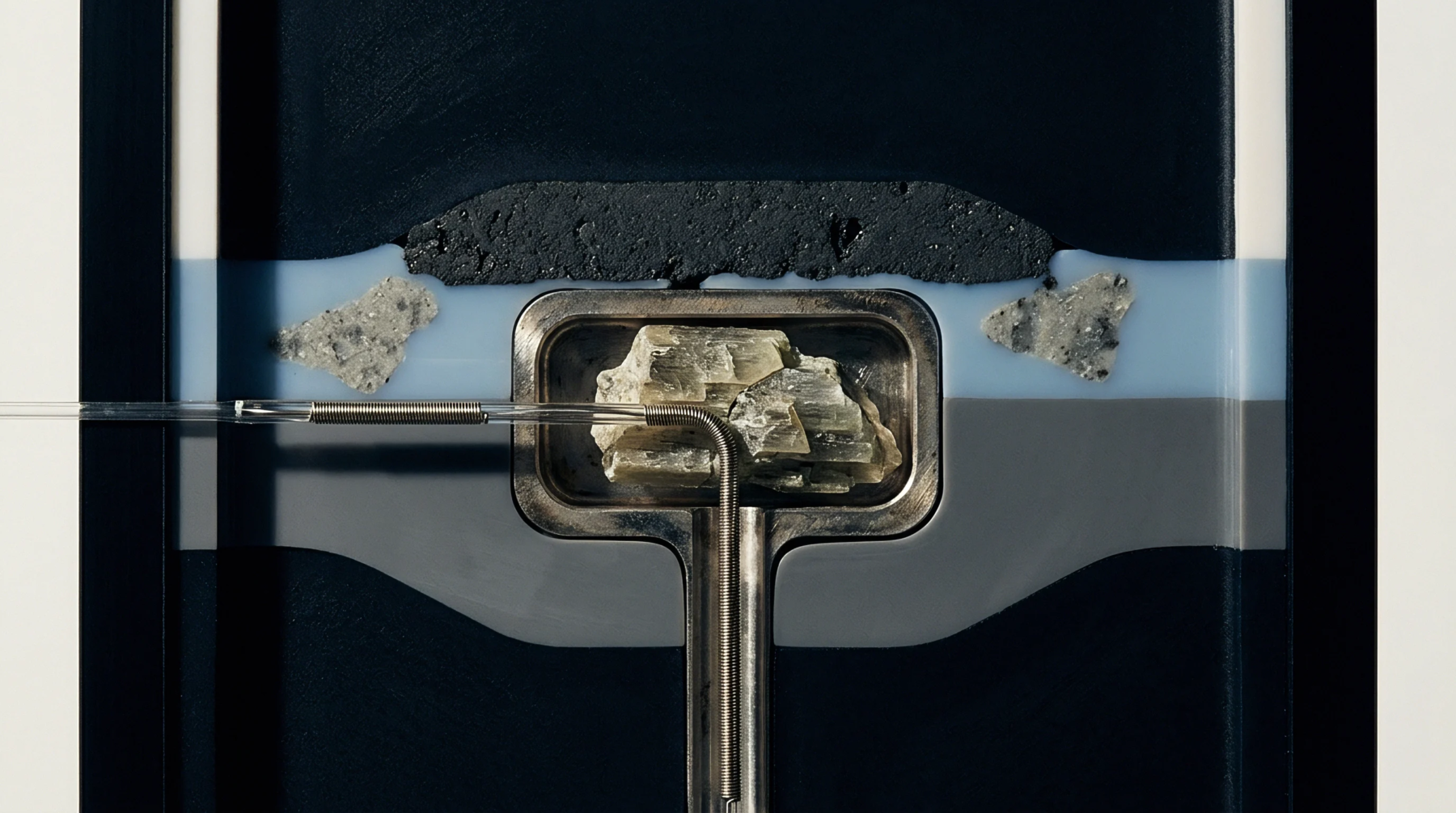
Sub-zero electrolyte design replaces cyclic carbonates with carboxylate esters and LiFSI salt to reduce charge transfer impedance and prevent anode plating.
Low temperature battery capacity retention metrics measure usable energy delivery against thermal impedance growth, cut-off voltage drops, and plating risks.

Stack pressure above 1.0 MPa retards outer SEI cracking in silicon alloy anodes but accelerates lithium plating at high charge rates.
Expertise is a utility, not a secret. sentiention™ publishes its working knowledge as open reference: intelligence layer covering the materials it sources, the markets it enters, and the reference that serves both.