Writing an MSDS That Survives a Customs Inspection
Surviving a customs safety inspection requires exact alignment between Section 3 composition, Section 9 physical properties, and Section 14 transport codes.
Surviving a customs safety inspection requires exact alignment between Section 3 composition, Section 9 physical properties, and Section 14 transport codes.
Rigorous dangerous goods document audits verify UN 38.3 test summaries, safety data sheets, and shipper declarations to prevent costly port delays and cargo holds.
LFP cells resist thermal runaway during transport due to stable olivine crystal structures, whereas NMC chemistries require strict 30 percent state of charge caps to prevent catastrophic thermal breakdown under logistics stress.
Prismatic LFP degradation stems primarily from loss of active lithium to anode SEI growth, accelerated by high state-of-charge storage and stack pressure.
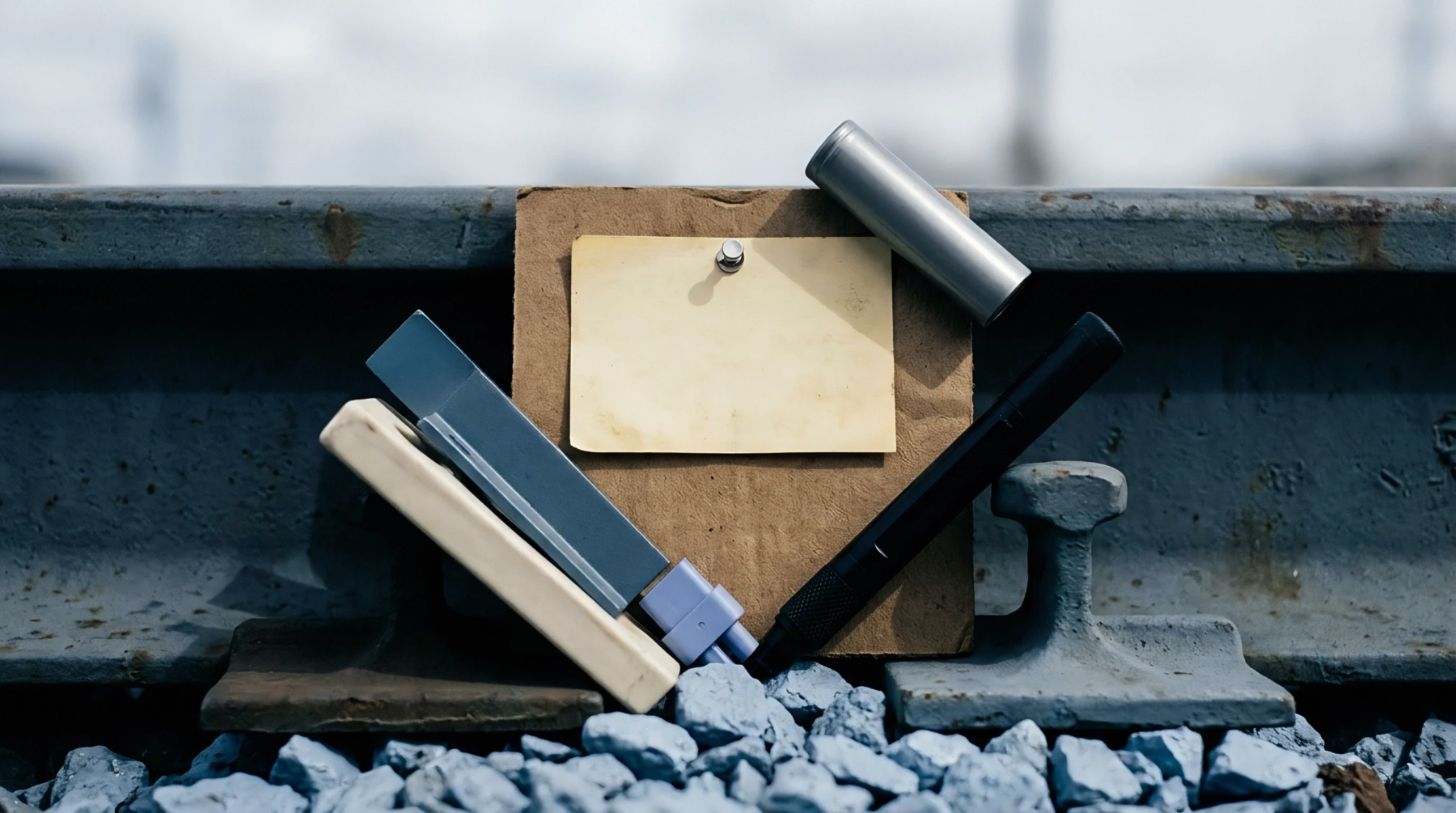
Cross-border cell movement requires an unbroken paper trail linking UN 38.3 lab tests, 30% SOC limits, GHS safety data sheets, and local customs filings.
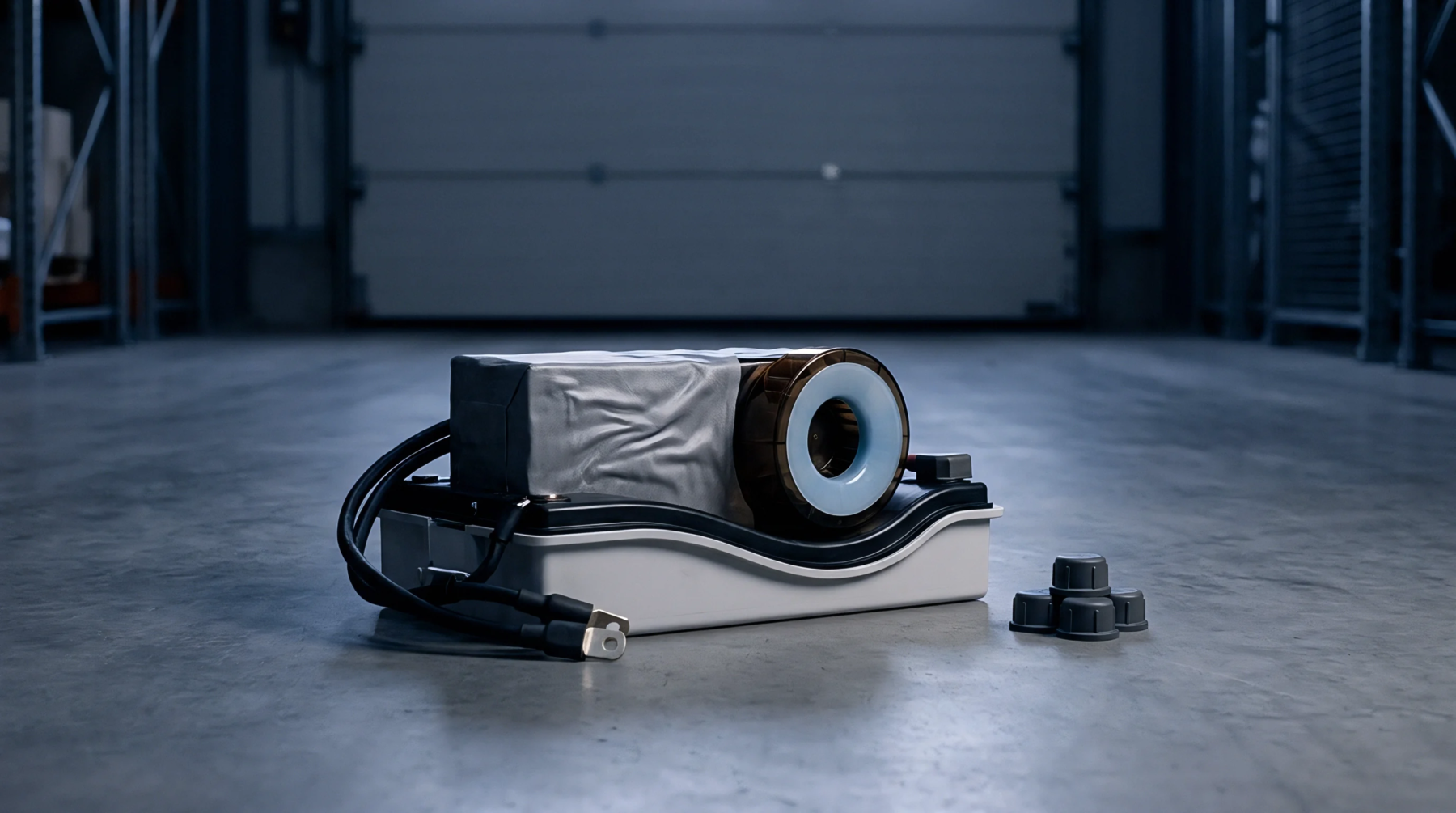
Statutory liabilities for European Union battery storage importers span joint product liability, extended producer responsibility, and customs hold financial risk.

Verify UN 38.3 reports by matching test dates against active ISO 17025 scopes from ILAC MRA national registries before shipping to avoid customs holds.
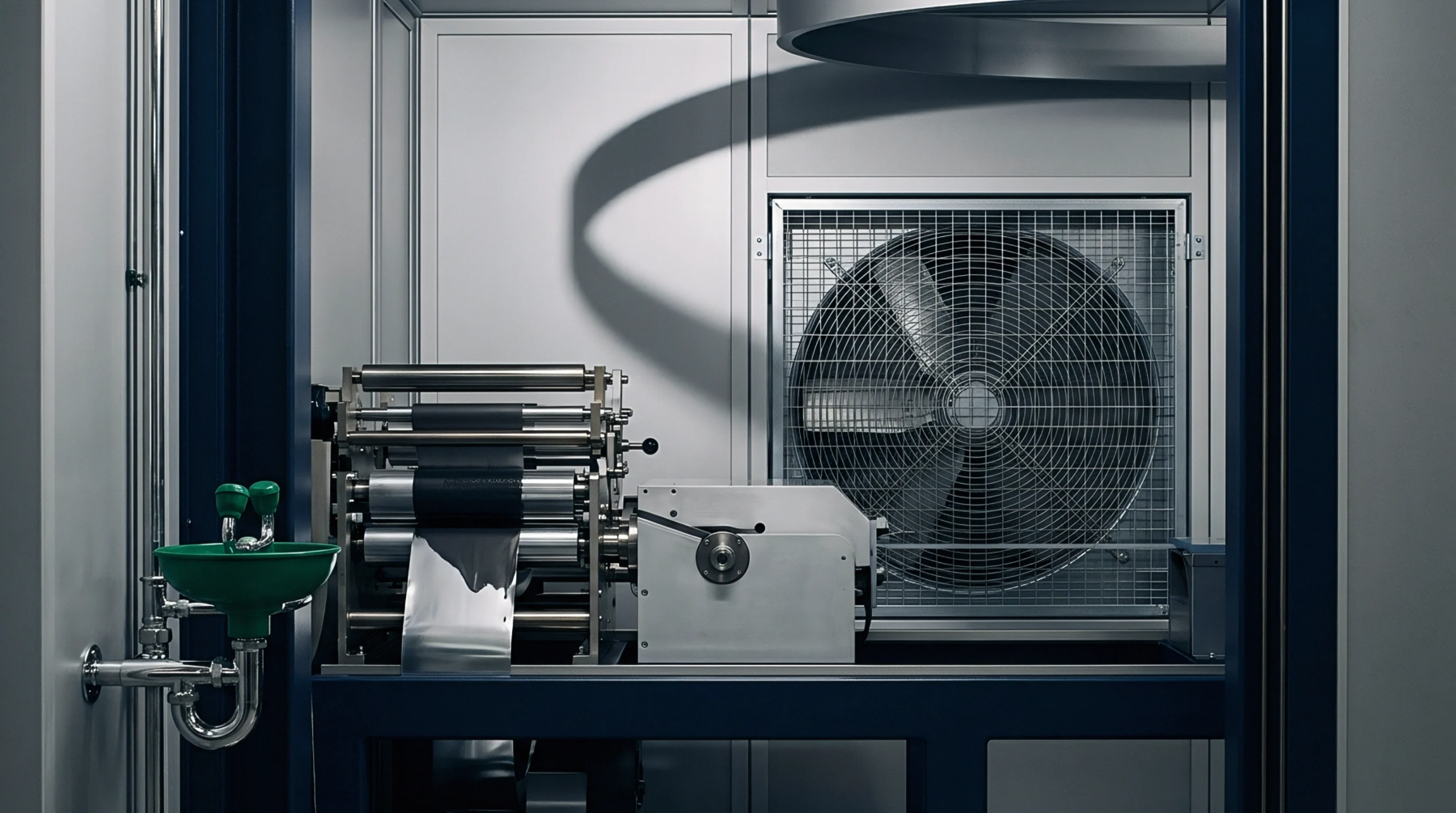
Hazardous goods audit frameworks require verified UN 38.3 test summaries, strict state of charge caps, and compliant packaging to ensure legal transport authorization.
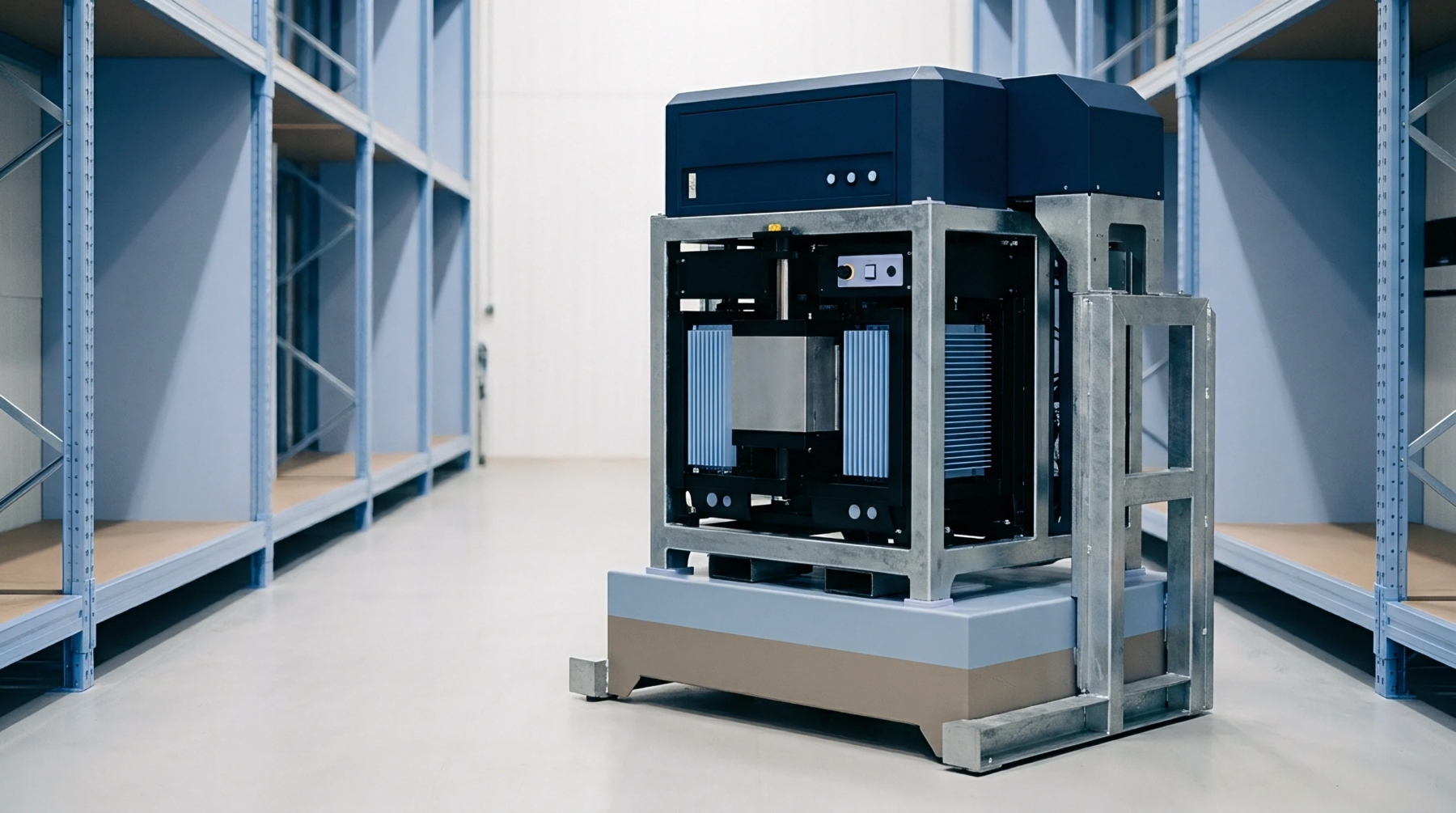
Customs holds on non-compliant cell shipments generate compounding dangerous goods demurrage fees that require enforceable supplier indemnities and payment holdbacks.

Importers of record become statutory producers under EU 2023/1542 upon customs clearance, incurring strict EPR registration, passport, and takeback liabilities.
Cross-border market surveillance enforcement targets domestic importers directly, requiring pre-funded bank guarantees and authenticated safety dossiers for recourse.

Customs clearance for imported cells requires an authenticated UN 38.3.5 test summary, compliant SDS, and validated laboratory scopes to pass border entry audits.

Subcontracted battery test summary defects trigger customs seizures, exposing importers to demurrage and fines solvable only via uncapped indemnities.
Importer producer financial exposure combines customs duty valuation with mandatory recycling guarantees and carbon compliance liabilities under Union directives.
Contractual risk transfer for battery logistics requires strict UN 38.3 documentation covenants, state-of-charge limits, and un-capped seller indemnities.

Lithium cell importation demands strict UN number classification, verified UN 38.3 test summaries, thirty percent state of charge, and compliant packaging.
Customs transit suspends EU carbon passport requirements until economic release, requiring bonded warehouse verification of primary freight carbon data.
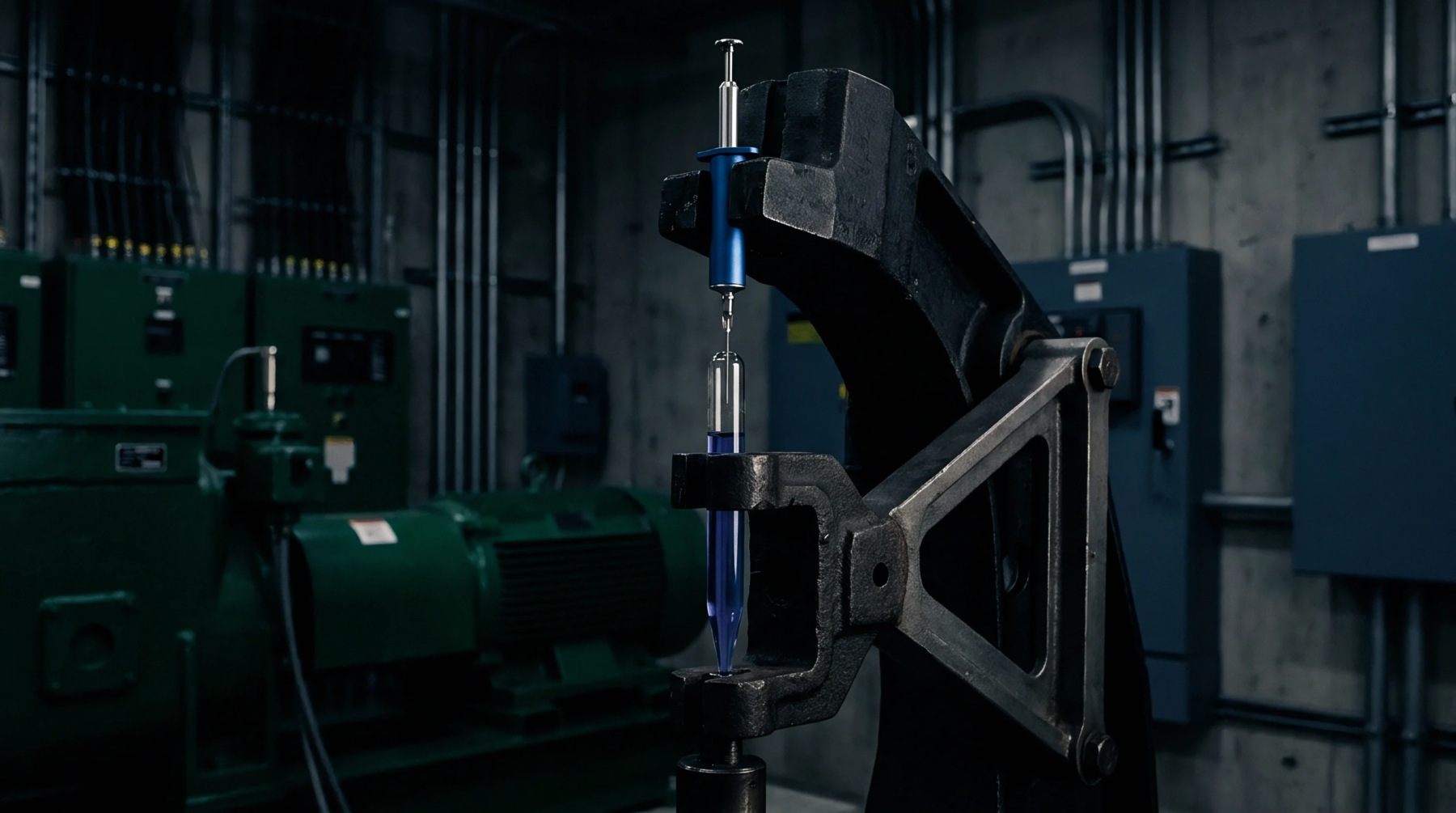
Resolve transborder cell test liabilities by enforcing ILAC-MRA accredited retesting, securing escrow retentions, and substituting compliant dangerous goods dossiers.
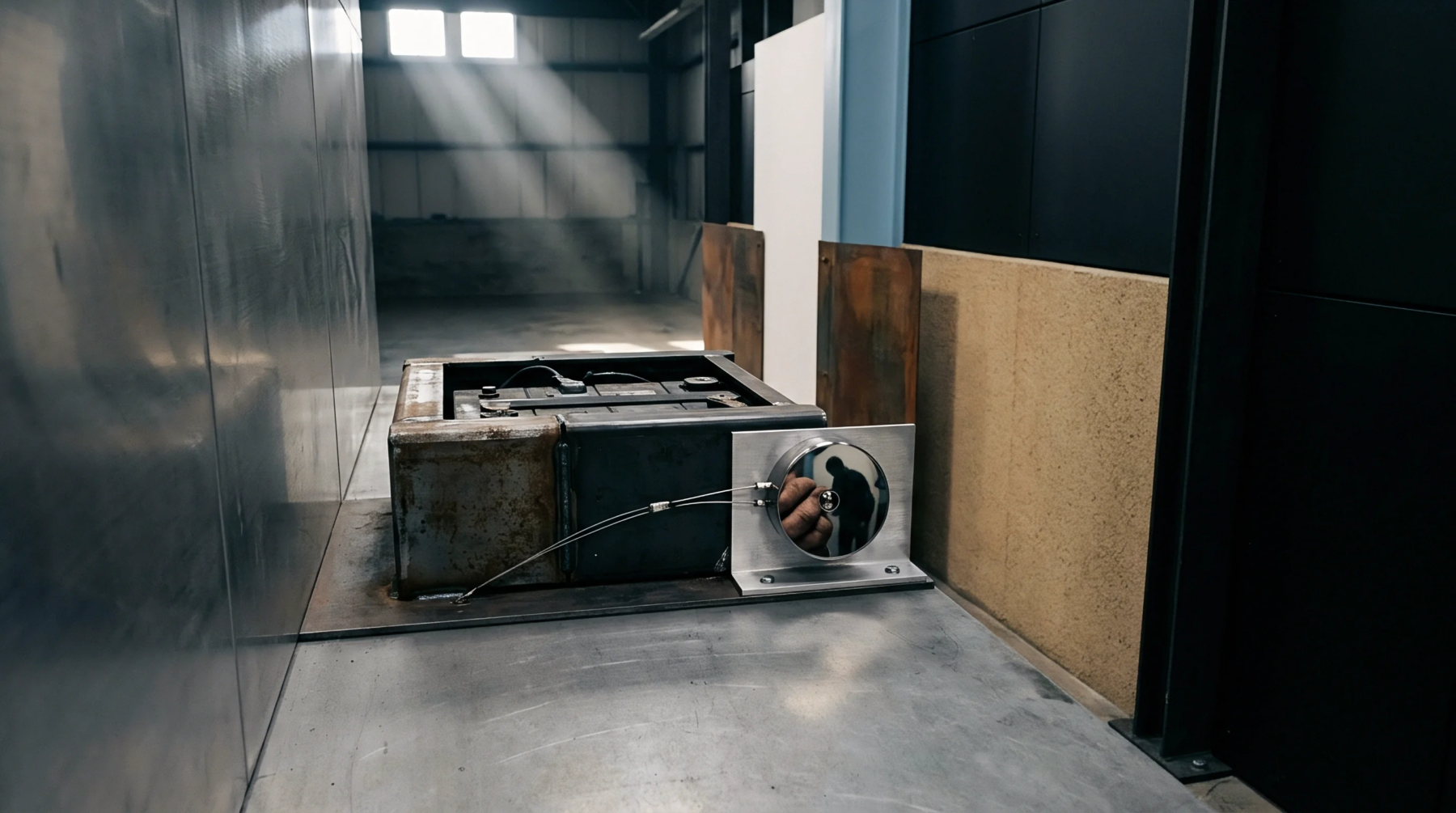
Auditing foreign ISO 17025 links requires validating the laboratory scope schedule against ILAC MRA databases to ensure UN 38.3 safety file compliance.
Importers mitigate cross-border forged lab schedules by enforcing primary ISO 17025 direct testing, independent ILAC verification, and escrow gates.
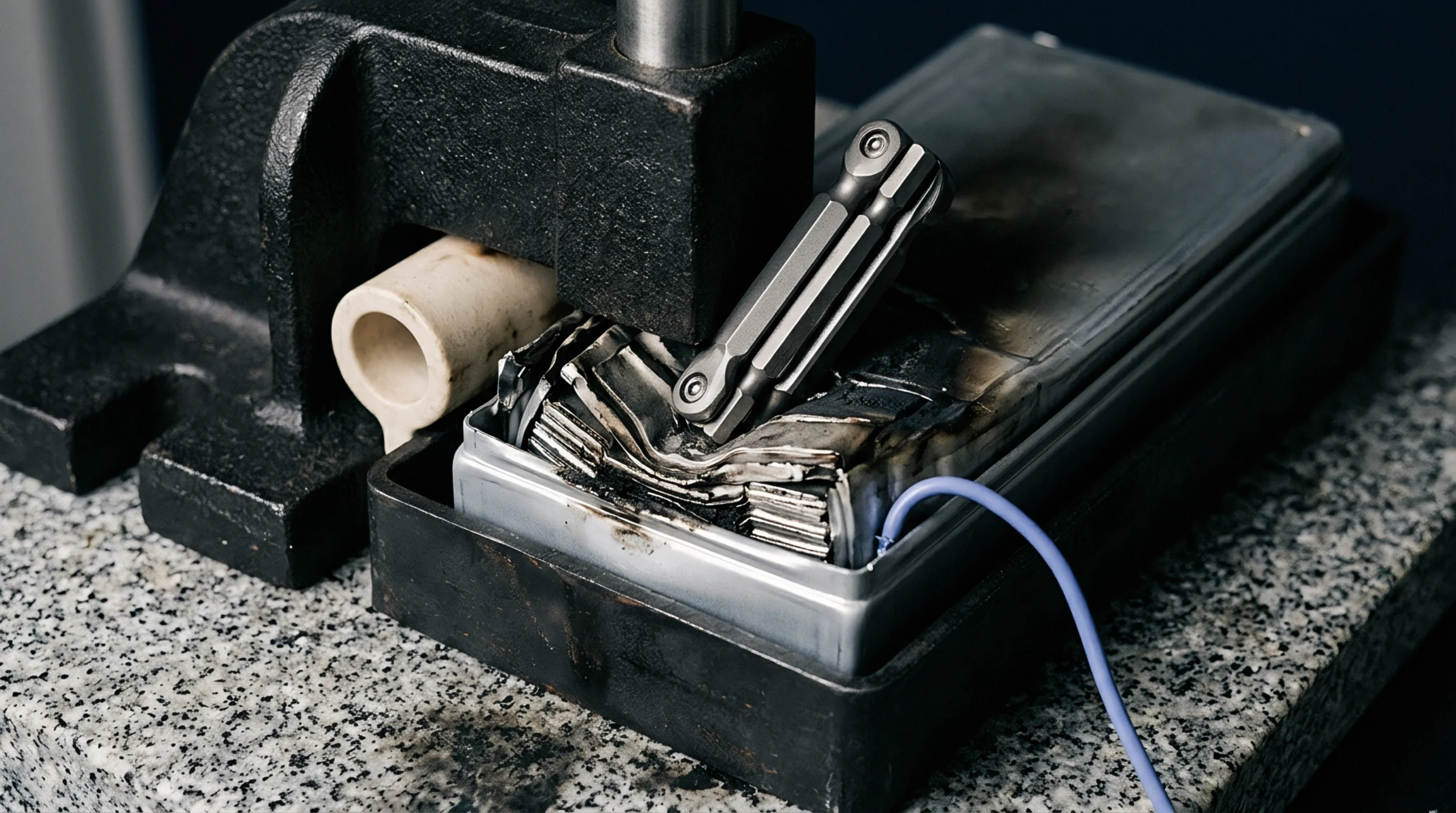
Verify UN 38.3.5 summary authenticity and lab ISO 17025 scope before tendering battery cargo to prevent customs seizure and catastrophic demurrage.
Verify UN 38.3 test summaries, enforce the 30% state of charge ceiling, and audit packaging specs to ensure compliant battery air freight.
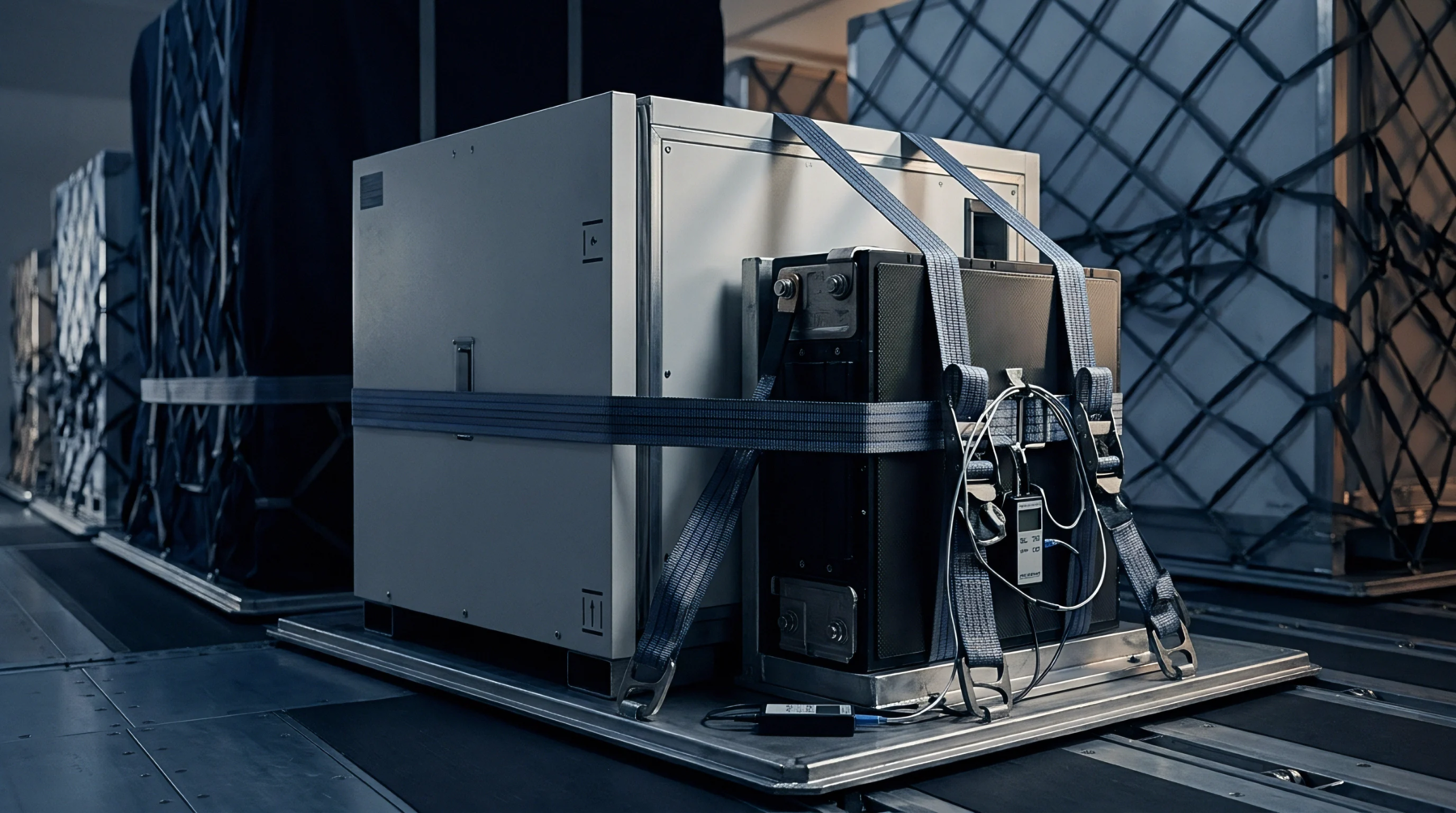
Aligning HS classification codes with UN dangerous goods labeling prevents customs holds, duty penalties, and carrier rejections for battery imports.
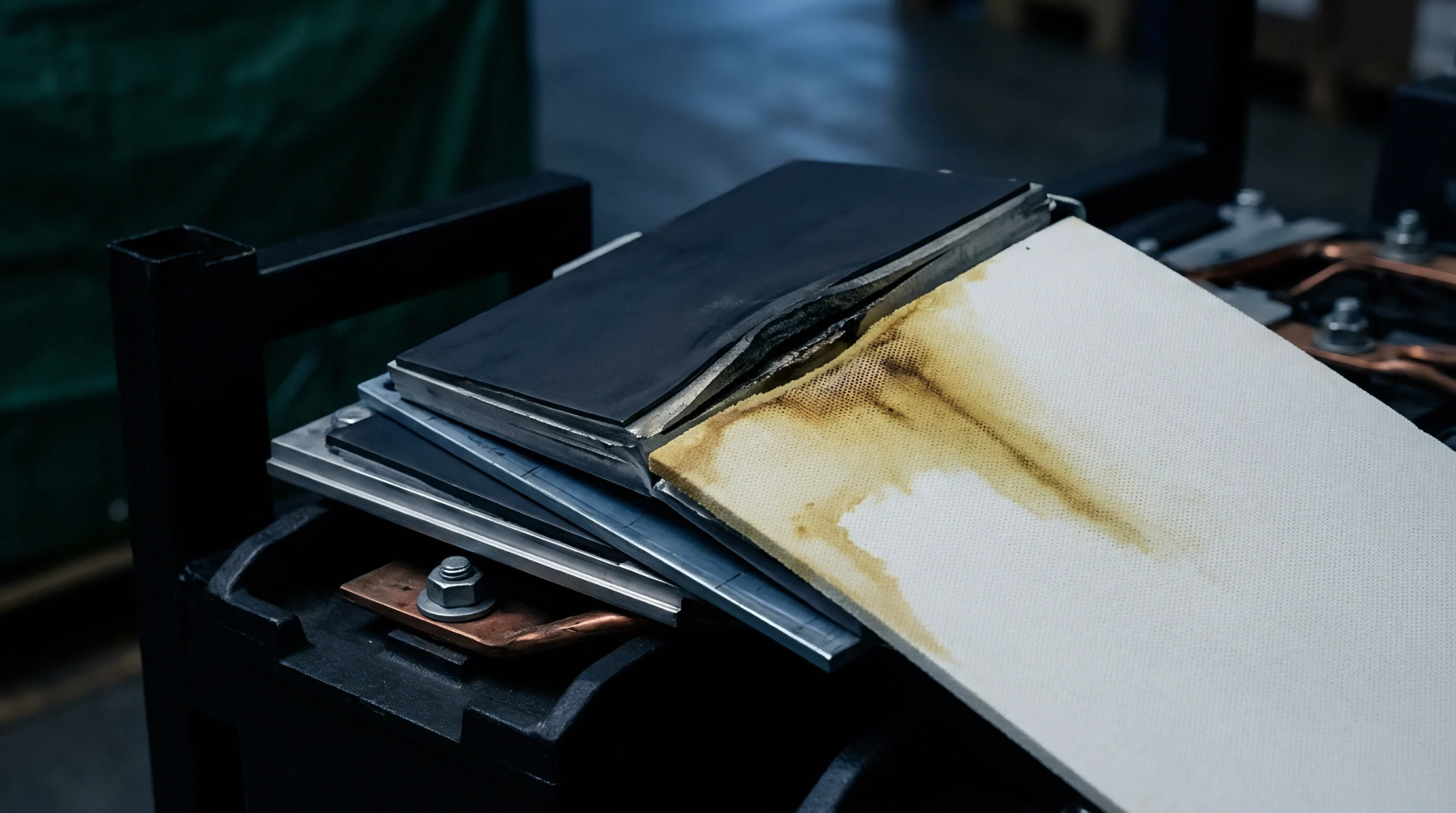
EU Regulation 2023/1542 holds the first European entity taking title to imported batteries legally liable for all safety, carbon footprint, and passport duties.
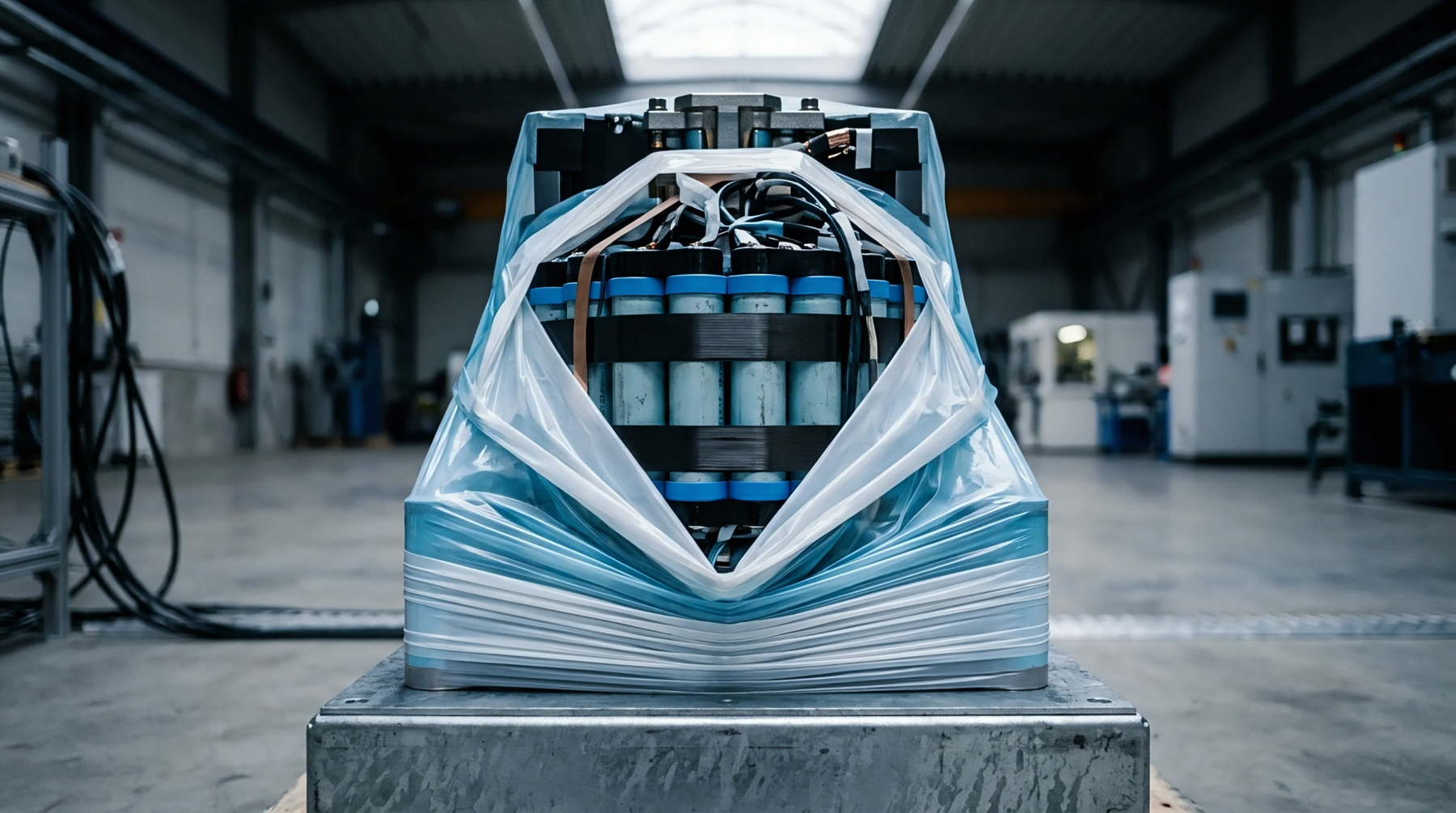
Importers bear absolute extended producer responsibility, requiring local registration, precise weight logging, and compliant reverse transport across borders.

Importers carry strict liability for invalid UN 38.3 certificates when subcontracted labs lack accredited scope, driving mandatory direct accreditation audits.

Managing fluorinated electrolyte imports requires aligning chemical identities with diverging PFAS rules, UN drum packaging, and strict contractual indemnities.

Penalties issued to non-resident cell manufacturers default onto domestic importers because foreign courts refuse to enforce extraterritorial administrative fines.

Cross-referencing UN 38.3 test summaries with air waybills aligns model names, watt-hour ratings, and package weights to prevent carrier rejections and fines.
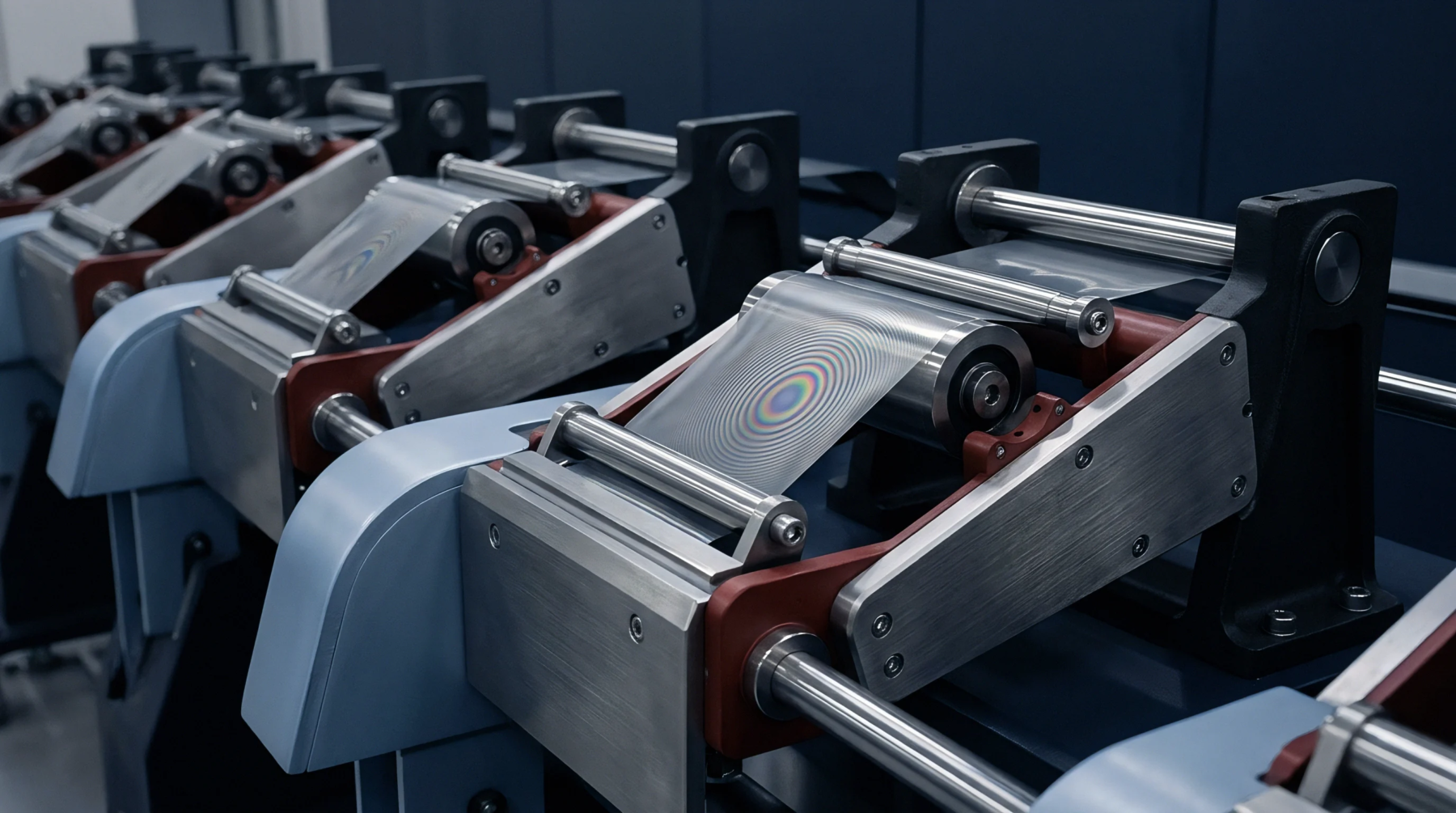
Continuous Rayleigh OFDR requires physical capillary isolation or low-condition matrix inversion to decouple thermal and mechanical strain in battery cells.
Expertise is a utility, not a secret. sentiention™ publishes its working knowledge as open reference: intelligence layer covering the materials it sources, the markets it enters, and the reference that serves both.