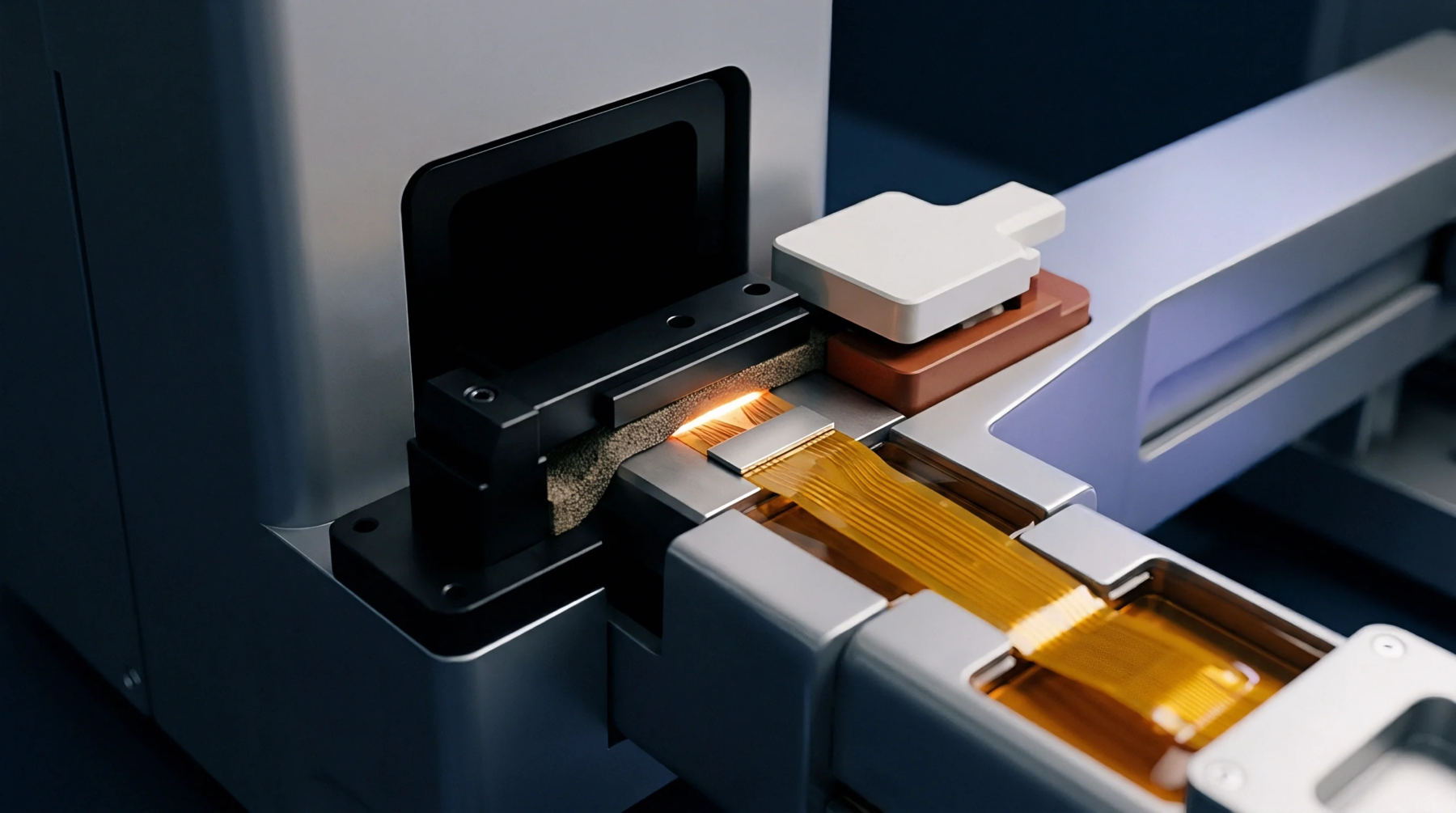
Open Circuit Voltage Mapping Protocols for Lithium Iron Phosphate Chemistries
Lithium iron phosphate open circuit voltage mapping requires multi-hour relaxation and high-precision voltage sensing to resolve flat plateau hysteresis.
Lithium iron phosphate open circuit voltage mapping requires multi-hour relaxation and high-precision voltage sensing to resolve flat plateau hysteresis.

Extracting non-equilibrium micro-hysteresis parameters in aged LFP packs eliminates state-of-charge estimator drift across dynamic operational profiles.
Titration testing isolates solid-state diffusion and overpotential across LFP state-of-charge regions, exposing true fast-charge and cold-weather limits.

Subzero graphite charging drives anode potentials negative through desolvation and diffusion overpotentials, inducing irreversible lithium metal plating.
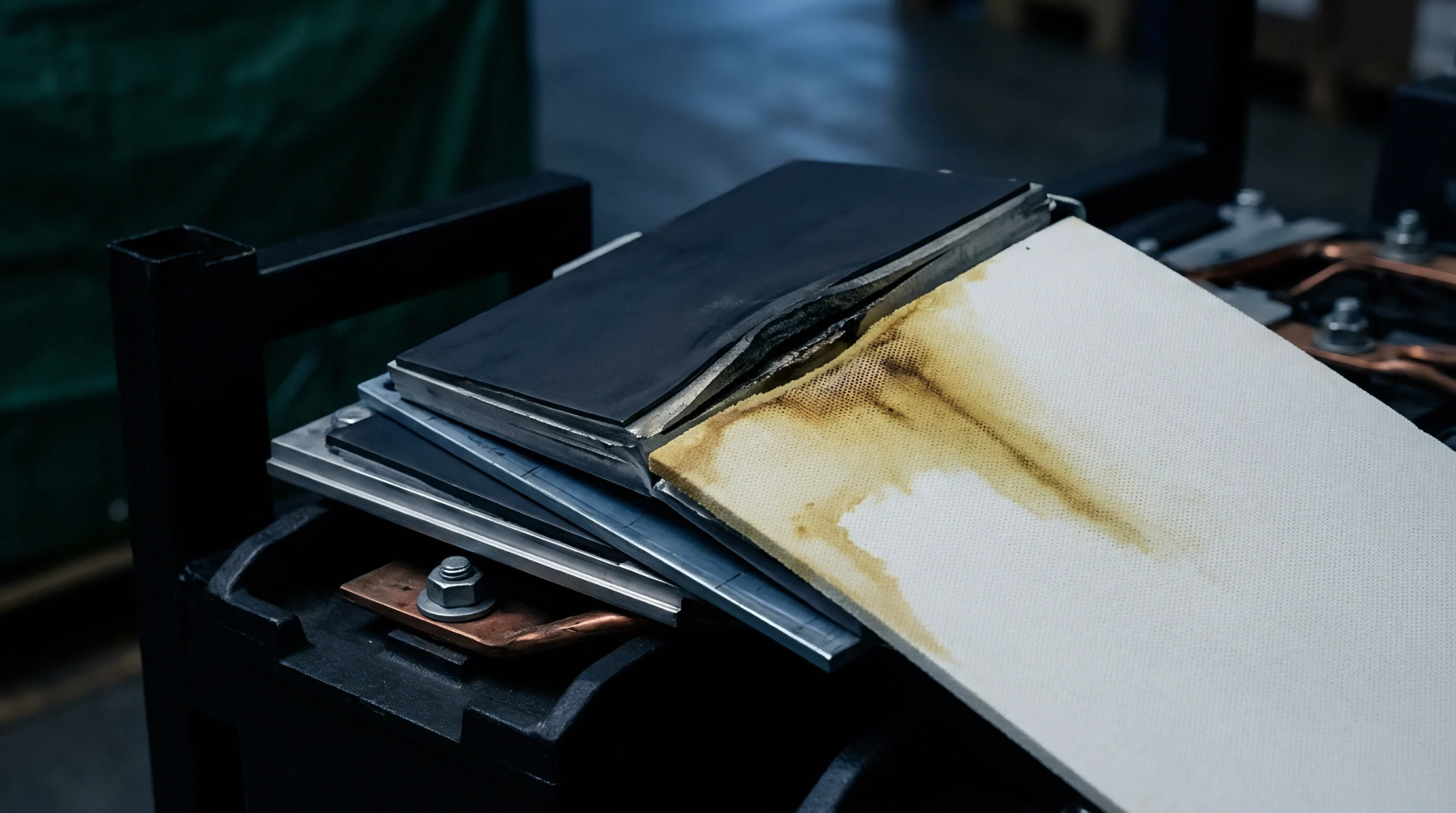
Online impedance derating adjusts subzero charging current dynamically to prevent lithium plating while maintaining maximum safe energy transfer.

Three-electrode differential voltage relaxation analysis maps sub-zero lithium plating thresholds, preventing irreversible anode decay and thermal risk.

Sub-zero cell qualification requires verifying charge-transfer impedance and anode overpotential thresholds to prevent irreversible field lithium plating.

Isothermal voltage relaxation analysis isolates lithium plating and anode degradation non-destructively by mapping voltage decay time constants after current cut-off.

LFP cells require up to 48 hours resting to achieve thermodynamic OCV equilibrium due to flat phase plateaus, hysteresis, and slow solid-state lithium diffusion.
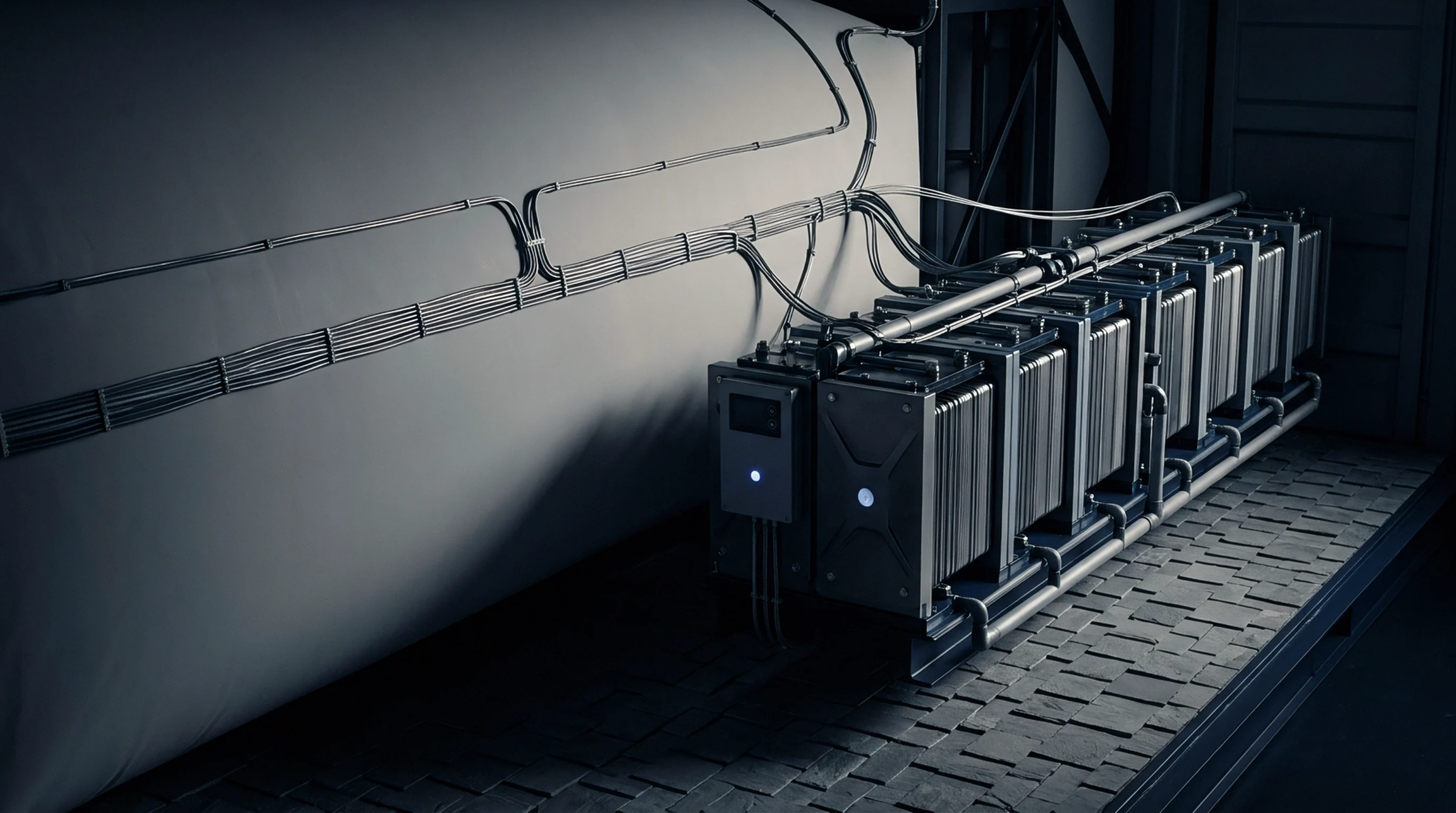
Low temperature storage freezes phase boundary migration in commercial cells, producing artificial capacity loss that resolves through controlled thermal dwell.
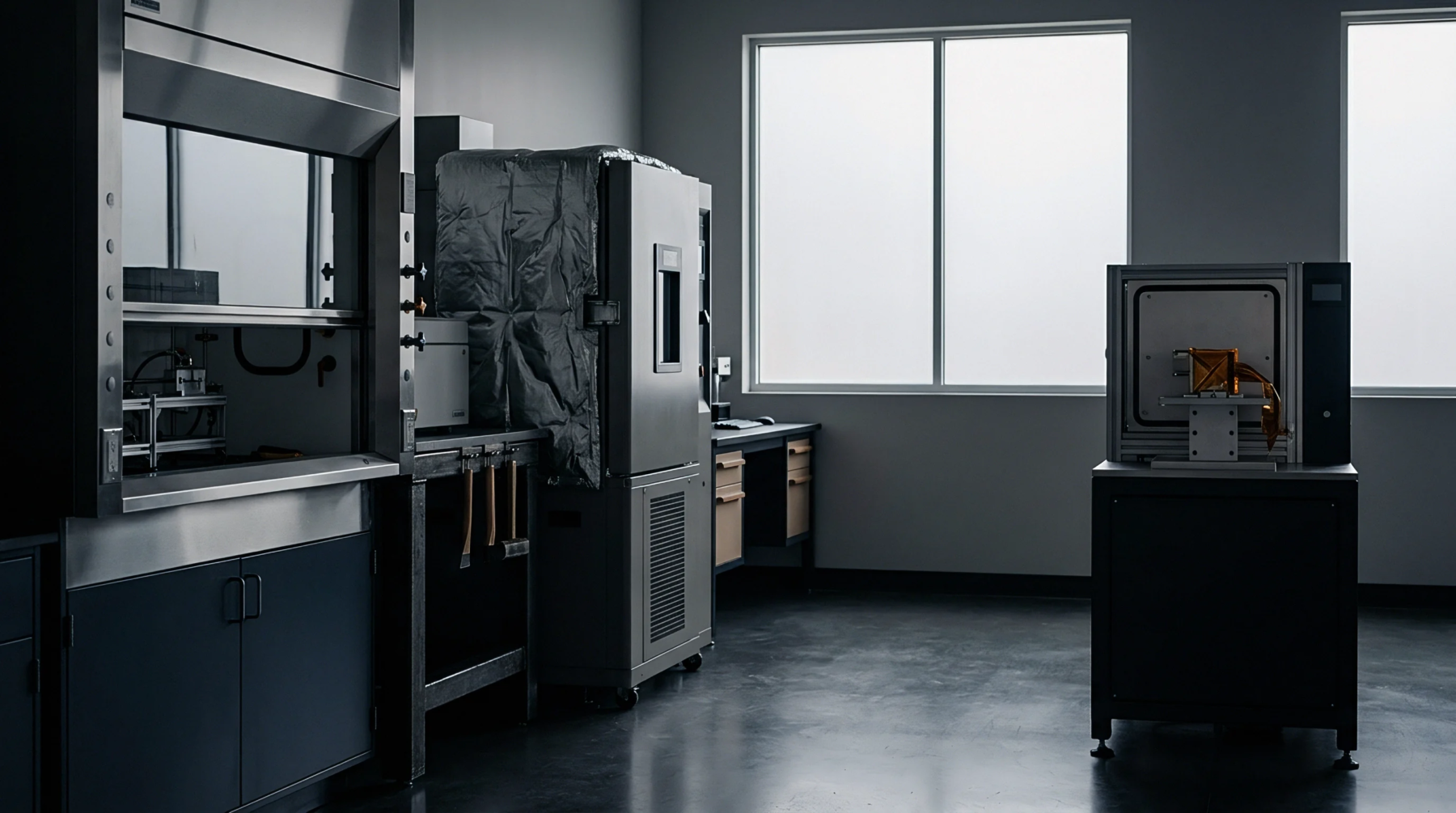
Decoupling thermal overpotential from true cell degradation isolates core thermal acceleration to prevent masking irreversible impedance growth.
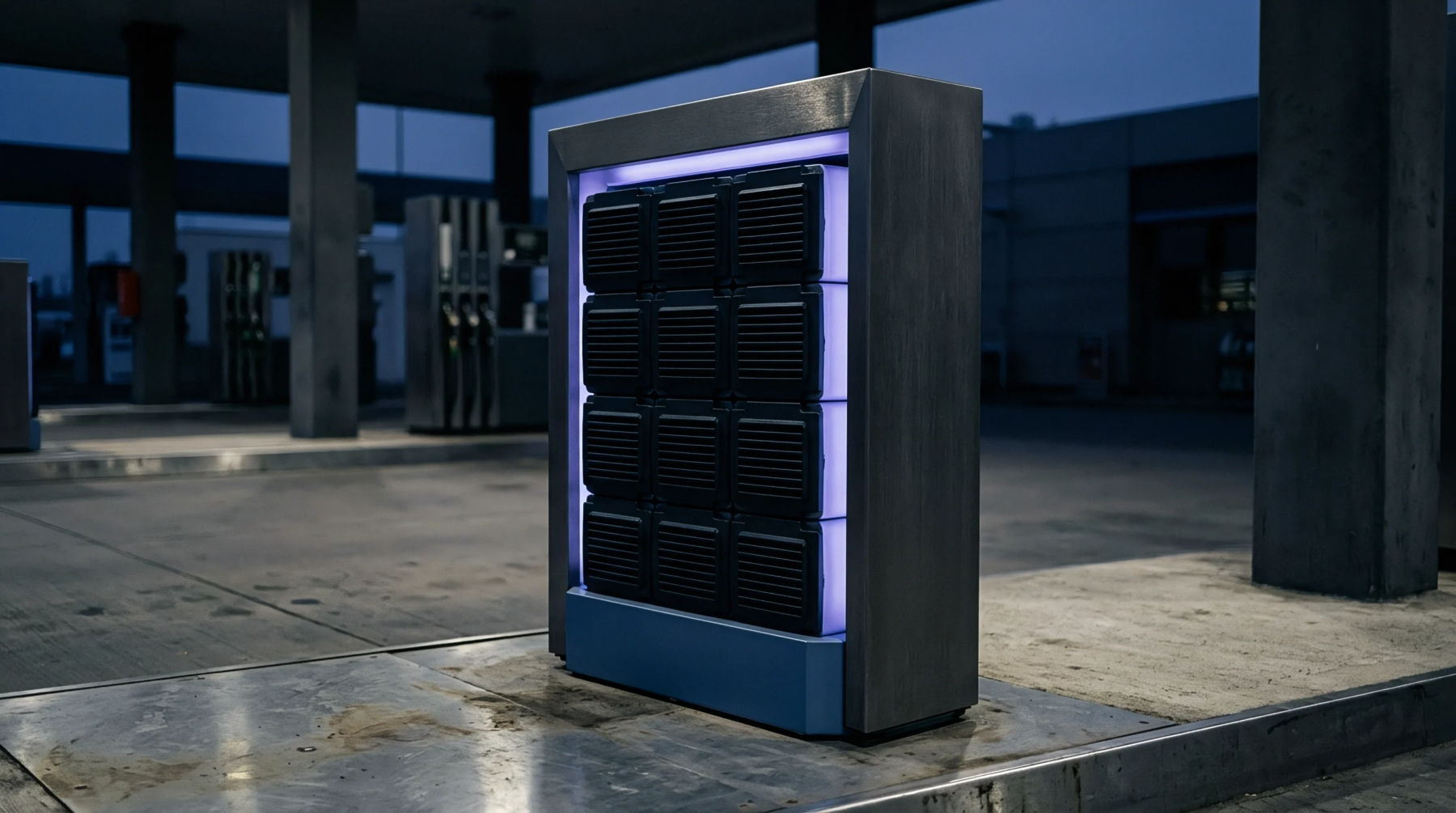
Low temperature charging triggers metallic lithium plating when anode polarization drops below zero volts, requiring strict thermal pre-heating or rate derating.

Differential voltage analysis detects sub-zero lithium plating by identifying the distinct phase-transition stripping peak during relaxation or early discharge.
Charging cold graphite cells below zero volts versus lithium drives metallic dendrite plating that permanently degrades capacity and raises runaway hazards.
Voltage relaxation plateau tracking identifies metallic lithium stripping, separating reversible plating from chemical solid electrolyte consumption.
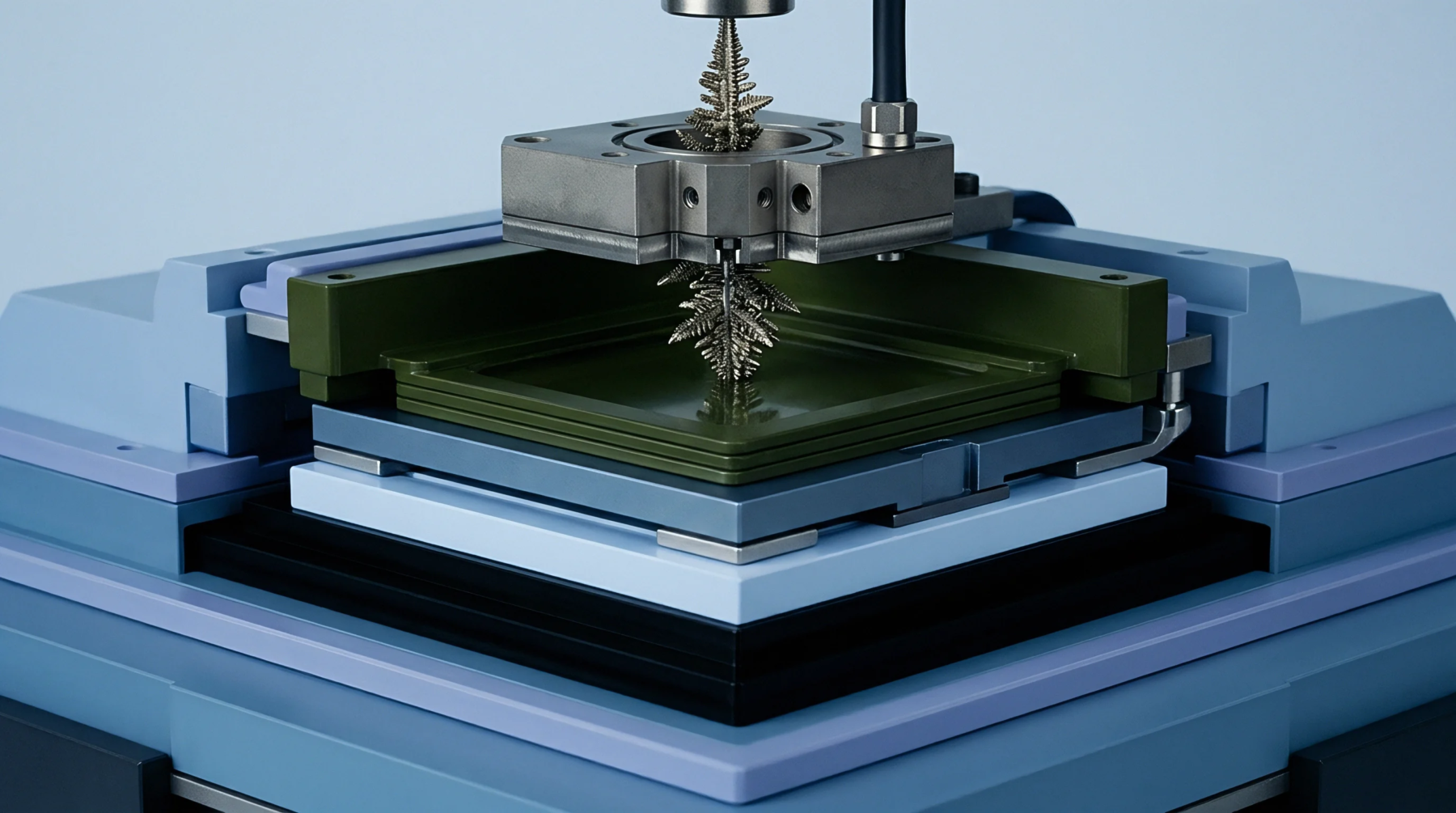
Sub-zero high-rate charging forces graphite anode potential below zero volts, causing irreversible metallic lithium plating and premature thermal runaway.
Cross-plane thermal gradients drive localized overpotential spikes that trigger premature lithium plating, uneven passivation thickness, and warranty-killing fade.

Unrelaxed concentration overpotentials across the flat lithium iron phosphate voltage plateau corrupt BMS state-of-charge tables unless multi-hour rest holds are enforced.

Closed-loop impedance feedback tracks subzero charge-transfer resistance to throttle charging current, preventing anode overpotential from inducing lithium plating.
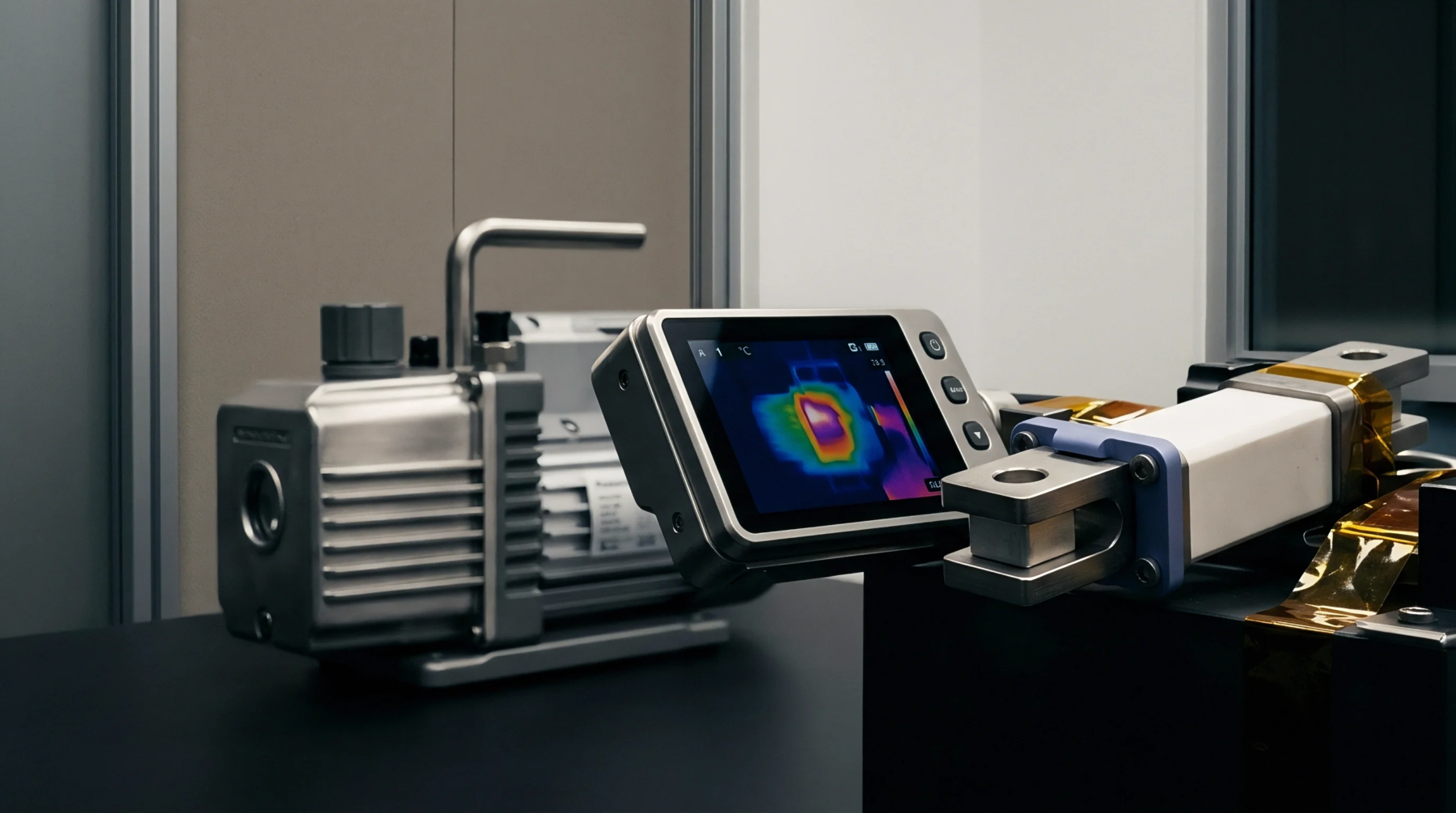
Operando voltage relaxation spectrum analysis deconvolves rest transients into discrete time constants, isolating kinetic, diffusion, and plating degradation.
Fast-charge envelopes hit hard boundaries when combined kinetic and solid-state diffusion overpotentials drive graphite potential below zero volts versus lithium.
Sub-zero fast charging shifts graphite anodes below zero volts, causing dangerous lithium plating that accelerates degradation and triggers shipping refusal.

Predictive weld modeling must couple diffusion kinetics with critical plane multiaxial fatigue to prevent brittle intermetallic crack initiation under thermal cycling.
Metallic lithium plating on graphite anodes begins when negative electrode potential drops below 0 V versus Li/Li+ during sub-zero fast charging.
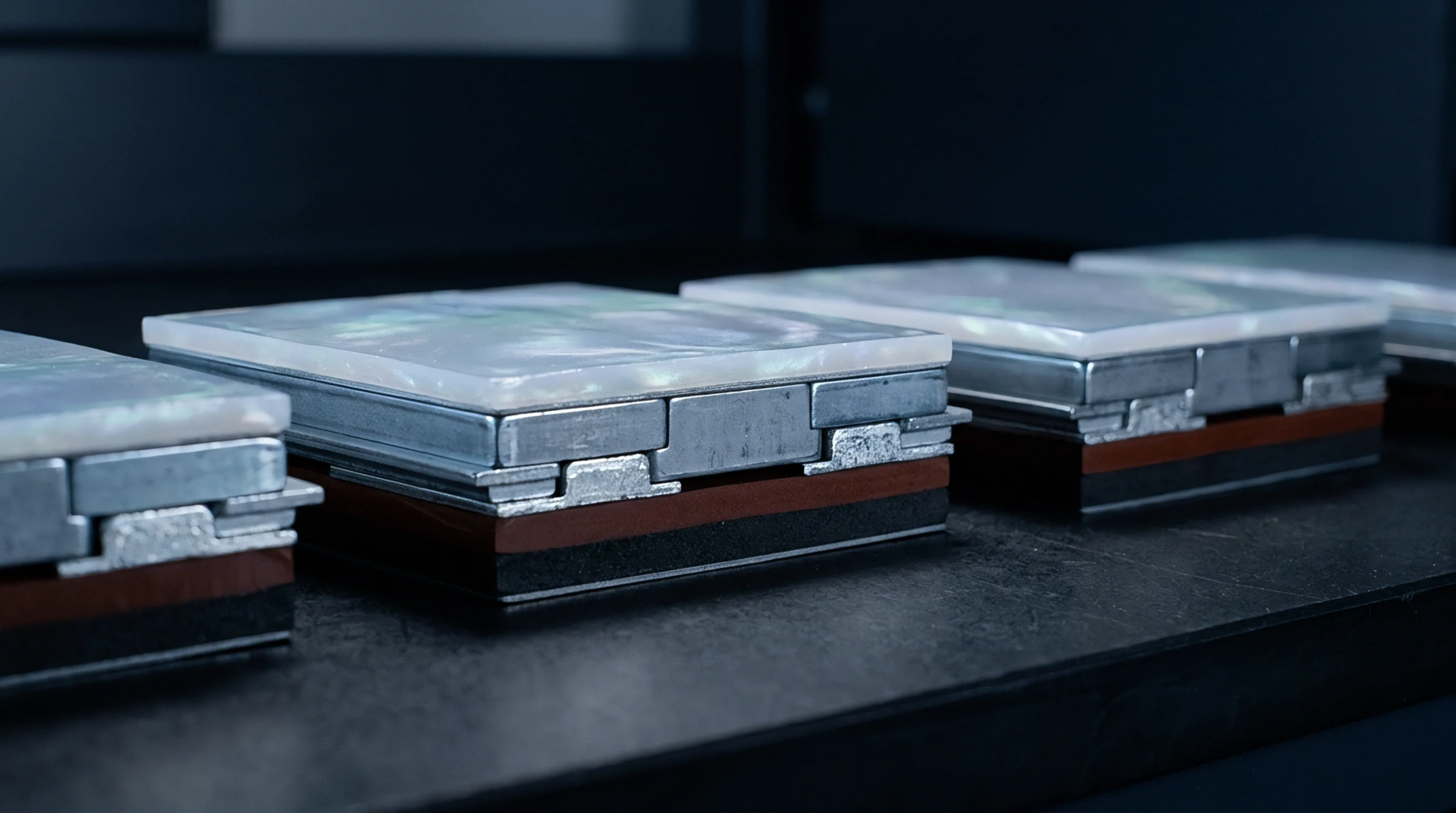
Thick silicon-graphite anodes charged below freezing suffer acute diffusion choke and lithium plating forcing current derating below zero point zero five C.

Subzero fast charging forces graphite polarization below zero volts, causing metallic lithium plating detectable via voltage relaxation and gas titration.

Elevated temperature battery operations accelerate interfacial intermetallic growth, requiring nickel diffusion barriers to prevent joint embrittlement.

Sub-zero lithium plating occurs when anode potential drops below 0V vs Li/Li+; three-electrode analysis isolates overpotentials to define safe charge windows.
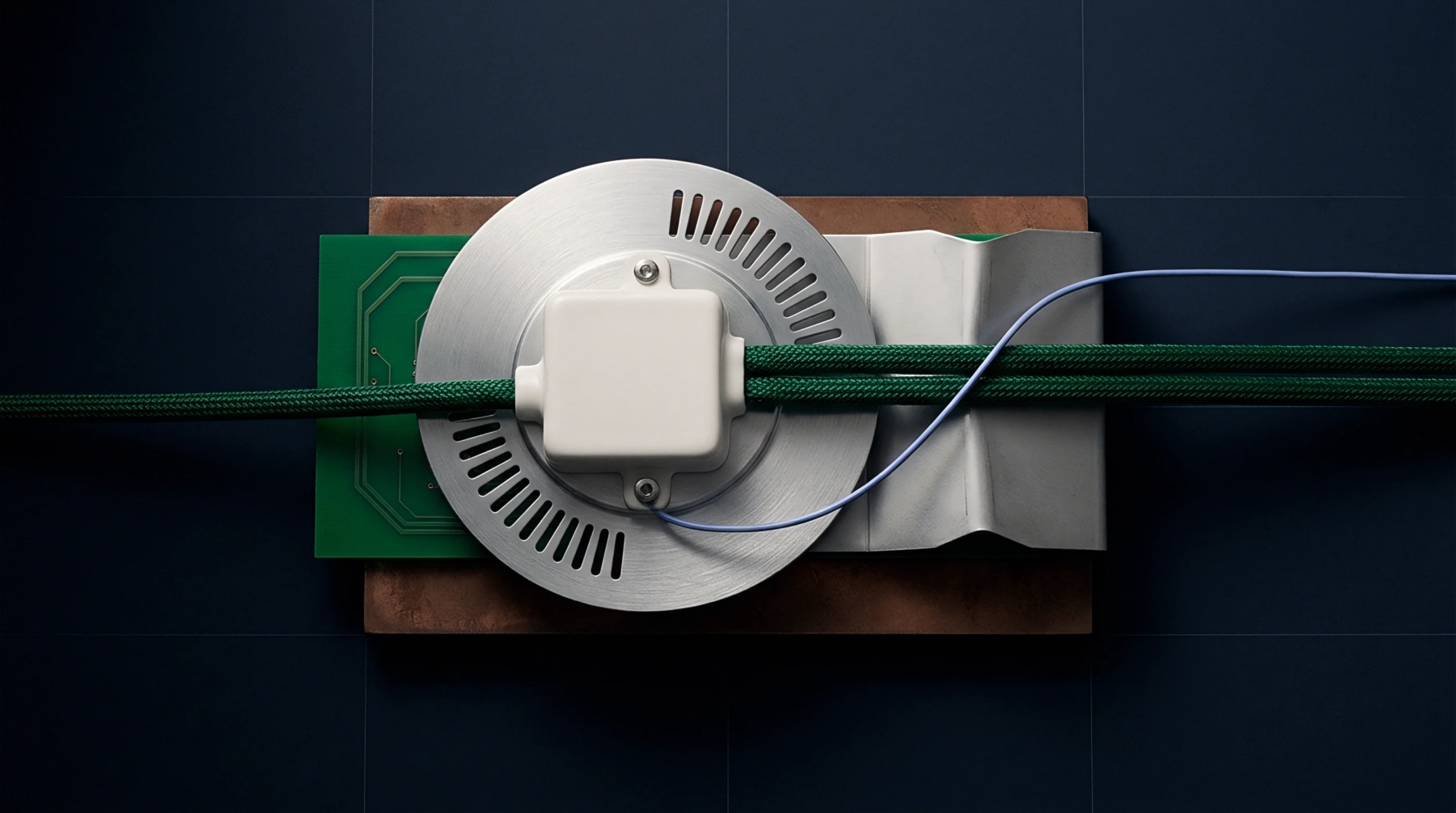
Battery open circuit voltage profiling measures relaxed cell equilibrium potentials to map thermodynamic state metrics, requiring strict rest criteria.

Subzero charging forces graphite anode potentials below zero volts, making overpotential derating and pre-heating mandatory to prevent metallic lithium plating.
Expertise is a utility, not a secret. sentiention™ publishes its working knowledge as open reference: intelligence layer covering the materials it sources, the markets it enters, and the reference that serves both.