
Customs Safety File Auditing for Transsite Dangerous Goods Certifications
Customs safety file auditing demands cross-matching cell part numbers, UN 38.3.5 test summaries, and dangerous goods declarations prior to vessel loading.
Customs safety file auditing demands cross-matching cell part numbers, UN 38.3.5 test summaries, and dangerous goods declarations prior to vessel loading.

A compliant UN 38.3 test summary requires ten mandatory elements to clear lithium cell shipments through international dangerous goods customs inspections.

Lithium iron phosphate open circuit voltage mapping requires multi-hour relaxation and high-precision voltage sensing to resolve flat plateau hysteresis.

Spatial thermal gradients distort cell terminal voltage, corrupting battery management state estimators and accelerating real degradation under active load.

Non-stationary thermal gradients distort differential capacity peaks by shifting overpotentials non-uniformly across storage cells, demanding thermal-model inversion before state-of-health estimation.

Adaptive Kalman filtering on flat battery plateaus succeeds only when covariance updates carry strict numerical bounds and hysteresis-aware measurement compensation.

Accurate lithium iron phosphate state estimation uses three-dimensional lookup tables combined with dynamic observer filtering to resolve plateau ambiguity.
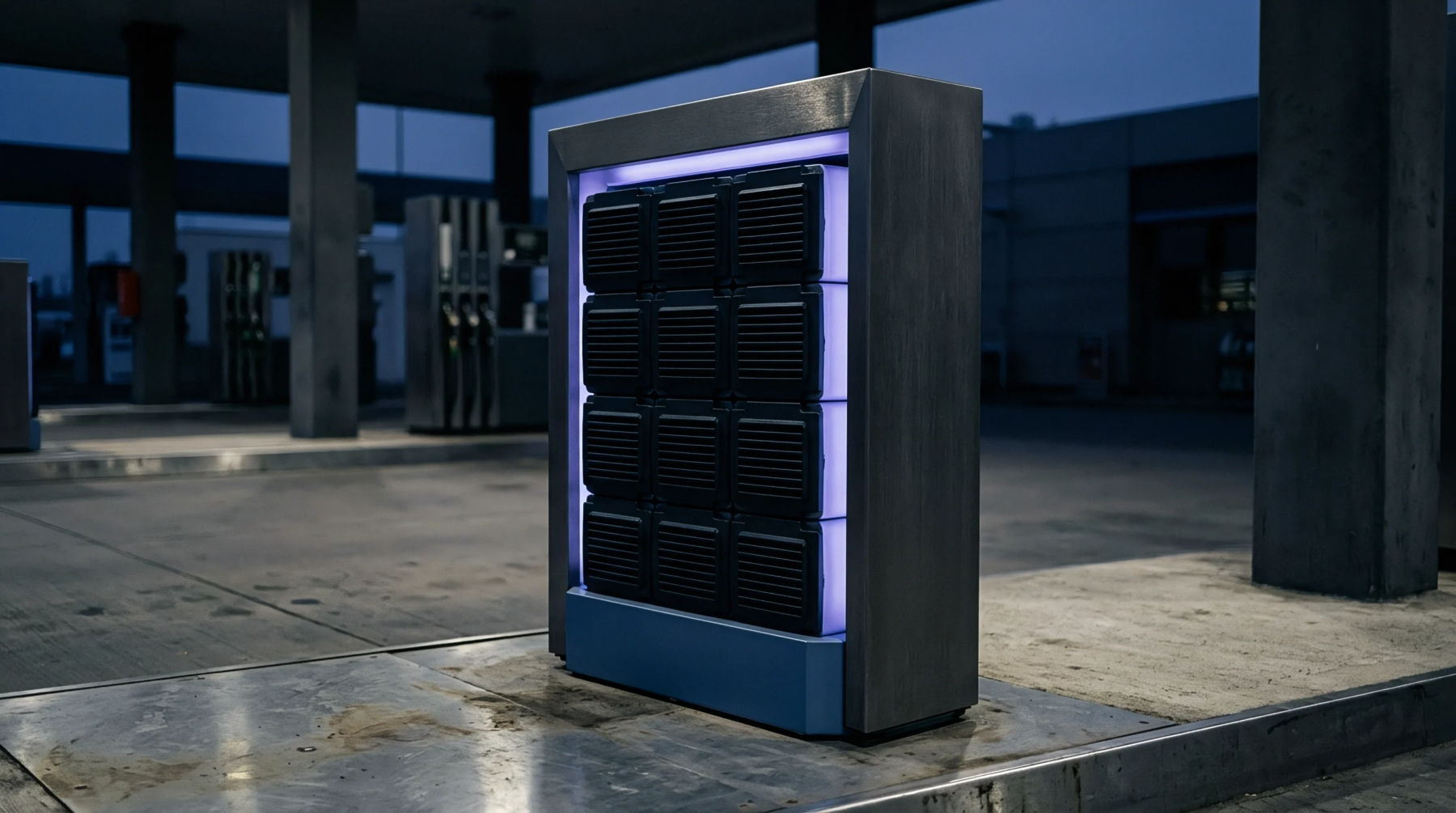
Quantifying LFP cell dispersion and hysteresis requires directional OCV lookup tables and sub-millivolt resolution to prevent BMS diagnostic failures.

Titration testing isolates solid-state diffusion and overpotential across LFP state-of-charge regions, exposing true fast-charge and cold-weather limits.

Three-electrode differential voltage relaxation analysis maps sub-zero lithium plating thresholds, preventing irreversible anode decay and thermal risk.

Border impoundments resolve by matching outer package markings, cell casing etchings, and UN 38.3 test summaries prior to carrier tender.

Subzero storage increases charge transfer resistance and fractures the solid electrolyte interphase, requiring low SoC levels and post-storage equilibration.

UN 38.3 air transport compliance requires mandatory T.1-T.8 safety qualification, under 30 percent state of charge, and complete statutory test summary files.
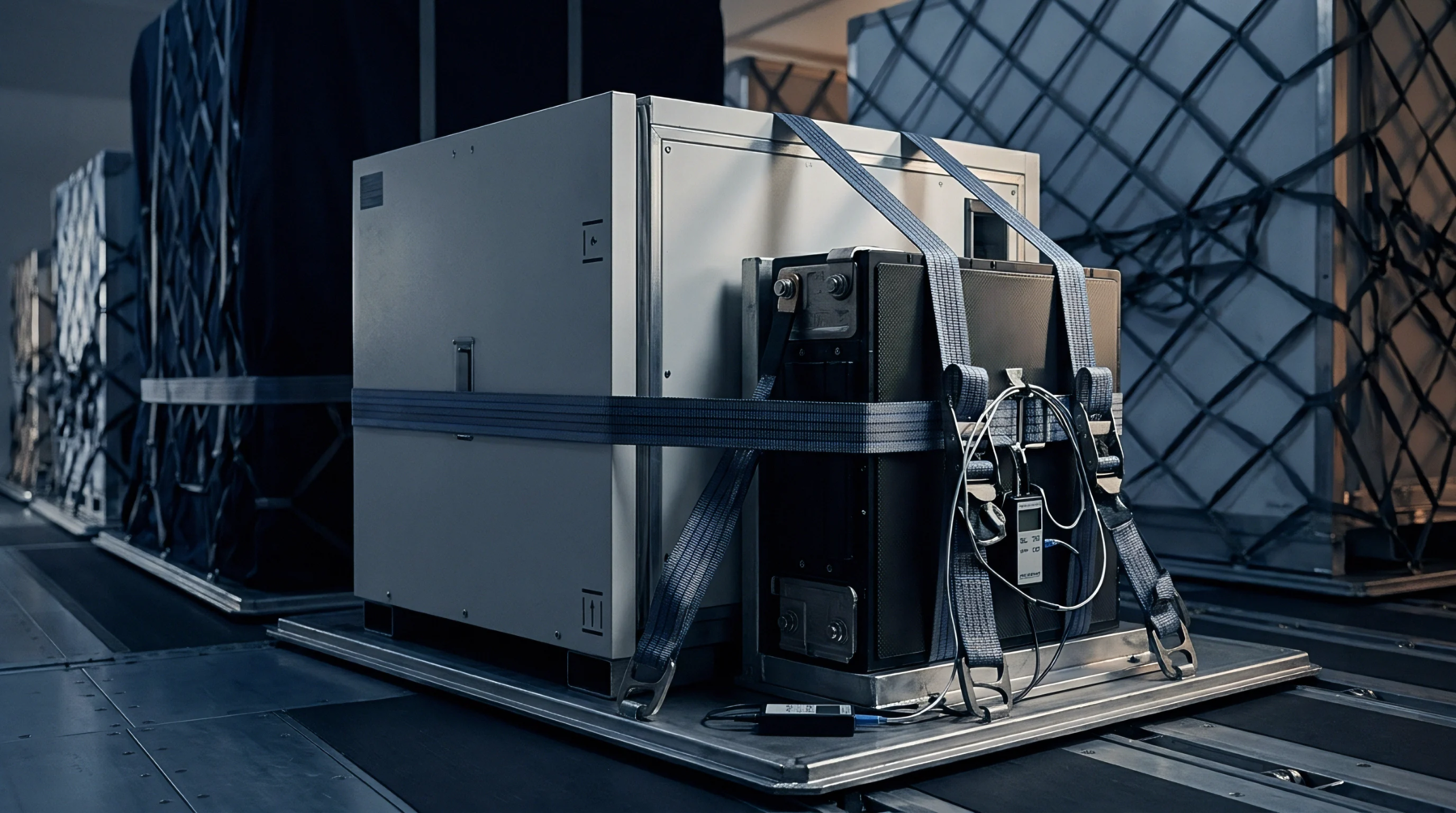
Verify UN 38.3 test summaries against physical cell markings and ISO 17025 lab databases before dispatch to prevent customs seizure and terminal demurrage.

Automated digital ledgers match physical cell hashes with dangerous goods paperwork to guarantee transpacific air cargo compliance and prevent gateway delays.

Air cargo battery acceptance requires verifying UN 38.3 test summaries, SDS transport details, and DGD packaging instructions against physical cargo labels.

Lithium inventory loss in commercial LFP cells is driven by secondary interphase growth and isolated using low C-rate differential capacity analysis.

Silicon anode volume changes generate severe mechanical stress and voltage hysteresis, requiring engineered void space and controlled stack pressure to preserve cell life.

Plateau voltage flatness creates mathematical observability loss in aged LFP, demanding dynamic pulse injection or differential capacity peak tracking.

Augmenting the Extended Kalman Filter state vector with a hysteresis parameter prevents severe SOC drift and false balancing on flat LFP cathode voltage plateaus.

Verify UN 38.3 test summaries by validating ISO 17025 scope, cross-checking 10 required fields, and confirming physical cell mass and Wh limits before air tender.

Solid phase diffusion creates surface concentration gradients that bias terminal voltage lookups, producing massive SOC estimation errors in flat OCV cells.
Silicon anode breathing demands calibrated module containment pads that maintain cell face pressure between 0.10 and 0.60 megapascals across life.
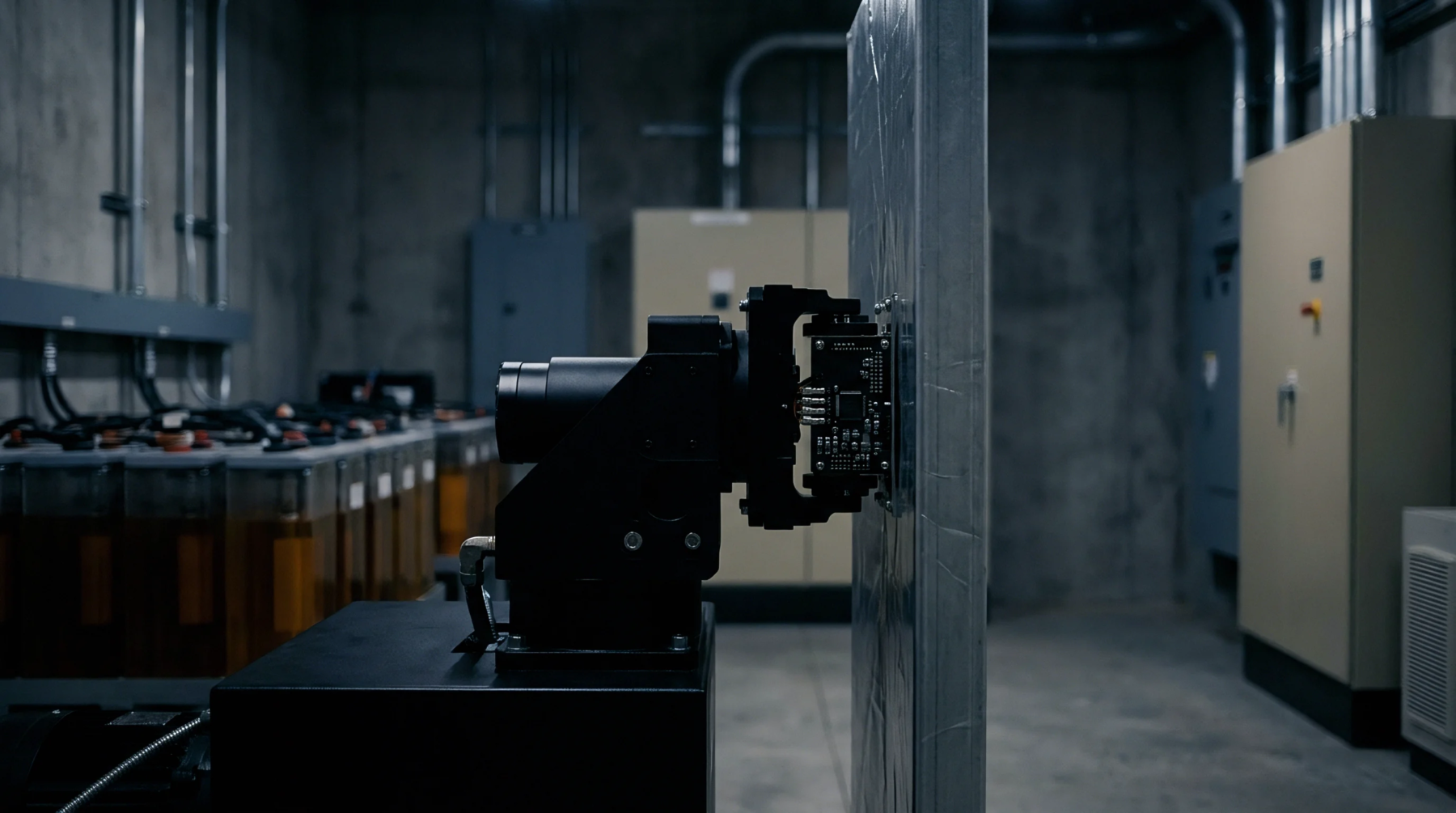
Factory K value measures prismatic cell voltage decay rate over storage dwell to screen out internal micro-shorts through high-resolution multimeter gates.

Battery passport architectures streamline dangerous goods clearance by binding UN 38.3 test summaries to machine-readable declarations at customs borders.
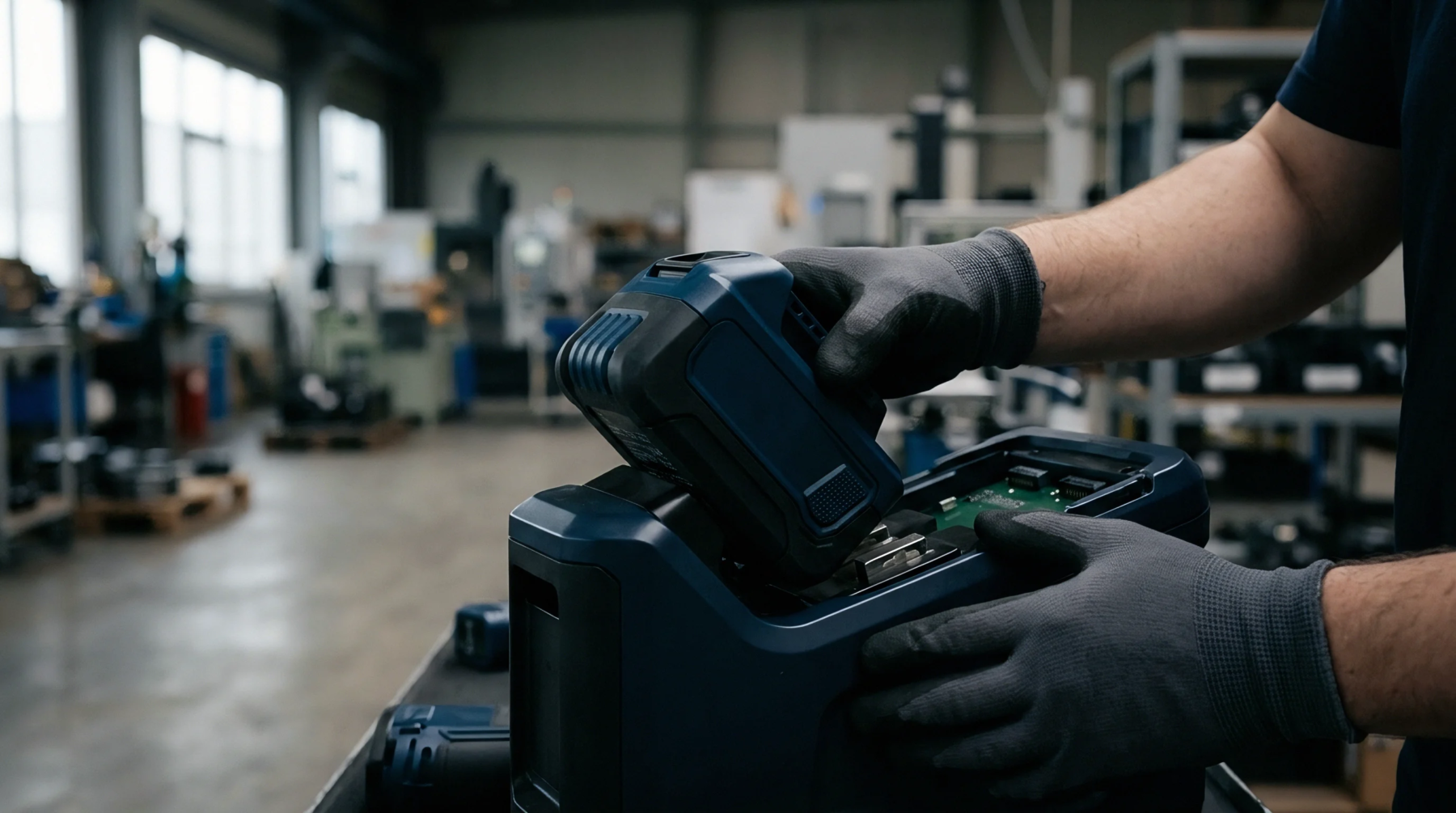
Lithium cell transit mandates Class 9 classification, certified UN 38.3 summaries, verified low charge states, and rigid UN-spec packaging across air and sea.

Standardized battery module stack pressure measurement relies on calibrated tactile sensors and rigid, temperature-compensated test fixtures.

High temperature storage drives non-kinetic SEI thickening via thermal film dissolution, transition metal crosstalk, and salt breakdown that drain cyclable lithium.

Statutory importer liability attaches strictly to domestic consignees, converting dangerous goods transport and testing deficits into immediate financial exposure.

Applied stack pressure of 0.5 to 1.2 MPa suppresses anode overpotential loss, raising fast-charge lithium plating thresholds without crushing separator pores.
Expertise is a utility, not a secret. sentiention™ publishes its working knowledge as open reference: intelligence layer covering the materials it sources, the markets it enters, and the reference that serves both.