
Buying Cells against Buying Packs and Where Responsibility Sits
Buying cells requires owning BMS development, weld quality, thermal isolation, and pack safety files; buying packs trades unit margin for transferred liability.
Buying cells requires owning BMS development, weld quality, thermal isolation, and pack safety files; buying packs trades unit margin for transferred liability.

Cell format selection dictates pack thermal dissipation paths, stack compression mechanics, busbar welding tolerances, and compliance responsibility.

Turnkey engineering secures enclosure tooling and BMS firmware control, while white label sourcing locks hardware design and shifts compliance risk.

Tightening housing floor machining planarity below 0.2 mm slashes thermal paste volume requirements, preventing multi-million dollar annual BOM overruns.
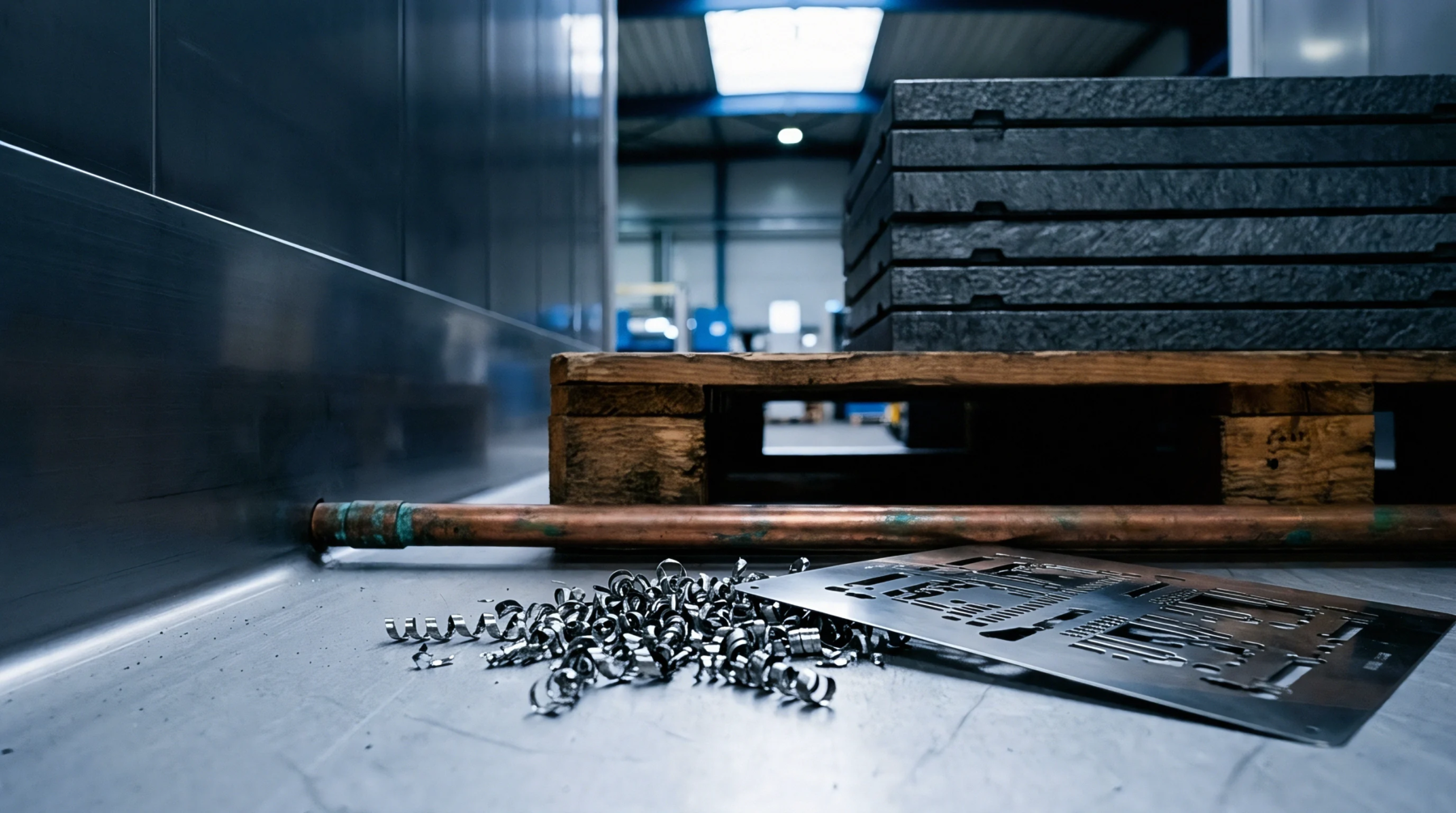
Thermal interface materials require precise thickness and pressure control to eliminate contact resistance without inducing structural stress on battery cells.

Structure custom pack sourcing by retaining mechanical IP and UN 38.3 file ownership while negotiating cell-direct contract manufacturing terms.

Variable thermal boundary layers create local cell temperature spreads that accelerate solid electrolyte interphase growth and void supplier warranties.
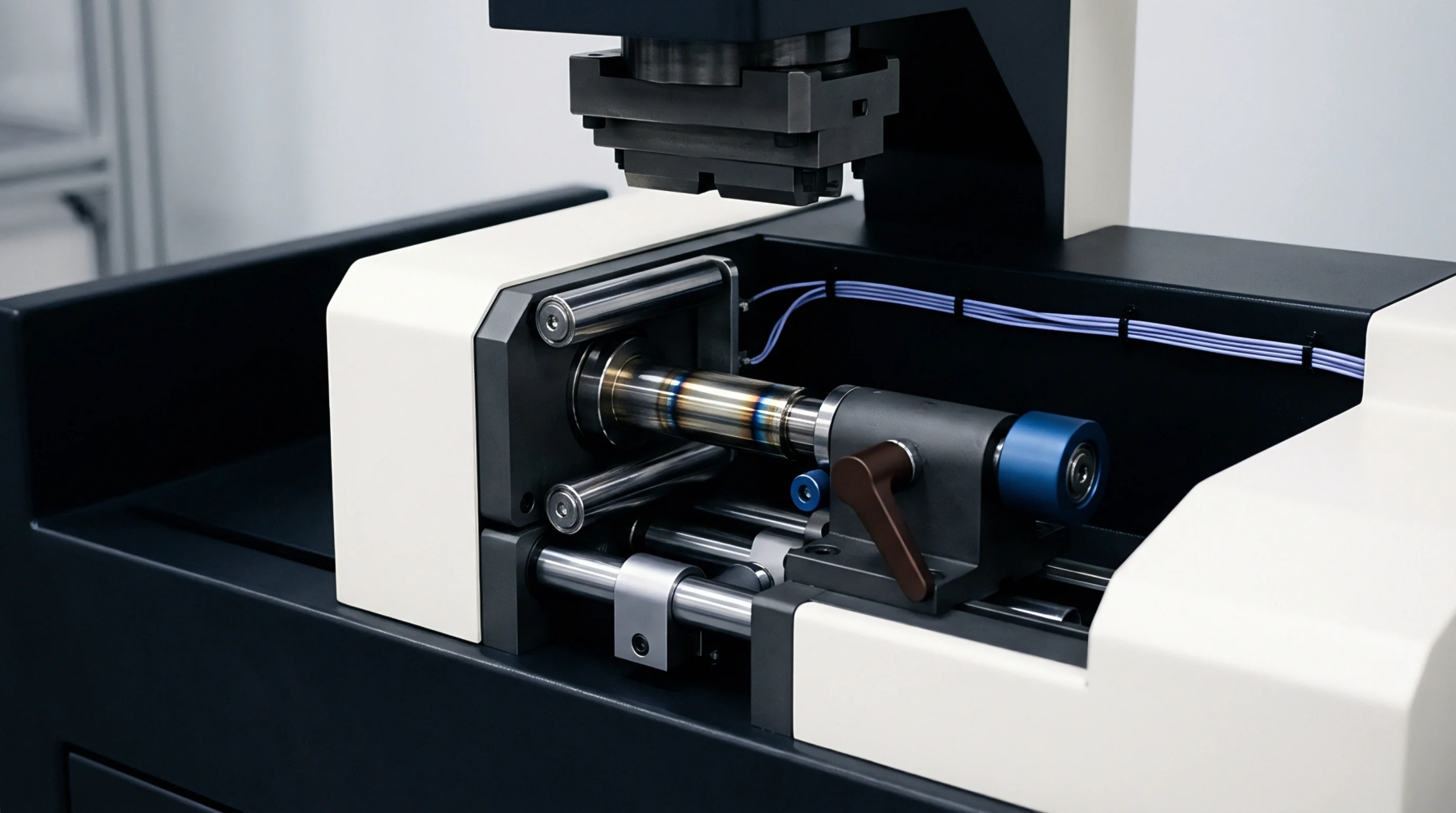
Optimizing module heat dissipation demands matching thermal interface wet-out and structural clamping spring rates to compensate for cyclic cell expansion.
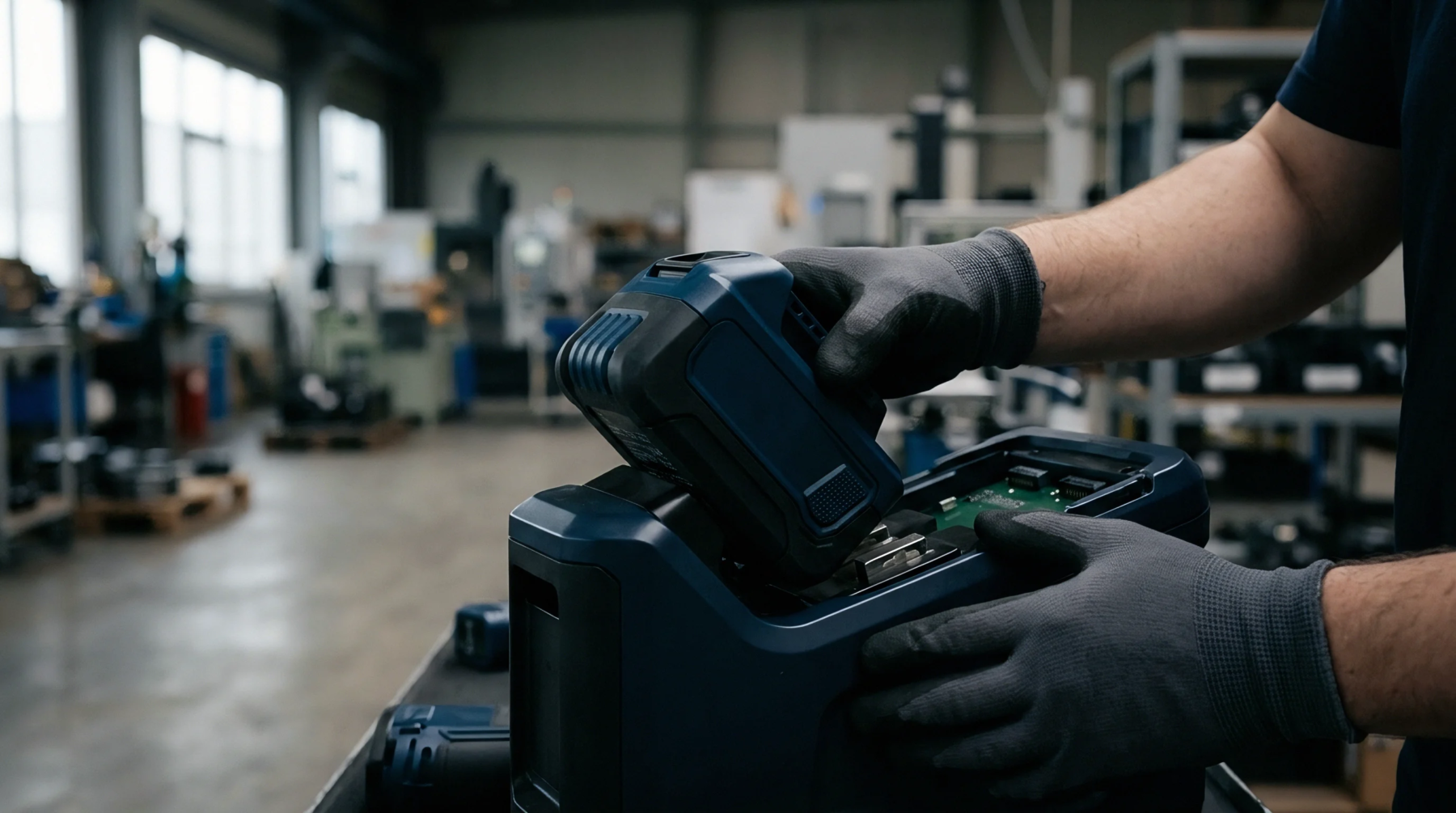
Amortized enclosure tooling disputes resolve when contracts tie maintenance liability directly to audited press cycle logs and physical shot-life limits.
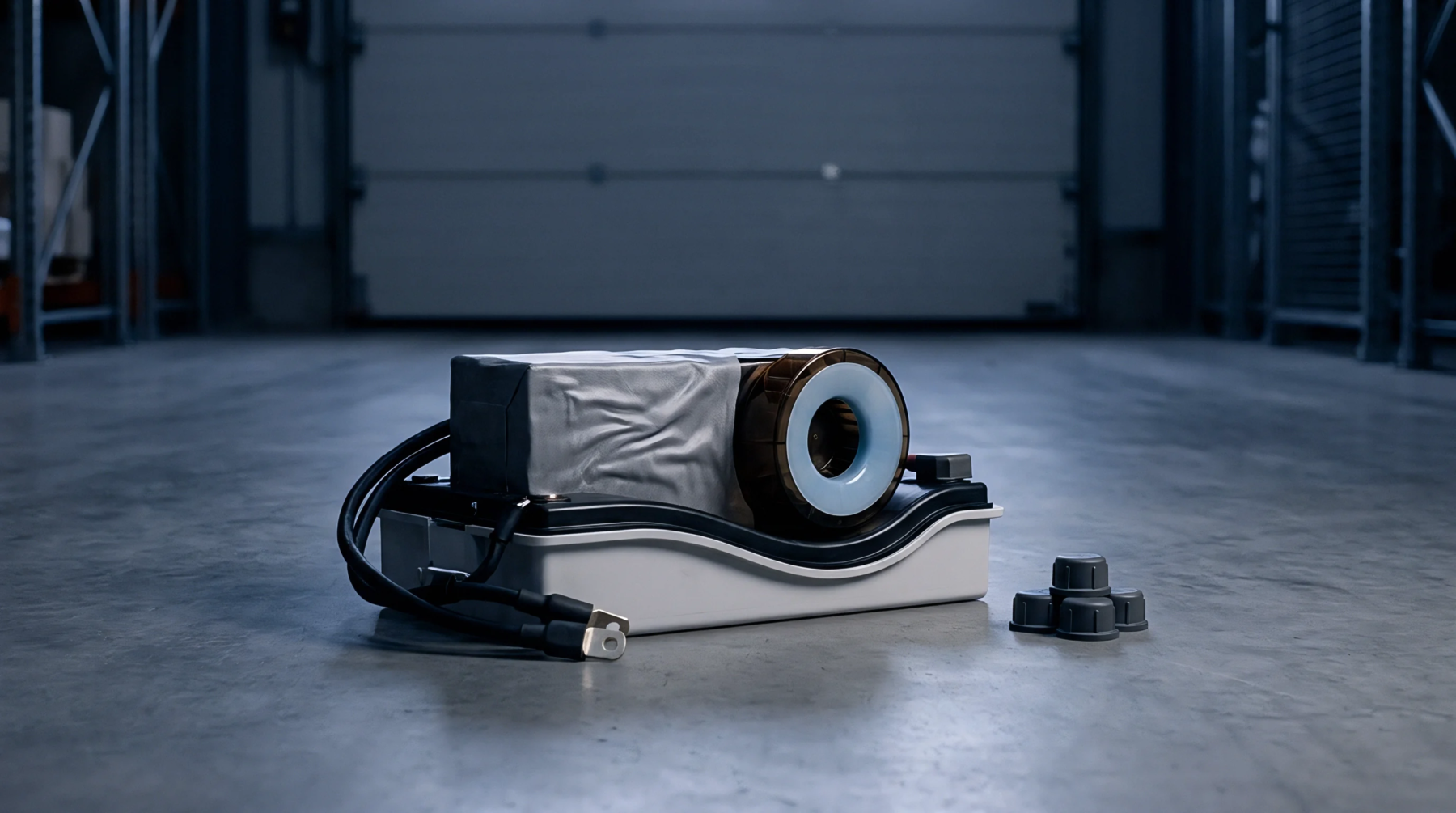
Structural thermal seams form when differential thermal expansion degrades interface media, shifting pack warranty claims between cell vendors and contract assemblers.

Prismatic pack reliability hinges on balancing cell expansion pre-charge with non-linear pads to maintain thermal contact without exceeding end-plate yield limits.
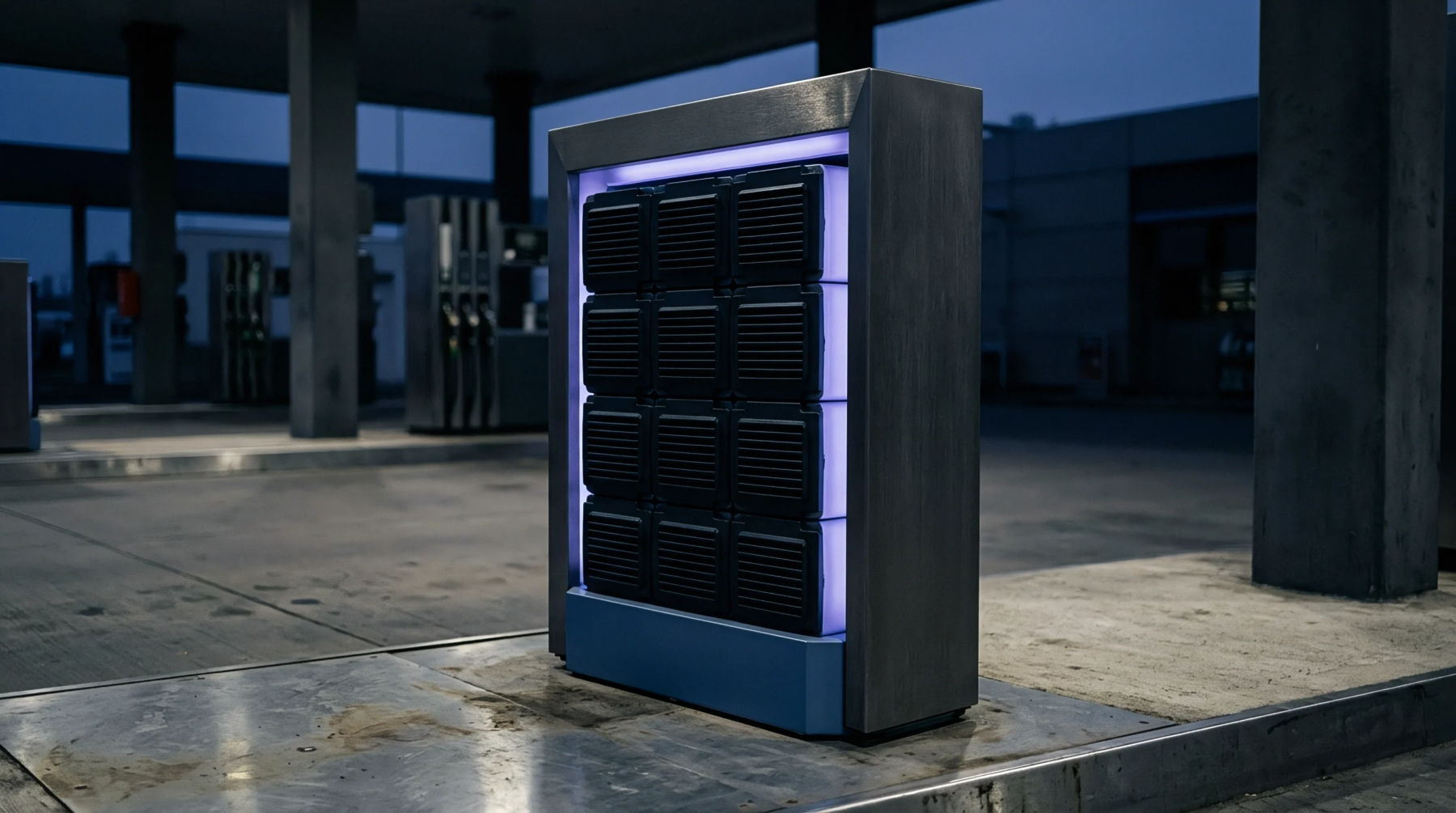
Fast-charge thermal gradients and cell swelling drive cyclic shear rupture in cooling plate adhesives, preventable only through compliance-driven joint thickness control.
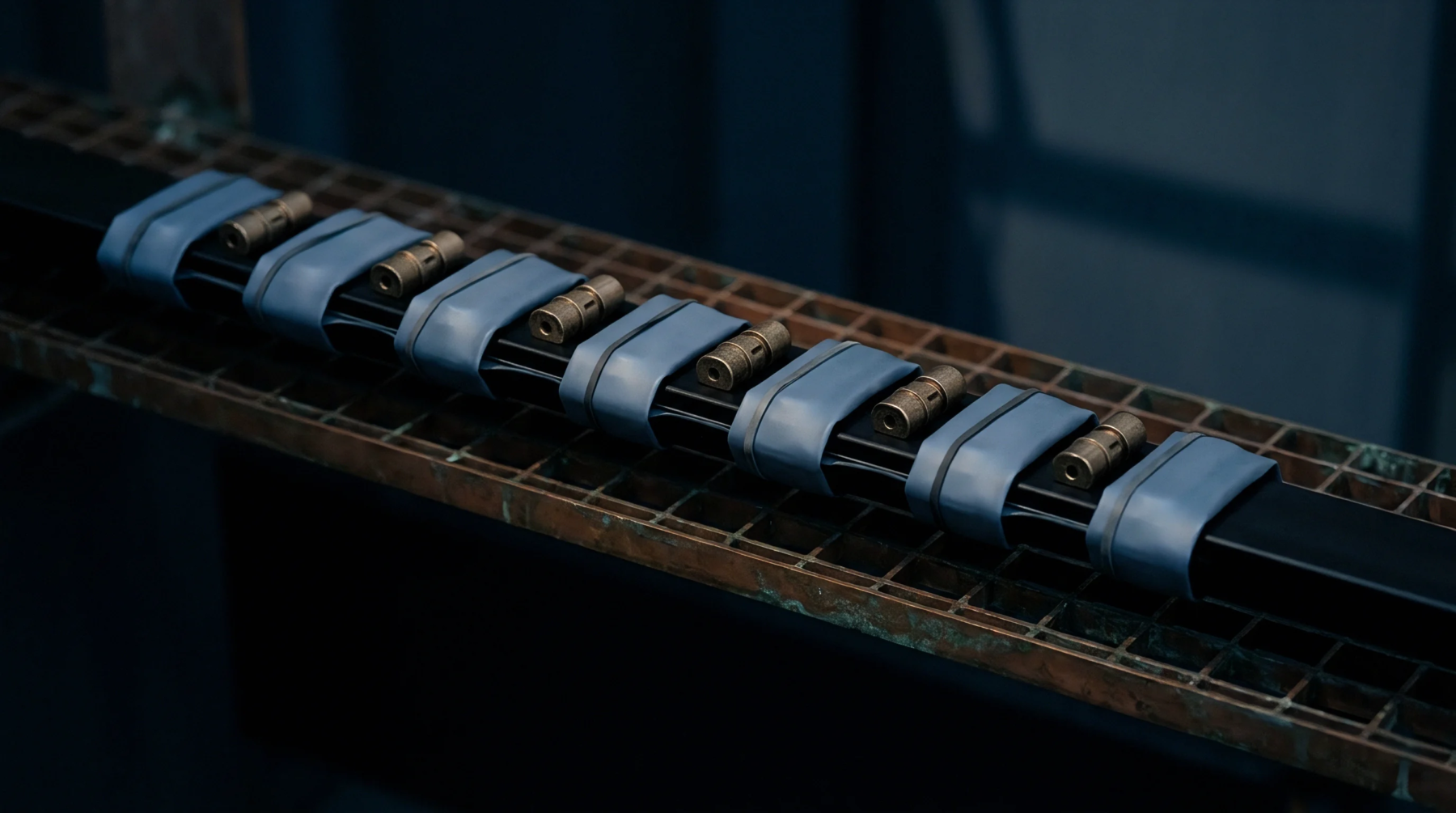
Sub-pack integrators absorb full unmitigated thermal runaway losses unless contracts define containment metrics and carve out propagative fire liabilities.

Optimal prismatic module thermal interface selection balances bulk conductivity against rheology and compliance to accommodate swelling without dielectric rupture.

Volumetric displacement precision, shear rate thermal control, and wear-resistant fluid metering govern automated thermal gap filler dispensing performance.
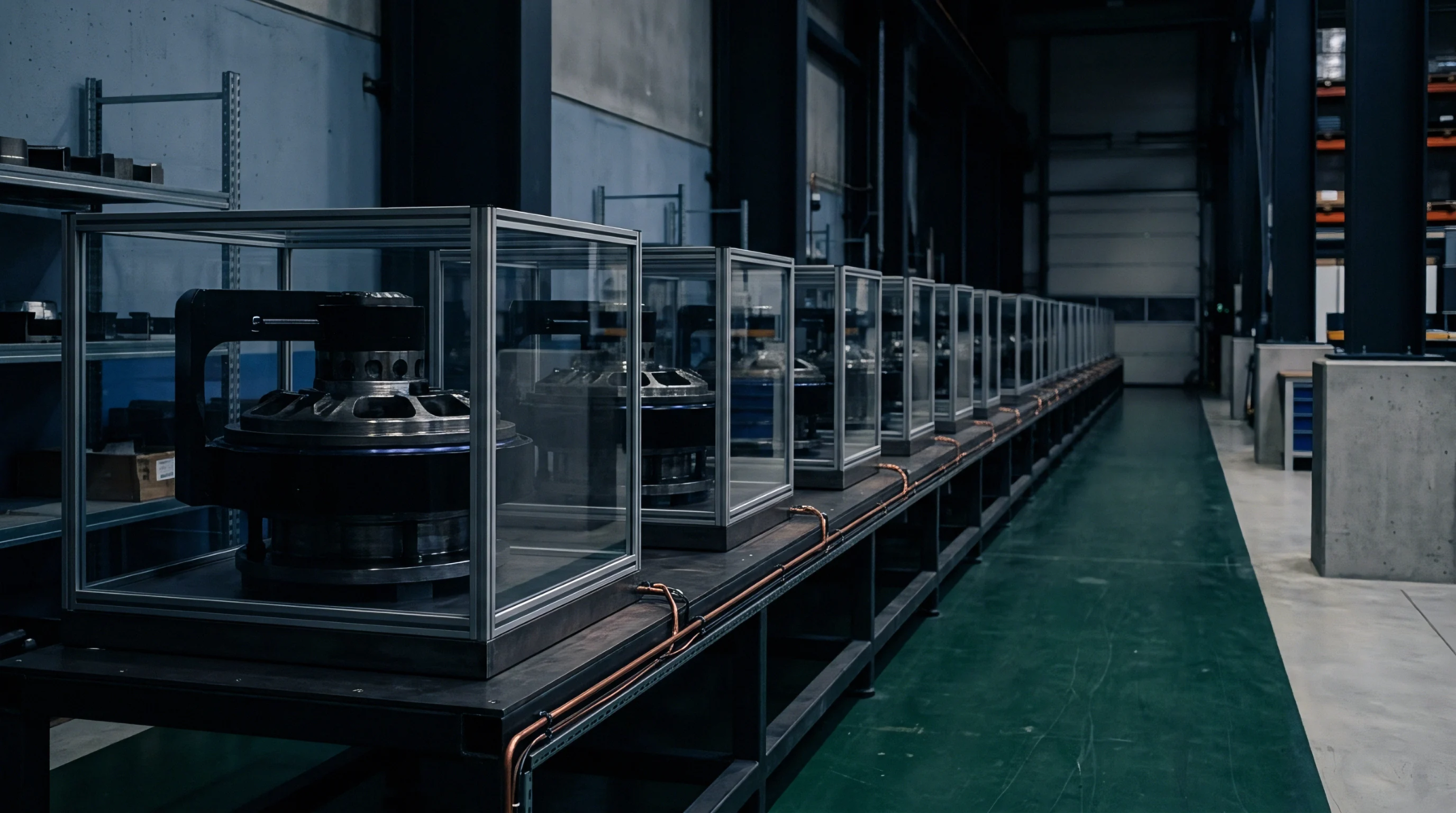
Inline phased array testing maps structural adhesive wet-out and void formation through metal pack enclosures in real time at production line speeds.
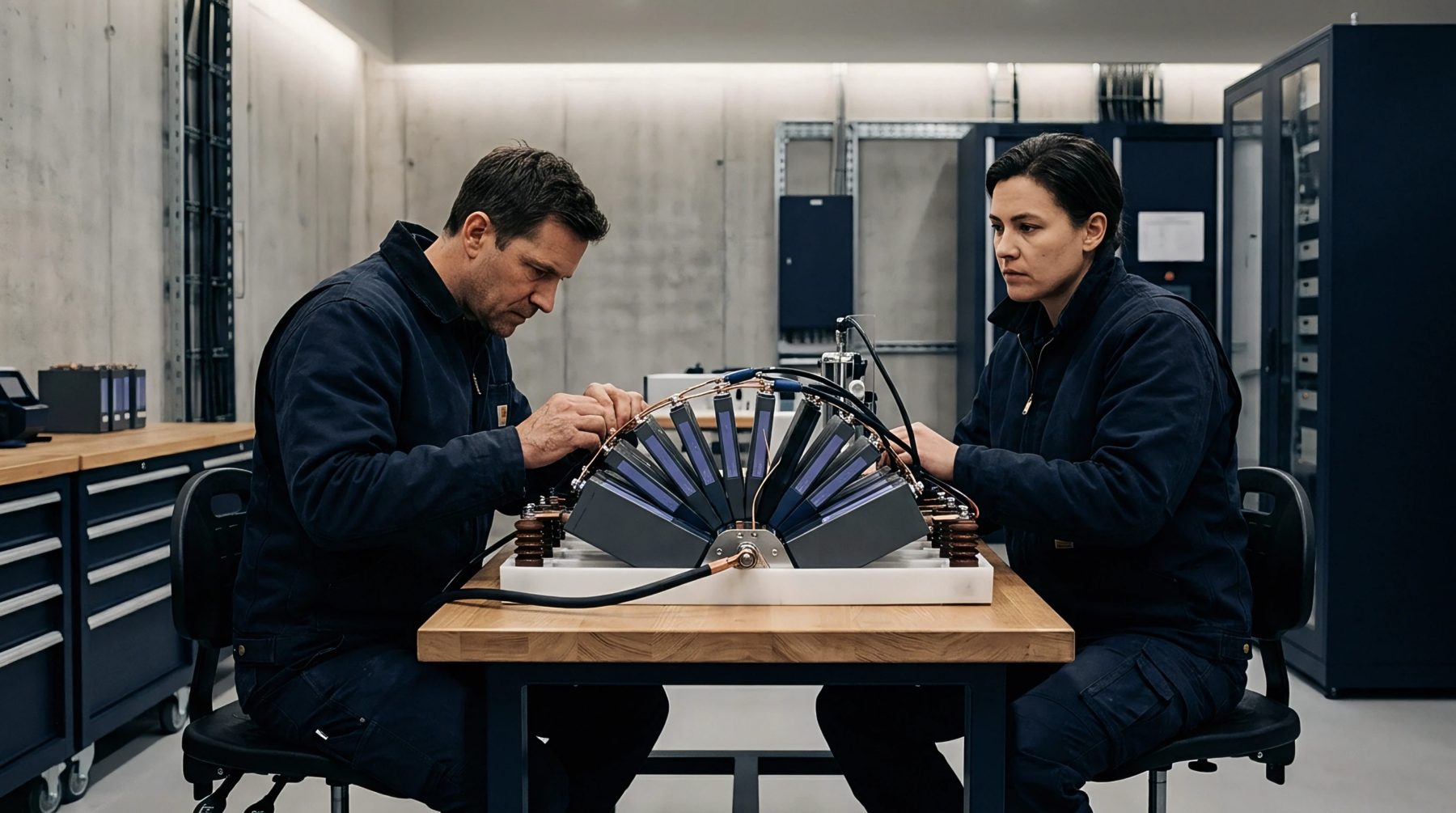
Procuring custom industrial battery modules requires locking cell format trade-offs, welding verification, and compliance files before amortizing tooling.

Transient squeeze flow mechanics during module clamping dictate micro air void entrapment, driving thermal impedance spikes and dielectric failure across cold plates.

Quantifying interface thickness variances across pack thermal layers prevents localized hot spots, cell degradation splits, and unallocated warranty exposure.

Planar cooling gradients split local current density, driving lithium plating at cold cell margins and rapid electrolyte consumption in warm regions.

Matching material compliance to prismatic swell while controlling bond line thickness dictates thermal impedance, voltage isolation, and pack yield.
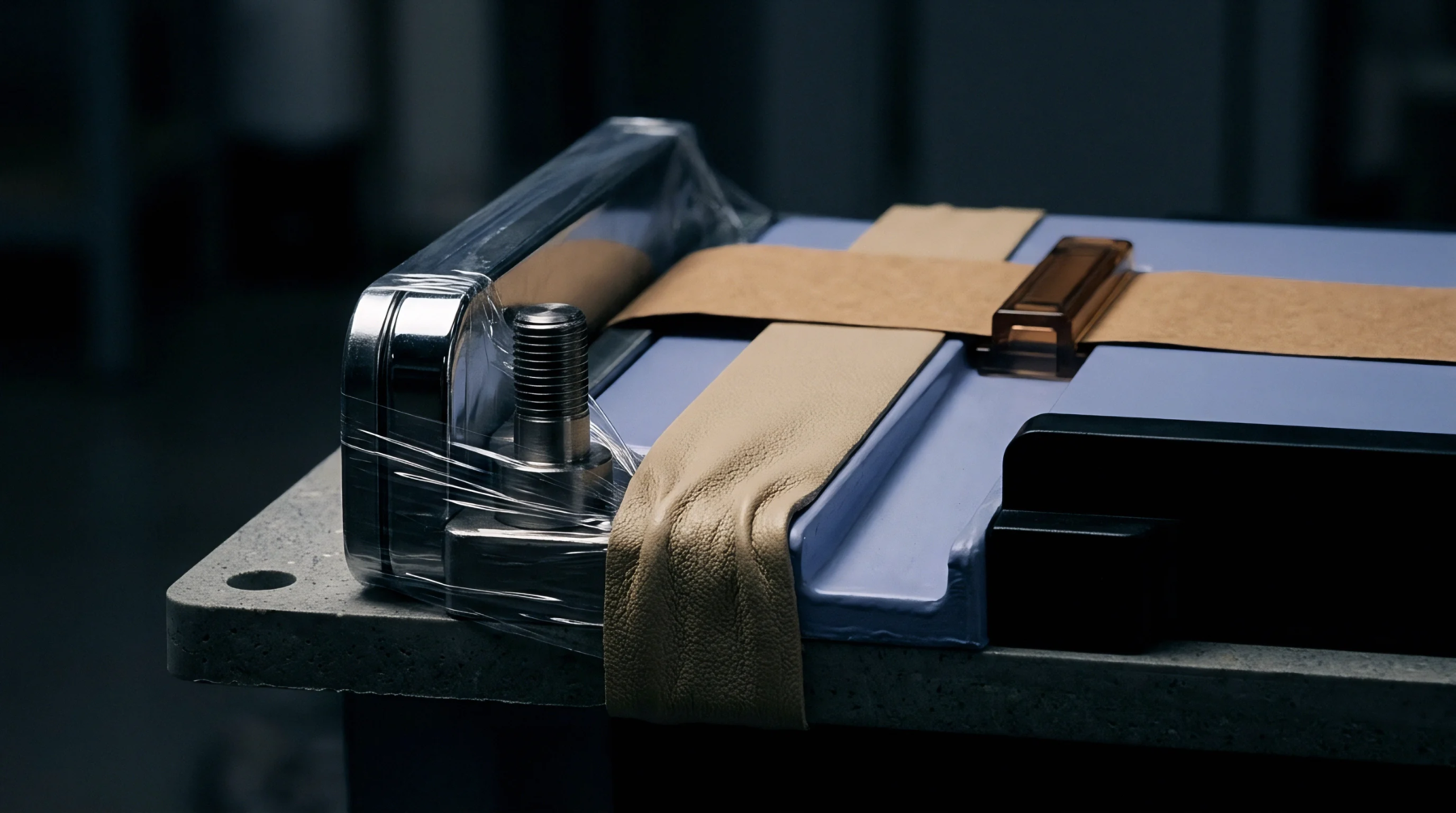
Controlled mechanical clamping combines rigid platen bracing with elastomeric cushions to constrain cyclic lithium cell swelling stress between 0.2 and 0.5 MPa.

Compressive creep and viscoelastic stress relaxation in thermal interface materials drop contact pressure, triggering thermal impedance spikes across battery plates.

Degradation of thermal interface materials through mechanical fatigue, oil bleed, and pump-out degrades pack heat transfer and drives thermal runaway risks.

Sustained compressive strain causes thermal interface creep, reducing contact pressure and raising seam thermal resistance over battery storage operating lifespans.
Anisotropic jellyroll resistance demands edge-aligned cooling, verified stack pressure, and strict batch-level thermal screening to prevent premature core fade.
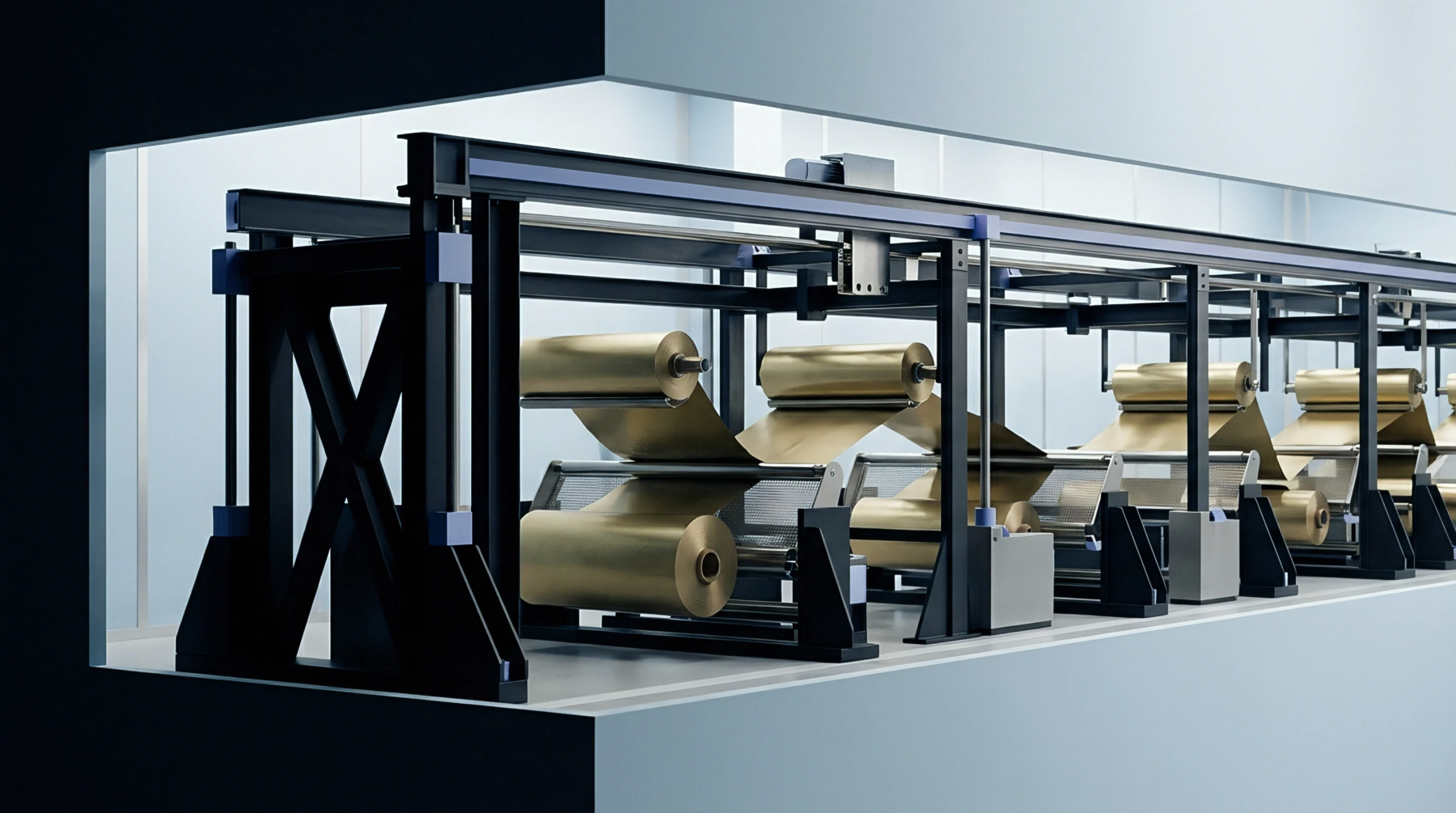
Physical tool registration, firmware source code escrow, and regulatory applicant control establish the only legally enforceable pack manufacturing IP boundaries.

Optimizing battery preload requires balancing compliant cushions and chassis stiffness to hold cell pressure between 0.10 MPa and 1.0 MPa across full lifecycle.
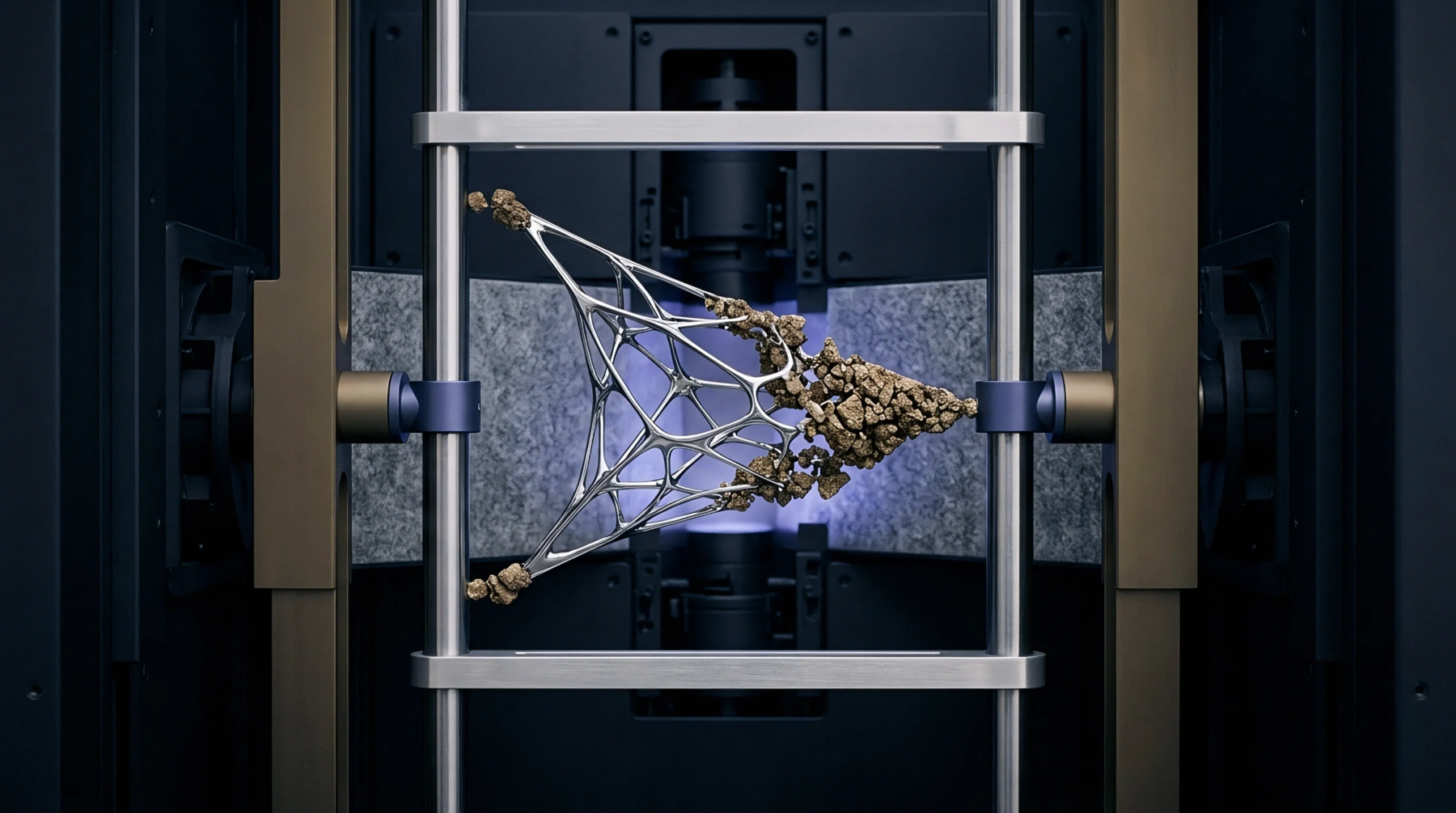
Cyclic thermal expansion and swelling pressure induce fatigue failure in brazed thermal plate joints and shear delamination across thermal interface layers.

Non-linear swelling concentrates peak bending at plate centers, requiring parabolic FEA pressure inputs to prevent underestimating structural strain by 40 percent.
Expertise is a utility, not a secret. sentiention™ publishes its working knowledge as open reference: intelligence layer covering the materials it sources, the markets it enters, and the reference that serves both.