
Primary Accreditation Schedule Verification for Lithium Cell Shipping
Primary accreditation schedule verification requires cross-checking laboratory ISO/IEC 17025 scope dates against physical UN 38.3.5 test summary parameters.

Primary accreditation schedule verification requires cross-checking laboratory ISO/IEC 17025 scope dates against physical UN 38.3.5 test summary parameters.

Ocean cell transport requires a strict 30 percent state of charge ceiling and 15°C to 20°C reefer climate control to prevent chemical degradation.

Maintaining cell state of charge below thirty percent and container temperatures below twenty-five degrees Celsius prevents maritime transit capacity loss.

Maximizing closed micro-voids while capping open surface area below 5 m²/g is mandatory to secure initial coulombic efficiency above 88 percent in sodium anodes.

Precise air flow rates and ramp controls prevent exotherm runaway during pitch stabilization, ensuring uniform cross-linking and high carbon yield.
Sealing surface open pores below two square meters per gram while maintaining closed void volume elevates hard carbon initial coulombic efficiency above ninety percent.

Cross-border clearance of high-density lithium storage relies on unbroken ILAC-MRA laboratory accreditation links and exact matching of UN 38.3 test data.

Pitch softening point governs precursor coating viscosity, volatile loss, pyrolytic carbon yield, and closed pore formation in hard carbon battery anodes.

Sub-zero AC warming induces cyclic SEI shear stress; operating above 100 Hz caps strain below fracture limits, mitigating rapid capacity loss and impedance growth.

Customs safety file auditing demands cross-matching cell part numbers, UN 38.3.5 test summaries, and dangerous goods declarations prior to vessel loading.

Quantifying weld fatigue in prismatic busbars under shock requires Manson-Coffin strain-life evaluation of notch stress profiles and cell inertial movement.
Alternating current pulses above 1 kHz bypass anode mass-transfer constraints, raising the lithium deposition threshold and extending pack cycle life.
Validating foreign laboratory scopes requires matching cell parameters against accredited test standards and equipment limits to secure valid customs clearance.

Engineering prismatic cell restraint requires balancing assembly preload, structural end-plate flexure, and cushion relaxation to absorb cycle swell below 1.2 MPa.

Sub-zero pre-heating overpotentials force anode potentials below equilibrium, demanding excitation frequencies above one kilohertz to prevent lithium plating.

Sub-zero lithium plating initiates when anode overpotential drops below 0V vs Li/Li+, requiring real-time dV/dt or strain sensing to avoid fast failure.

Subcontracted lab exclusions in UN 38.3 summaries trigger port entry holds; buyers must cross-reference ISO 17025 scopes against parameter schedules.
Sub-zero charging forces anode overpotential below zero volts, causing lithium plating that dissipates via chemical re-intercalation only during enforced rest periods.

Micro reference electrode insertion requires precise probe positioning outside high-current paths and hermetic micro-glands to isolate individual electrode potentials without inducing impedance artifacts or cell seal leaks.

Extended sub-zero cycling drives exponential SEI impedance growth via lithium plating and film cracking, requiring low-desolvation additives to prevent roll-off.
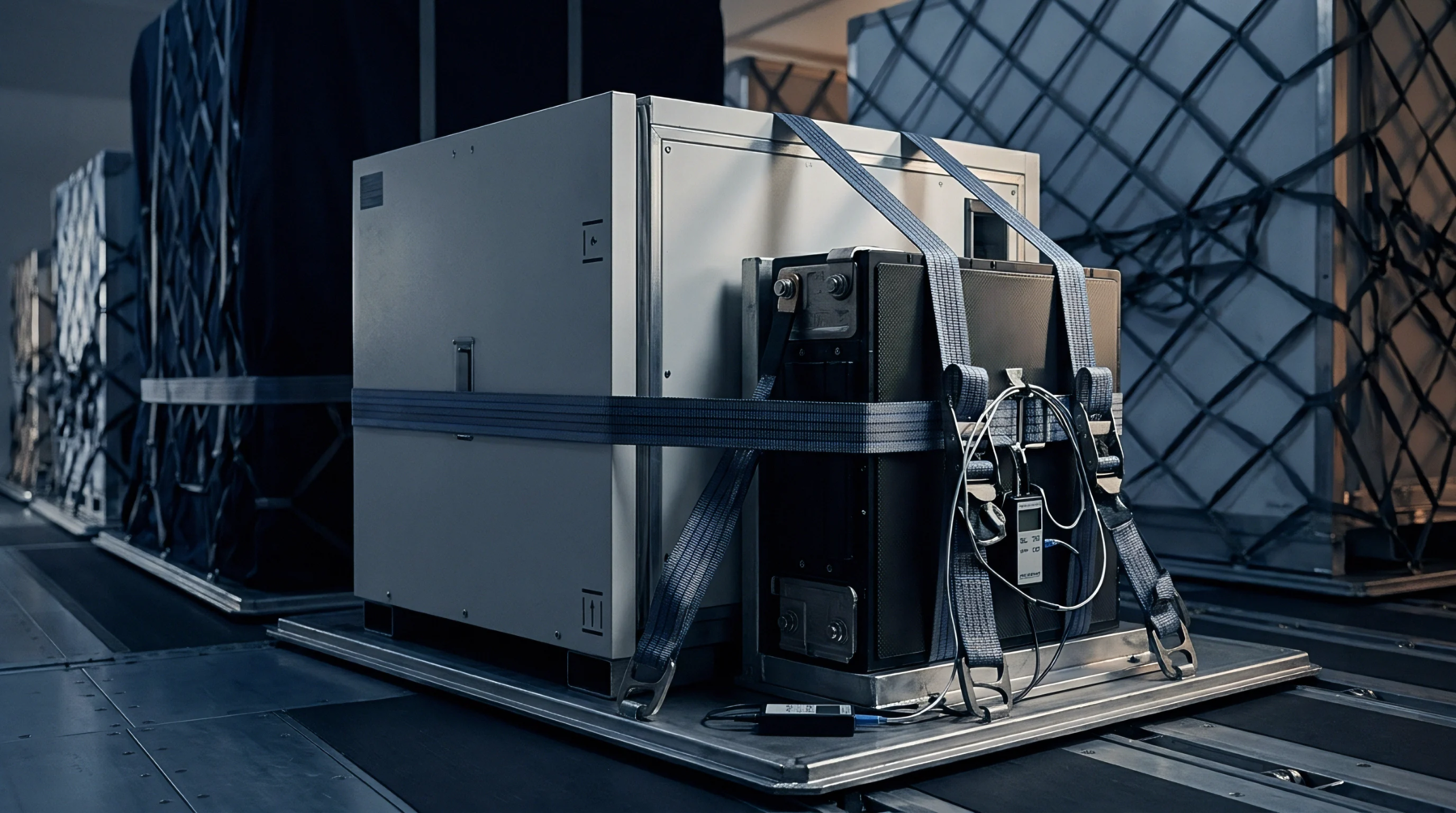
Cross-reference lab ISO 17025 schedules against UN 38.3 revisions, mass limits, and test sub-clauses to prevent carrier cargo rejections and customs seizures.
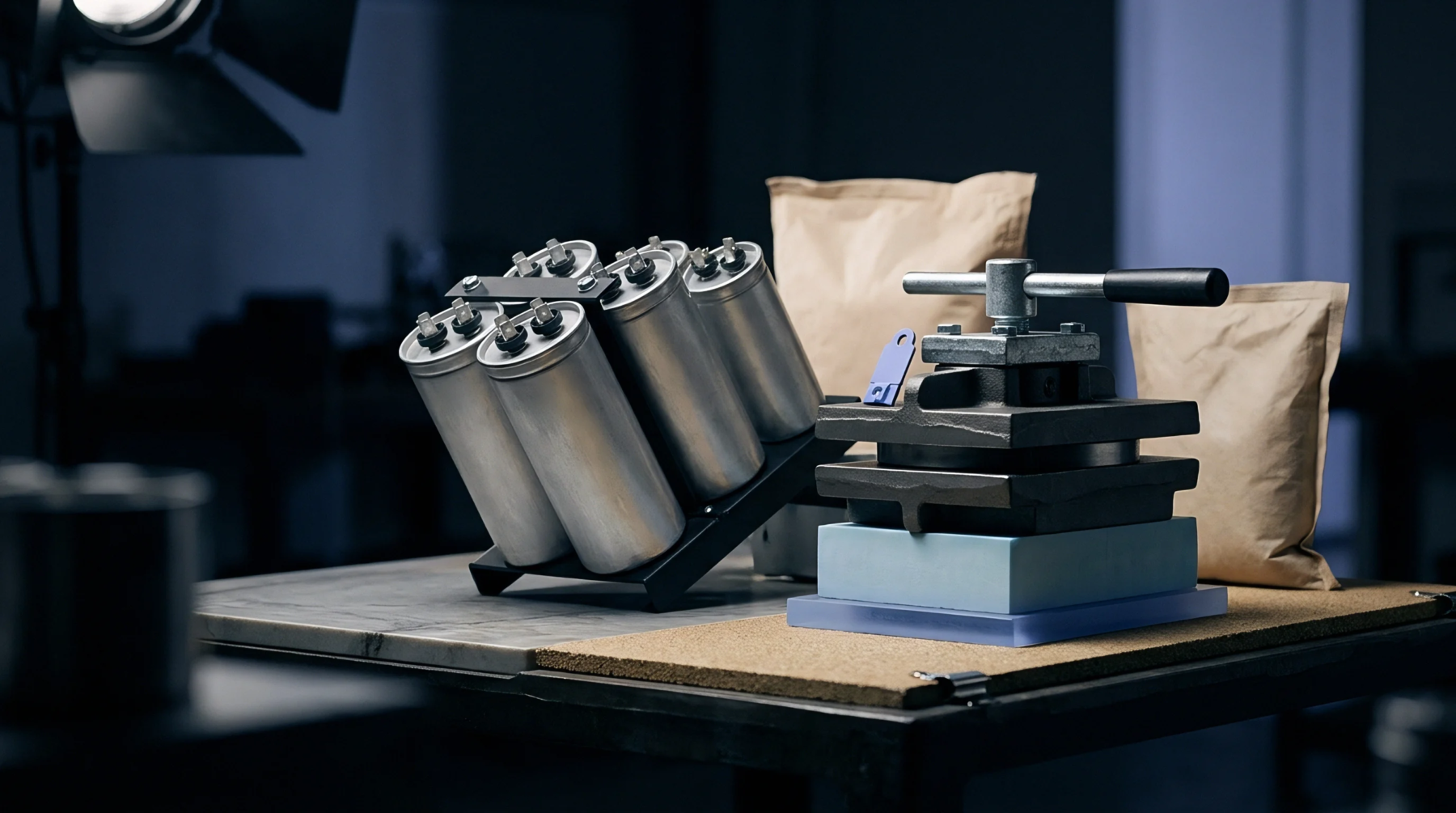
Low volume cylindrical pack builds require strict cell sorting, optimized micro-joining, off-the-shelf cell matrices, and early compliance planning to control NRE expenses.

Sub-zero graphite anode charge acceptance requires balancing interfacial desolvation kinetics and solid diffusion to prevent lithium plating below zero volts.

Integrating cell vendor BMS firmware blocks requires explicit register locks, hardware abstraction layers, and tamper-proof telemetry logs to isolate warranty liability.

Auditing UN 38.3 test summaries requires validating laboratory accreditation, matching cell mass and capacity, and verifying all ten mandatory 38.3.5 items.
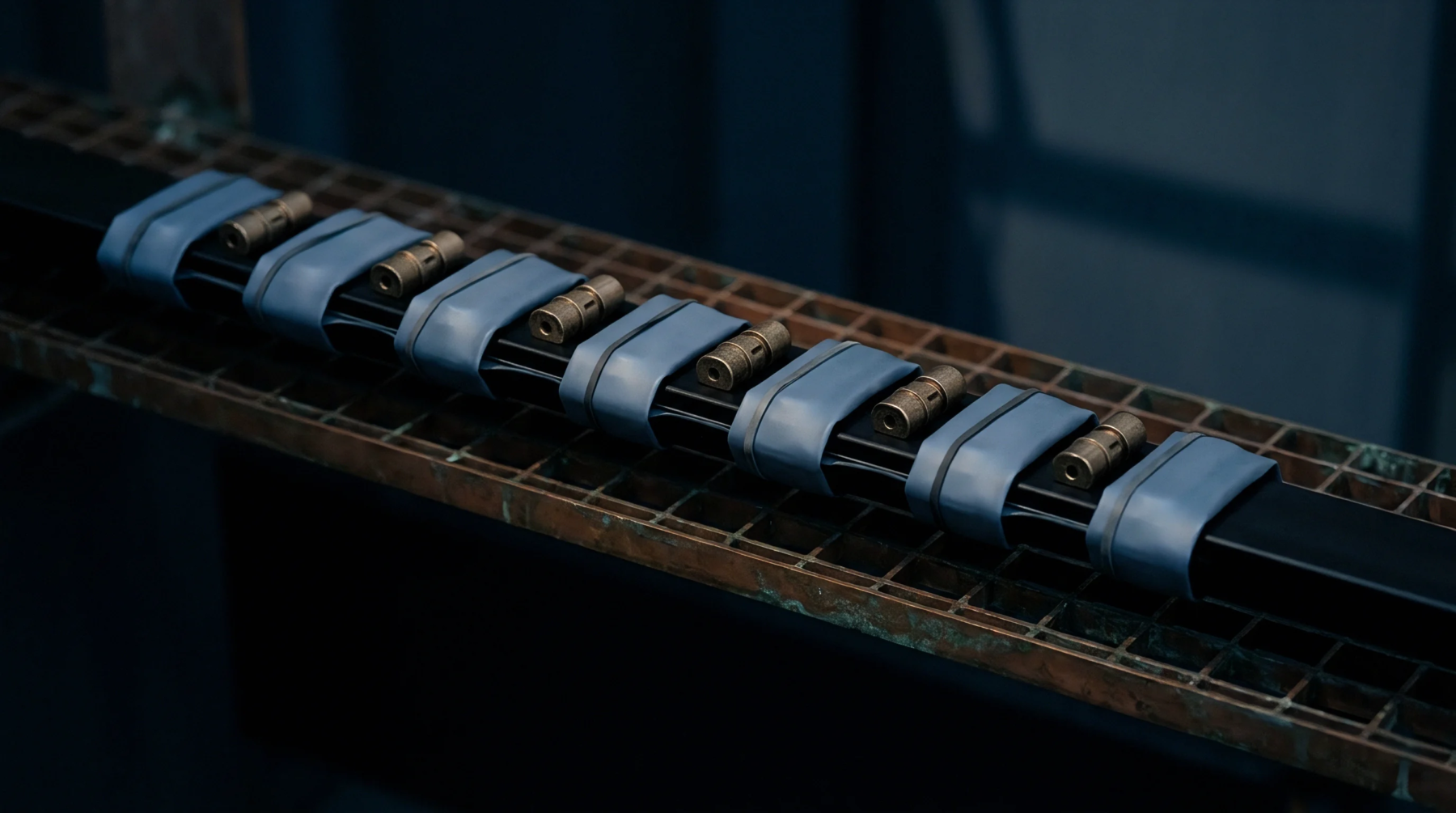
Regulatory file ownership in custom battery pack procurement dictates legal import authority, transport compliance liability, and multi-factory manufacturing rights.
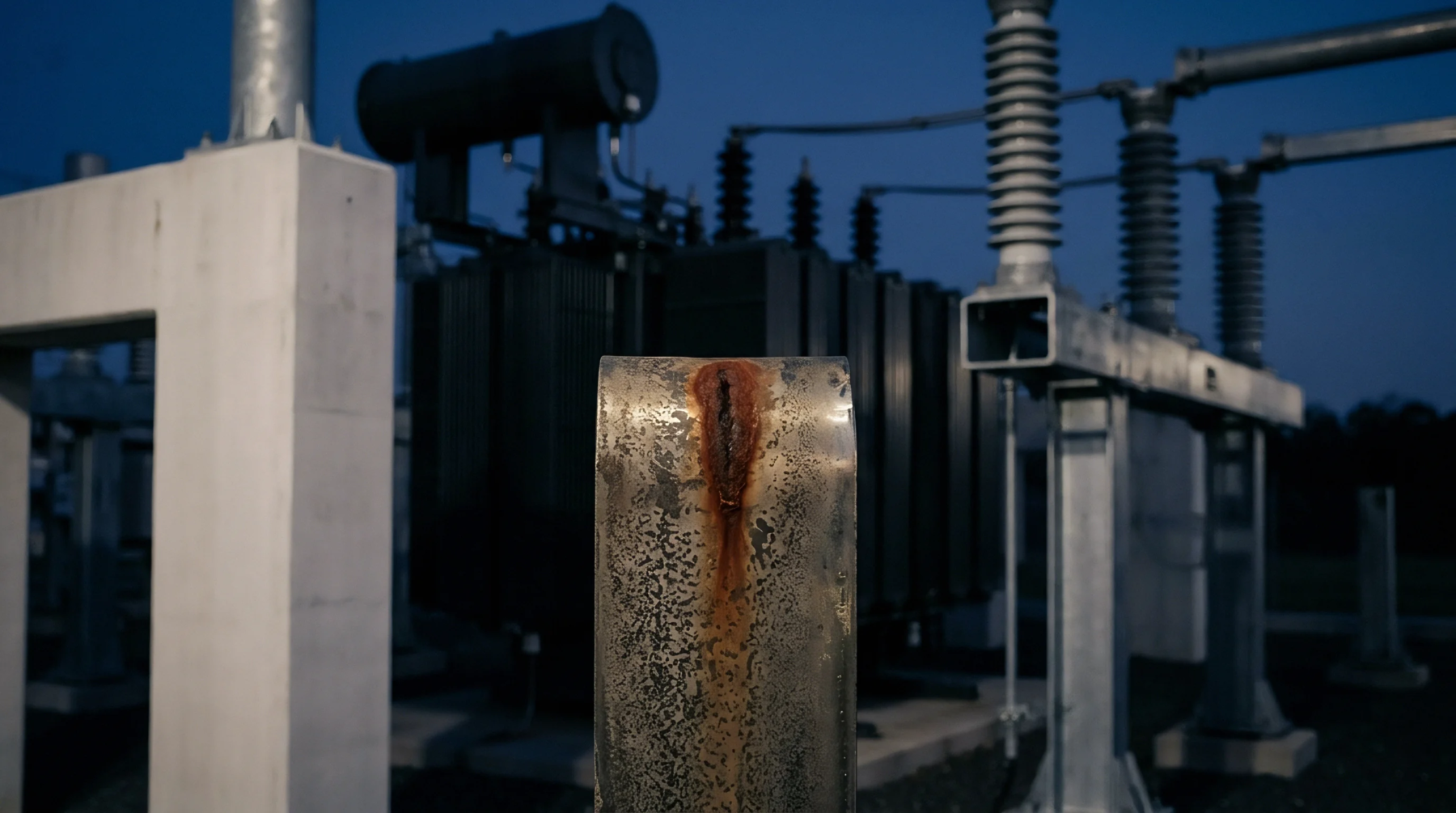
Non-isothermal multiphase ingress kinetics govern high-nickel cathode decay, requiring strict thermal controls and sealed transport packaging.

Correlating vacuum helium effusion to atmospheric ingress requires separating molecular pinhole effusion from polymer solution-diffusion to prevent premature electrolyte hydrolysis.

Three-electrode overpotential diagnostics define real sub-zero fast-charge boundaries by tracking negative electrode potential directly against lithium metal.

Designing custom battery packs requires accounting for cell breathing and manufacturing tolerance stack-ups to protect thermal interfaces and weld joints.
Expertise is a utility, not a secret. sentiention™ publishes its working knowledge as open reference: intelligence layer covering the materials it sources, the markets it enters, and the reference that serves both.