
Powder Metallurgy Tool Steel Carbide Atomization Parameters
Optimizing tundish superheat, gas-to-metal ratio, and cooling rates ensures uniform fine carbide distribution and eliminates thermal segregation in PM tool steel powder.
Optimizing tundish superheat, gas-to-metal ratio, and cooling rates ensures uniform fine carbide distribution and eliminates thermal segregation in PM tool steel powder.
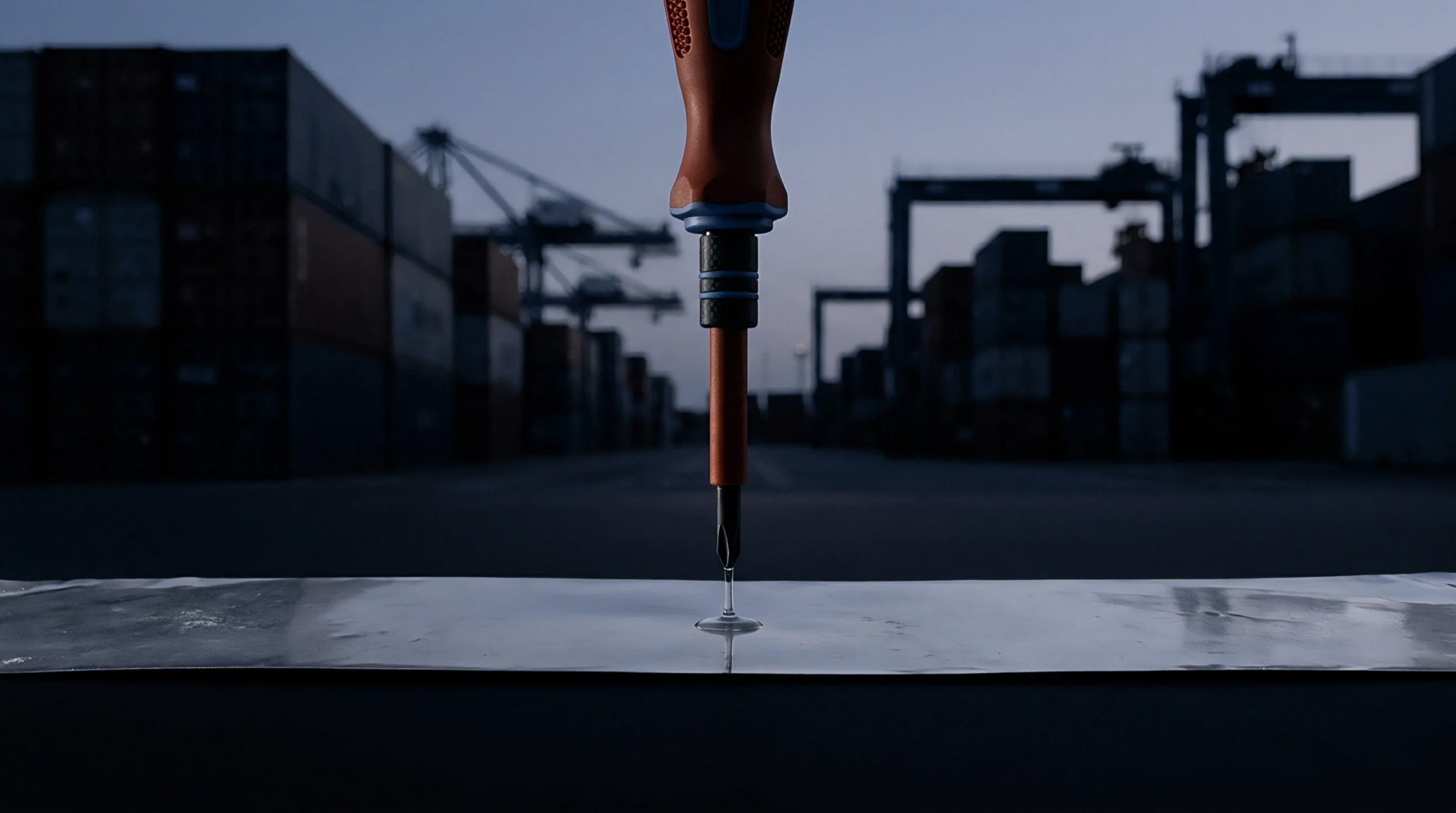
Gas atomization of tool steel powders requires maintaining melt superheat at 150°C above liquidus and gas-to-metal ratio between 1.8 and 2.5 to optimize yield.
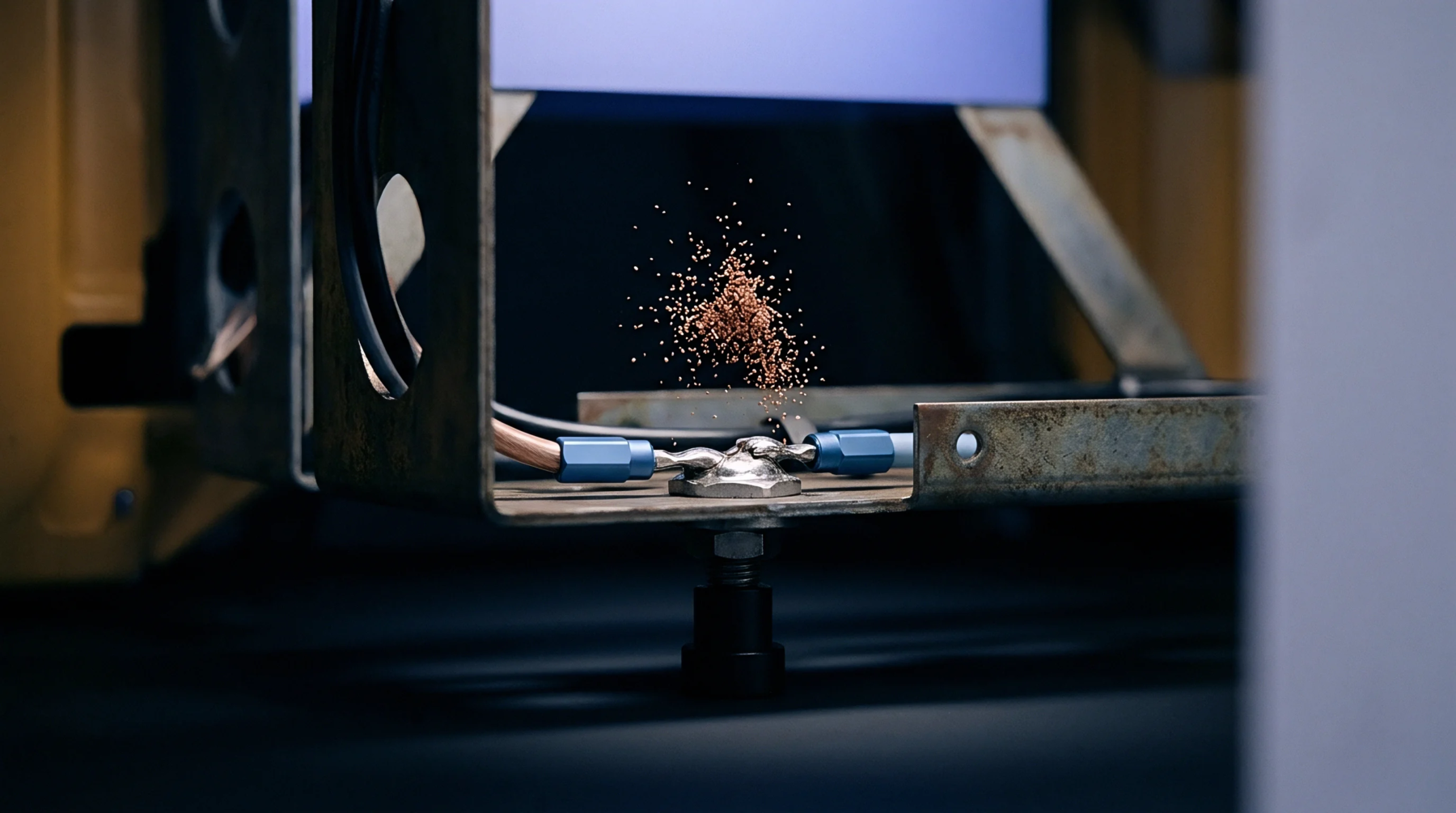
Carbide nucleation kinetics during inert gas atomization are controlled by droplet cooling rates between 10,000 and 1,000,000 K/s, dictating PM steel toughness.
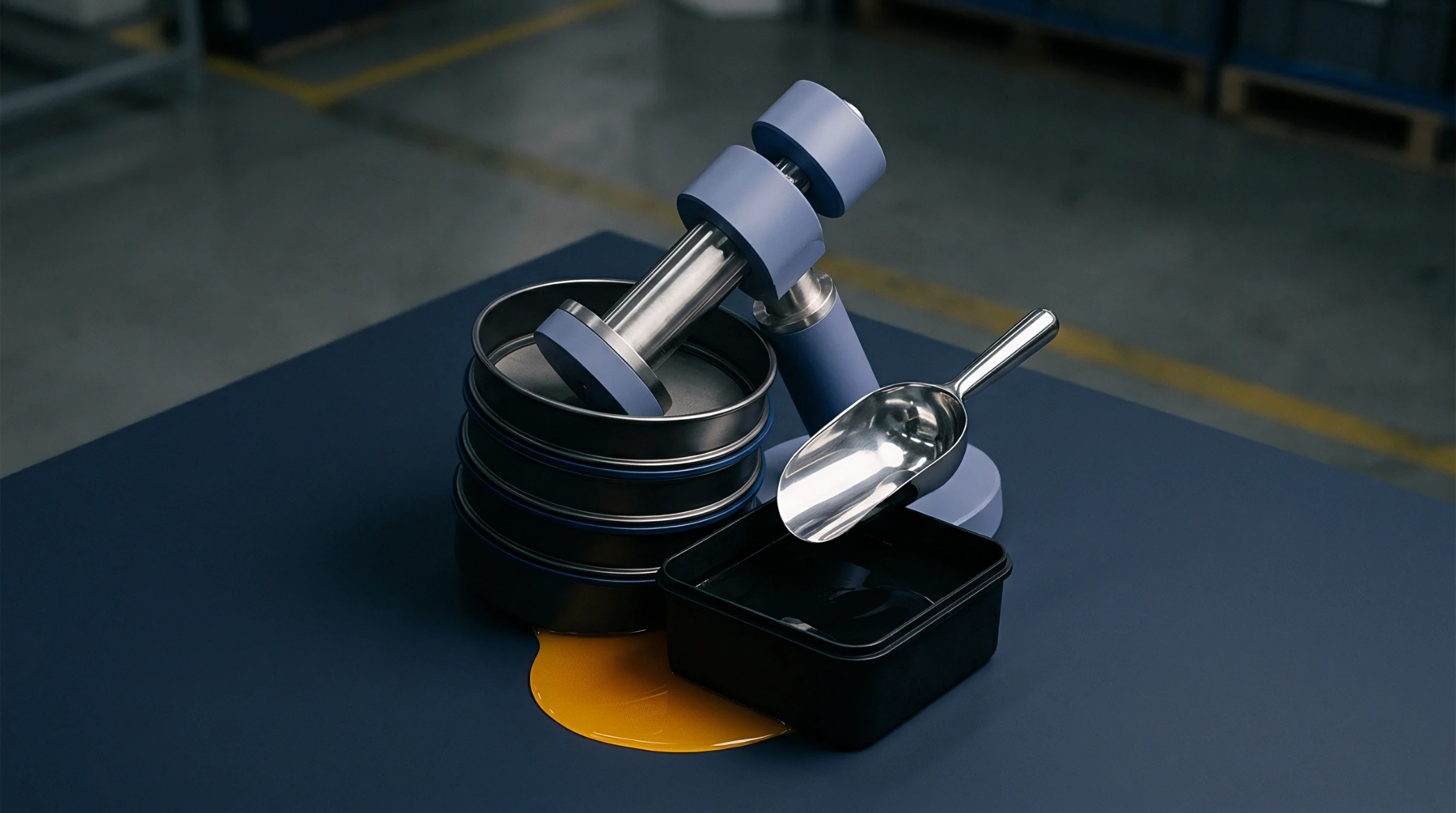
Inert gas atomization of tool steels requires precise superheat control, supersonic argon nozzles, and closed-loop gas recycling to yield dense spherical powders.

Gas atomization of high alloy tool steel requires matching gas-to-melt ratios and superheat to restrict internal argon void volume under 0.05 percent.

Precise ceramic tip protrusion and supersonic argon aspiration stability dictate powder yield, preventing melt freeze-off and carbide segregation.
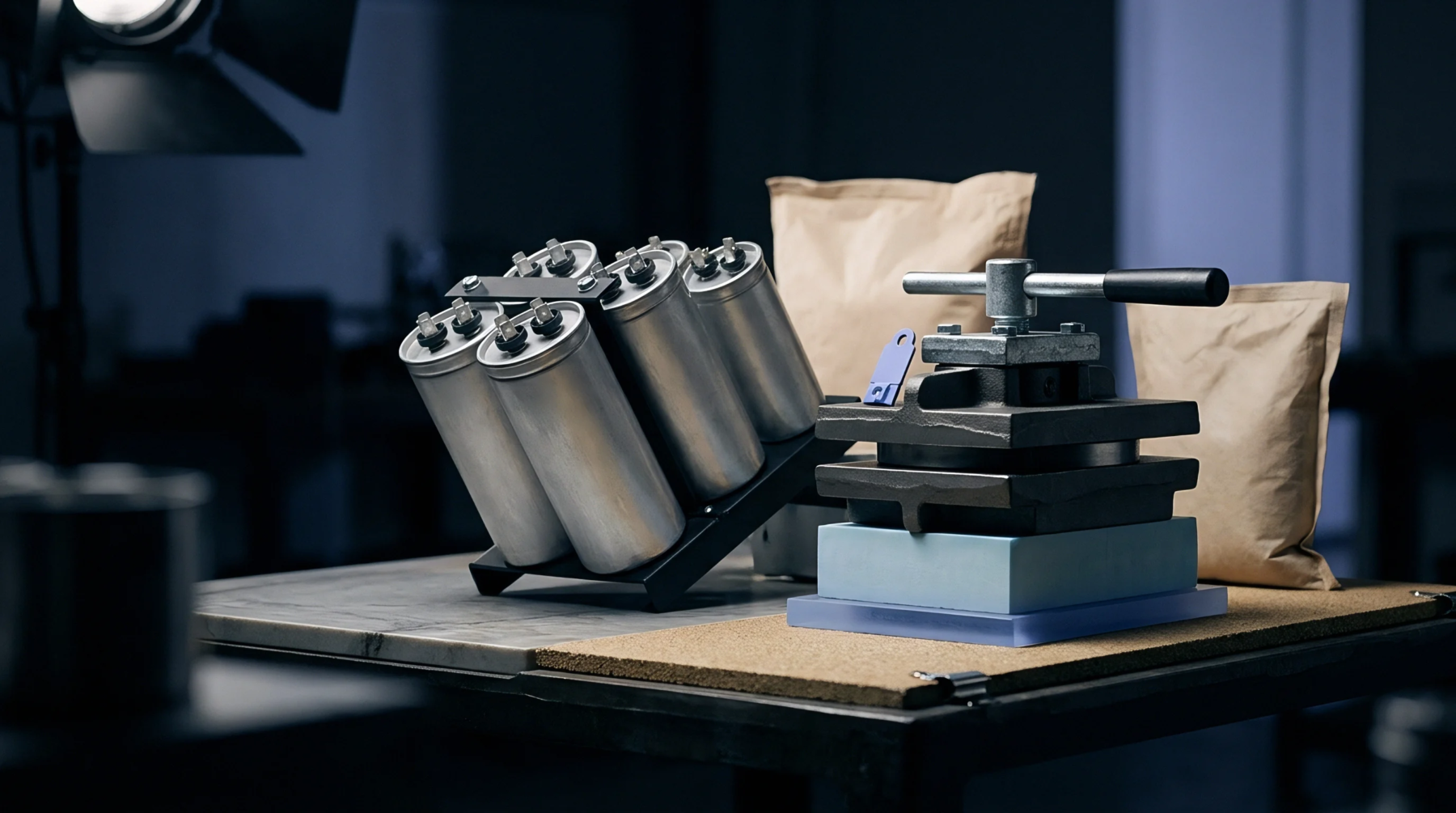
Optimize gas-to-metal ratios between 2.8 and 4.2 under controlled aspiration pressure to maximize tool steel powder yields and suppress internal gas entrapped porosity.

Optimize argon delivery pressure to balance nozzle suction against kinetic energy transfer, maximizing fine powder yield while avoiding tip overpressure.
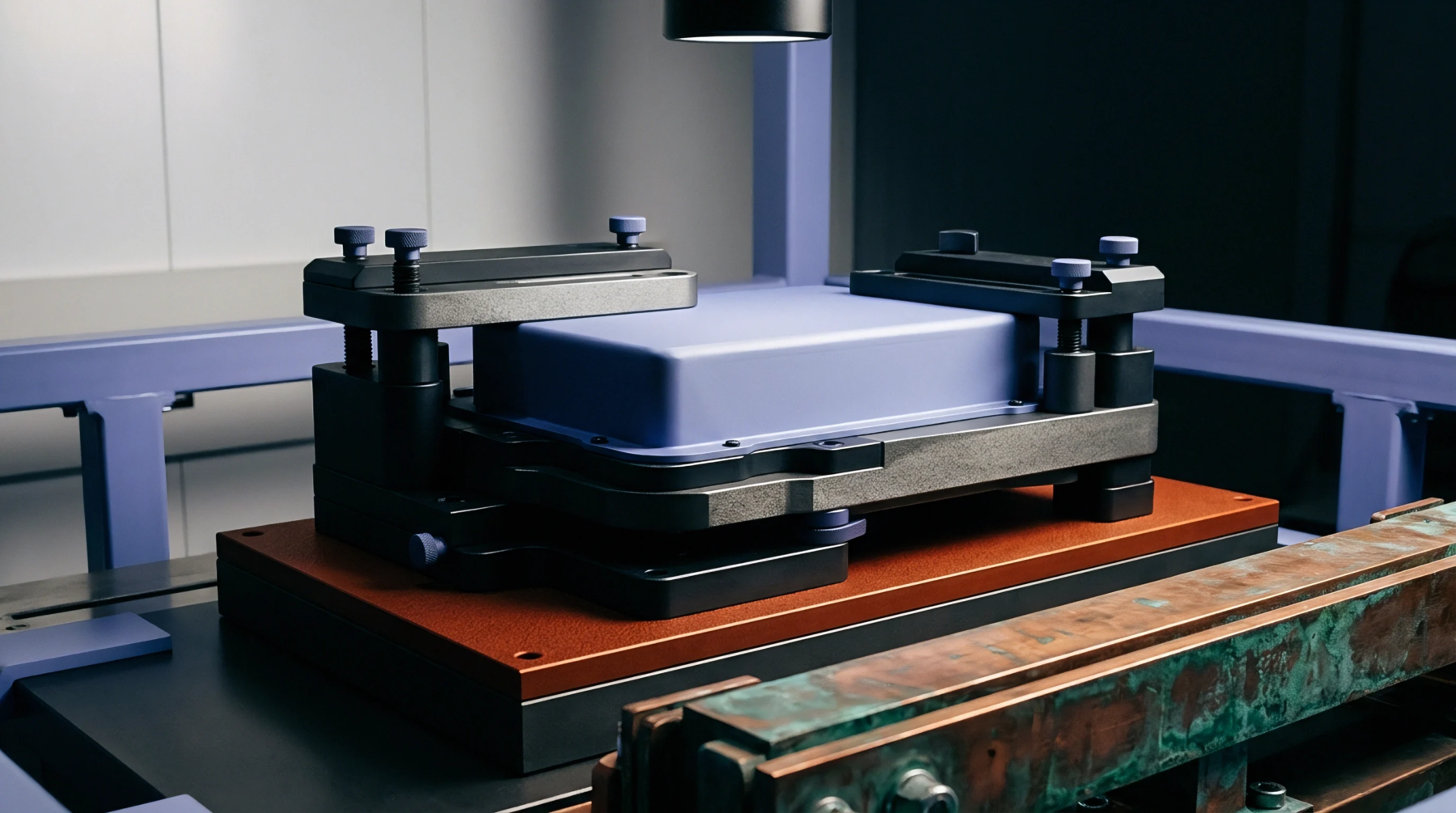
Field emission electron backscatter stereology provides accurate sub-micron carbide metrics required to prevent electrode slitting blade wear and cell separator punctures.

Modulating close-coupled gas atomization pressure to match supersonic shock alignment stabilizes tip aspiration pressure, maximizing spherical battery powder yield within target size windows.
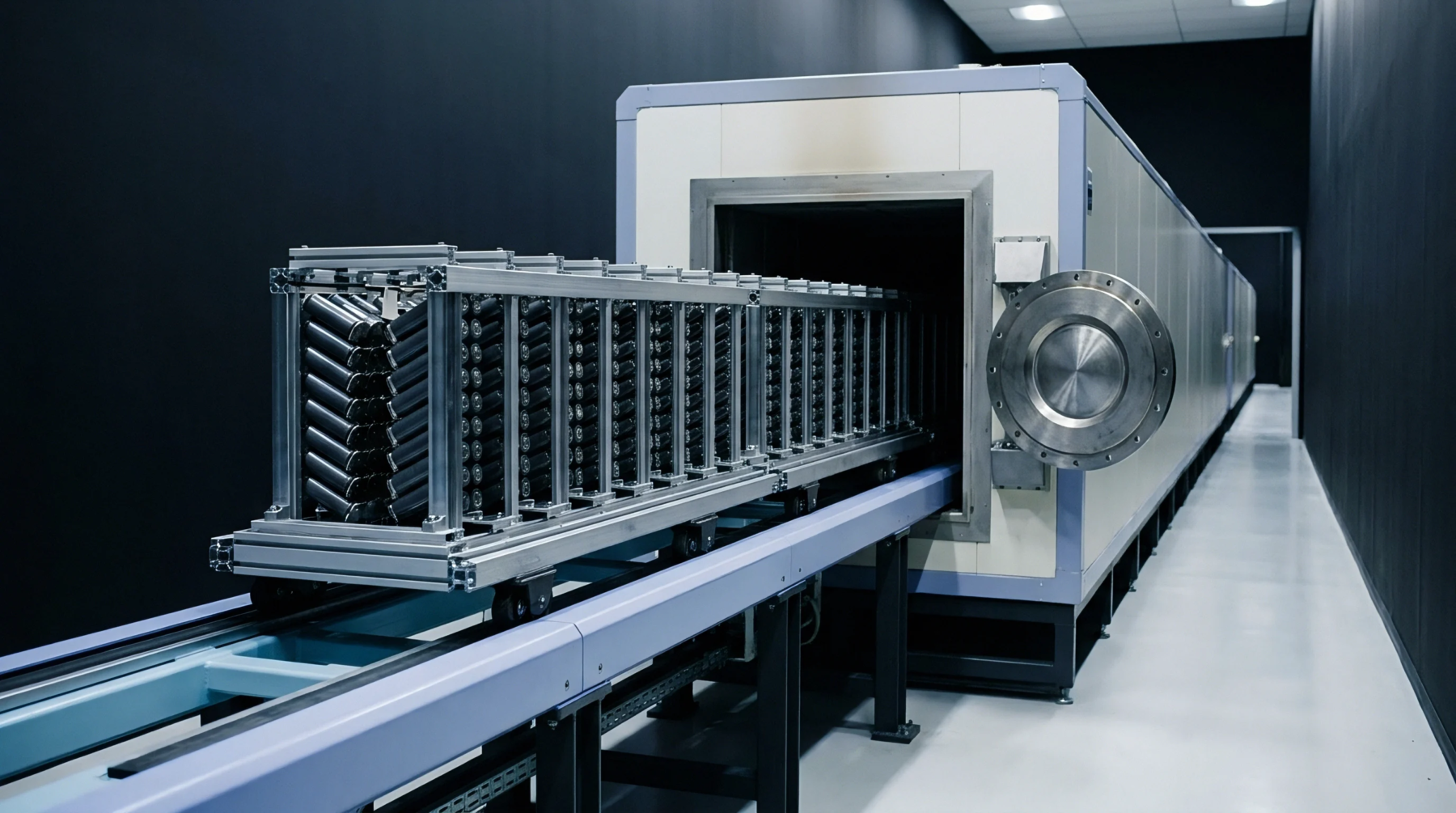
Argon void modeling links powder atomization physics to HIP kinetics, allowing buyers to set strict gas limits that prevent tool strength loss.

Dynamic argon pressure calibration stabilizes supersonic nozzle shock structure, locking particle size distribution and protecting additive powder yields.
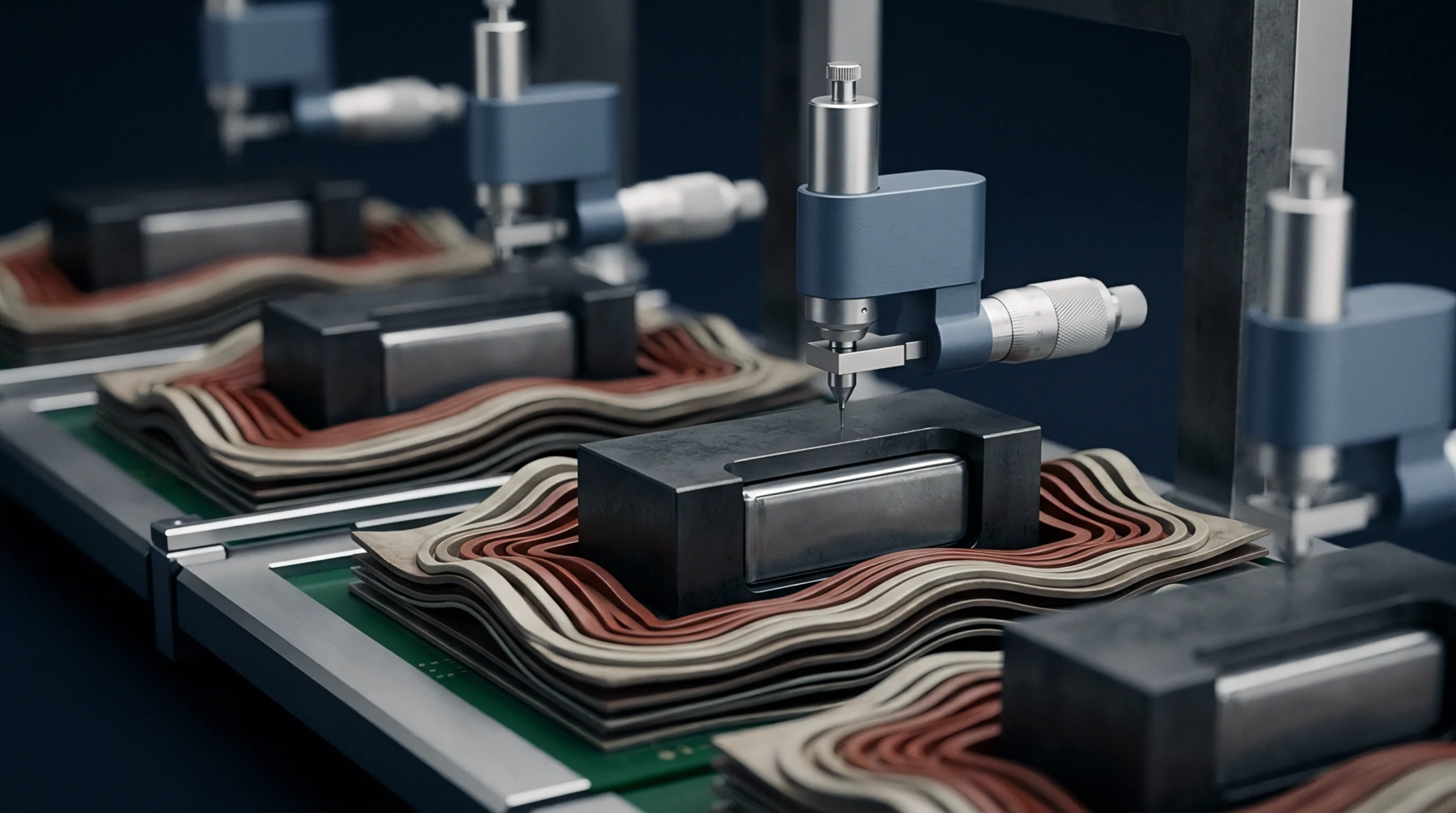
Supersonic wave instability at the atomizer tip drives melt back-streaming and broadens particle size distribution; stabilizing shock position restores powder yield.
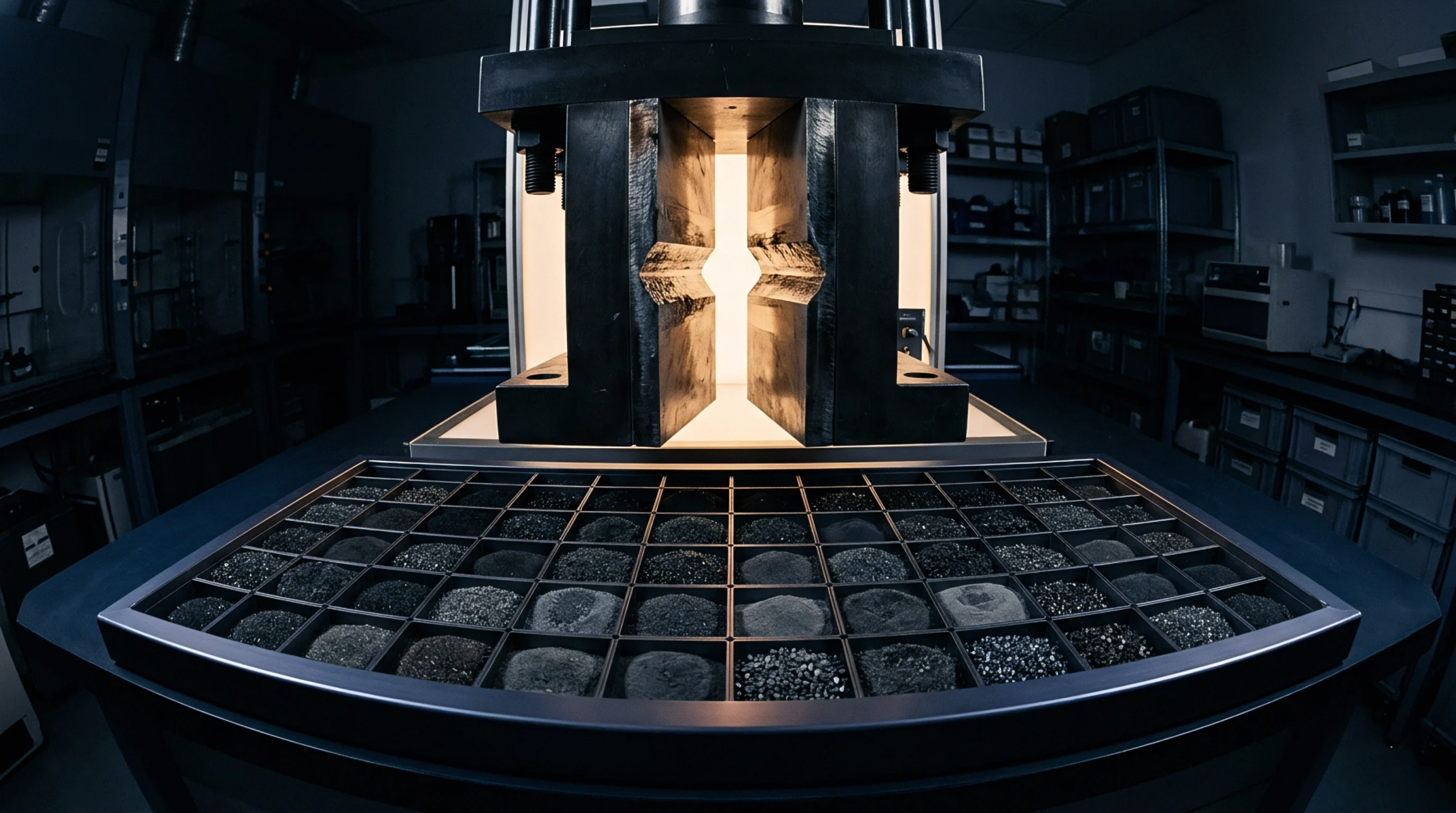
Melt superheat, gas-to-metal ratio, and aspiration pressure dictate particle size distribution, cooling rate, and oxide pickup in tool steel powder production.

Kinetic solute trapping in rapid atomization suppresses coarse silicon crystallites by overriding equilibrium partitioning above critical interface speeds.

Controlling rotary kiln pyrolysis kinetics optimizes hard carbon interlayer spacing and closed porosity, raising sodium-ion anode initial coulombic efficiency.

Close coupled atomization controls melt superheat, aspiration pressure, and supersonic gas shear to yield ultrafine spherical powders for battery manufacturing.

Transient modeling of shock boundary layer dynamics predicts nozzle aspiration stability and droplet breakup by coupling compressible flow with reaction kinetics.

Hydrometallurgical refining and coprecipitation dynamics dictate precursor particle morphology, phase purity, and electrochemical life in lithium-ion cells.
Controlling melt superheat within a twenty-kelvin window balances gas atomization efficiency against refractory dissolution in high-alloy tool steel powder production.

Controlling melt superheat and nozzle pressure limits vapor pressure elemental loss while helium purge or vacuum degassing eliminates micro-cavity gas voids.
Increasing gas to metal mass ratio decreases median particle size in tool steel powder, shifting mass yield into fine powder fractions at higher argon expense.

Physical characterization of recycled cathode precursors requires screening tap density, internal porosity, and particle friability to prevent calcination failures.

Specific gas consumption and nozzle tip pressure determine liquid breakup efficiency and final yield in tool steel atomization.
Maintaining gas atomization pressure between 2.5 MPa and 4.0 MPa optimizes particle sphericity while suppressing fine satellite dust in battery precursor synthesis.

Optimize close-coupled gas atomization gas-to-metal ratio between 3.5 and 4.0 to maximize 5 to 25 micrometer battery powder yield while limiting fines.

Entrapped argon voids in vacuum gas atomized powder cause thermally induced porosity during thermal processing, requiring tight argon specifications under 0.5 ppm.

Structured silicon alloy kinetics depend on managing stress-driven diffusion back-pressure and silicide matrix creep under external mechanical stack confinement.

Precision calibration of argon mass flow and trace purity controls particle size distribution and prevents interstitial oxide formation in atomized powders.

Dynamic regulation of gas supply pressure preserves aspiration differential at close-coupled nozzles, eliminating melt freeze-off and controlling powder size.
Expertise is a utility, not a secret. sentiention™ publishes its working knowledge as open reference: intelligence layer covering the materials it sources, the markets it enters, and the reference that serves both.