Meaning
Disordered arrangement of graphene sheets defines the internal structure of carbon materials characterized by parallel but laterally shifted layers. Turbostratic carbon lacks the three-dimensional crystalline order found in graphite because the layers do not align to create a continuous lattice. Variations in the degree of layer misalignment govern the electronic and mechanical properties of the material.
This structural state originates from the incomplete graphitization of precursors during heat treatment below typical graphitizing temperatures.
Disorder Measurement
X-ray diffraction patterns quantify the interlayer spacing and the lack of translational symmetry in turbostratic carbon. Higher d-spacing values reveal the absence of coherent stacking between individual hexagonal layers. Differences in line broadening allow technicians to estimate the size of crystalline domains along the stacking direction.
Such data identifies the effectiveness of carbonization cycles in battery anode precursors.
Structural Transition
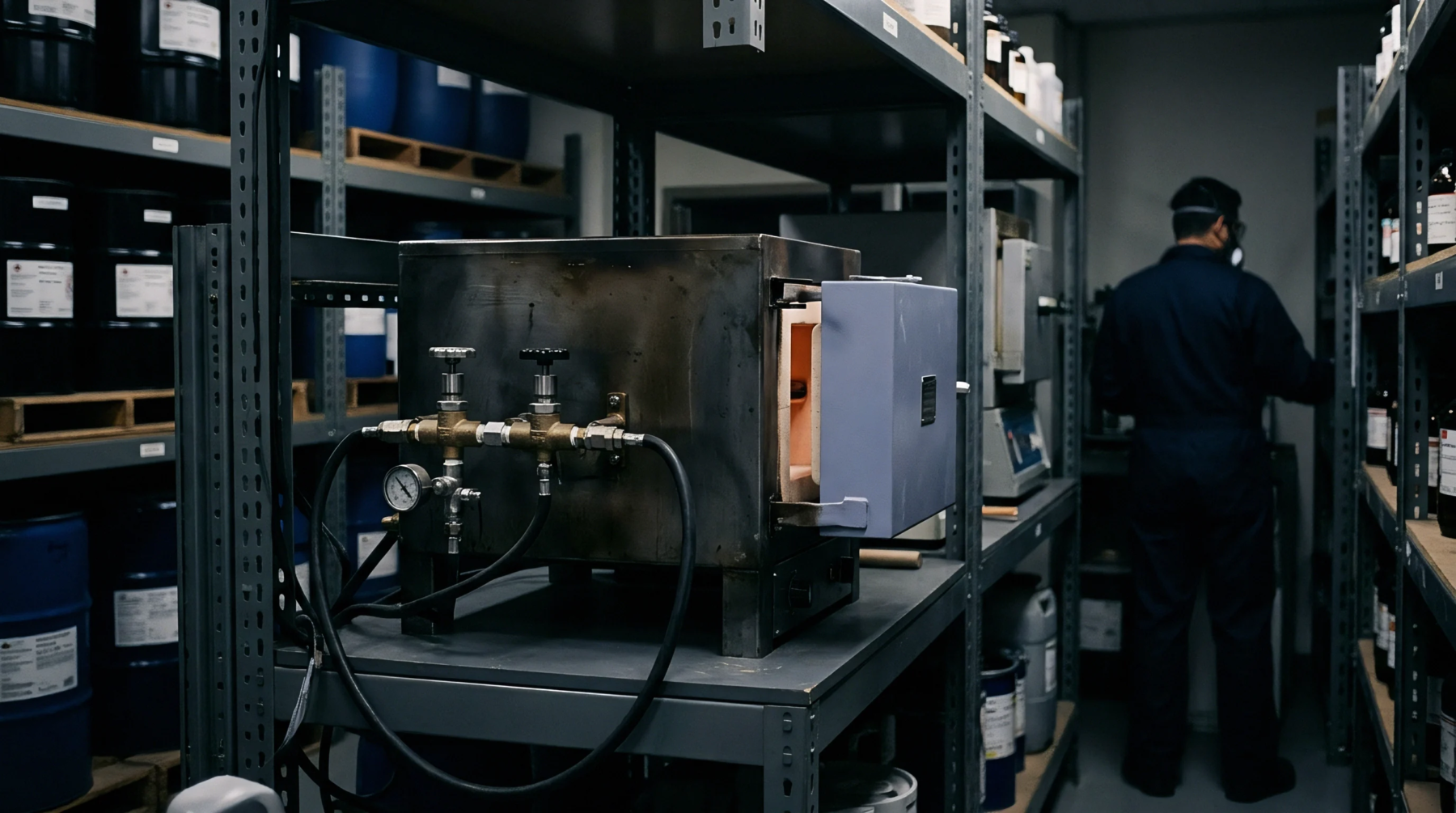
Heating the material to temperatures exceeding two thousand degrees Celsius drives the realignment of the carbon layers into a standard hexagonal lattice. During this process the layers shed rotational and translational defects through atomic migration. Shrinkage of the interlayer distance tracks the conversion from a turbostratic state toward a more ordered graphitic structure.
Hard carbons resist this transition due to cross-links between graphene sheets that prevent lateral sliding.
Conductivity Influence
Charge carrier mobility depends upon the path available for electrons across the misaligned carbon sheets. Localized electronic states near the stacking boundaries restrict the flow of current within the bulk material. Efficient transport depends on the density of defects that act as scattering sites for mobile carriers.
Proper control of this disordered phase enables the tuning of lithium intercalation kinetics in energy storage applications.