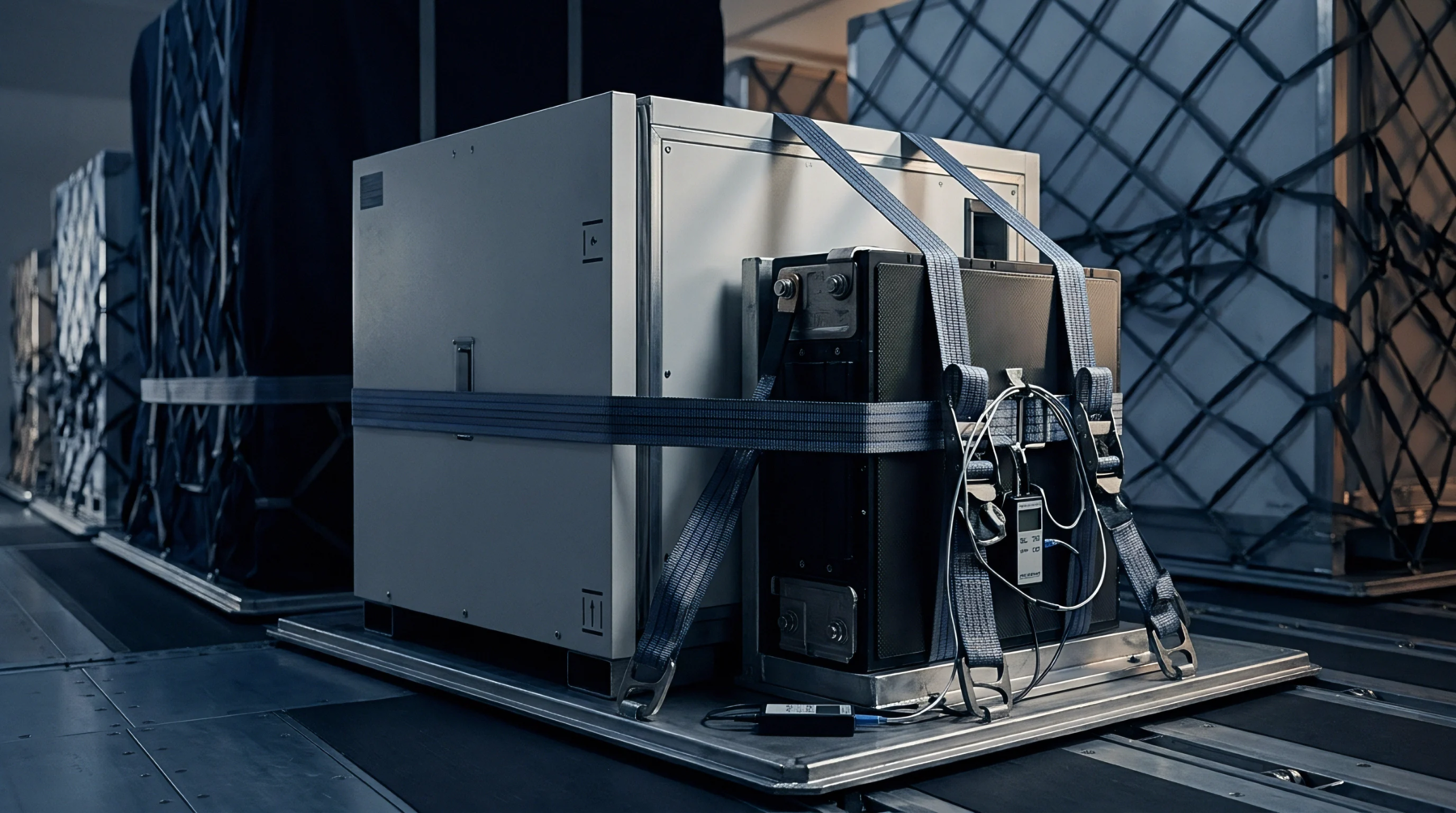
The Transport Rules and Safety Tests Lithium Cells Must Pass
Lithium cell shipments require UN 38.3 bench qualification, 30 percent state-of-charge air caps, Class 9 packaging, and verified 10-field test summaries.
Lithium cell shipments require UN 38.3 bench qualification, 30 percent state-of-charge air caps, Class 9 packaging, and verified 10-field test summaries.
Unverified third-party battery test scopes leave importers legally liable for transport fines, customs seizures, and uninsurable thermal failures.
Standard fire codes cap bulk lithium battery storage at 600 kWh per control area unless protected by dedicated ESFR sprinklers and 2-hour fire barriers
NFPA 855 compliance for high density battery bays hinges on UL 9540A explosion testing to reduce 3 foot clearances and size deluge water systems.
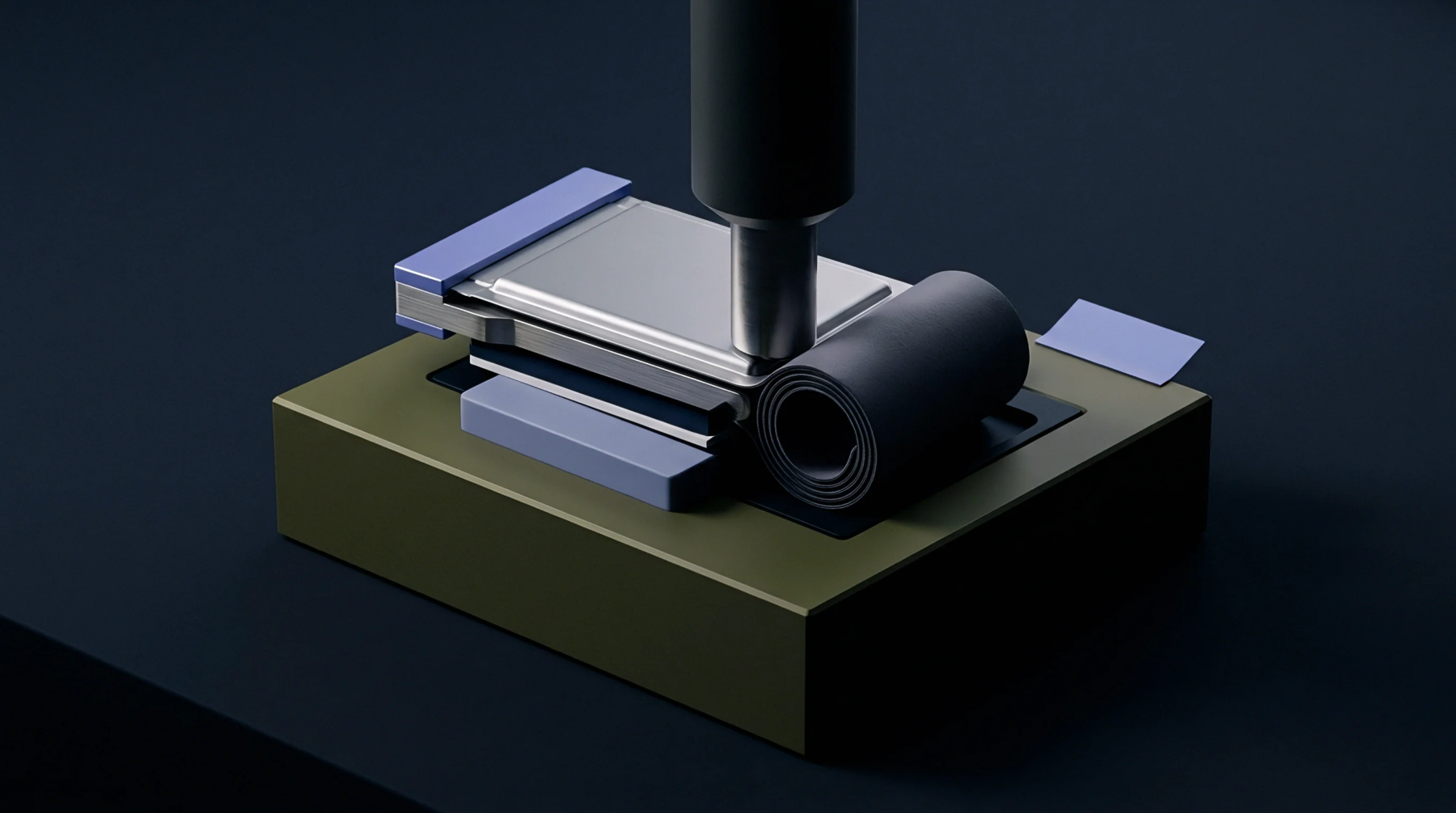
Format selection dictates tooling capital, cooling architecture, and mechanical containment: cylindrical cells minimize stack stress, while prismatic cells maximize spatial fill.
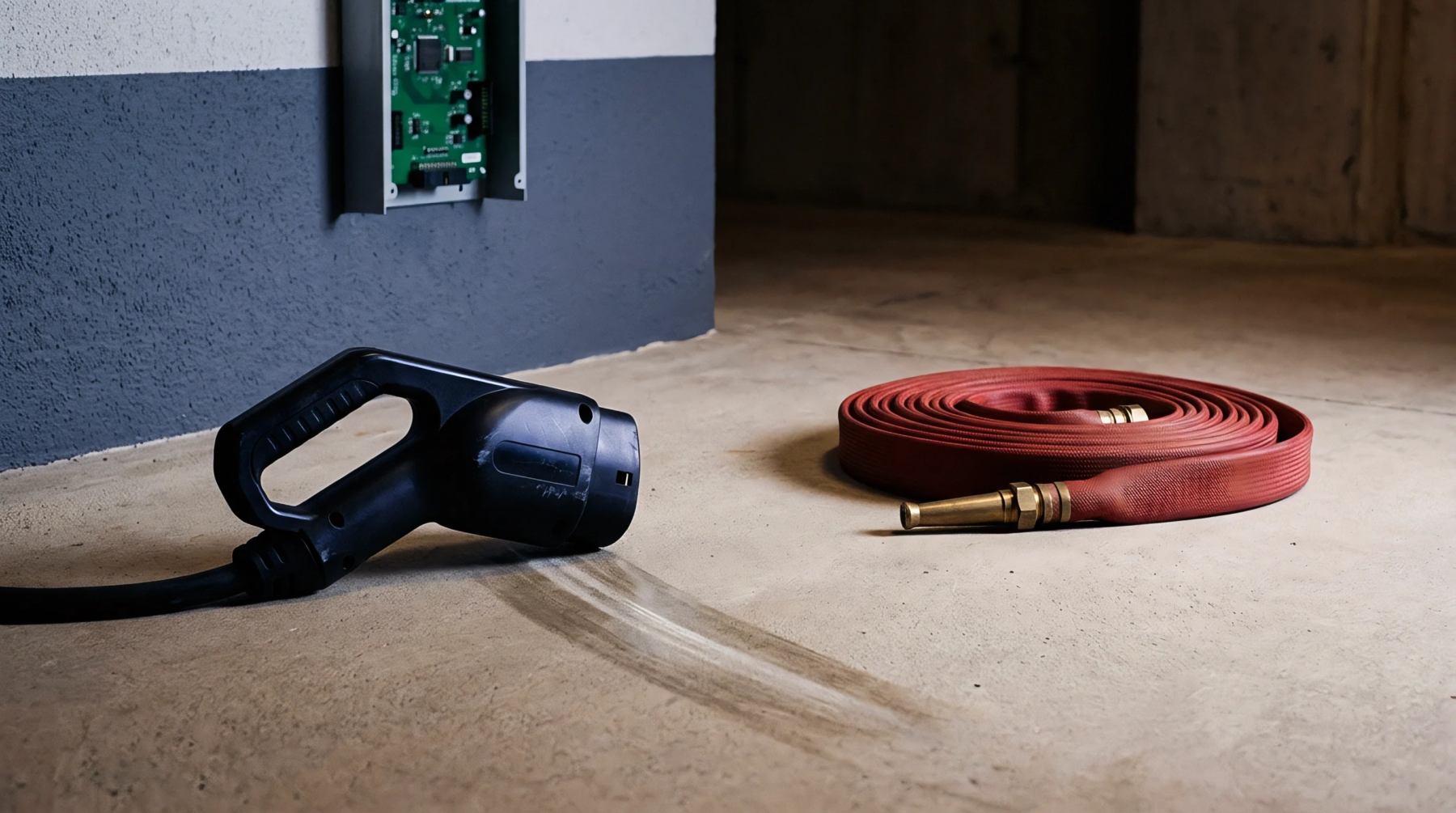
Stationary battery storage baseline rules mandate a three-foot separation between units unless UL 9540A testing proves heat flux stays under critical thresholds.
Validating ISO 17025 ILAC accreditation scopes for UN 38.3 test summaries before shipment prevents carrier refusals and port impoundments.
EU Regulation 2023/1542 forces BESS importers to hold accredited third-party test dossiers and active Digital Battery Passports prior to single-market port entry.
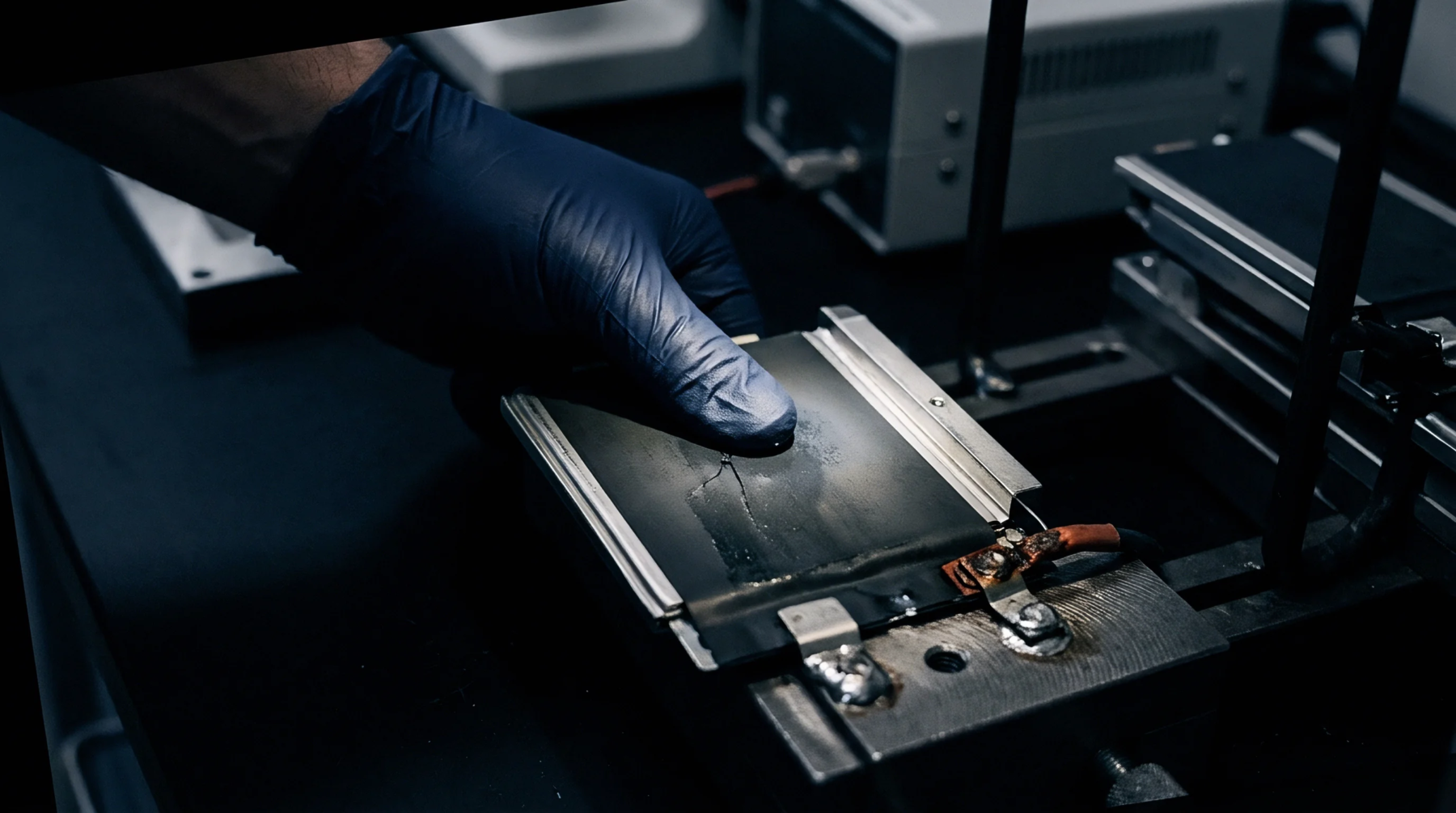
Unit-level UL 9540A test data unlocks reduced ESS clearances when peak heat release stays below 250 kW and target panel radiant flux remains under 1.5 kW/m².
Cross-border market surveillance enforcement targets domestic importers directly, requiring pre-funded bank guarantees and authenticated safety dossiers for recourse.

Calculate IFC Chapter 12 battery storage limits by enforcing 20 kWh triggers, 50 kWh unit caps, 3-foot spacing, and 600 kWh fire-area aggregations.

Stationary storage spatial clearance requires balancing NFPA 855 baseline setbacks against UL 9540A fire test metrics to optimize usable site acreage.

Grid battery enclosures require passive inter-cell thermal barriers to limit conductive heat flux below 120 kW/m² and contain thermal runaway propagation.

Utility BESS deflagration overpressure depends on off-gas burning velocity and corridor blockage turbulence rather than open-air venting calculations.
ISO 17025 audit verification demands validating test parameters against the lab schedule on the ILAC MRA portal to prevent compliance holds

Asset owners must require HIL testing, dual-key signing, and written vendor regulatory indemnities before authorizing remote third-party firmware updates.
Reconciling module test reports with final pack enclosure safety documentation requires mapping insulation resistance, UN 38.3 metrics, and transport state-of-charge data.
Unit-level UL 9540A metrics define gas generation, radiant heat flux, and deflagration limits needed to clear NFPA 855 unit separation mandates.
Reduced energy storage clearances require UL 9540A full-scale fire test proof showing adjacent cabinet radiant flux stays below 12.5 kW/m² to prevent fire spread.
Reconciling offgas deflagration testing with reduced setbacks requires empirical UL 9540A overpressure data to size NFPA 68 vents and justify NFPA 855 clearances.

Determining off-gas dynamics requires measuring cell-level vent volume, gas composition, and flammability metrics to design compliant enclosure deflagration systems.
Exhaust systems for containerized energy storage prevent deflagration by diluting thermal runaway offgas below 25 percent of the mixture lower flammability limit.
Dynamic detonation limits require module vent area ratios exceeding enclosure yield boundaries to arrest high-velocity hydrogen deflagration transitions.
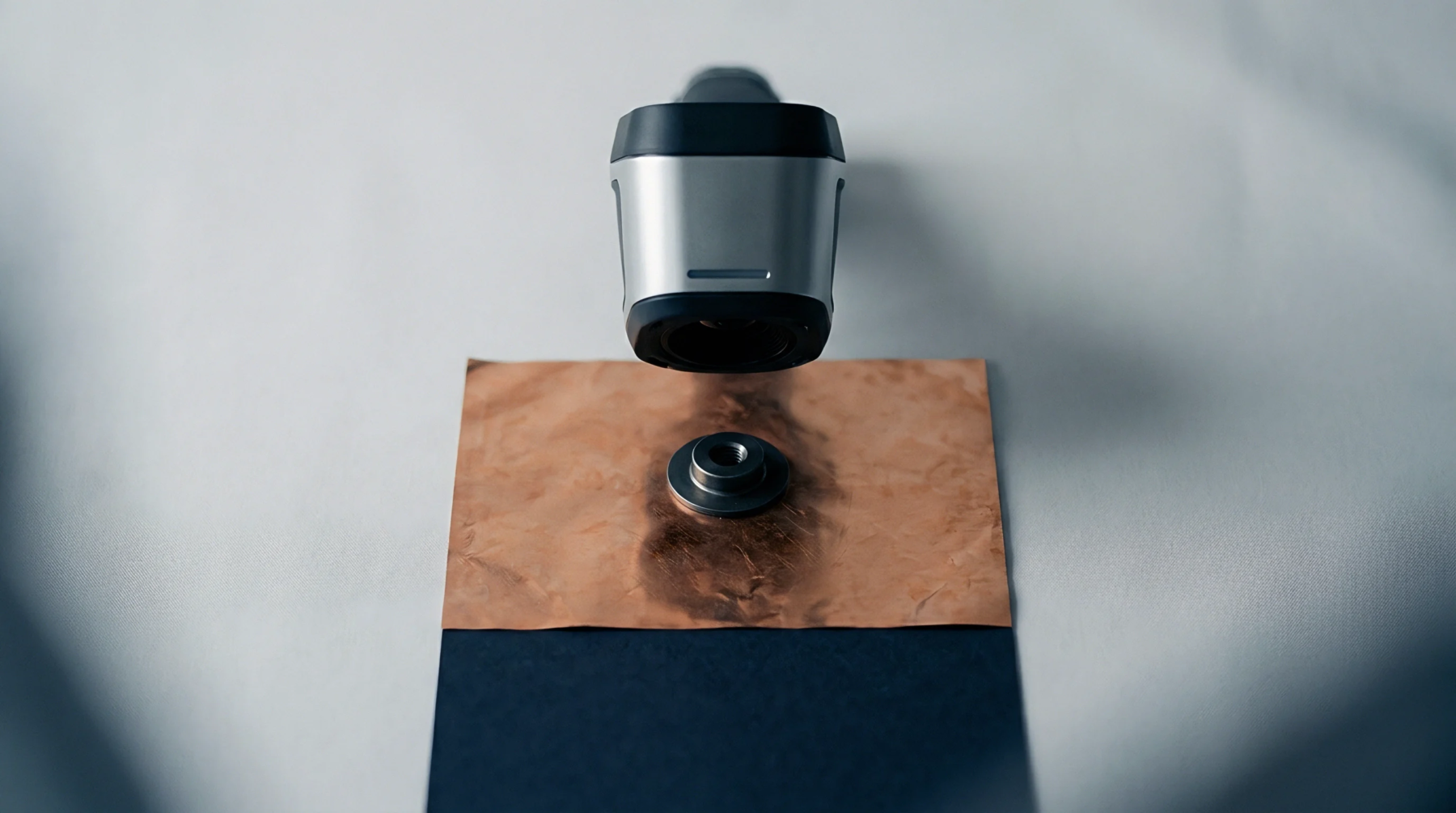
Regularized spatial matrix inversion reconstructs internal cell gradients from boundary sensors while suppressing noise amplification on embedded hardware.

Closed-loop impedance feedback tracks subzero charge-transfer resistance to throttle charging current, preventing anode overpotential from inducing lithium plating.
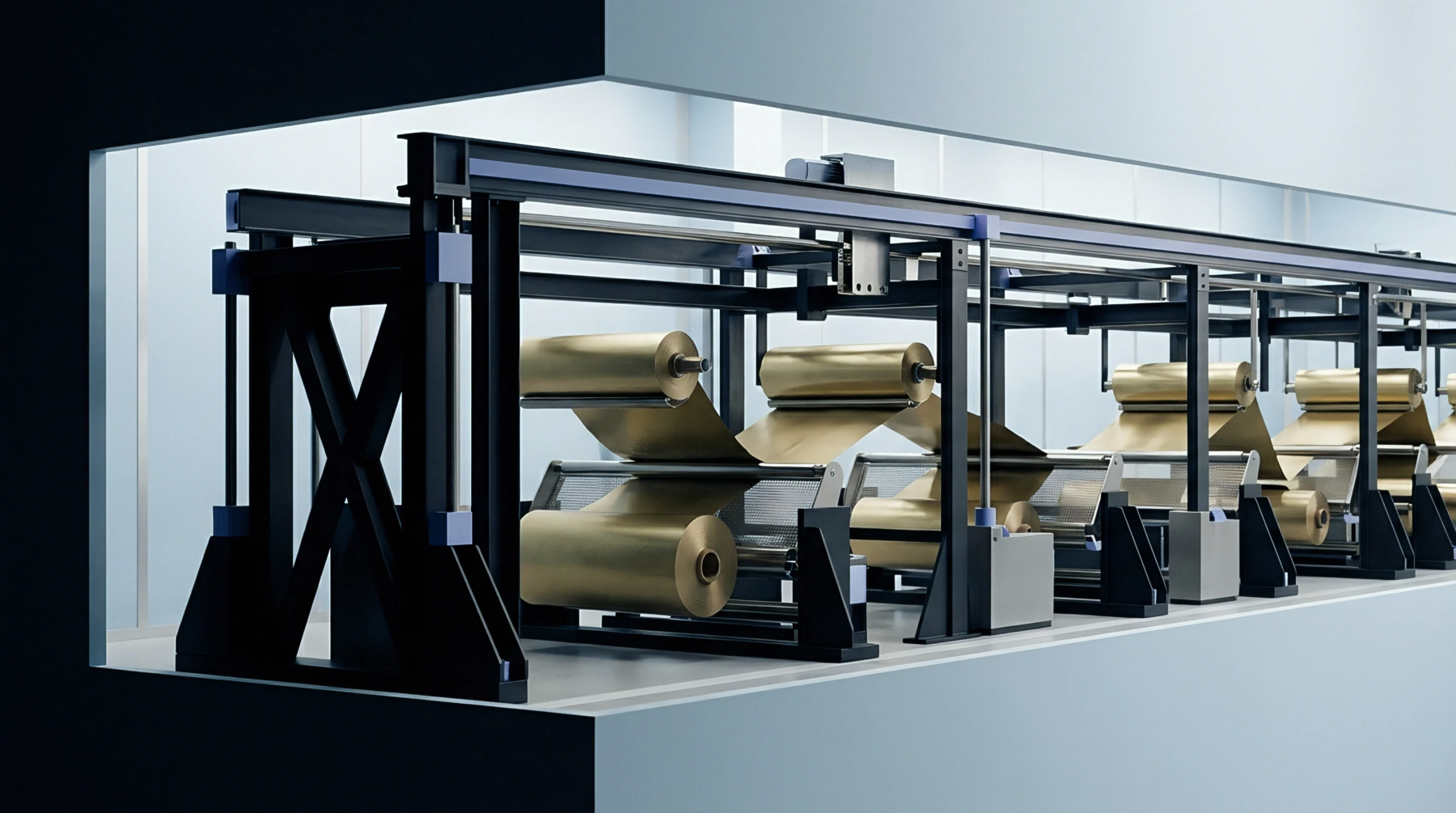
Physical tool registration, firmware source code escrow, and regulatory applicant control establish the only legally enforceable pack manufacturing IP boundaries.
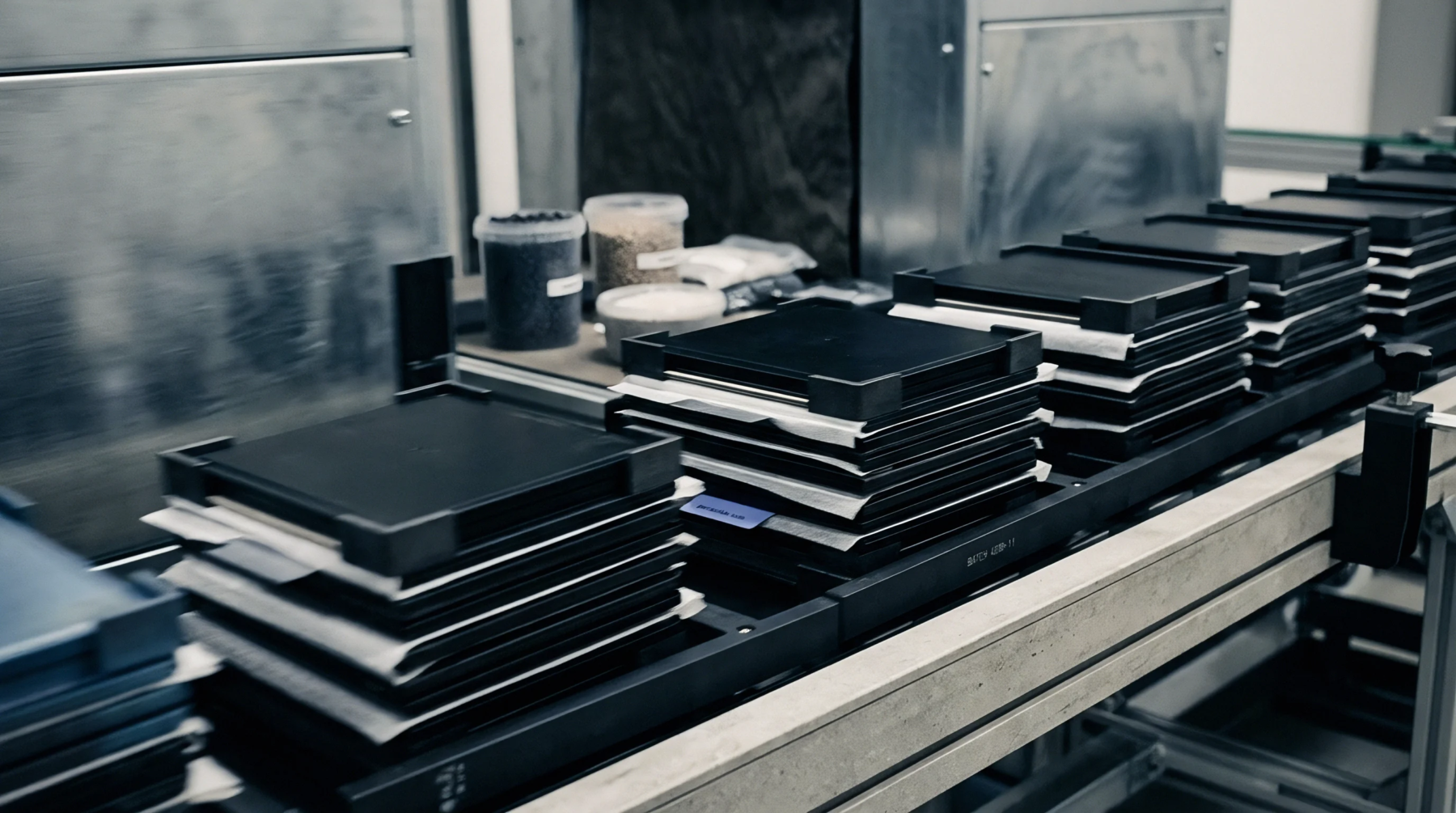
Underwriters price battery storage risk by converting cell lot formation logs, K-value decay rates, and UL 9540A test dossiers directly into asset premium basis points.
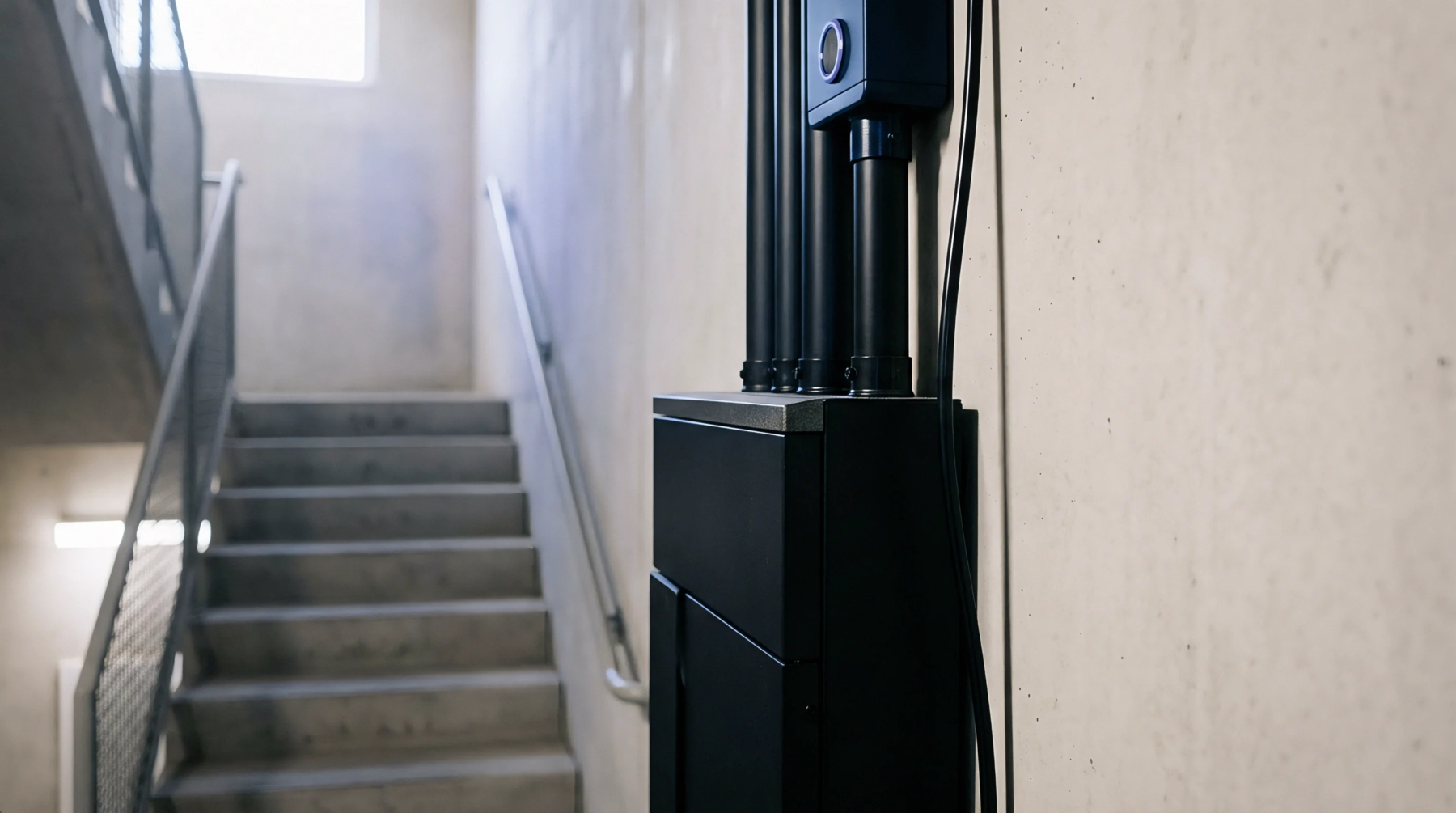
IFC Chapter 12 caps indoor lithium-ion storage at 20 kWh unless UL 9540 listing, UL 9540A testing, 2-hour partitions, and 3-foot clearances permit higher limits.
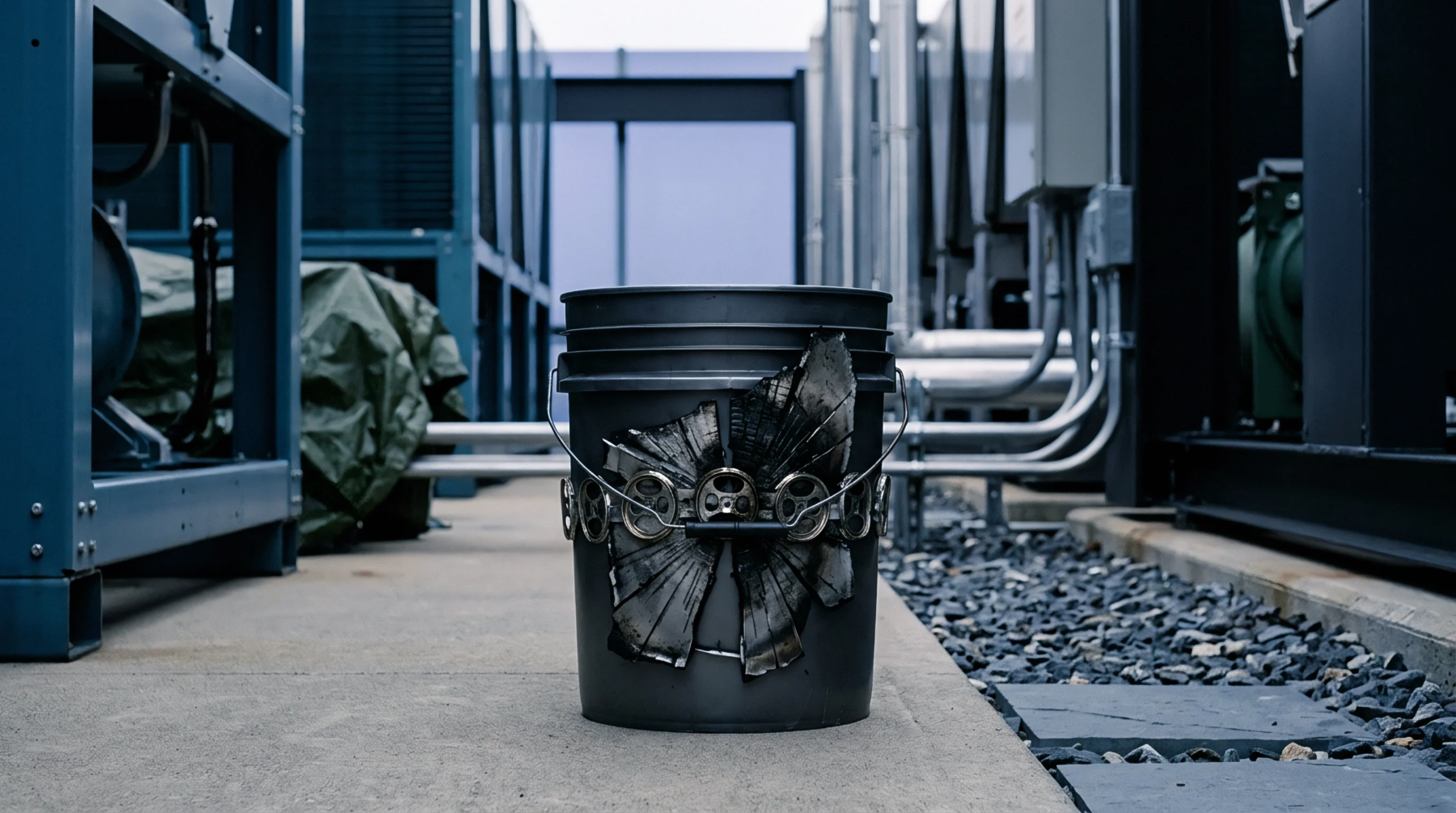
Enclosure spacing and fire area compartmentalization enforce physical air buffers, rated structural walls, and UL 9540A testing to stop cascading thermal propagation.
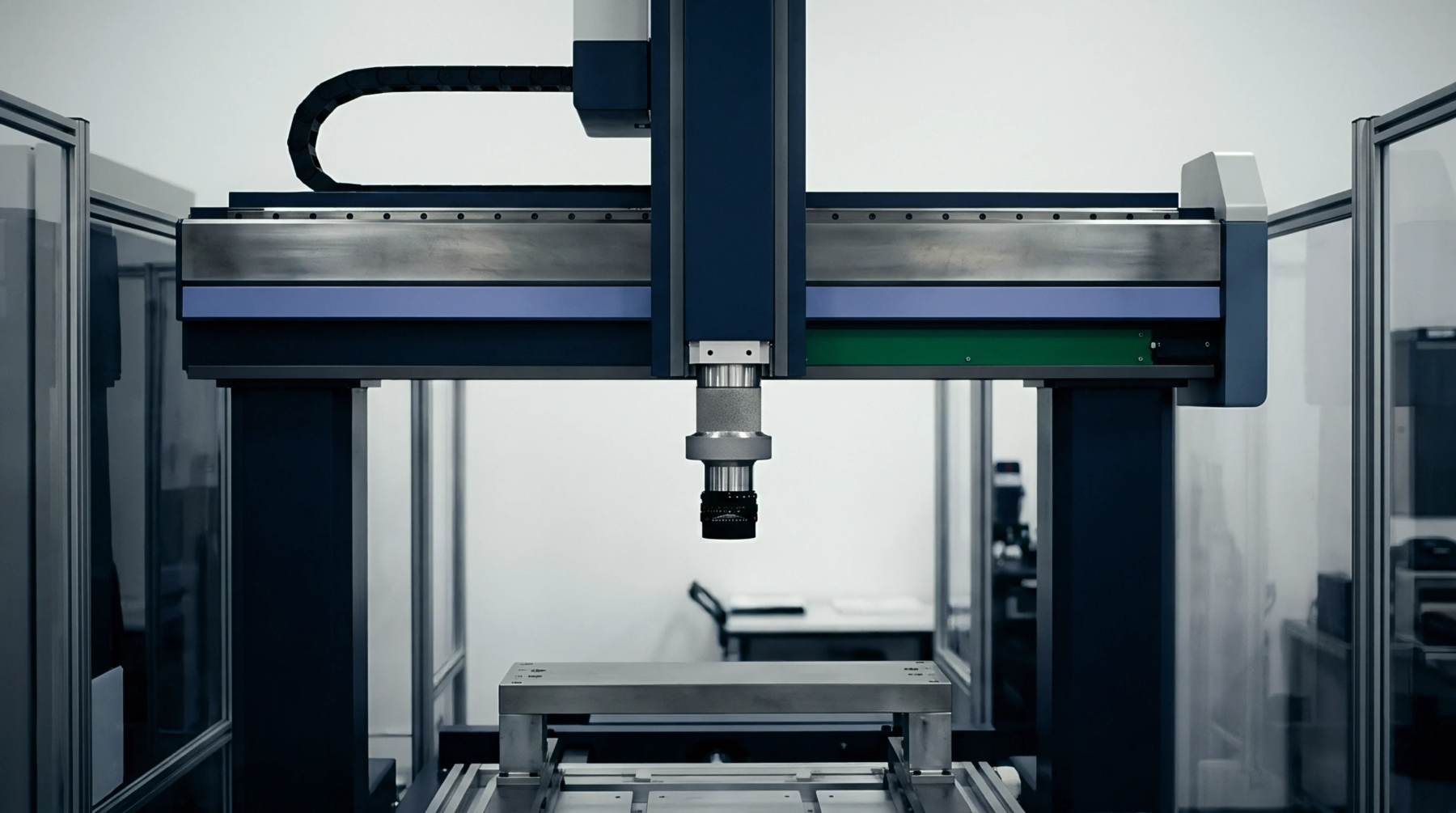
Municipal acceptance of computational deflagration modeling requires physical UL 9540A vent gas data, grid convergence verification, and peak overpressure caps below enclosure yield.
Expertise is a utility, not a secret. sentiention™ publishes its working knowledge as open reference: intelligence layer covering the materials it sources, the markets it enters, and the reference that serves both.