
Finite Element Damage Parameter Calibration in Battery Thermal Management Plates
Calibration of finite element damage parameters requires multi-axis coupon testing to accurately predict cooling plate rupture under dynamic fluid pressure.

Calibration of finite element damage parameters requires multi-axis coupon testing to accurately predict cooling plate rupture under dynamic fluid pressure.

Accelerated impression testing and lap shear power law modeling quantify temperature dependent strain rates to prevent fluid leaks under sustained pack loads.

Multiphase Darcy flow models quantify liquid displacement by formation gas in thick sodium cells, identifying vacuum venting limits that prevent dendrite growth.

Gradient porosity in hard carbon sodium anodes directs initial formation gases to surface evacuation channels, protecting capacity and cell geometry.
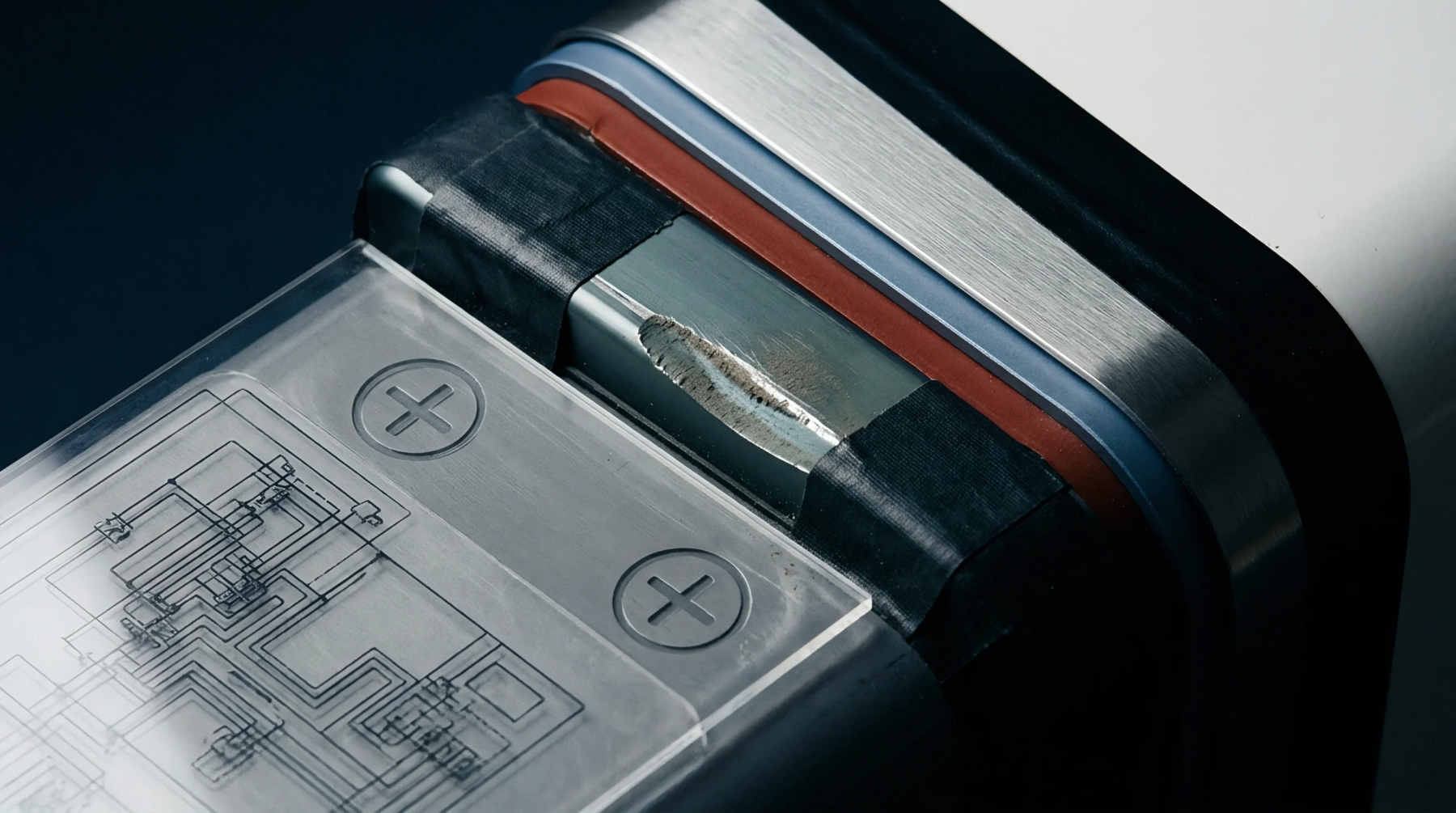
Critical plane life prediction couples multiaxial shear strain with microstructural defect geometry to set reliable fatigue limits for additive cold plates.
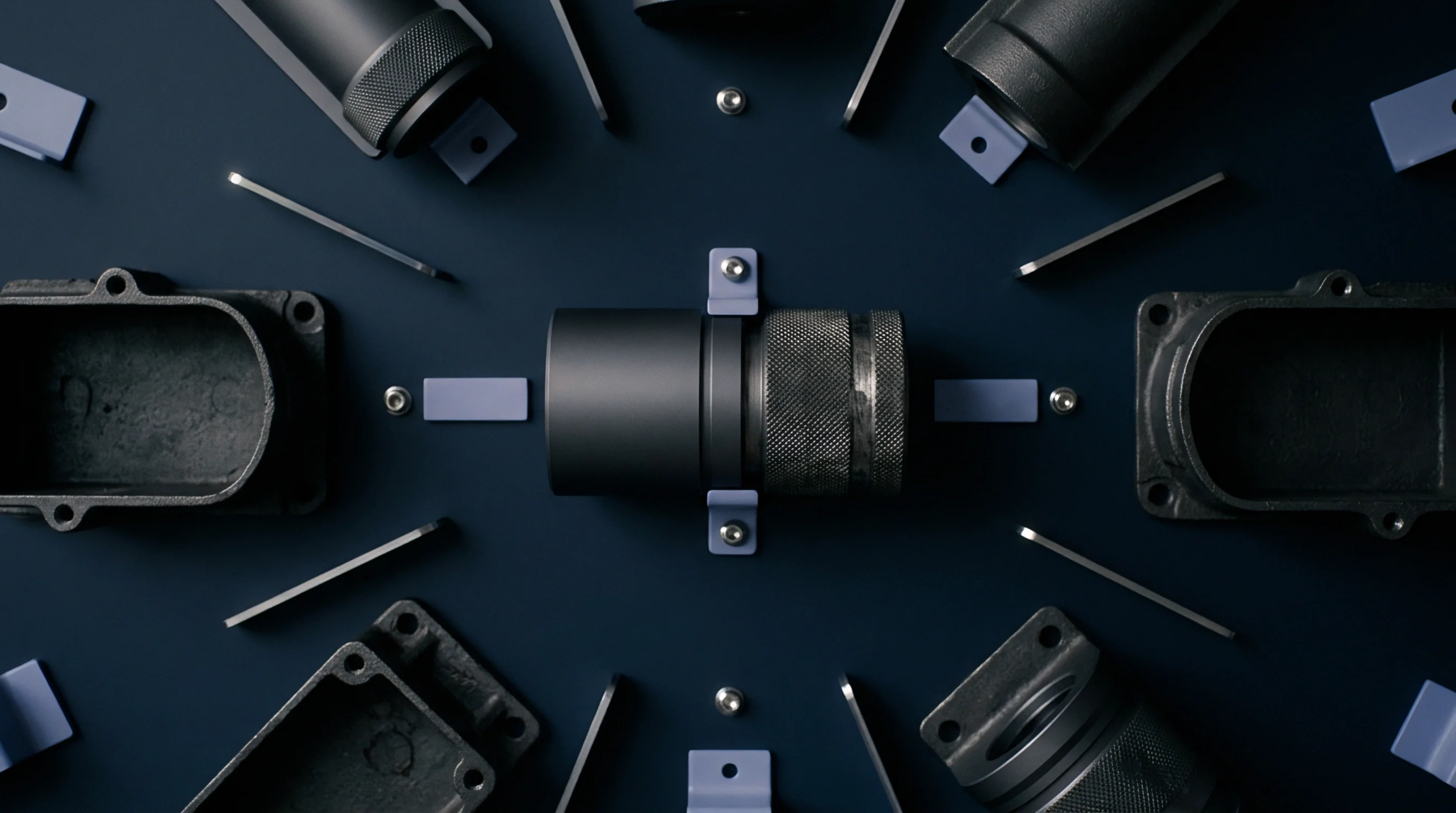
Non-proportional strain paths from out-of-phase thermal and pressure loads cause extra yield hardening and accelerate fatigue failure in additive heat exchangers.

High loading sodium electrodes face severe rate limits due to salt depletion in electrolyte pores and sluggish ionic transport across thick particle coatings.

Zero knowledge telemetry proofs verify battery operating envelope compliance without exposing trade secret load curves, enabling automated multi-vendor liability settlement.

Sub-surface voids in additive cold plates concentrate thermal-cycling stresses, driving fatigue cracks that breach coolant walls into high-voltage battery spaces.

Cryptographic telemetry oracles isolate sub-zero lithium plating from manufacturing defects, driving deterministic warranty execution via smart contracts.

Statistical verification of raw binary cycler logs isolates hardware noise floors, timestamp jitter, and kinetic pulse responses to prevent cell lot fraud.

Reconstructed time-series timestamps, differential voltage phase tracking, and ADC noise thresholds expose fabricated cell qualification fade curves.

Automated validation pipelines parse and verify UN 38.3 test summaries against regulated schemas to prevent dangerous goods shipping blocks and liability fines.

Multiaxial critical plane implementation uses resolved tensor strains and normal stresses to predict and prevent thermal fatigue failure in additive casting dies.

Additively manufactured tooling inserts demand hot isostatic pressing and abrasive-flow channel polishing to prevent premature creep-fatigue cracking.
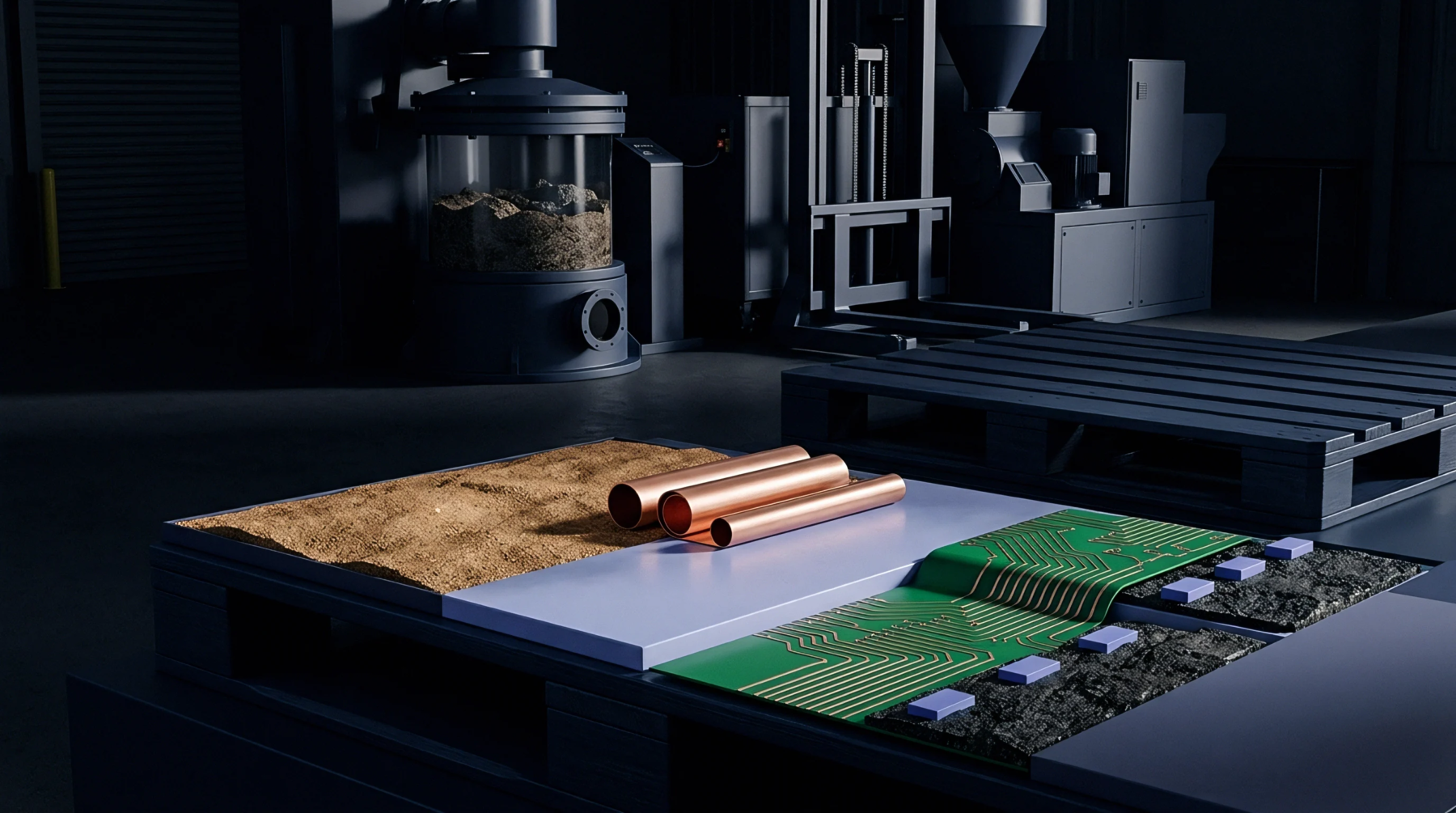
Verify raw battery cycler time series by auditing native binary files for hardware clock jitter, electrothermal correlation, and differential capacity integrity.

Conformal cooling fatigue in battery tooling is mitigated by abrasive flow machining of internal channels and strict LPBF void controls to prevent premature crack growth.

Cryptographic telemetry integrity in cold chain monitoring depends on pairing cold-tolerant cell chemistries with hardware-accelerated micro-burst hash logging.

Arbitrate fraudulent foreign battery test summaries by carving out liability caps, enforcing awards via the New York Convention, and escrowing pre-shipment payments.

Cryptographic edge hash telemetry resolves cold weather battery arbitration by proving subzero lithium plating abuse through tamper evident hardware logs.

Dynamic acidic dew point modeling prevents localized cooling plate pitting and dielectric loss by calculating vapor equilibrium shifts during rapid thermal ramps.

Calibrating tooling cavity thermal strain and outgassing kinetics prevents micro-crack fatigue and volatile void defects in battery enclosure molding.
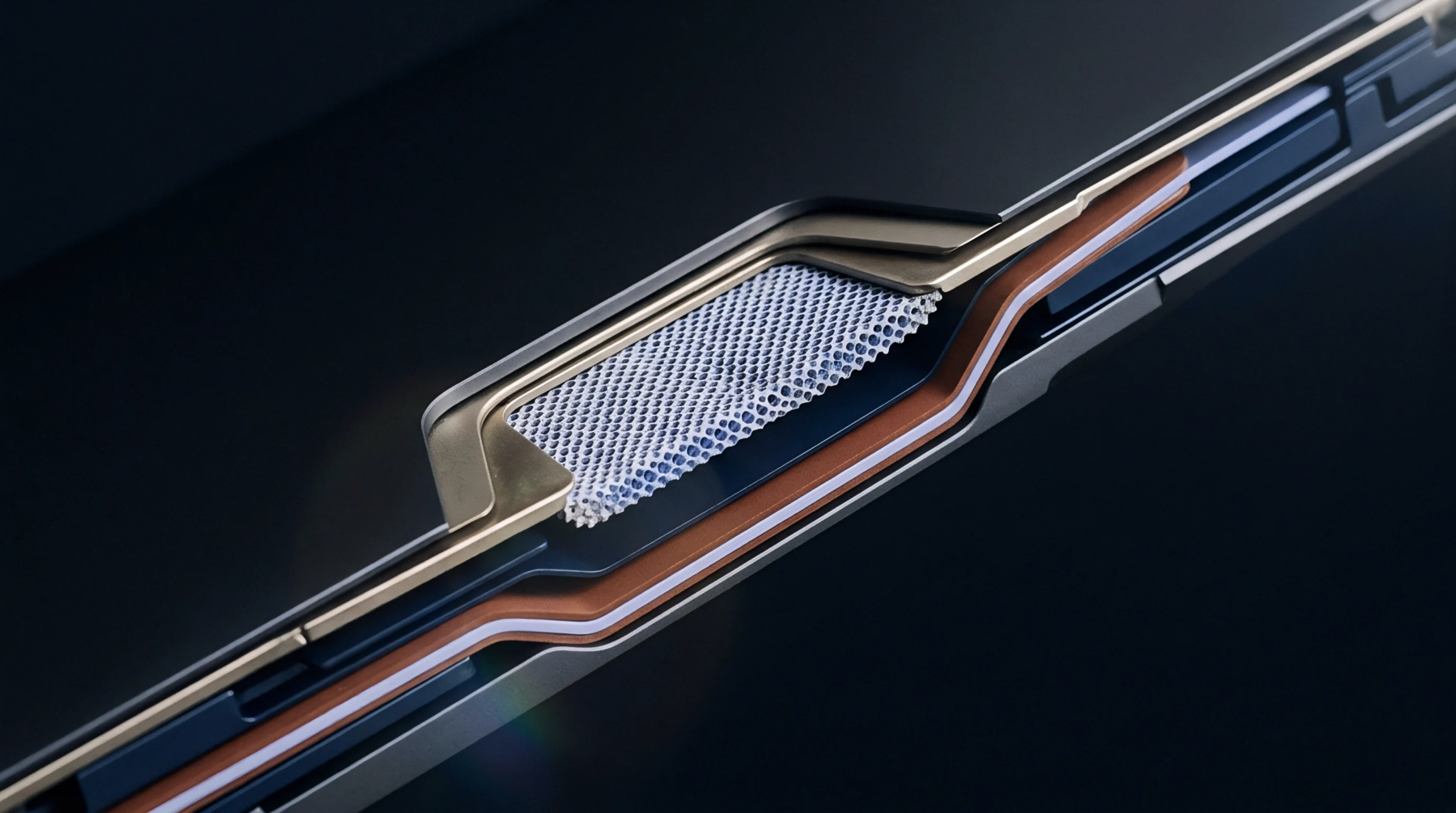
Validate foreign cell ISO/IEC 17025 scope annexes for specific test standards before signing purchase contracts to prevent customs holds and uninsurable liability.

Subzero warranty defense requires high-frequency cell telemetry that logs transient current pulses and core thermal lag to disprove vendor claims of illegal freezing charge.
Subzero CAN payloads require wide negative offsets, dynamic pulse limits, and rapid priority frames to protect cold lithium cells from plating during charge.

Compliant cross-border battery transport requires an unredacted UN 38.3.5 test summary aligning with carton marks and carrier acceptance checks.

Microstructural particle cracking and tortuosity growth drive direct current resistance escalation, dictating battery storage thermal loads and cell augmentation intervals.
Structure entry-hold indemnities with strict admissibility covenants, uncapped demurrage allocations, immediate escrow drawdowns, and mandatory re-export duties.

Hazardous battery storage accelerates to peak penalties within 48 hours; halting accruals requires immediate bonded drayage to an off-dock facility.

Electrochemical impedance parameter extraction isolates manufacturing defects from operational abuse, converting baseline spectra into defensible warranty claims.
Expertise is a utility, not a secret. sentiention™ publishes its working knowledge as open reference: intelligence layer covering the materials it sources, the markets it enters, and the reference that serves both.